Department of Psychological Sciences, School of Psychology, Faculty of Health and Medical Sciences, University of Surrey, Guildford GU2 7XH, UK.
FrieslandCampina, 3818 LE Amersfoort, The Netherlands.
Nutrients. 2022 Jan 30;14(3):614. doi: 10.3390/nu14030614.
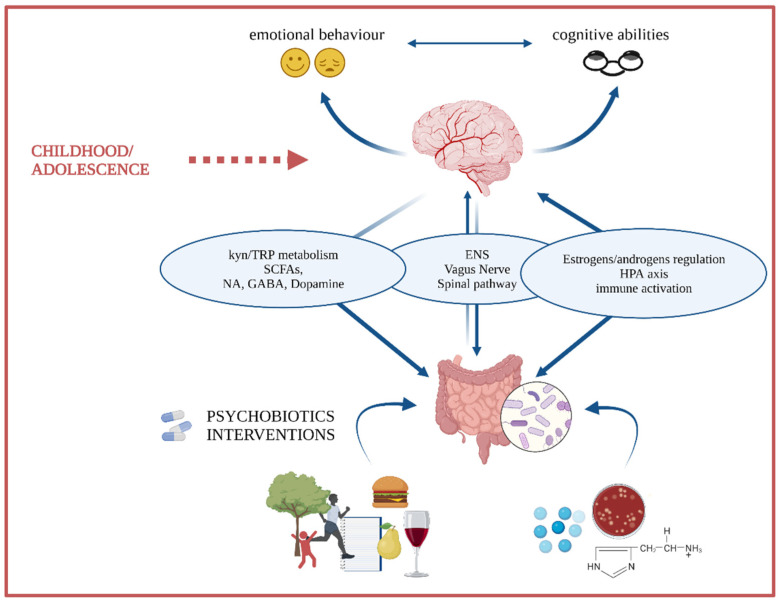
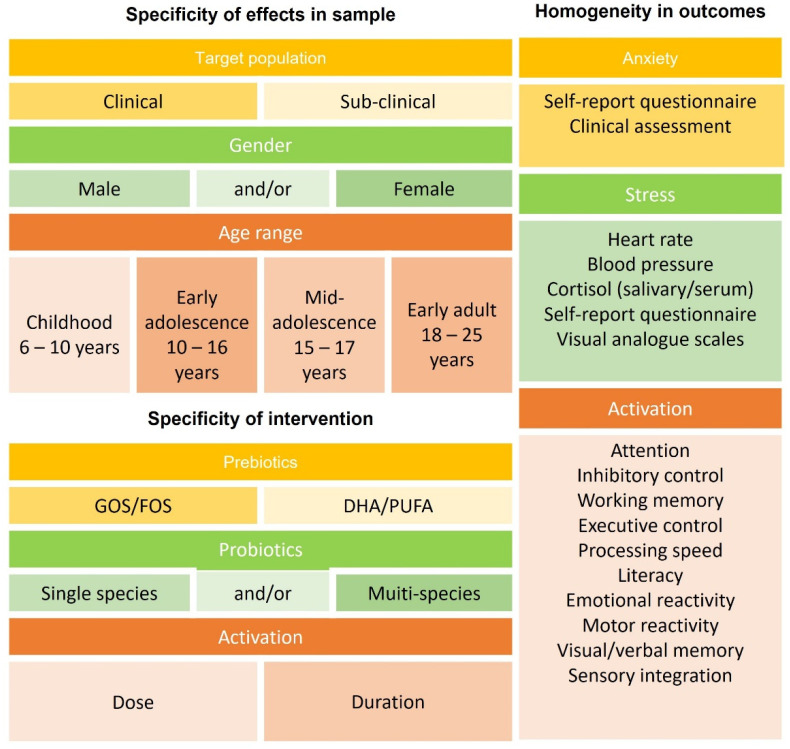
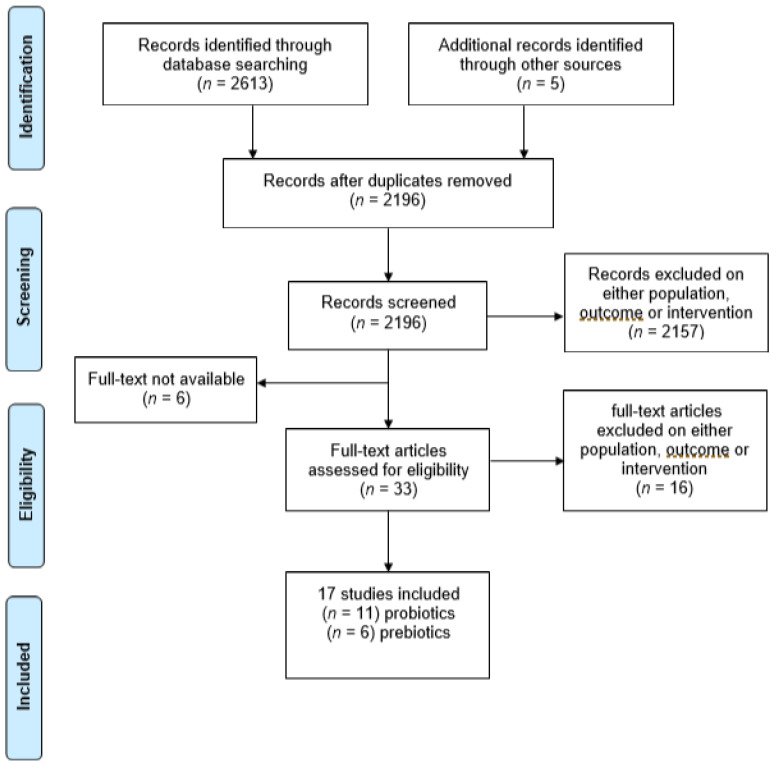
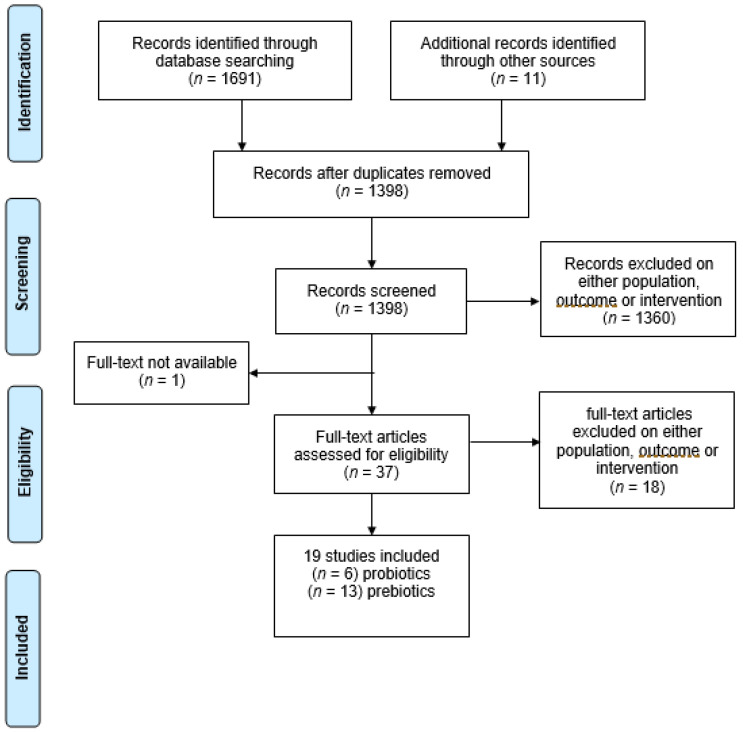
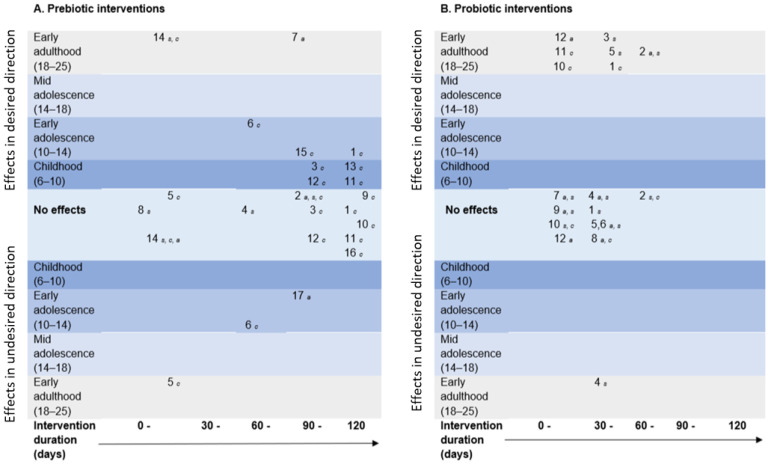
This systematic review brings together human psychobiotic interventions in children and adolescents (aged 6-25 years) to evaluate the efficacy of pre- and probiotic supplements on stress, anxiety, and cognitive outcomes. Psychobiotic interventions in animal studies highlighted sensitivity to effects during development and maturation in multiple domains from emotion to cognitive processing. Several translational psychobiotic interventions in humans have been carried out to assess effects on emotion and cognition during childhood and into adulthood. The findings illustrate that there are limited consistent psychobiotic effects in developing human populations, and this is proposed to be due to heterogeneity in the trials conducted. Consequentially, it is recommended that three specific factors are considered in future psychobiotic trials: (1) Specificity of population studied (e.g., patients, developmental age), (2) specificity of intervention, and (3) homogeneity in outcome measures.
本系统评价汇集了儿童和青少年(6-25 岁)的人类益生菌干预措施,以评估预生物和益生菌补充剂对压力、焦虑和认知结果的功效。动物研究中的益生菌干预措施强调了在多个领域(从情绪到认知处理)发育和成熟过程中对影响的敏感性。已经进行了一些转化的益生菌干预措施,以评估在儿童期和成年期对情绪和认知的影响。研究结果表明,在发展中的人类群体中,益生菌的影响是有限的,这被认为是由于所进行的试验存在异质性。因此,建议在未来的益生菌试验中考虑三个具体因素:(1)研究人群的特异性(例如,患者、发育年龄),(2)干预的特异性,以及(3)结果测量的同质性。