Nunn Elizabeth R, Shinde Abhijit B, Zaganjor Elma
Department of Molecular Physiology and Biophysics, Vanderbilt University School of Medicine, Nashville, TN, United States.
Front Physiol. 2022 Feb 25;13:821278. doi: 10.3389/fphys.2022.821278. eCollection 2022.
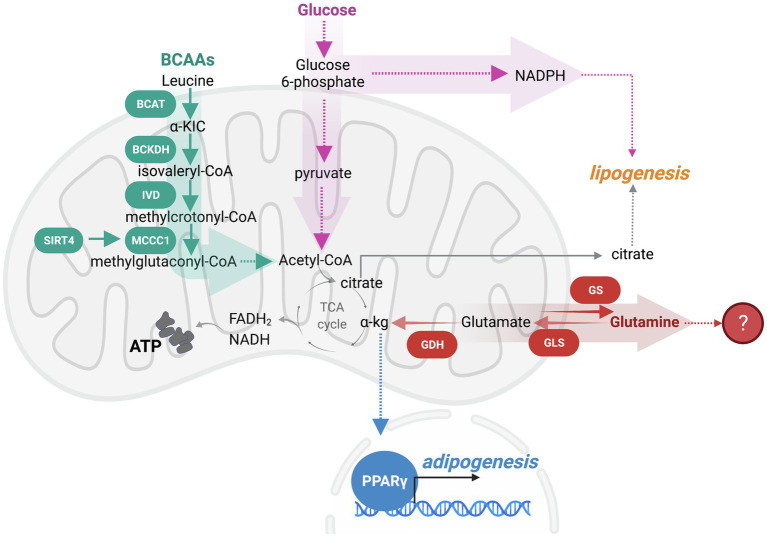
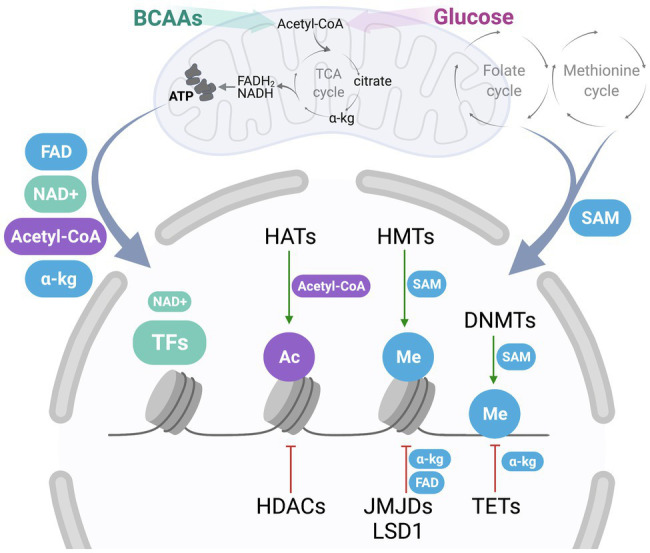
Obesity is a growing health concern worldwide because of its contribution to metabolic syndrome, type II diabetes, insulin resistance (IR), and numerous cancers. In obesity, white adipose tissue (WAT) expands through two mechanisms: increase in adipocyte cell number by precursor cell differentiation through the process of adipogenesis (hyperplasia) and increase in existing mature adipocyte cell size (hypertrophy). While hypertrophy is associated with the negative effects of obesity on metabolic health, such as inflammation and lipotoxicity, adipogenesis prevents obesity-mediated metabolic decline. Moreover, in metabolically healthy obesity adipogenesis is increased. Thus, it is vital to understand the mechanistic basis for adipose expansion to inform novel therapeutic approaches to mitigate the dysfunction of this tissue and associated diseases. In this mini-review, we summarize recent studies on the regulation of adipogenesis and provide a perspective on targeting adipogenesis as a potential therapeutic avenue for metabolic disorders.
肥胖是一个日益引起全球健康关注的问题,因为它会导致代谢综合征、II型糖尿病、胰岛素抵抗(IR)以及多种癌症。在肥胖状态下,白色脂肪组织(WAT)通过两种机制扩张:通过脂肪生成过程中前体细胞分化增加脂肪细胞数量(增生)以及增加现有成熟脂肪细胞的大小(肥大)。虽然肥大与肥胖对代谢健康的负面影响相关,如炎症和脂毒性,但脂肪生成可预防肥胖介导的代谢衰退。此外,在代谢健康的肥胖状态下,脂肪生成会增加。因此,了解脂肪组织扩张的机制基础对于开发新的治疗方法以减轻该组织功能障碍及相关疾病至关重要。在本综述中,我们总结了近期关于脂肪生成调控的研究,并探讨将靶向脂肪生成作为代谢紊乱潜在治疗途径的前景。