Centre for Functional Protein Assemblies, Technical University of Munich, Ernst-Otto-Fischer-Straße 8, 85748, Garching, Germany.
Angew Chem Int Ed Engl. 2022 Jul 18;61(29):e202201136. doi: 10.1002/anie.202201136. Epub 2022 May 31.
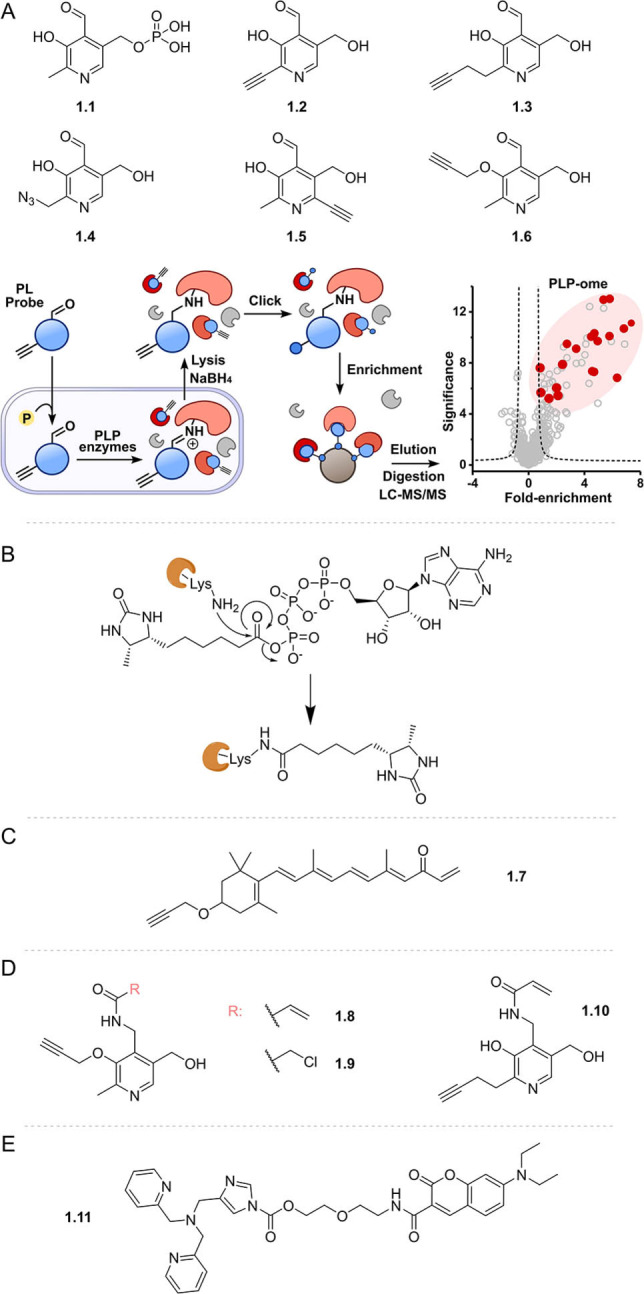
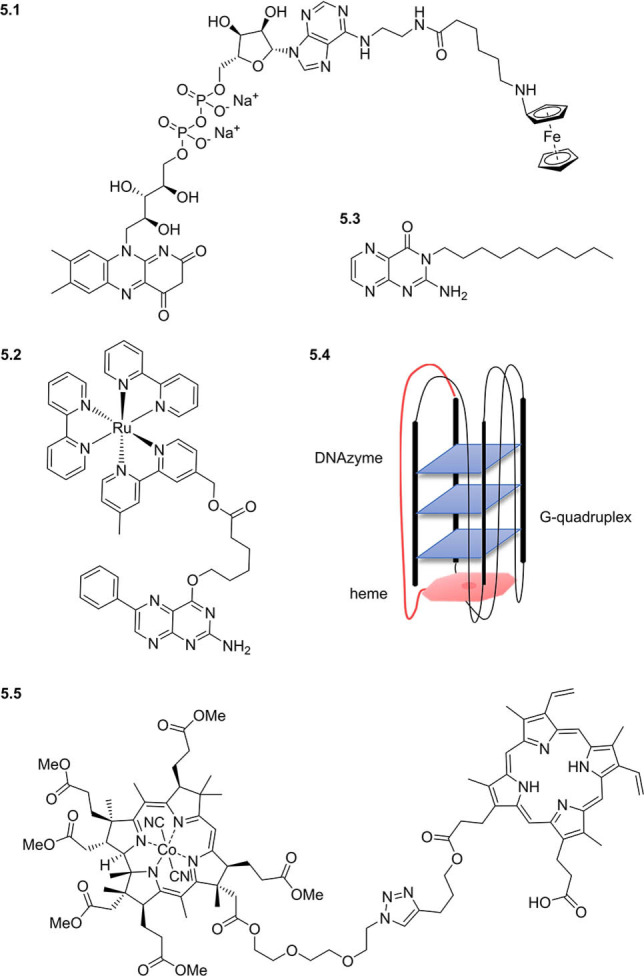
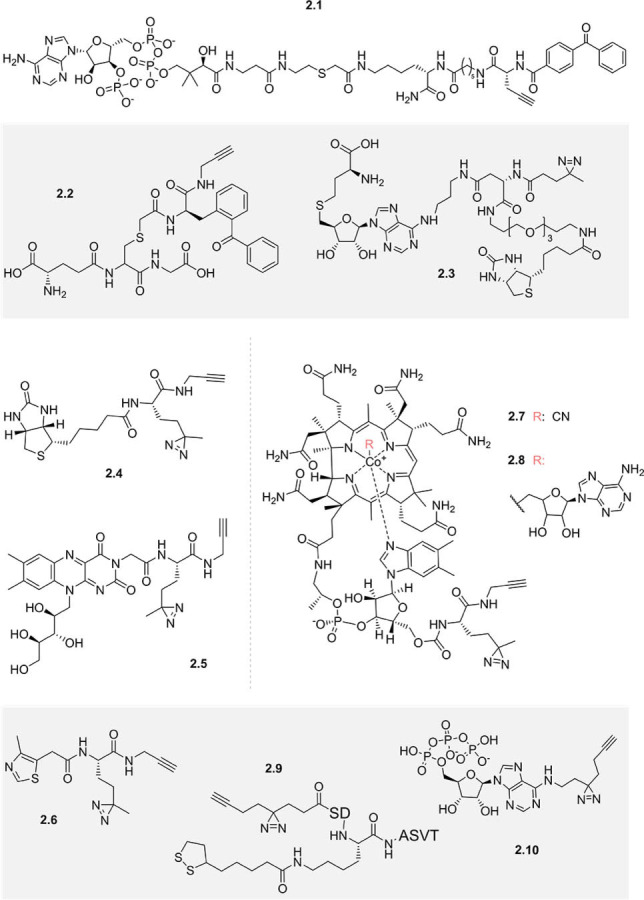
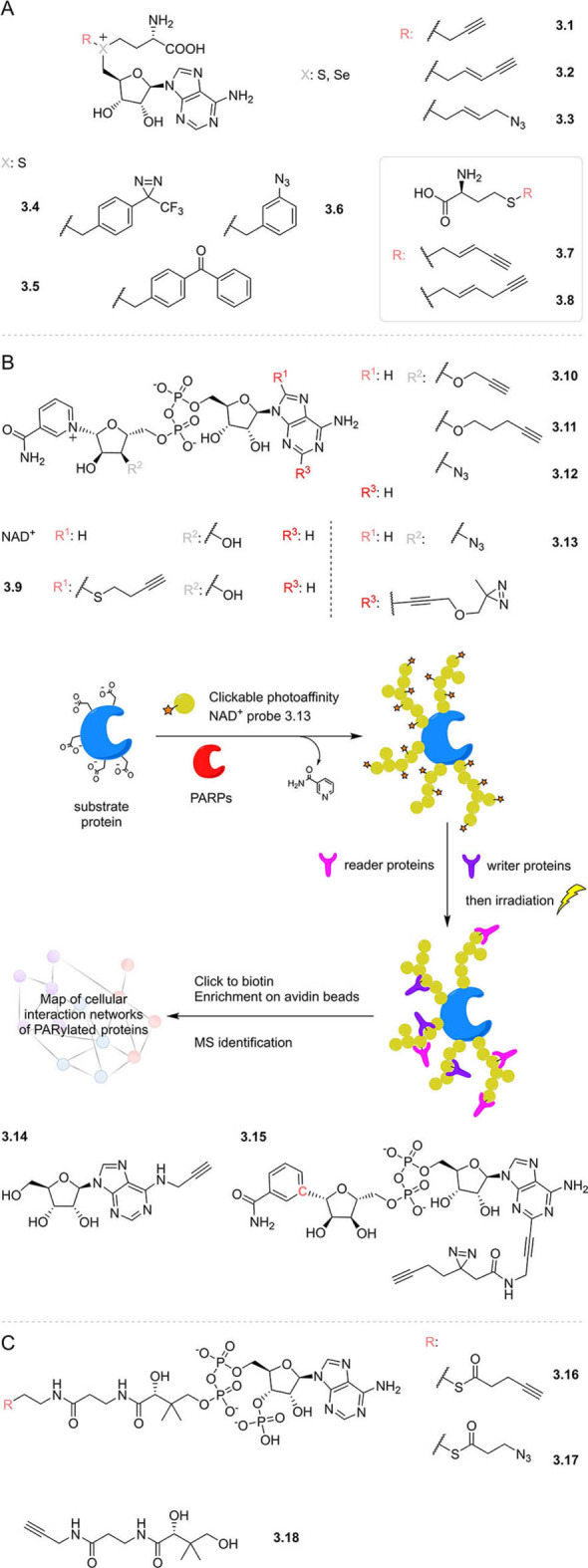
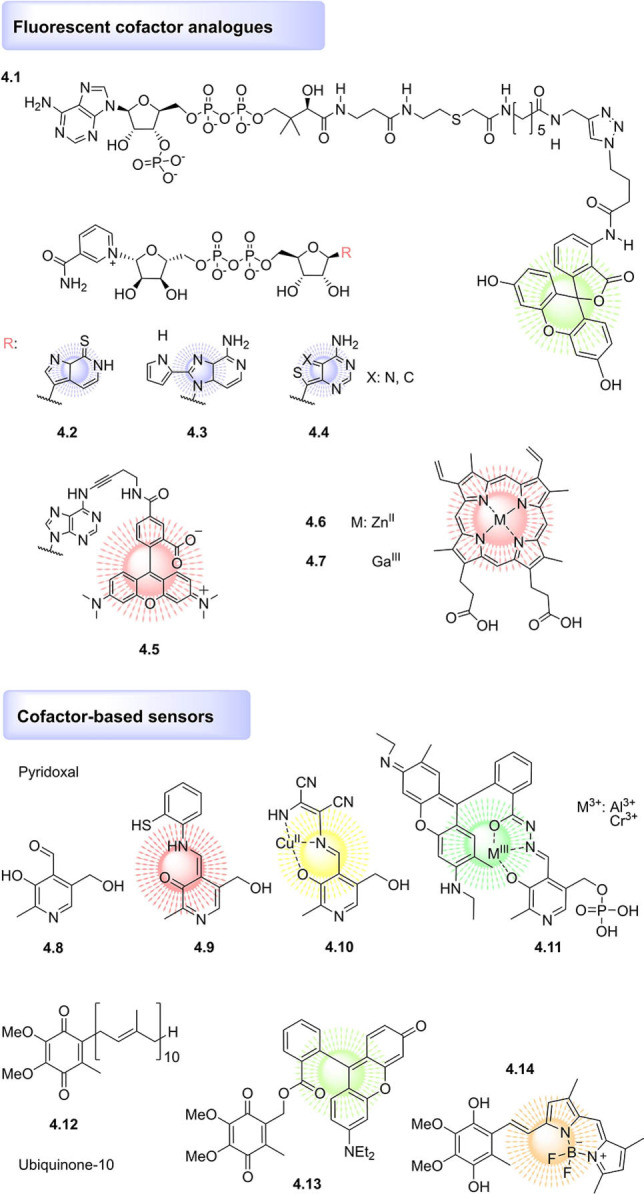
Cofactors are required for almost half of all enzyme reactions, but their functions and binding partners are not fully understood even after decades of research. Functionalised cofactor mimics that bind in place of the unmodified cofactor can provide answers, as well as expand the scope of cofactor activity. Through chemical proteomics approaches such as activity-based protein profiling, the interactome and localisation of the native cofactor in its physiological environment can be deciphered and previously uncharacterised proteins annotated. Furthermore, cofactors that supply functional groups to substrate biomolecules can be hijacked by mimics to site-specifically label targets and unravel the complex biology of post-translational protein modification. The diverse activity of cofactors has inspired the design of mimics for use as inhibitors, antibiotic therapeutics, and chemo- and biosensors, and cofactor conjugates have enabled the generation of novel enzymes and artificial DNAzymes.
辅因子几乎是所有酶反应所必需的,但即使经过几十年的研究,它们的功能和结合伙伴仍未被完全了解。功能化的辅因子模拟物可以替代未修饰的辅因子进行结合,从而提供答案,并扩展辅因子活性的范围。通过化学蛋白质组学方法,如基于活性的蛋白质分析,可以揭示天然辅因子在其生理环境中的互作组和定位,并注释以前未被表征的蛋白质。此外,为底物生物分子提供功能基团的辅因子可以被模拟物劫持,以实现对靶标的特异性标记,并揭示翻译后蛋白质修饰的复杂生物学。辅因子的多样性活性激发了模拟物作为抑制剂、抗生素治疗药物、化学和生物传感器的设计,并且辅因子缀合物使新型酶和人工 DNA 酶的产生成为可能。