Research Institute of Aging and Metabolism, Kyungpook National University, Daegu, Korea.
Department of Internal Medicine, School of Medicine, Kyungpook National University, Kyungpook National University Hospital, Daegu, Korea.
J Exp Clin Cancer Res. 2022 Mar 14;41(1):98. doi: 10.1186/s13046-022-02296-3.
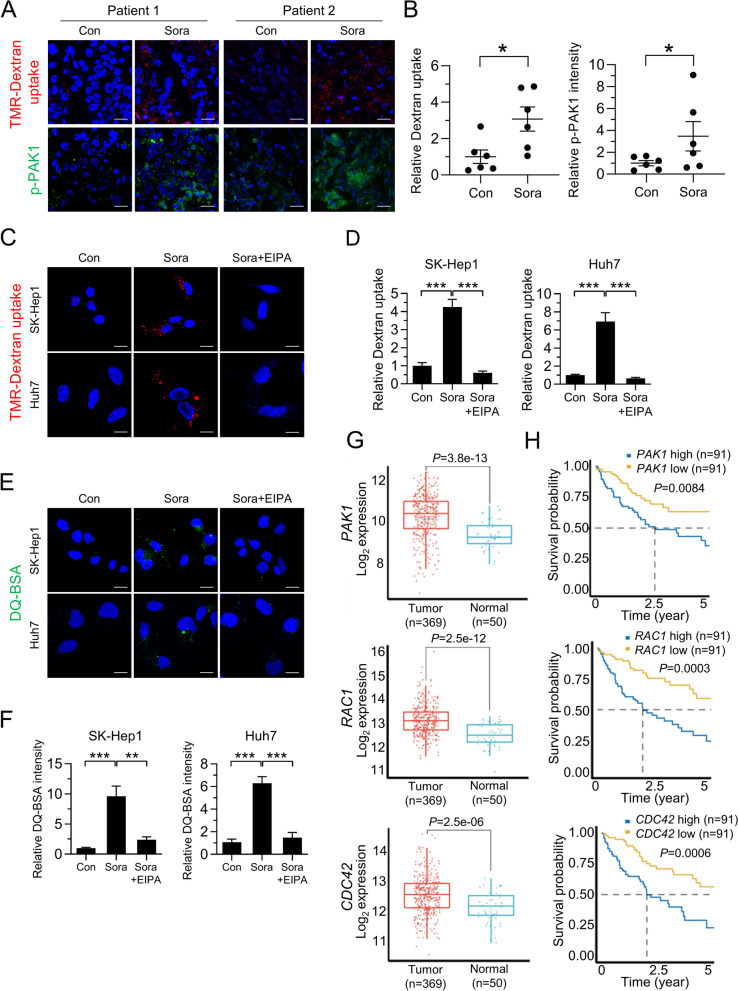
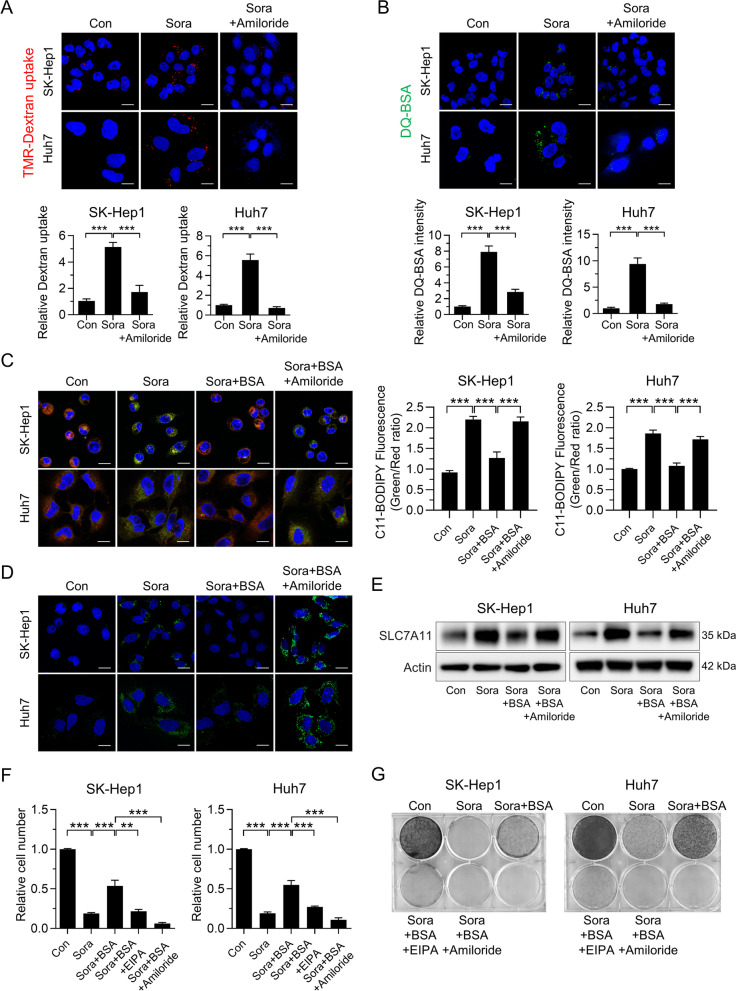
Macropinocytosis, an important nutrient-scavenging pathway in certain cancer cells, allows cells to compensate for intracellular amino acid deficiency under nutrient-poor conditions. Ferroptosis caused by cysteine depletion plays a pivotal role in sorafenib responses during hepatocellular carcinoma (HCC) therapy. However, it is not known whether macropinocytosis functions as an alternative pathway to acquire cysteine in sorafenib-treated HCC, and whether it subsequently mitigates sorafenib-induced ferroptosis. This study aimed to investigate whether sorafenib drives macropinocytosis induction, and how macropinocytosis confers ferroptosis resistance on HCC cells.
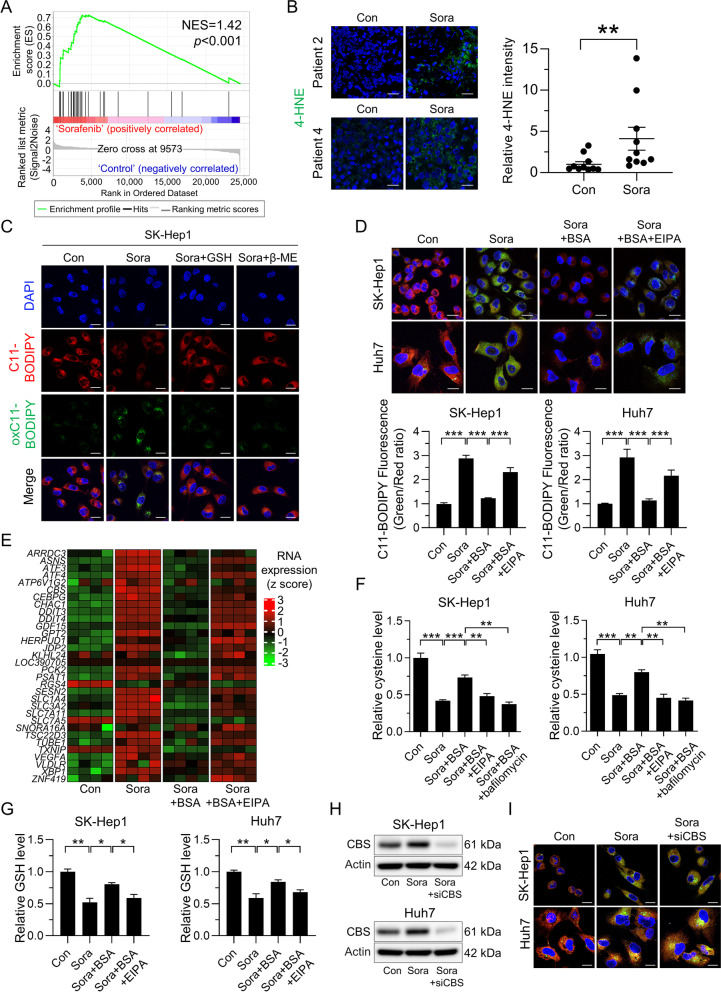
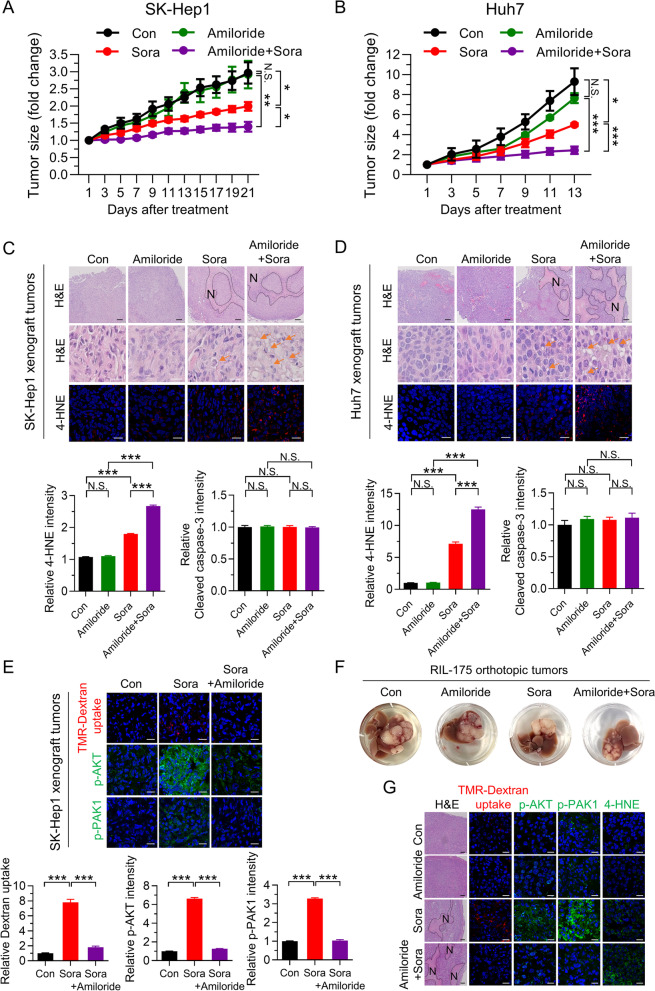
Macropinocytosis, both in HCC cells and HCC tissues, was evaluated by measuring TMR-dextran uptake or lysosomal degradation of DQ-BSA, and ferroptosis was evaluated via C11-BODIPY fluorescence and 4-HNE staining. Sorafenib-induced ferroptosis and macropinocytosis were validated in tumor tissues taken from HCC patients who underwent ultrasound-guided needle biopsy.
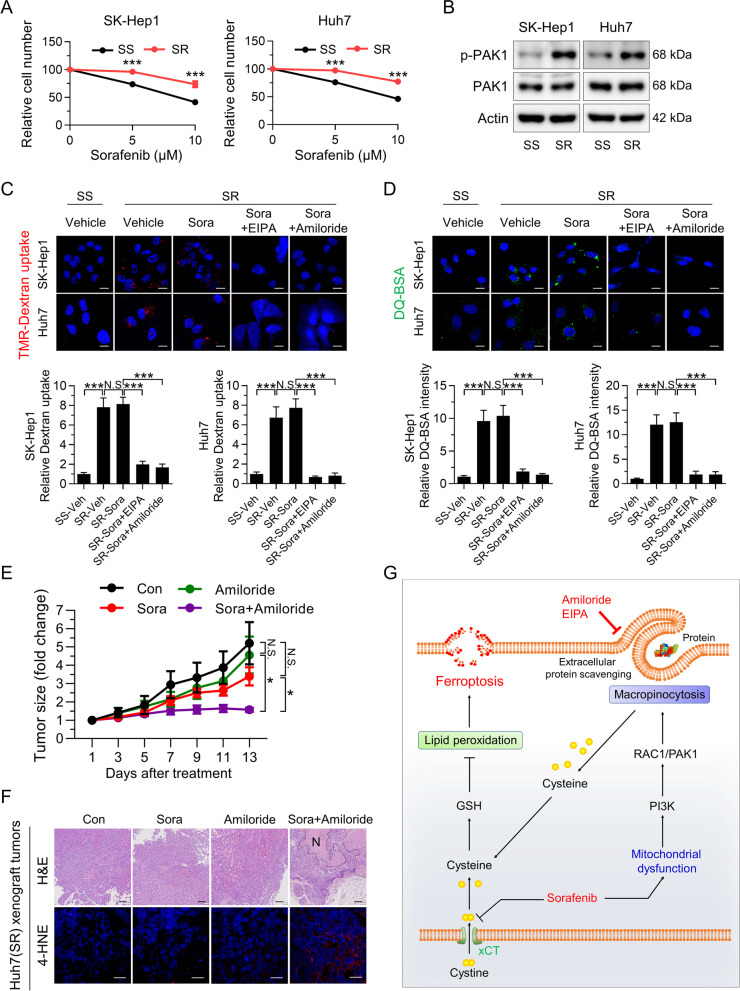
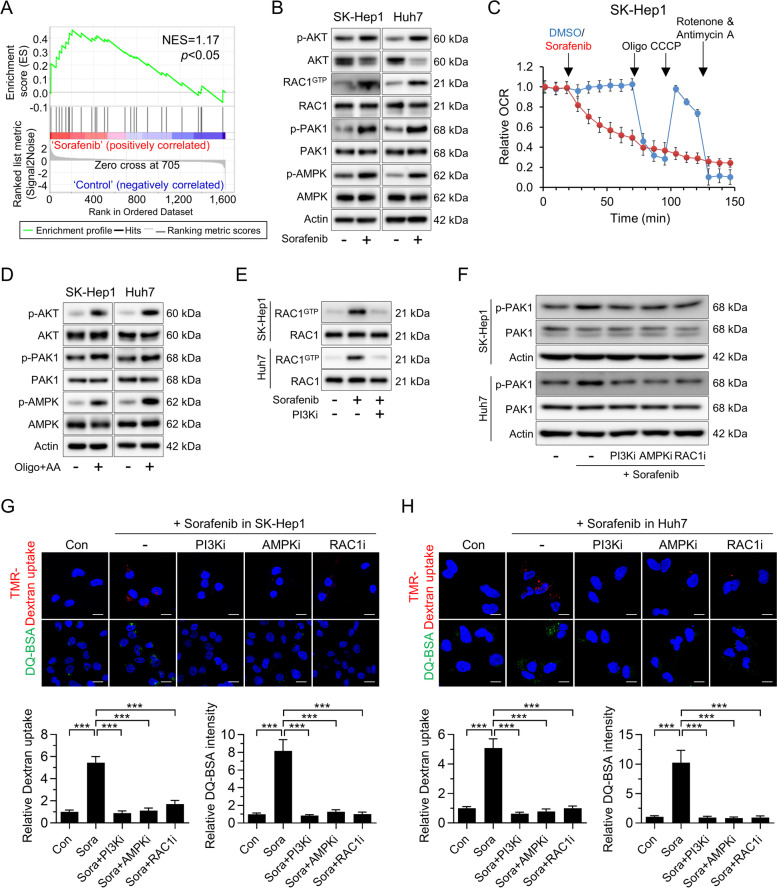
Sorafenib increased macropinocytosis in human HCC specimens and xenografted HCC tissues. Sorafenib-induced mitochondrial dysfunction was responsible for activation of PI3K-RAC1-PAK1 signaling, and amplified macropinocytosis in HCC. Importantly, macropinocytosis prevented sorafenib-induced ferroptosis by replenishing intracellular cysteine that was depleted by sorafenib treatment; this rendered HCC cells resistant to sorafenib. Finally, inhibition of macropinocytosis by amiloride markedly enhanced the anti-tumor effect of sorafenib, and sensitized resistant tumors to sorafenib.
In summary, sorafenib induced macropinocytosis, which conferred drug resistance by mitigating sorafenib-induced ferroptosis. Thus, targeting macropinocytosis is a promising therapeutic strategy to facilitate ferroptosis-based therapy for HCC.
巨胞饮作用是某些癌细胞中一种重要的营养摄取途径,使细胞能够在营养匮乏的条件下补偿细胞内氨基酸的缺乏。在肝细胞癌(HCC)治疗中,由于半胱氨酸耗竭引起的铁死亡在索拉非尼的反应中起着关键作用。然而,尚不清楚巨胞饮作用是否作为索拉非尼治疗的 HCC 细胞中摄取半胱氨酸的替代途径,以及它是否随后减轻索拉非尼诱导的铁死亡。本研究旨在探讨索拉非尼是否驱动巨胞饮作用的诱导,以及巨胞饮作用如何赋予 HCC 细胞对铁死亡的抗性。
通过测量 TMR-dextran 摄取或 DQ-BSA 的溶酶体降解来评估 HCC 细胞和 HCC 组织中的巨胞饮作用,通过 C11-BODIPY 荧光和 4-HNE 染色评估铁死亡。通过对接受超声引导下经皮肝穿刺活检的 HCC 患者的肿瘤组织验证了索拉非尼诱导的铁死亡和巨胞饮作用。
索拉非尼增加了人 HCC 标本和异种移植 HCC 组织中的巨胞饮作用。索拉非尼诱导的线粒体功能障碍负责激活 PI3K-RAC1-PAK1 信号通路,并放大 HCC 中的巨胞饮作用。重要的是,巨胞饮作用通过补充被索拉非尼处理耗尽的细胞内半胱氨酸来防止索拉非尼诱导的铁死亡,从而使 HCC 细胞对索拉非尼产生抗性。最后,通过阿米洛利抑制巨胞饮作用显著增强了索拉非尼的抗肿瘤作用,并使耐药肿瘤对索拉非尼敏感。
总之,索拉非尼诱导了巨胞饮作用,通过减轻索拉非尼诱导的铁死亡来赋予药物抗性。因此,靶向巨胞饮作用是促进基于铁死亡的 HCC 治疗的一种很有前途的治疗策略。