Zhou Changping, Ma Lu, Xu Han, Huo Yingqing, Luo Jincai
Laboratory of Vascular Biology, Institute of Molecular Medicine, College of Future Technology, Beijing Key Laboratory of Cardiometabolic Molecular Medicine, Peking University, Beijing, China.
Cell Res. 2022 Jun;32(6):543-554. doi: 10.1038/s41422-022-00639-5. Epub 2022 Mar 17.
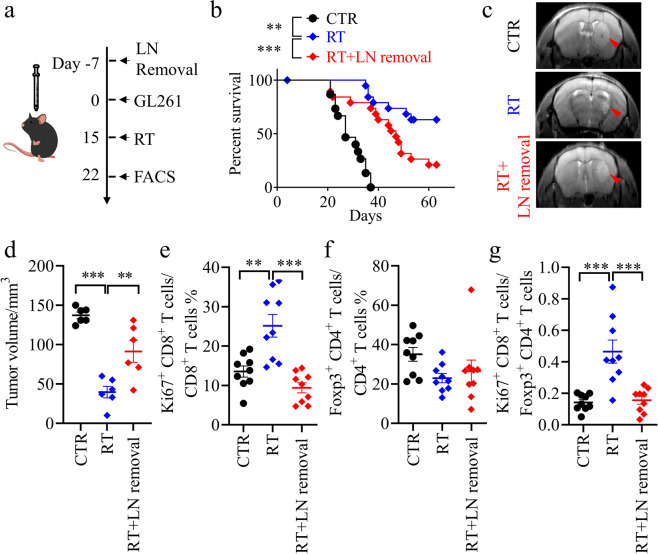
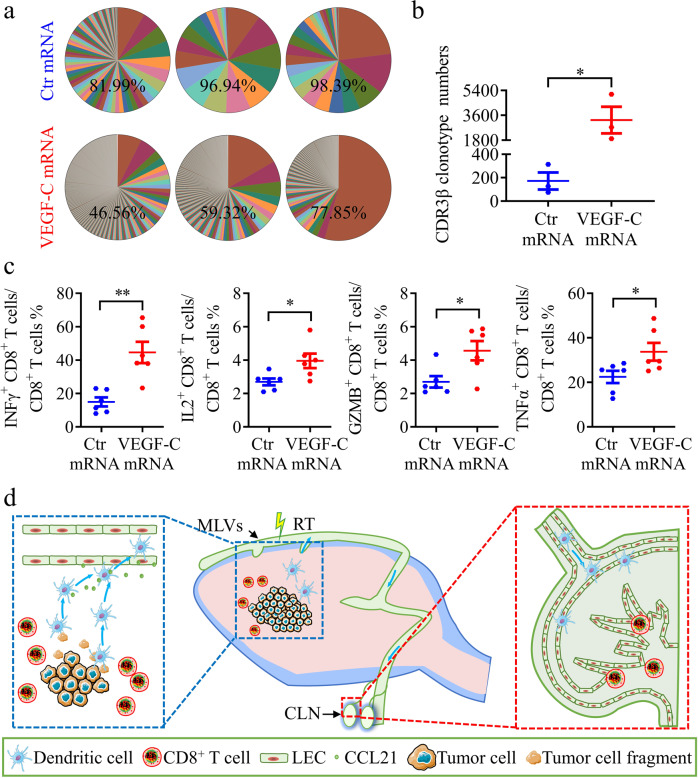
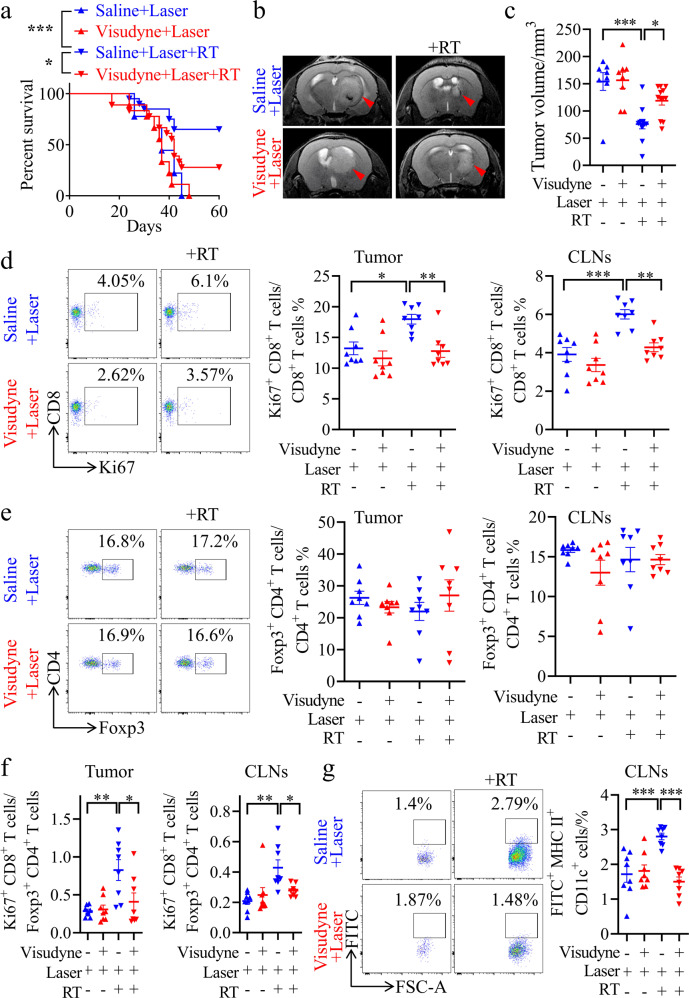
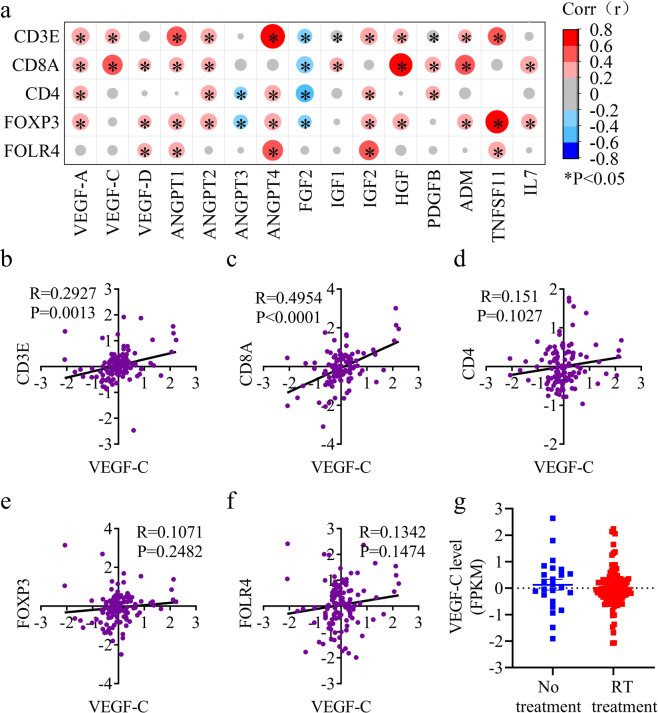
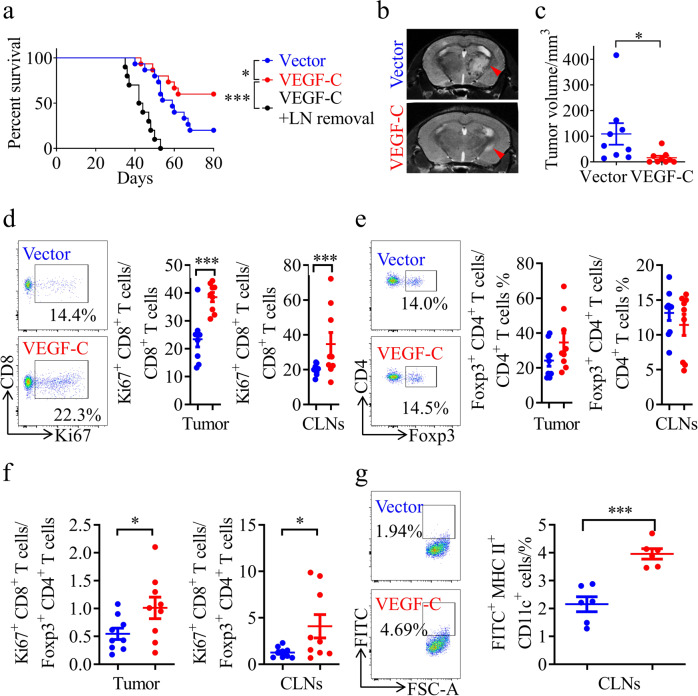
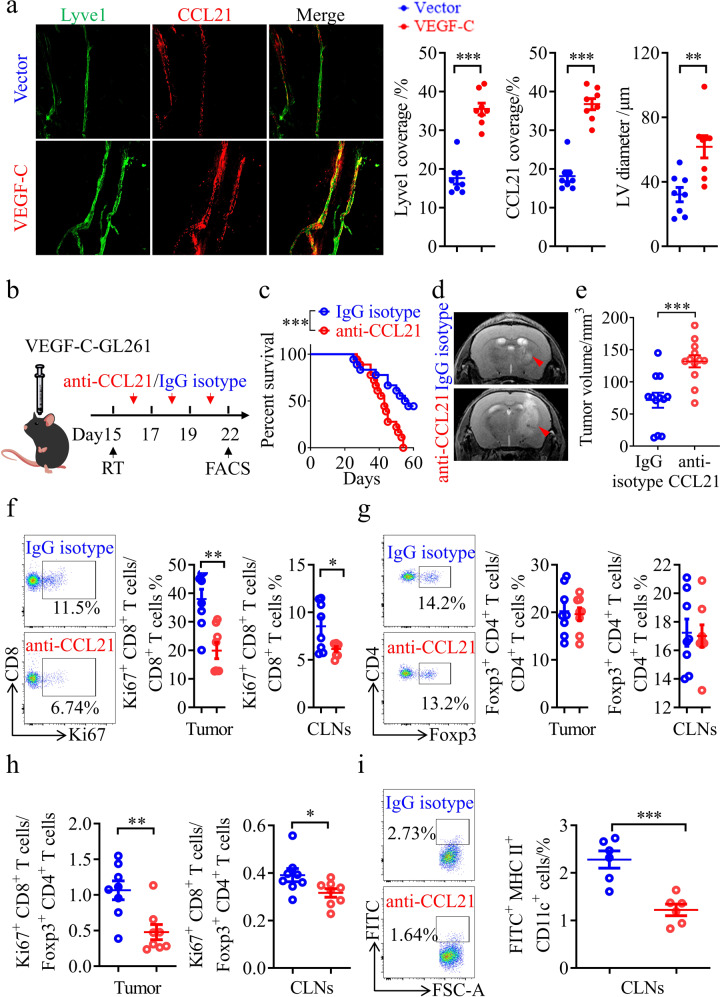
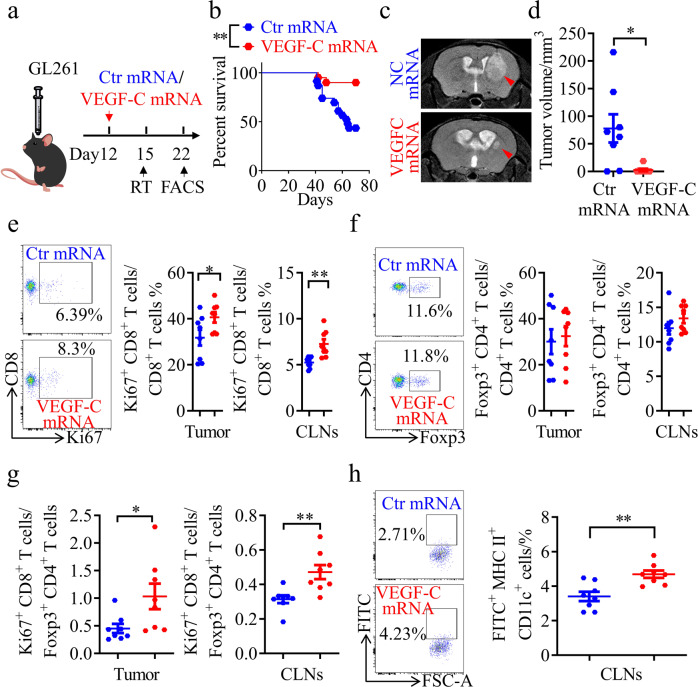
As a first-line treatment, radiotherapy (RT) is known to modulate the immune microenvironment of glioma, but it is unknown whether the meningeal lymphatic vessel (MLV)-cervical lymph node (CLN) network regulates the process or influences RT efficacy. Here, we show that the MLV-CLN network contributes to RT efficacy in brain tumors and mediates the RT-modulated anti-tumor immunity that is enhanced by vascular endothelial growth factor C (VEGF-C). Meningeal lymphatic dysfunction impaired tumor-derived dendritic cell (DC) trafficking and CD8 T cell activation after RT, whereas tumors overexpressing VEGF-C with meningeal lymphatic expansion were highly sensitive to RT. Mechanistically, VEGF-C-driven modulation of RT-triggered anti-tumor immunity was attributed to C-C Motif Chemokine Ligand 21 (CCL21)-dependent DC trafficking and CD8 T cell activation. Notably, delivery of VEGF-C mRNA significantly enhanced RT efficacy and anti-tumor immunity in brain tumors. These findings suggest an essential role of the MLV-CLN network in RT-triggered anti-tumor immunity, and highlight the potential of VEGF-C mRNA for brain tumor therapy.
作为一线治疗方法,放射疗法(RT)已知可调节胶质瘤的免疫微环境,但尚不清楚脑膜淋巴管(MLV)-颈淋巴结(CLN)网络是否调节该过程或影响RT疗效。在此,我们表明MLV-CLN网络有助于脑肿瘤的RT疗效,并介导由血管内皮生长因子C(VEGF-C)增强的RT调节的抗肿瘤免疫。脑膜淋巴功能障碍会损害放疗后肿瘤来源的树突状细胞(DC)运输和CD8 T细胞活化,而过度表达VEGF-C且伴有脑膜淋巴扩张的肿瘤对放疗高度敏感。从机制上讲,VEGF-C驱动的放疗触发的抗肿瘤免疫调节归因于C-C基序趋化因子配体21(CCL21)依赖性DC运输和CD8 T细胞活化。值得注意的是,VEGF-C mRNA的递送显著增强了脑肿瘤的RT疗效和抗肿瘤免疫力。这些发现表明MLV-CLN网络在放疗触发的抗肿瘤免疫中起着至关重要的作用,并突出了VEGF-C mRNA在脑肿瘤治疗中的潜力。