Meissen Heather, Gong Michelle Ng, Wong An-Kwok Ian, Zimmerman Jerry J, Nadkarni Nalini, Kane-Gil Sandra L, Amador-Castaneda Javier, Bailey Heatherlee, Brown Samuel M, DePriest Ashley D, Mary Eche Ifeoma, Narayan Mayur, Provencio Jose Javier, Sederstrom Nneka O, Sevransky Jonathan, Tremper Jordan, Aslakson Rebecca A
Emory Critical Care Center, Emory Healthcare, Atlanta, GA.
Division of Critical Care Medicine, Department of Medicine, Montefiore Health System, Albert Einstein College of Medicine, Bronx, NY.
Crit Care Explor. 2022 Mar 15;4(3):e0659. doi: 10.1097/CCE.0000000000000659. eCollection 2022 Mar.
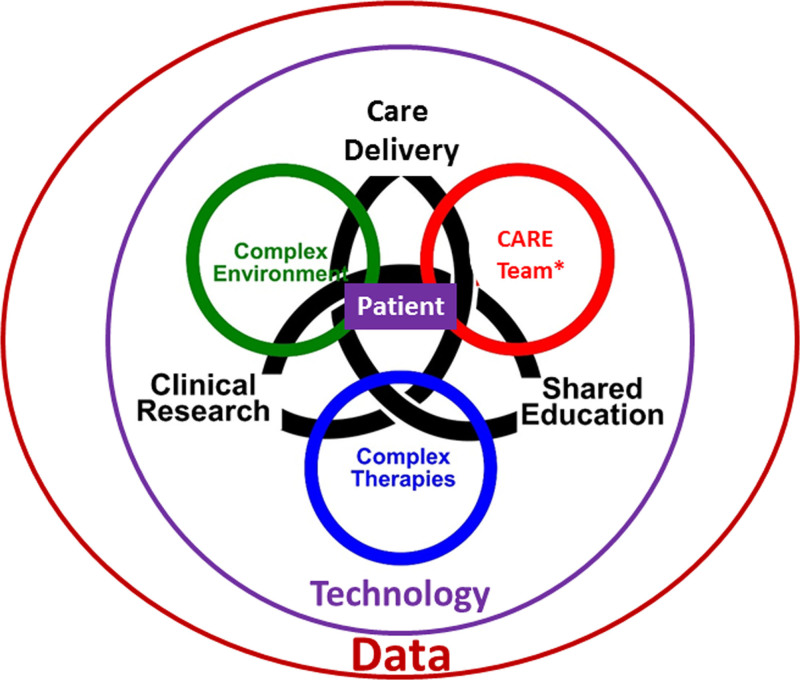
While technological innovations are the invariable crux of speculation about the future of critical care, they cannot replace the clinician at the bedside. This article summarizes the work of the Society of Critical Care Medicine-appointed multiprofessional task for the Future of Critical Care. The Task Force notes that critical care practice will be transformed by novel technologies, integration of artificial intelligence decision support algorithms, and advances in seamless data operationalization across diverse healthcare systems and geographic regions and within federated datasets. Yet, new technologies will be relevant and meaningful only if they improve the very human endeavor of caring for someone who is critically ill.
虽然技术创新始终是对重症监护未来进行推测的关键,但它们无法取代床边的临床医生。本文总结了危重病医学会任命的重症监护未来多专业任务组的工作。该任务组指出,重症监护实践将因新技术、人工智能决策支持算法的整合以及跨不同医疗系统、地理区域和联合数据集中无缝数据操作的进展而发生变革。然而,新技术只有在改善照顾重症患者这一纯粹的人文努力时才会具有相关性和意义。