Chen Zhou, Zhang Shaofeng, Dong Shi, Xu Hao, Zhou Wence
Department of General Surgery, The First Hospital of Lanzhou University, The First Clinical Medical School of Lanzhou University, Lanzhou University, Lanzhou, China.
The First Clinical Medical College, Lanzhou University, Lanzhou, China.
Front Immunol. 2022 Mar 3;13:844401. doi: 10.3389/fimmu.2022.844401. eCollection 2022.
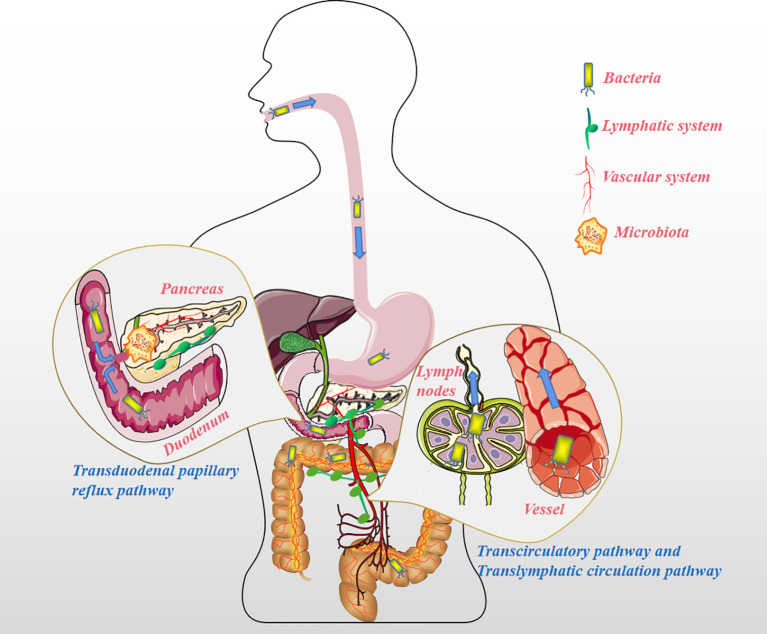
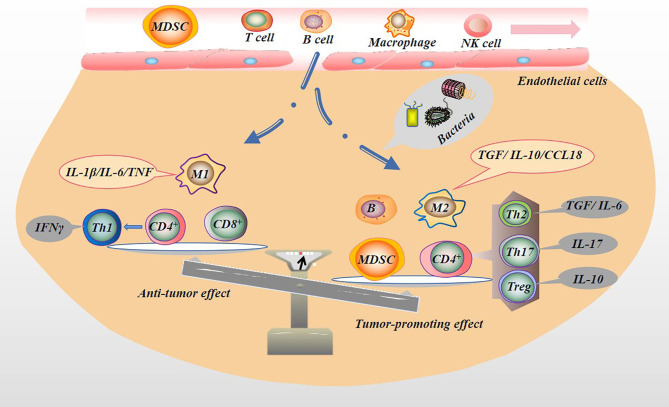
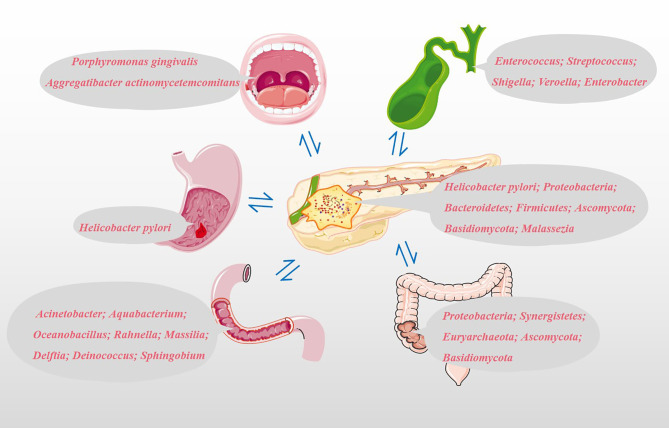
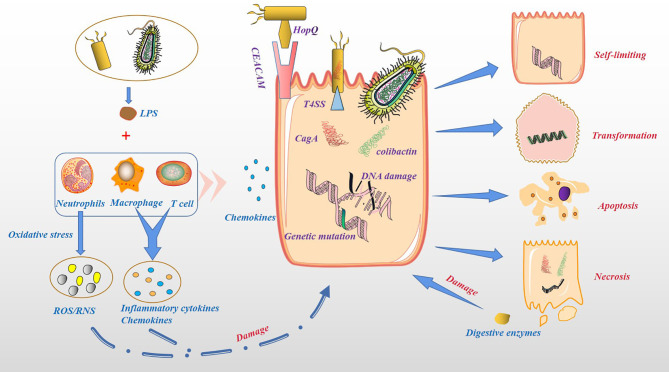
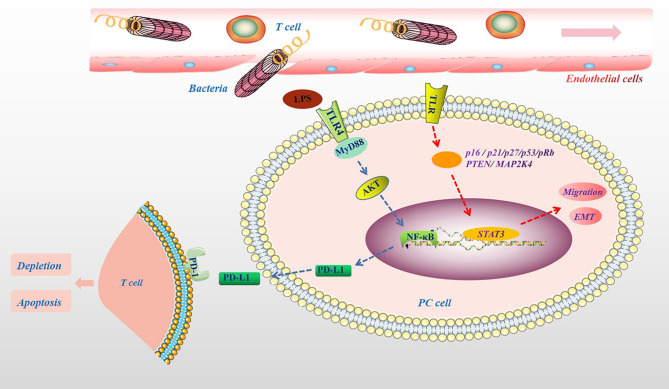
The human body is thoroughly colonized by a wide variety of microorganisms, termed microbiota. Pancreatic cancer, one of the most aggressive forms of cancer, is no exception. The microbiota of pancreatic cancer largely influences and even dominates the occurrence, development and outcome of pancreatic cancer in many ways. Studies have shown that microbiota could change the malignant phenotype and prognosis of pancreatic cancer by stimulating persistent inflammation, regulating the antitumor immune system, changing the tumor microenvironment and affecting cellular metabolism. This is why the association of the microbiota with pancreatic cancer is an emerging area of research that warrants further exploration. Herein, we investigated the potential microbial markers of pancreatic cancer, related research models, the mechanism of action of microbiota in pancreatic cancer, and pancreatic cancer-microbiota-related treatment.
人体被各种各样的微生物彻底定植,这些微生物被称为微生物群。胰腺癌是最具侵袭性的癌症形式之一,也不例外。胰腺癌的微生物群在许多方面对胰腺癌的发生、发展和转归有很大影响,甚至起主导作用。研究表明,微生物群可通过刺激持续性炎症、调节抗肿瘤免疫系统、改变肿瘤微环境和影响细胞代谢来改变胰腺癌的恶性表型和预后。这就是为什么微生物群与胰腺癌的关联是一个新兴的研究领域,值得进一步探索。在此,我们研究了胰腺癌潜在的微生物标志物、相关研究模型、微生物群在胰腺癌中的作用机制以及与胰腺癌-微生物群相关的治疗方法。