Department of Oncology, Renmin Hospital of Wuhan University, Wuhan 430060, China.
School of Mathematics and Statistics, Central China Normal University, Wuhan 430079, China.
Oxid Med Cell Longev. 2022 Mar 11;2022:8297011. doi: 10.1155/2022/8297011. eCollection 2022.
This study is aimed at systematically analyzing the expression, function, and prognostic value of six transmembrane epithelial antigen of the prostate 1 (STEAP1) in various cancers.
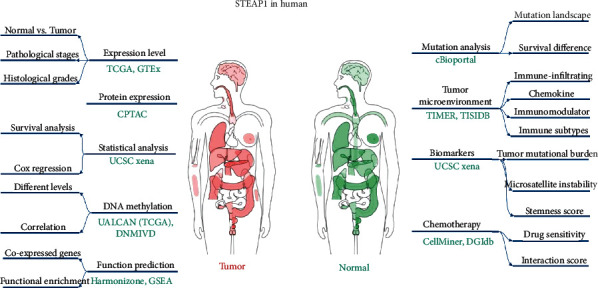
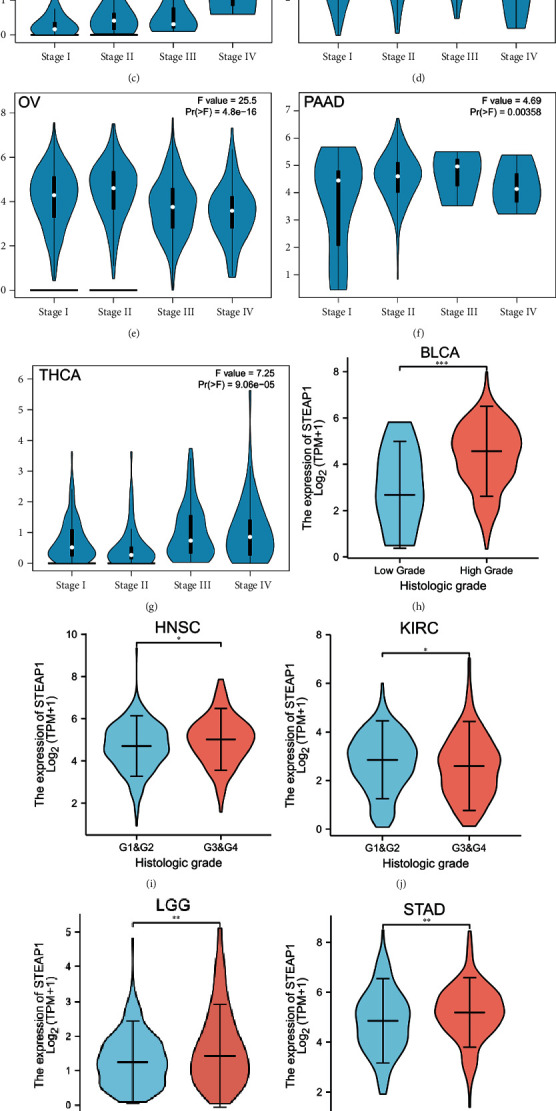
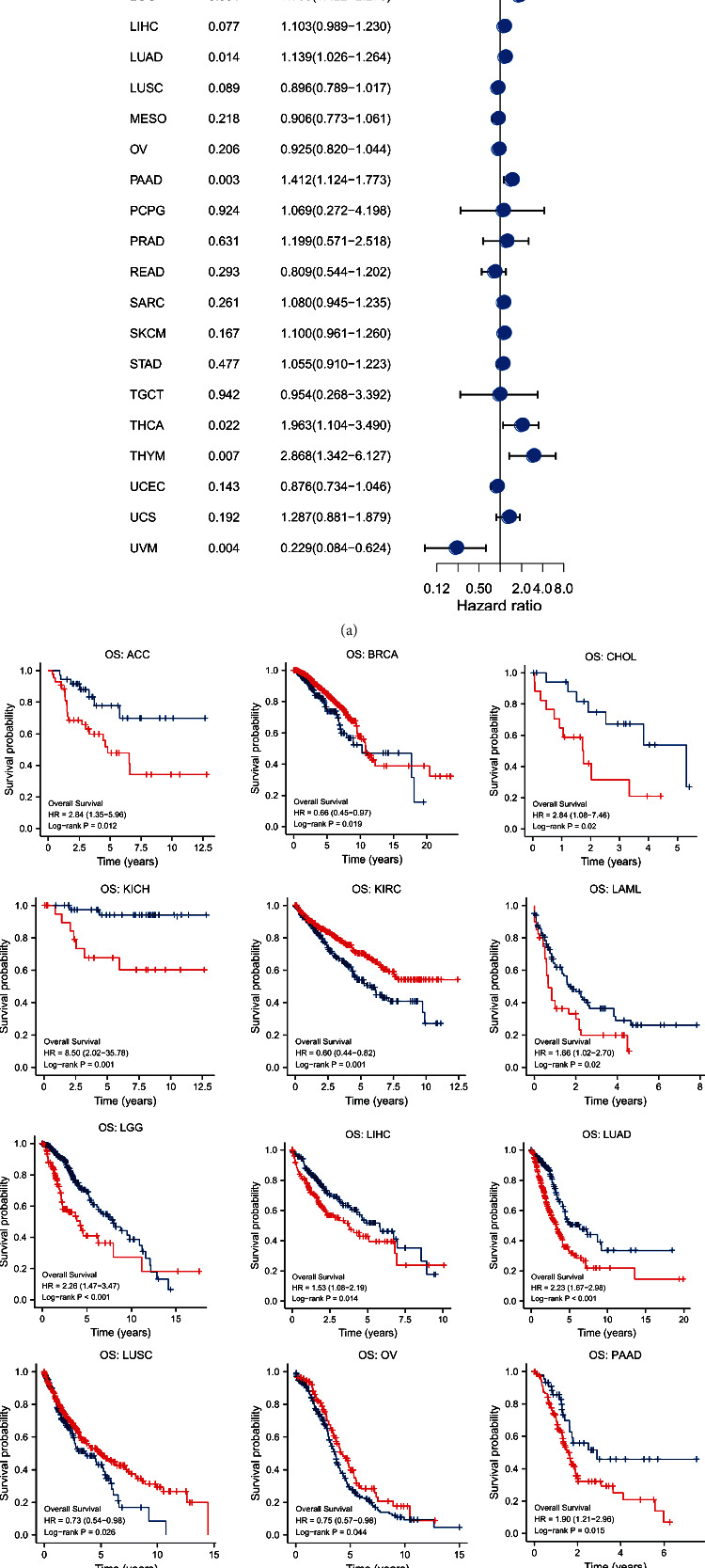
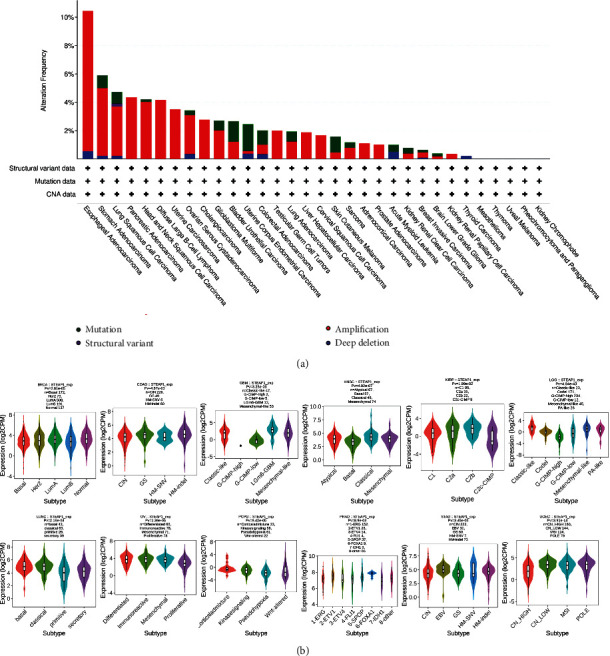
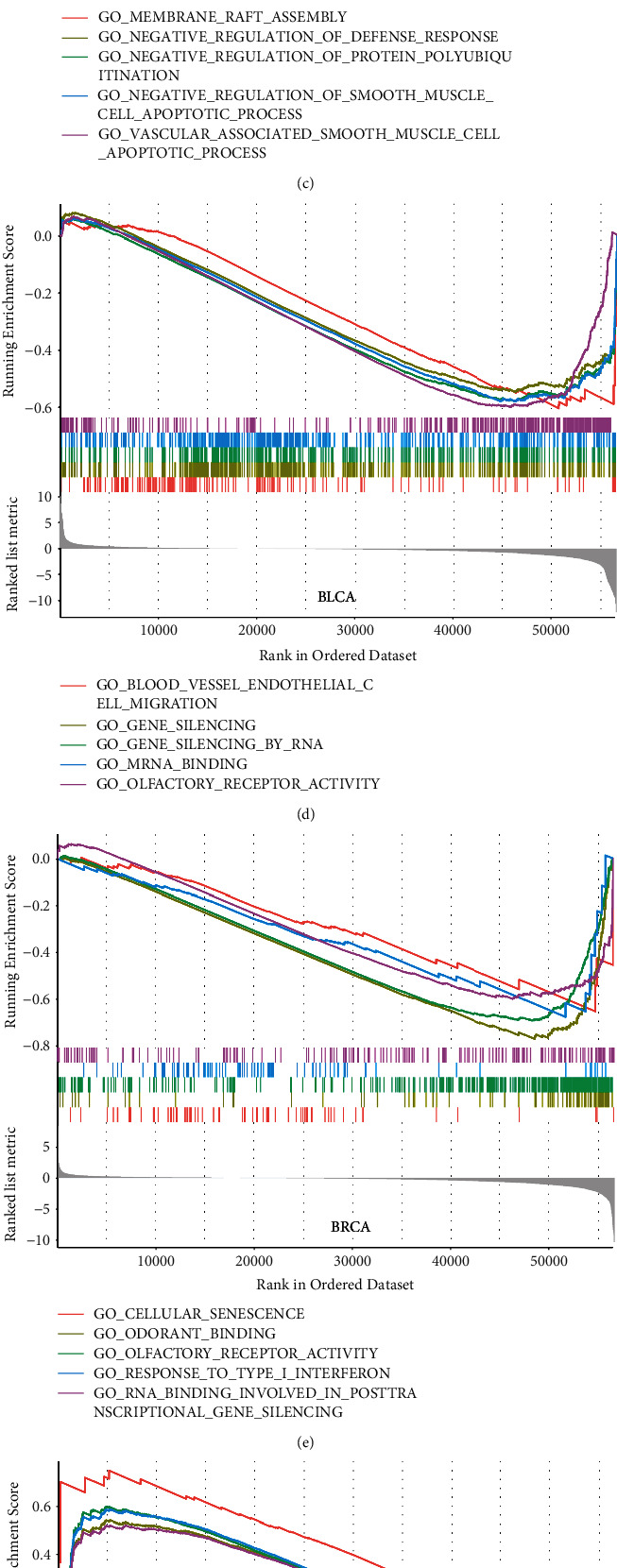
The expressions of STEAP1 between normal and tumor tissues were analyzed using TCGA and GTEx. Clinicopathologic data was collected from GEPIA and TCGA. Prognostic analysis was conducted by Cox proportional hazard regression and Kaplan-Meier survival. DNA methylation, mutation features, and molecular subtypes of cancers were also investigated. The top-100 coexpressed genes with STEAP1 were involved in functional enrichment analysis. ESTIMATE algorithm was used to analyze the correlation between STEAP1 and immunity value. The relationships of STEAP1 and biomarkers including tumor mutational burden (TMB), microsatellite instability (MSI), and stemness score as well as chemosensitivity were also illustrated.
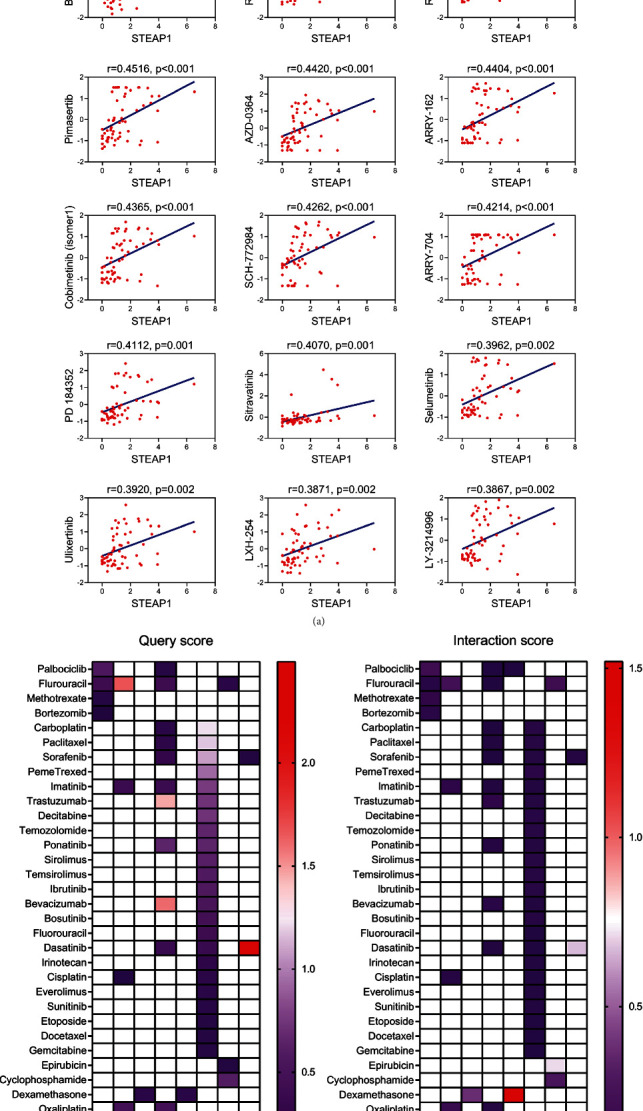
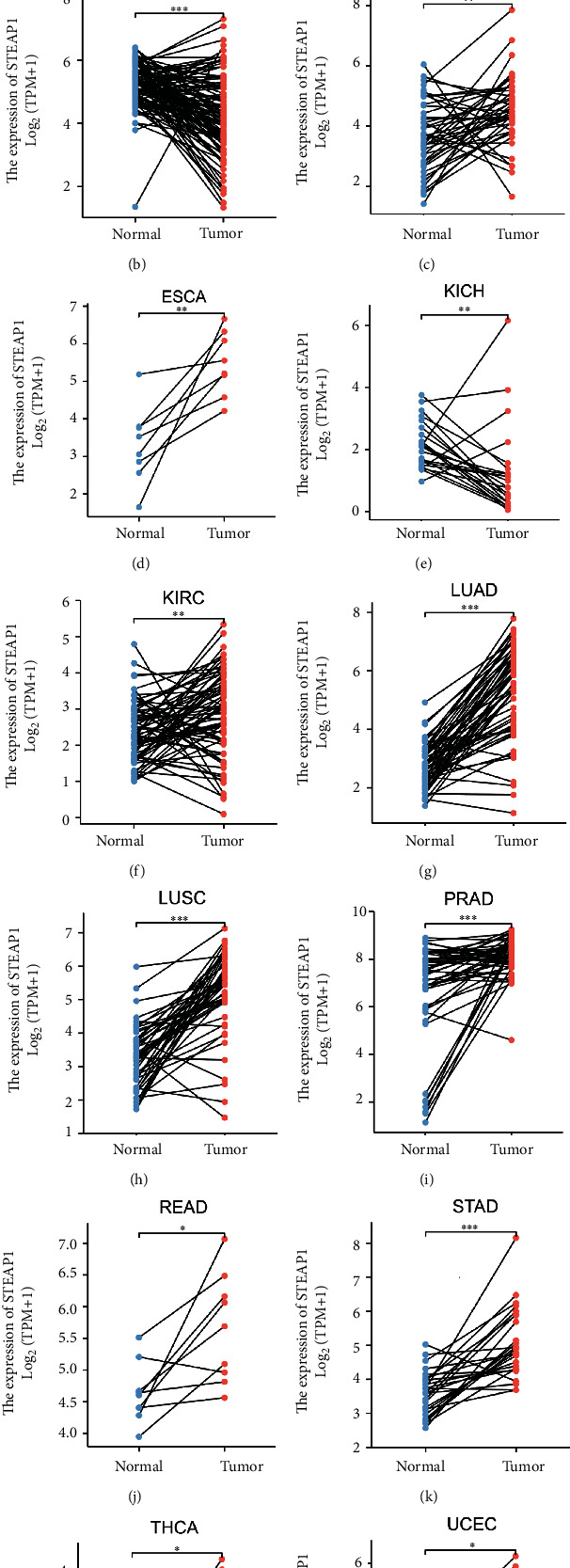
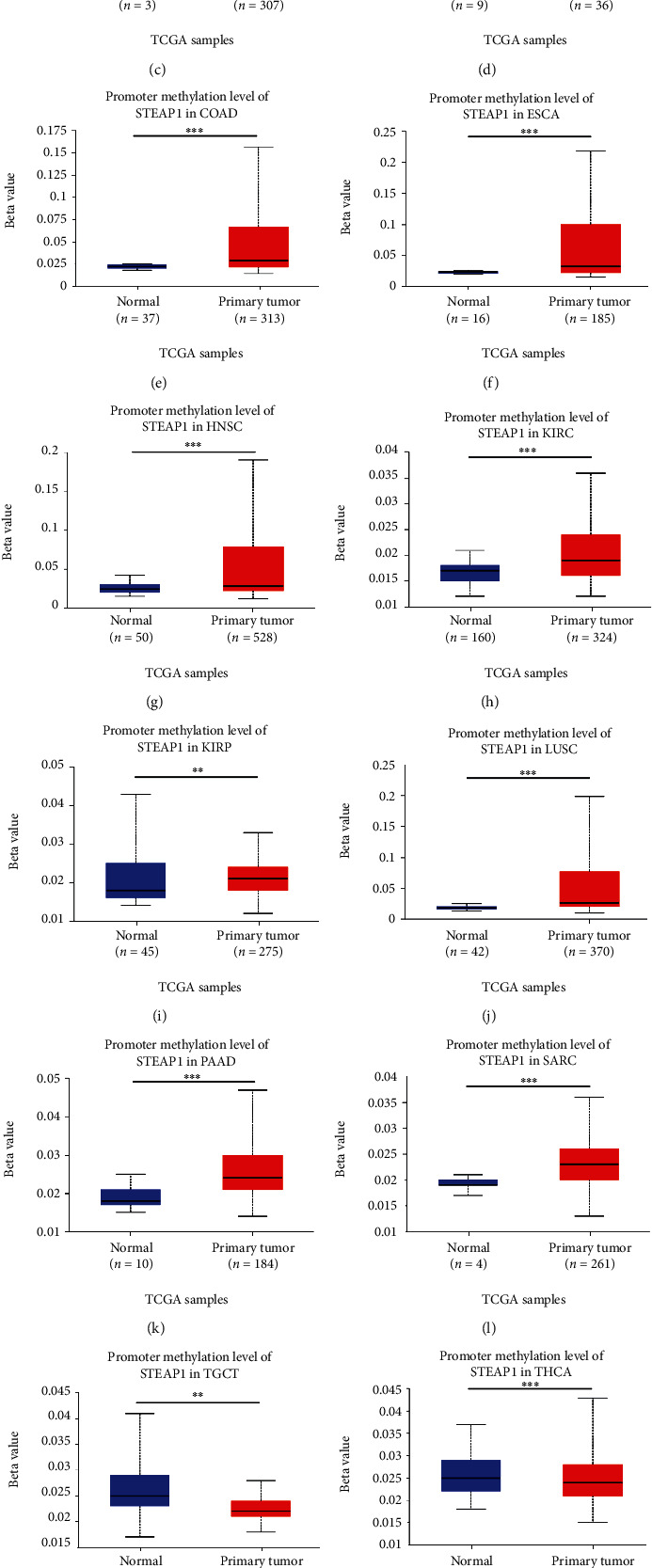
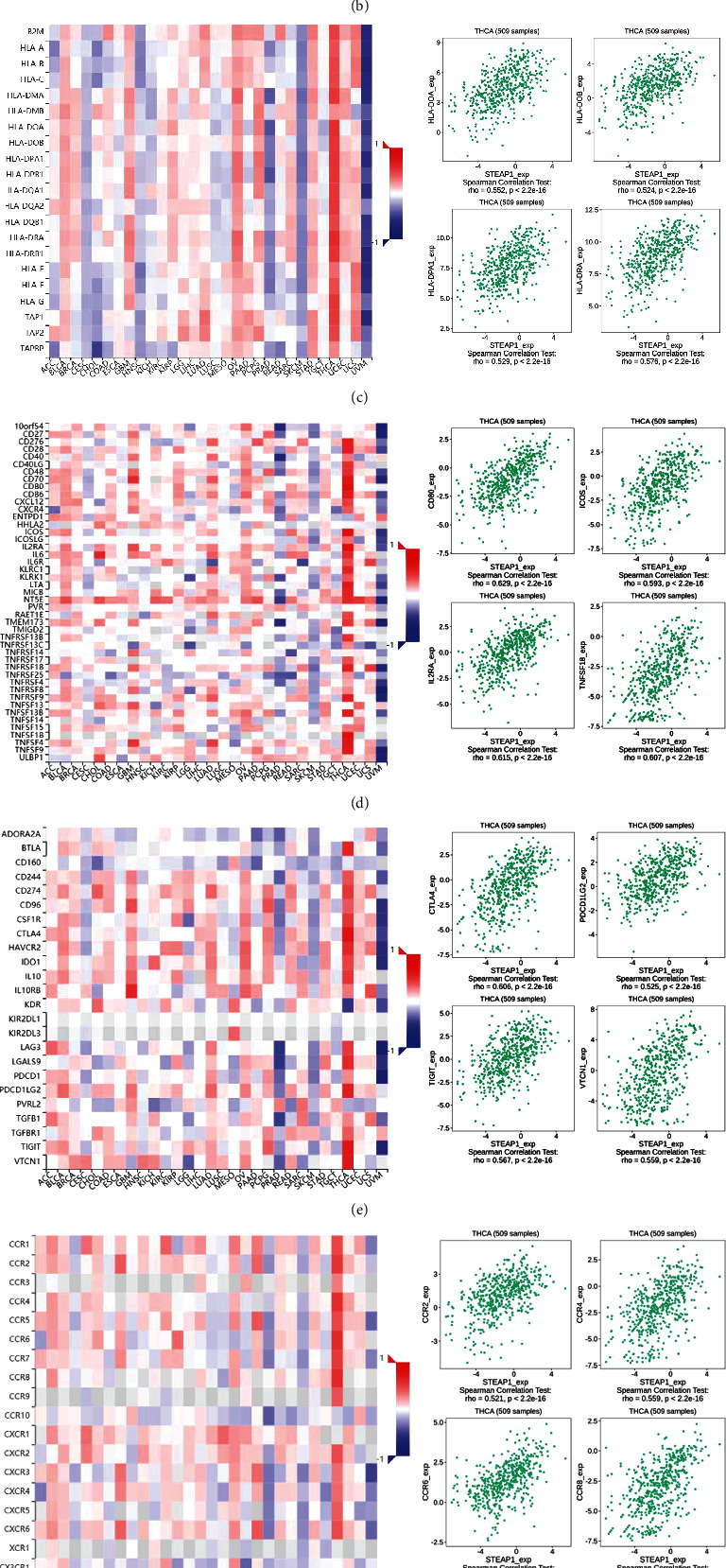
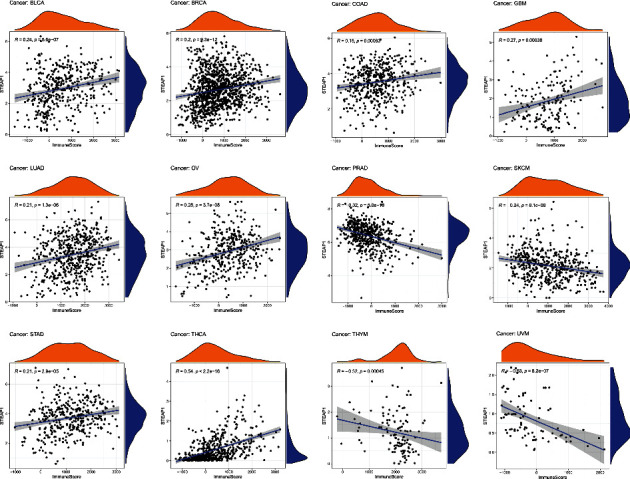
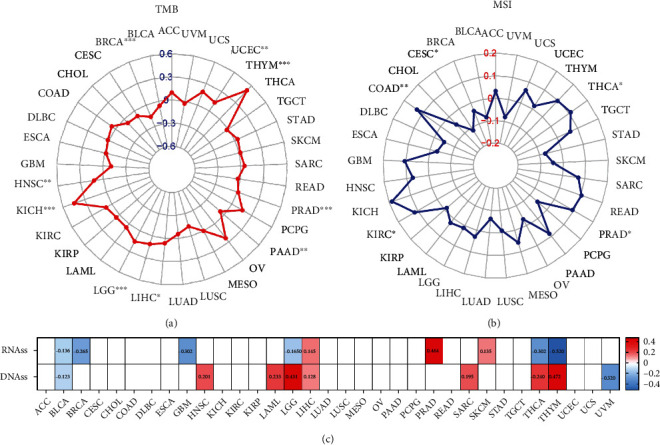
Among 33 cancers, STEAP1 was overexpressed in 19 cancers such as cervical squamous cell carcinoma and endocervical adenocarcinoma (CESC), colon adenocarcinoma, and lymphoid neoplasm diffuse large B cell lymphoma while was downregulated in 5 cancers such as adrenocortical carcinoma, breast invasive carcinoma (BRCA), and kidney chromophobe renal cell carcinoma. STEAP1 has significant prognostic relationships in multiple cancers. 15 cancers exhibited differences of DNA methylation including bladder urothelial carcinoma, BRCA, and CESC. STEAP1 expression was positively correlated to immune molecules especially in thyroid carcinoma and negatively especially in uveal melanoma. STEAP1 was associated with TMB and MSI in certain cancers. In addition, STEAP1 was connected with increased chemosensitivity of drugs such as trametinib and pimasertib.
STEAP1 was an underlying target for prognostic prediction in different cancer types and a potential biomarker of TMB, MSI, tumor microenvironment, and chemosensitivity.
本研究旨在系统分析六跨膜上皮抗原 1(STEAP1)在各种癌症中的表达、功能和预后价值。
利用 TCGA 和 GTEx 分析 STEAP1 在正常组织和肿瘤组织中的表达。从 GEPIA 和 TCGA 收集临床病理数据。采用 Cox 比例风险回归和 Kaplan-Meier 生存分析进行预后分析。还研究了癌症的 DNA 甲基化、突变特征和分子亚型。与 STEAP1 共表达的前 100 个基因参与功能富集分析。ESTIMATE 算法用于分析 STEAP1 与免疫值之间的相关性。还说明了 STEAP1 与肿瘤突变负担(TMB)、微卫星不稳定性(MSI)和干性评分以及化疗敏感性等生物标志物之间的关系。
在 33 种癌症中,19 种癌症(如宫颈鳞状细胞癌和宫颈内膜腺癌(CESC)、结肠腺癌和弥漫性大 B 细胞淋巴瘤)中 STEAP1 表达上调,而在 5 种癌症(如肾上腺皮质癌、乳腺癌浸润性癌和肾嫌色细胞癌)中下调。STEAP1 在多种癌症中具有显著的预后相关性。15 种癌症表现出不同的 DNA 甲基化,包括膀胱癌、乳腺癌和 CESC。STEAP1 的表达与免疫分子呈正相关,尤其是在甲状腺癌中,与负相关,尤其是在葡萄膜黑色素瘤中。STEAP1 与某些癌症中的 TMB 和 MSI 相关。此外,STEAP1 与药物如 trametinib 和 pimasertib 的化疗敏感性增加有关。
STEAP1 是不同癌症类型预后预测的潜在靶点,也是 TMB、MSI、肿瘤微环境和化疗敏感性的潜在生物标志物。