Laboratory of Precision Preventive Medicine, Medical School, Jiujiang University, Jiujiang, Jiangxi 332000, PR China.
Jiangxi Provincial Key Laboratory of Preventive Medicine, Nanchang University, Nanchang 330006, PR China.
Aging (Albany NY). 2022 Mar 23;14(6):2775-2792. doi: 10.18632/aging.203974.
Lung cancer is a heterogeneous disease with a severe disease burden. Because the prognosis of patients with lung cancer varies, it is critical to identify effective biomarkers for prognosis prediction.
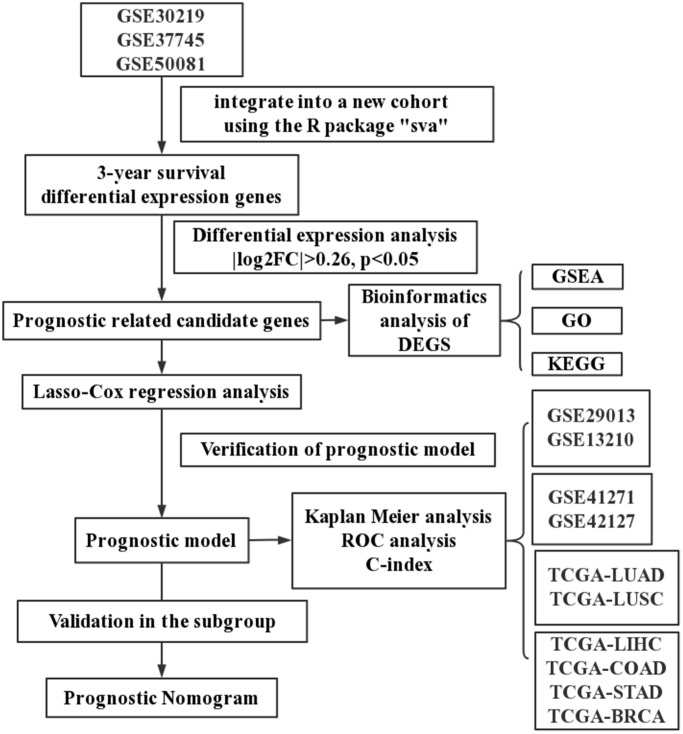
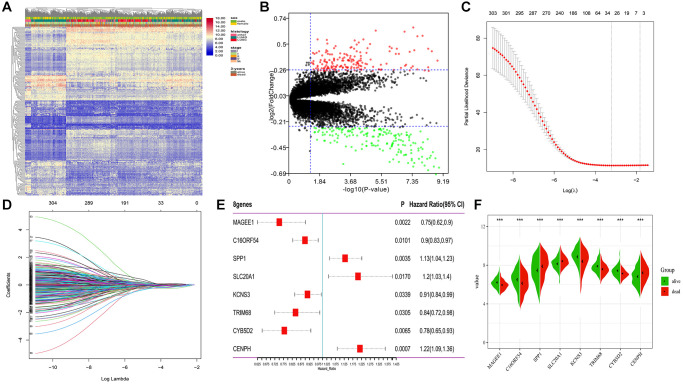
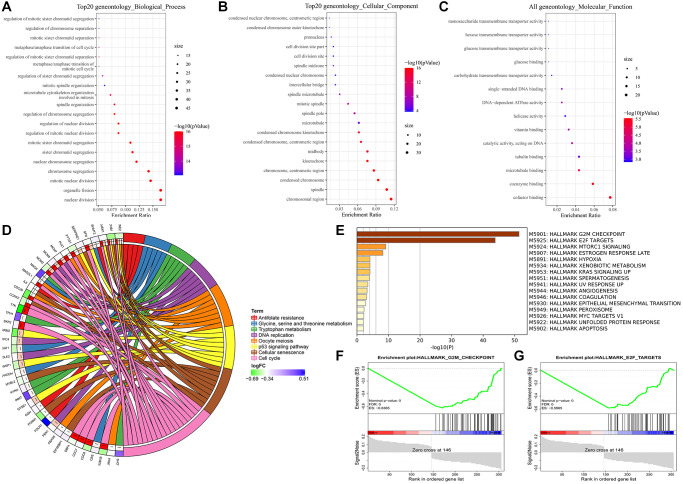
A total of 2325 lung cancer patients were integrated into four independent sets (training set, validation set I, II and III) after removing batch effects in our study. We applied the microarray data algorithm to screen the differentially expressed genes in the training set. The most robust markers for prognosis were identified using the LASSO-Cox regression model, which was then used to create a Cox model and nomogram.
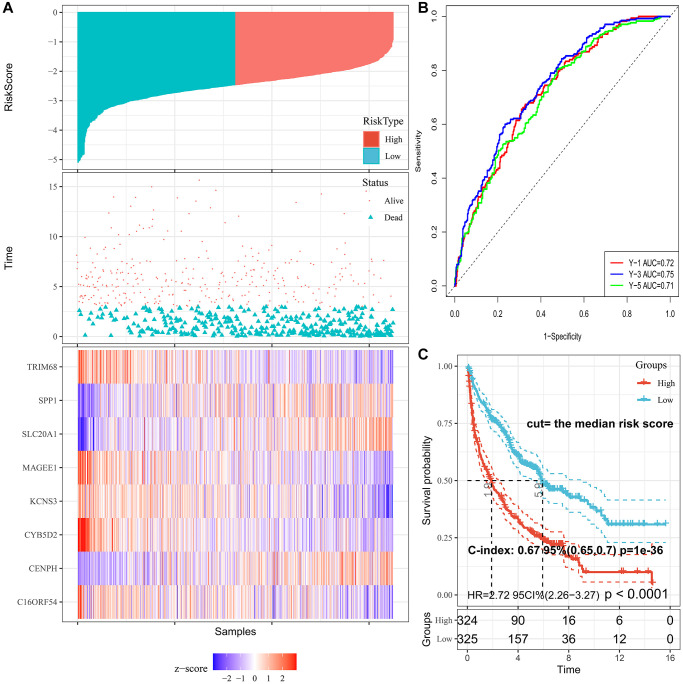
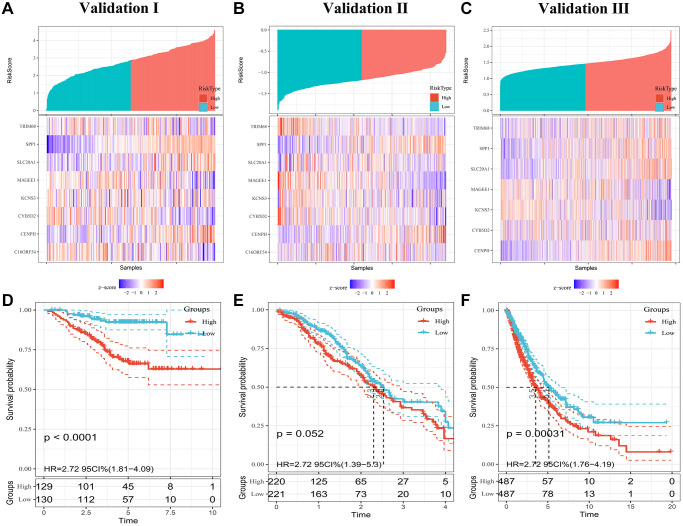
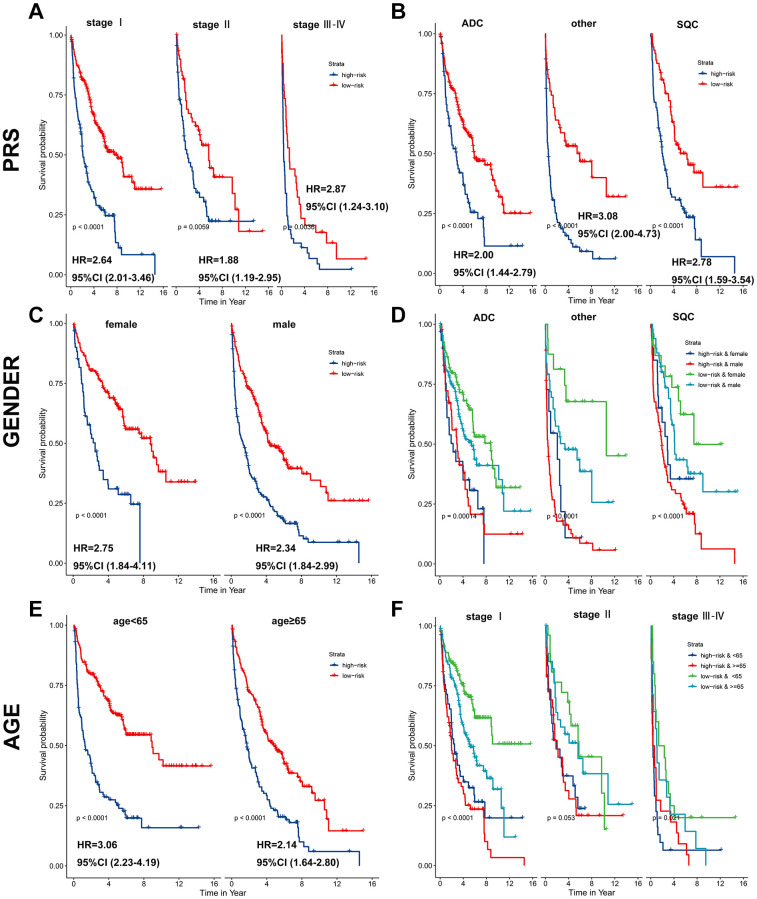
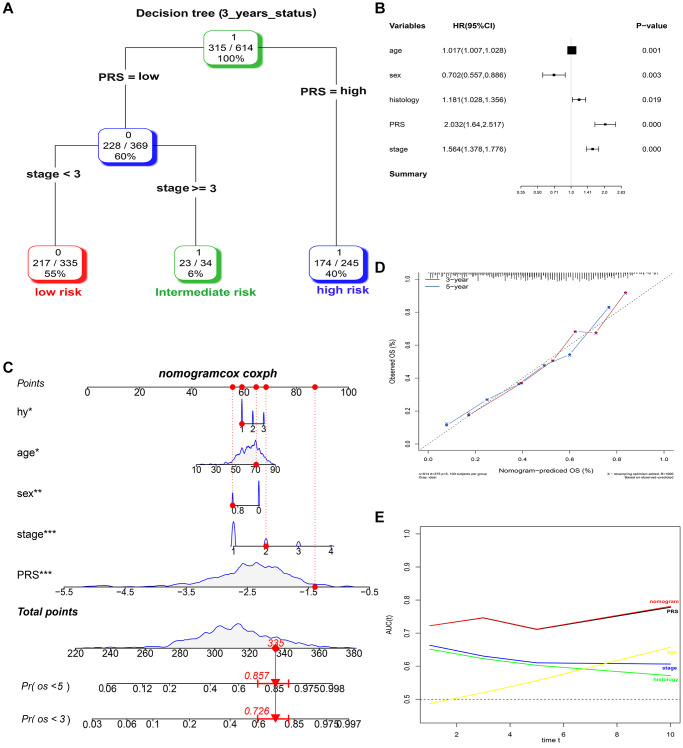
Through LASSO and multivariate Cox regression analysis, eight genes were identified as prognosis-associated hub genes, followed by the creation of prognosis-associated risk scores (PRS). The results of the Kaplan-Meier analysis in the three validation sets demonstrate the good predictive performance of PRS, with hazard ratios of 2.38 (95% confidence interval (CI), 1.61-3.53) in the validation set I, 1.35 (95% CI, 1.06-1.71) in the validation set II, and 2.71 (95% CI, 1.77-4.18) in the validation set III. Additionally, the PRS demonstrated superior survival prediction in subgroups by age, gender, p-stage, and histologic type ( < 0.0001). The complex model integrating PRS and clinical risk factors also have a good predictive performance for 3-year overall survival.
In this study, we developed a PRS signature to help predict the survival of lung cancer. By combining it with clinical risk factors, a nomogram was established to quantify the individual risk assessments.
肺癌是一种异质性疾病,疾病负担严重。由于肺癌患者的预后存在差异,因此识别有效的预后预测生物标志物至关重要。
在本研究中,通过去除批次效应,将 2325 名肺癌患者整合到四个独立的集合(训练集、验证集 I、验证集 II 和验证集 III)中。我们应用微阵列数据算法筛选训练集中的差异表达基因。使用 LASSO-Cox 回归模型确定预后最稳健的标志物,然后使用该模型创建 Cox 模型和列线图。
通过 LASSO 和多变量 Cox 回归分析,确定了 8 个与预后相关的基因作为预后相关的枢纽基因,随后创建了预后相关的风险评分(PRS)。在三个验证集中的 Kaplan-Meier 分析结果表明,PRS 具有良好的预测性能,验证集 I 的风险比为 2.38(95%置信区间(CI),1.61-3.53),验证集 II 的风险比为 1.35(95%CI,1.06-1.71),验证集 III 的风险比为 2.71(95%CI,1.77-4.18)。此外,PRS 在年龄、性别、p 期和组织学类型亚组中具有优越的生存预测能力(<0.0001)。整合 PRS 和临床风险因素的复杂模型也对 3 年总生存率具有良好的预测性能。
本研究开发了一种 PRS 特征,用于帮助预测肺癌的生存情况。通过将其与临床风险因素相结合,建立了一个列线图来量化个体风险评估。