Department of Mechanical Engineering, McGill University, Montreal, QC H3A 0C3, Canada.
Advanced Material Removal Processes, Aerospace Manufacturing Technologies Center (AMTC), National Research Council Canada, Ottawa, ON K1A 0R6, Canada.
Sensors (Basel). 2022 Mar 12;22(6):2206. doi: 10.3390/s22062206.
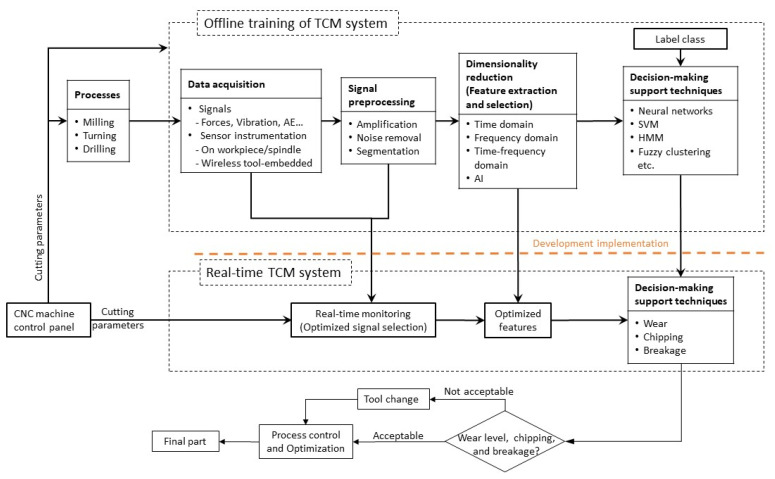
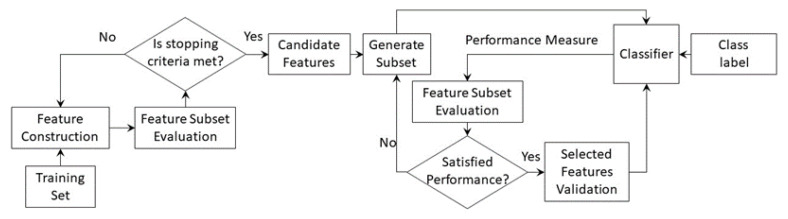
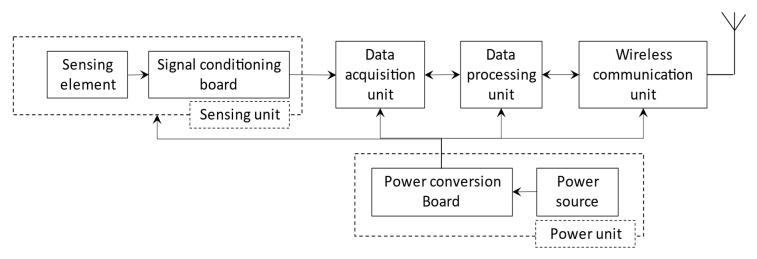
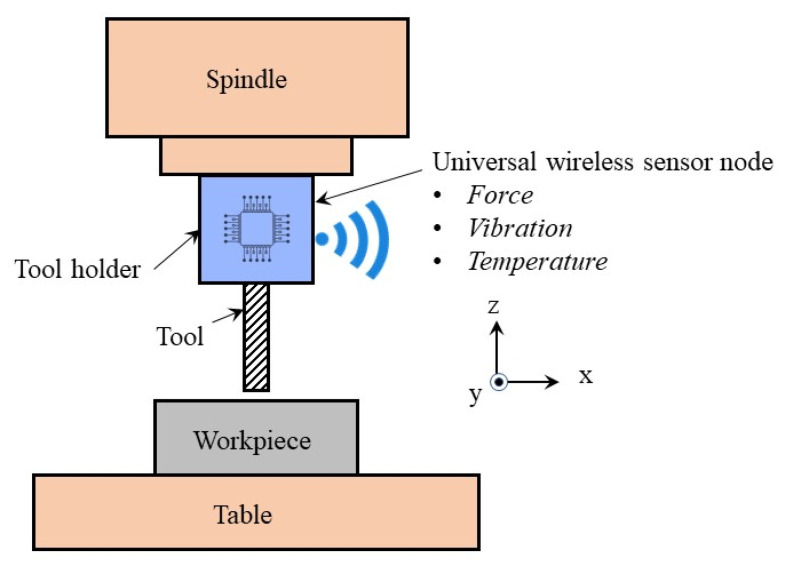
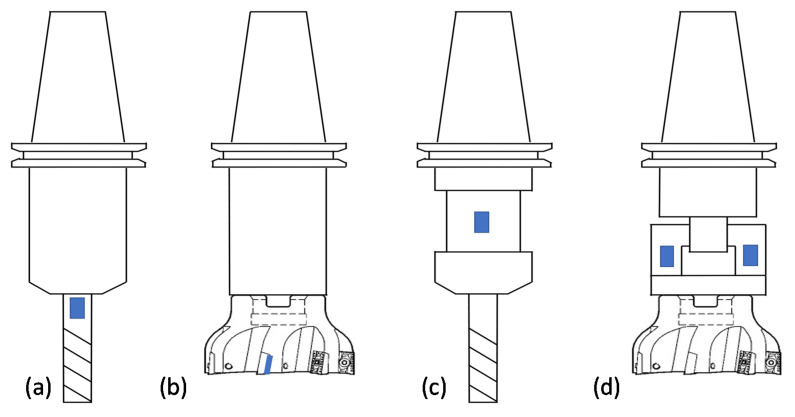
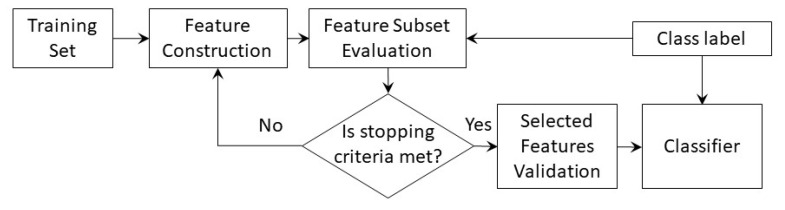
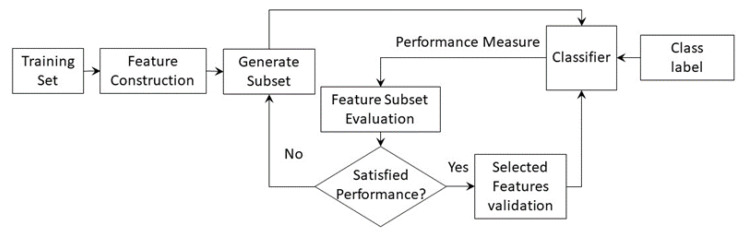
In the era of the "Industry 4.0" revolution, self-adjusting and unmanned machining systems have gained considerable interest in high-value manufacturing industries to cope with the growing demand for high productivity, standardized part quality, and reduced cost. Tool condition monitoring (TCM) systems pave the way for automated machining through monitoring the state of the cutting tool, including the occurrences of wear, cracks, chipping, and breakage, with the aim of improving the efficiency and economics of the machining process. This article reviews the state-of-the-art TCM system components, namely, means of sensing, data acquisition, signal conditioning and processing, and monitoring models, found in the recent open literature. Special attention is given to analyzing the advantages and limitations of current practices in developing wireless tool-embedded sensor nodes, which enable seamless implementation and Industrial Internet of Things (IIOT) readiness of TCM systems. Additionally, a comprehensive review of the selection of dimensionality reduction techniques is provided due to the lack of clear recommendations and shortcomings of various techniques developed in the literature. Recent attempts for TCM systems' generalization and enhancement are discussed, along with recommendations for possible future research avenues to improve TCM systems accuracy, reliability, functionality, and integration.
在“工业 4.0”革命时代,自调整和无人加工系统在高价值制造行业引起了相当大的兴趣,以应对不断增长的高生产力、标准化零件质量和降低成本的需求。刀具状态监测 (TCM) 系统通过监测刀具状态,包括磨损、裂纹、崩刃和断裂等情况,为自动化加工铺平了道路,旨在提高加工过程的效率和经济性。本文综述了最近开放文献中 TCM 系统组件的最新技术,即传感手段、数据采集、信号调理和处理以及监测模型。特别关注分析当前开发无线嵌入式刀具传感器节点的实践中的优势和局限性,这些节点使 TCM 系统能够无缝实施和实现工业物联网 (IIoT)。此外,由于文献中开发的各种技术缺乏明确的建议和缺点,因此对降维技术的选择进行了全面回顾。讨论了 TCM 系统的概括和增强的最新尝试,并为提高 TCM 系统的准确性、可靠性、功能和集成提出了可能的未来研究方向的建议。