Yoo Shin Hyuk, Kim Hae-Won, Lee Jun Hee
Department of Otorhinolaryngology, Dankook University College of Medicine, Cheonan, Republic of Korea.
Institute of Tissue Regeneration Engineering (ITREN), Dankook University, Cheonan, Republic of Korea.
J Tissue Eng. 2022 Mar 23;13:20417314221083414. doi: 10.1177/20417314221083414. eCollection 2022 Jan-Dec.
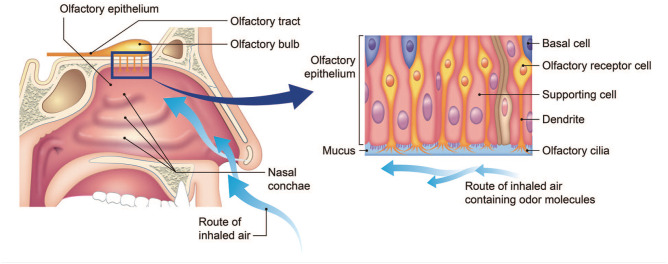
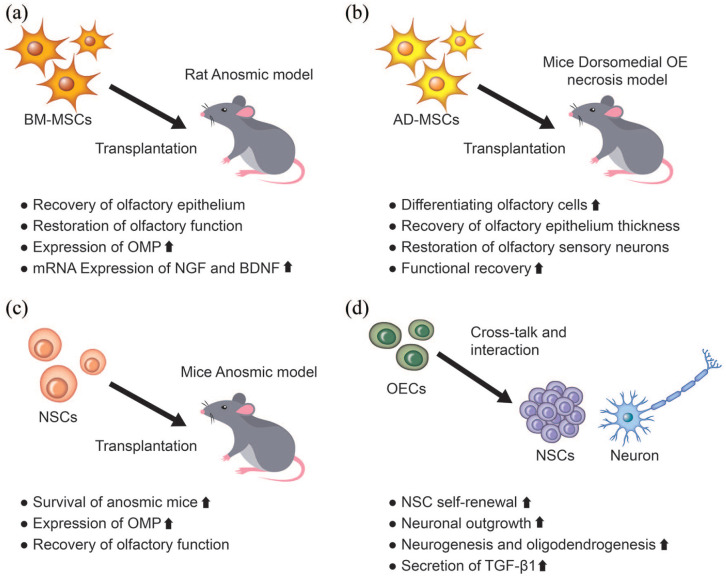
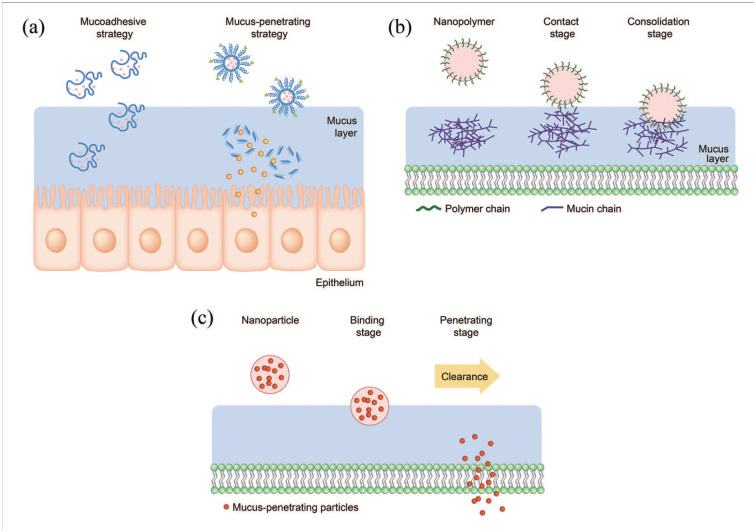
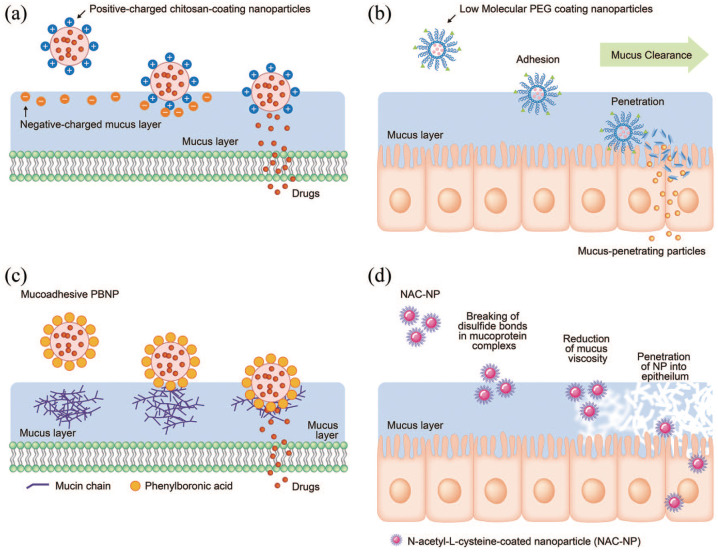
Dysfunction in the olfactory system of a person can have adverse effects on their health and quality of life. It can even increase mortality among individuals. Olfactory dysfunction is related to many factors, including post-viral upper respiratory infection, head trauma, and neurodegenerative disorders. Although some clinical therapies such as steroids and olfactory training are already available, their effectiveness is limited and controversial. Recent research in the field of therapeutic nanoparticles and stem cells has shown the regeneration of dysfunctional olfactory systems. Thus, we are motivated to highlight these regenerative approaches. For this, we first introduce the anatomical characteristics of the olfactory pathway, then detail various pathological factors related to olfactory dysfunctions and current treatments, and then finally discuss the recent regenerative endeavors, with particular focus on nanoparticle-based drug delivery systems and stem cells. This review offers insights into the development of future therapeutic approaches to restore and regenerate dysfunctional olfactory systems.
人的嗅觉系统功能障碍会对其健康和生活质量产生不利影响。它甚至会增加个体的死亡率。嗅觉功能障碍与许多因素有关,包括病毒感染后的上呼吸道感染、头部外伤和神经退行性疾病。尽管已经有一些临床疗法,如类固醇和嗅觉训练,但它们的有效性有限且存在争议。治疗性纳米颗粒和干细胞领域的最新研究表明功能失调的嗅觉系统可以再生。因此,我们有动力去突出这些再生方法。为此,我们首先介绍嗅觉通路的解剖学特征,然后详细阐述与嗅觉功能障碍相关的各种病理因素和当前的治疗方法,最后讨论最近的再生研究,特别关注基于纳米颗粒的药物递送系统和干细胞。这篇综述为未来恢复和再生功能失调的嗅觉系统的治疗方法的发展提供了见解。