Department of Biomedical Engineering, Columbia University, New York, NY, 10027, USA.
Current address: Meta Platforms, Inc., Menlo Park, CA, USA.
Alzheimers Res Ther. 2022 Mar 29;14(1):45. doi: 10.1186/s13195-022-00985-x.
The three core pathologies of Alzheimer's disease (AD) are amyloid pathology, tau pathology, and neurodegeneration. Biomarkers exist for each. Neurodegeneration is often detected by neuroimaging, and we hypothesized that a voxel-based deep learning approach using structural MRI might outperform other neuroimaging methods.
First, we implement an MRI-based deep learning model, trained with a data augmentation strategy, which classifies Alzheimer's dementia and generates class activation maps. Next, we tested the model in prodromal AD and compared its performance to other biomarkers of amyloid pathology, tau pathology, and neuroimaging biomarkers of neurodegeneration.
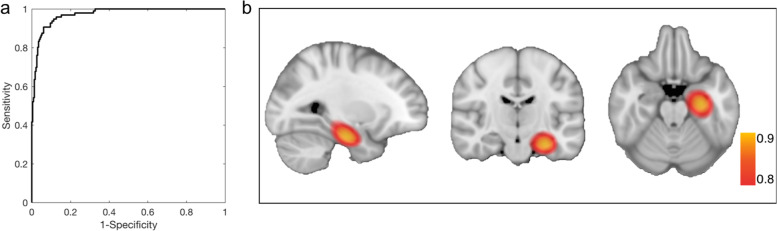
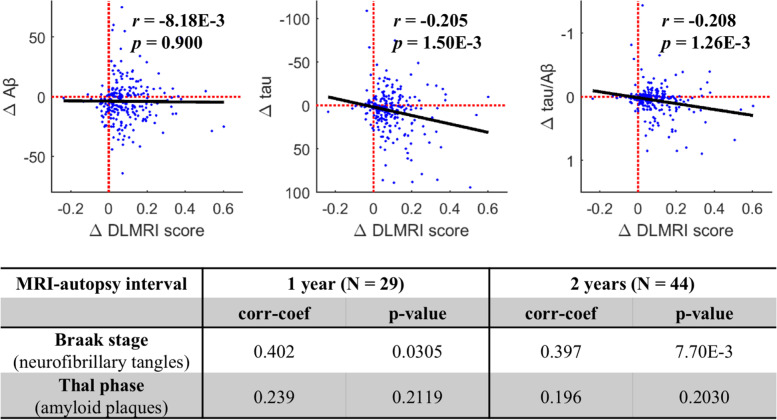
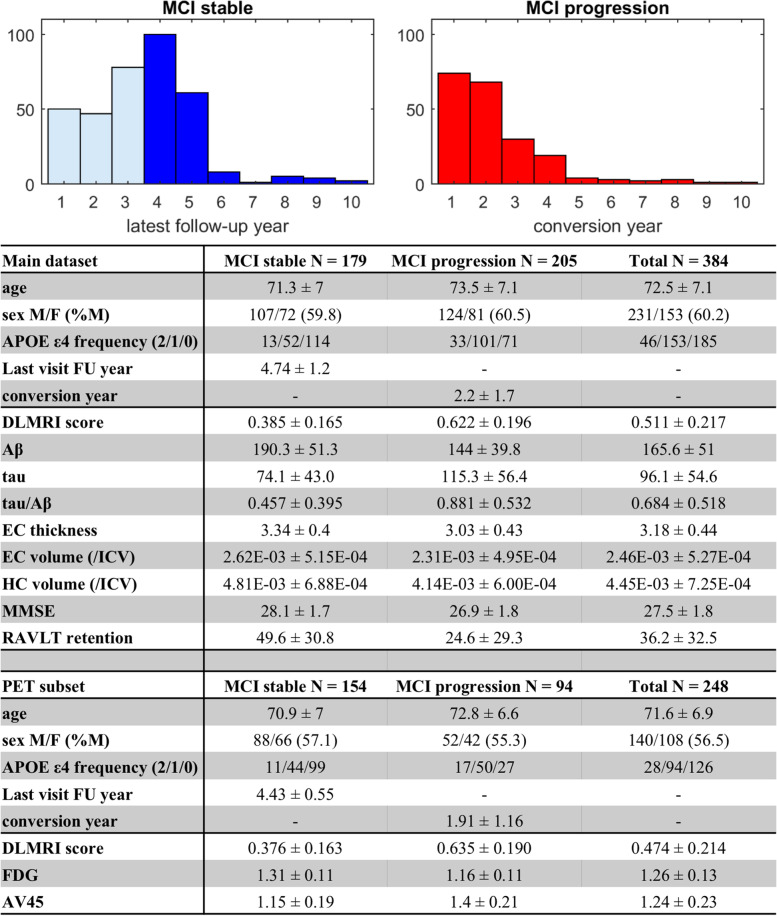
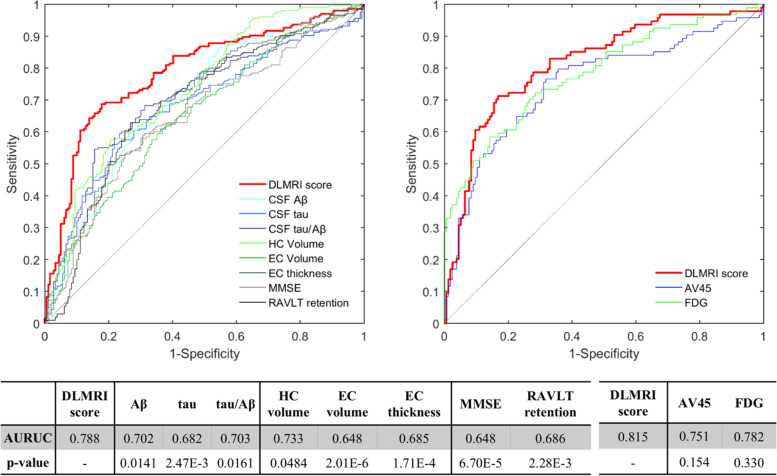
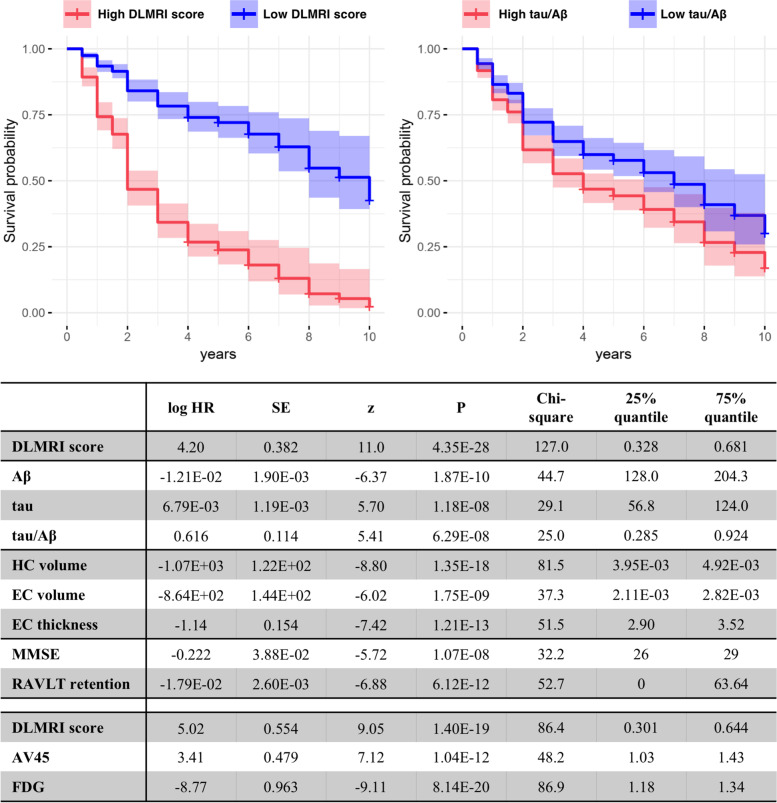
The model distinguished between controls and AD with high accuracy (AUROC = 0.973) with class activation maps that localized to the hippocampal formation. As hypothesized, the model also outperformed other neuroimaging biomarkers of neurodegeneration in prodromal AD (AUROC = 0.788) but also outperformed biomarkers of amyloid (CSF Aβ = 0.702) or tau pathology (CSF tau = 0.682), and the findings are interpreted in the context of AD's known anatomical biology.
The advantages of using deep learning to extract biomarker information from conventional MRIs extend practically, potentially reducing patient burden, risk, and cost.
阿尔茨海默病(AD)的三种核心病理学是淀粉样蛋白病理学、tau 病理学和神经退行性变。每种病理学都有相应的生物标志物。神经退行性变通常通过神经影像学检测,我们假设使用结构 MRI 的基于体素的深度学习方法可能优于其他神经影像学方法。
首先,我们实现了一个基于 MRI 的深度学习模型,该模型采用数据增强策略进行训练,可以对阿尔茨海默病痴呆症进行分类,并生成类激活图。接下来,我们在前驱 AD 中测试了该模型,并将其性能与其他淀粉样蛋白病理学、tau 病理学和神经影像学神经退行性变生物标志物进行了比较。
该模型具有很高的准确性(AUROC = 0.973),能够区分对照组和 AD 患者,其类激活图定位于海马体。正如假设的那样,该模型在前驱 AD 中也优于其他神经影像学神经退行性变生物标志物(AUROC = 0.788),但也优于淀粉样蛋白(CSF Aβ = 0.702)或 tau 病理学(CSF tau = 0.682)的生物标志物,研究结果结合了 AD 的已知解剖生物学进行解释。
使用深度学习从常规 MRI 中提取生物标志物信息的优势在实践中得到了扩展,这可能会降低患者的负担、风险和成本。