Movement Disorder and Neuromodulation Unit, Department of Neurology, Charité-Universitätsmedizin Berlin, corporate member of Freie Universität Berlin and Humboldt-Universität zu Berlin, 10117 Berlin, Germany.
Center for Brain Circuit Therapeutics, Department of Neurology, Brigham & Women's Hospital, Harvard Medical School, Boston, MA 02115.
Proc Natl Acad Sci U S A. 2022 Apr 5;119(14):e2114985119. doi: 10.1073/pnas.2114985119. Epub 2022 Mar 31.
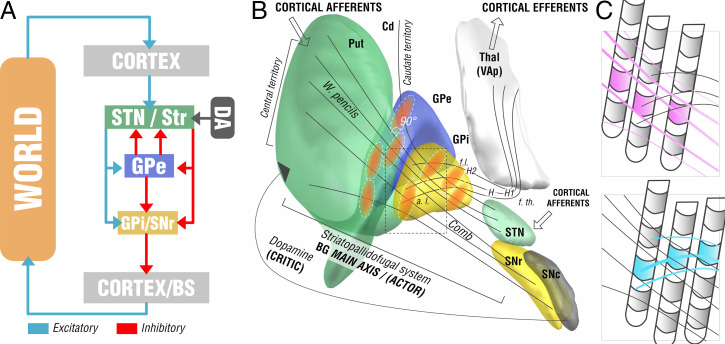
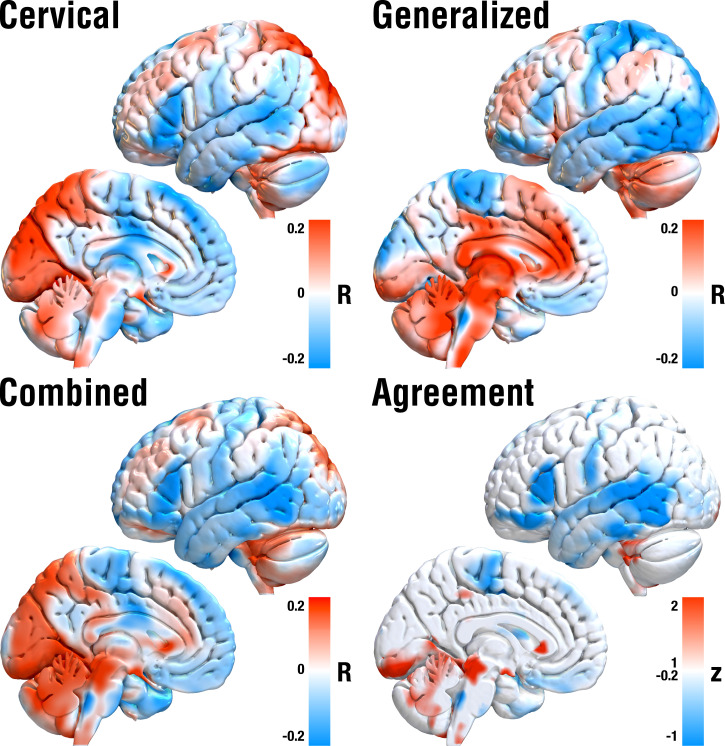
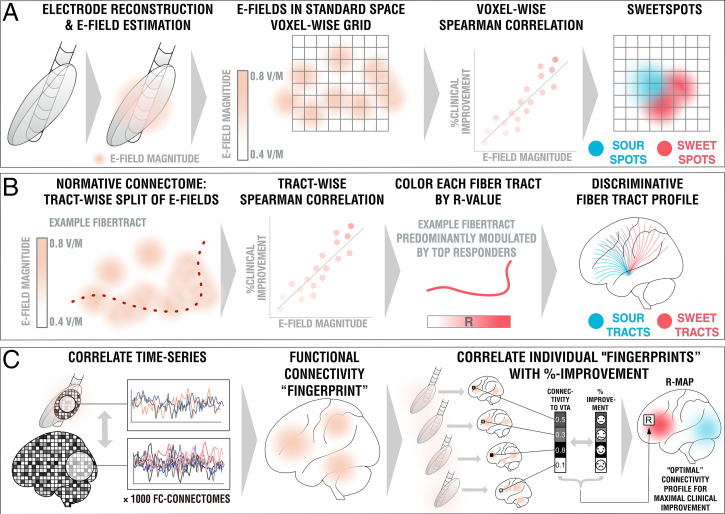
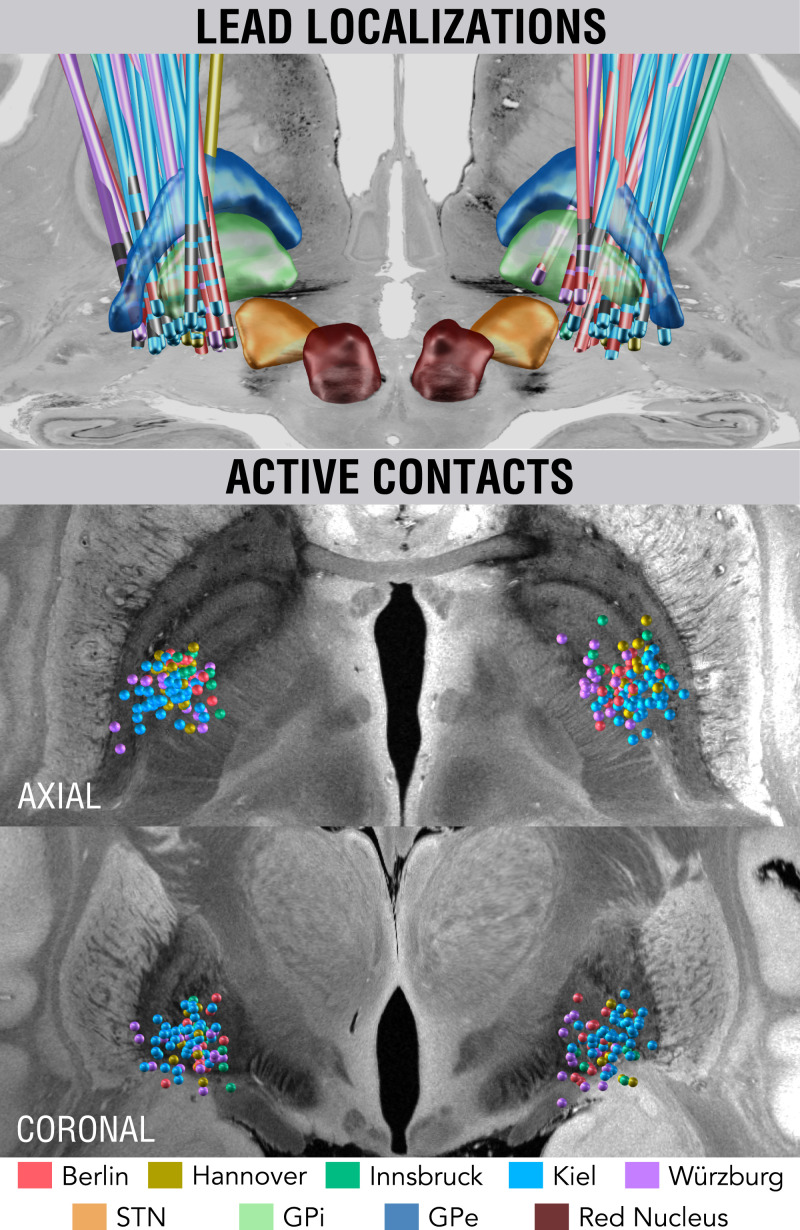
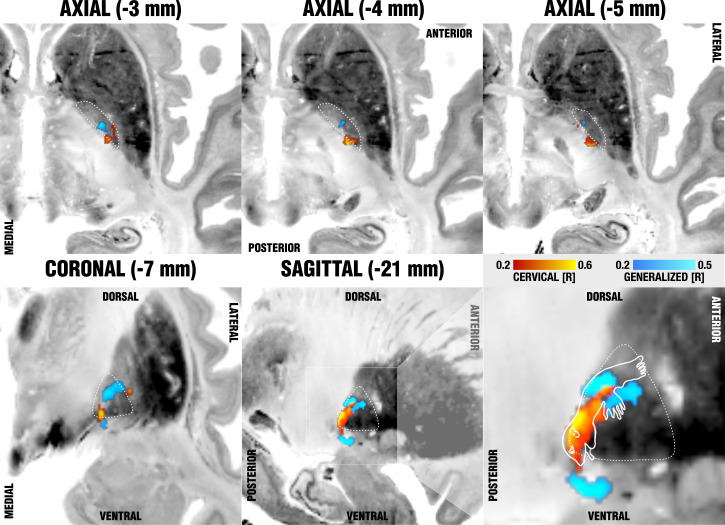
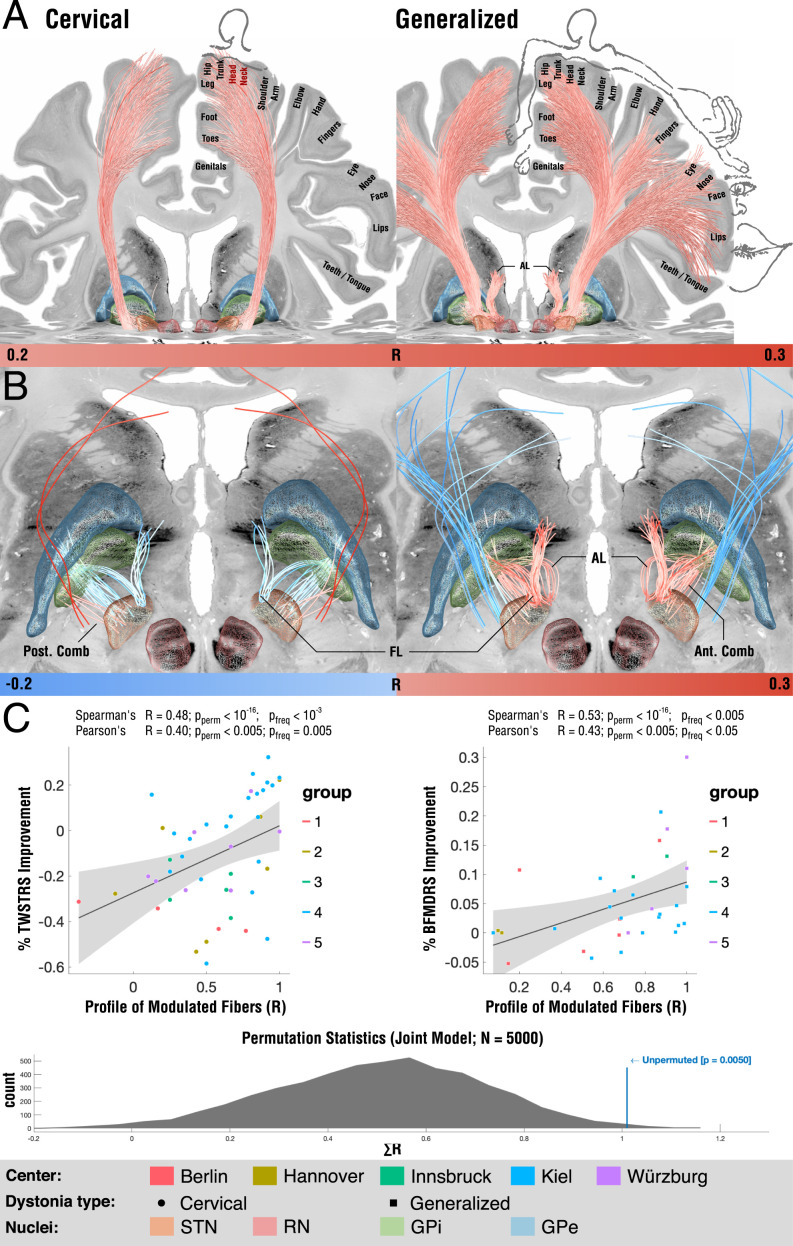
Dystonia is a debilitating disease with few treatment options. One effective option is deep brain stimulation (DBS) to the internal pallidum. While cervical and generalized forms of isolated dystonia have been targeted with a common approach to the posterior third of the nucleus, large-scale investigations regarding optimal stimulation sites and potential network effects have not been carried out. Here, we retrospectively studied clinical results following DBS for cervical and generalized dystonia in a multicenter cohort of 80 patients. We model DBS electrode placement based on pre- and postoperative imaging and introduce an approach to map optimal stimulation sites to anatomical space. Second, we investigate which tracts account for optimal clinical improvements, when modulated. Third, we investigate distributed stimulation effects on a whole-brain functional connectome level. Our results show marked differences of optimal stimulation sites that map to the somatotopic structure of the internal pallidum. While modulation of the striatopallidofugal axis of the basal ganglia accounted for optimal treatment of cervical dystonia, modulation of pallidothalamic bundles did so in generalized dystonia. Finally, we show a common multisynaptic network substrate for both phenotypes in the form of connectivity to the cerebellum and somatomotor cortex. Our results suggest a brief divergence of optimal stimulation networks for cervical vs. generalized dystonia within the pallidothalamic loop that merge again on a thalamo-cortical level and share a common whole-brain network.
肌张力障碍是一种衰弱性疾病,治疗选择有限。一种有效的选择是对内苍白球进行深部脑刺激(DBS)。虽然已经针对孤立性颈肌张力障碍和全身性肌张力障碍的后三分之一采用了一种常见的方法,但尚未对最佳刺激部位和潜在的网络效应进行大规模调查。在这里,我们回顾性地研究了 80 名患者的多中心队列中,DBS 治疗颈肌张力障碍和全身性肌张力障碍的临床结果。我们根据术前和术后的影像学数据对 DBS 电极的放置进行建模,并引入了一种将最佳刺激部位映射到解剖空间的方法。其次,我们研究了当调节时哪些束可以带来最佳的临床改善。第三,我们研究了在全脑功能连接组水平上的分布式刺激效果。我们的结果表明,最佳刺激部位存在明显差异,这些部位映射到苍白球的躯体定位结构。虽然基底节纹状体苍白球传出轴的调制可改善颈肌张力障碍,但苍白球丘脑束的调制可改善全身性肌张力障碍。最后,我们以与小脑和躯体运动皮层的连接形式,展示了这两种表型的共同多突触网络基质。我们的结果表明,在苍白球丘脑环路中,颈肌张力障碍与全身性肌张力障碍的最佳刺激网络存在短暂分歧,但在丘脑皮质水平上再次融合,并共享共同的全脑网络。