Psychology Department, University of Arizona, 1503 E University Blvd, Tucson, AZ, 85721, USA; Evelyn McKnight Brain Institute, University of Arizona, 1503 E University Blvd, Tucson, AZ, 85721, USA.
Psychology Department, University of Arizona, 1503 E University Blvd, Tucson, AZ, 85721, USA; Neurology Department, University of Arizona, 1501 N Campbell Ave, Tucson, AZ, 85724, USA; Banner Alzheimer's Institute, 2626 E River Rd, Tucson, AZ, 85718, USA.
Neuropsychologia. 2022 Jun 6;170:108225. doi: 10.1016/j.neuropsychologia.2022.108225. Epub 2022 Mar 31.
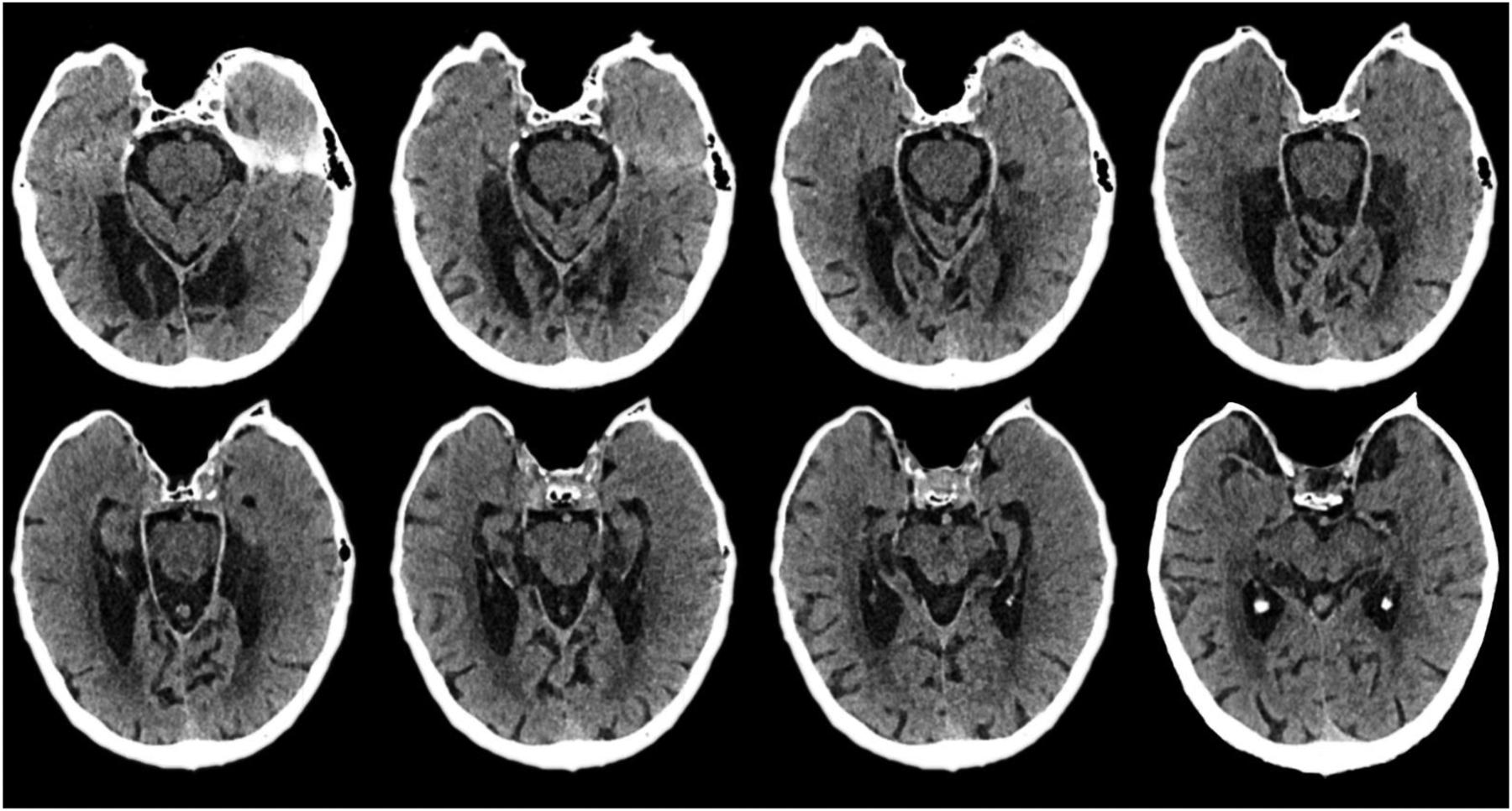
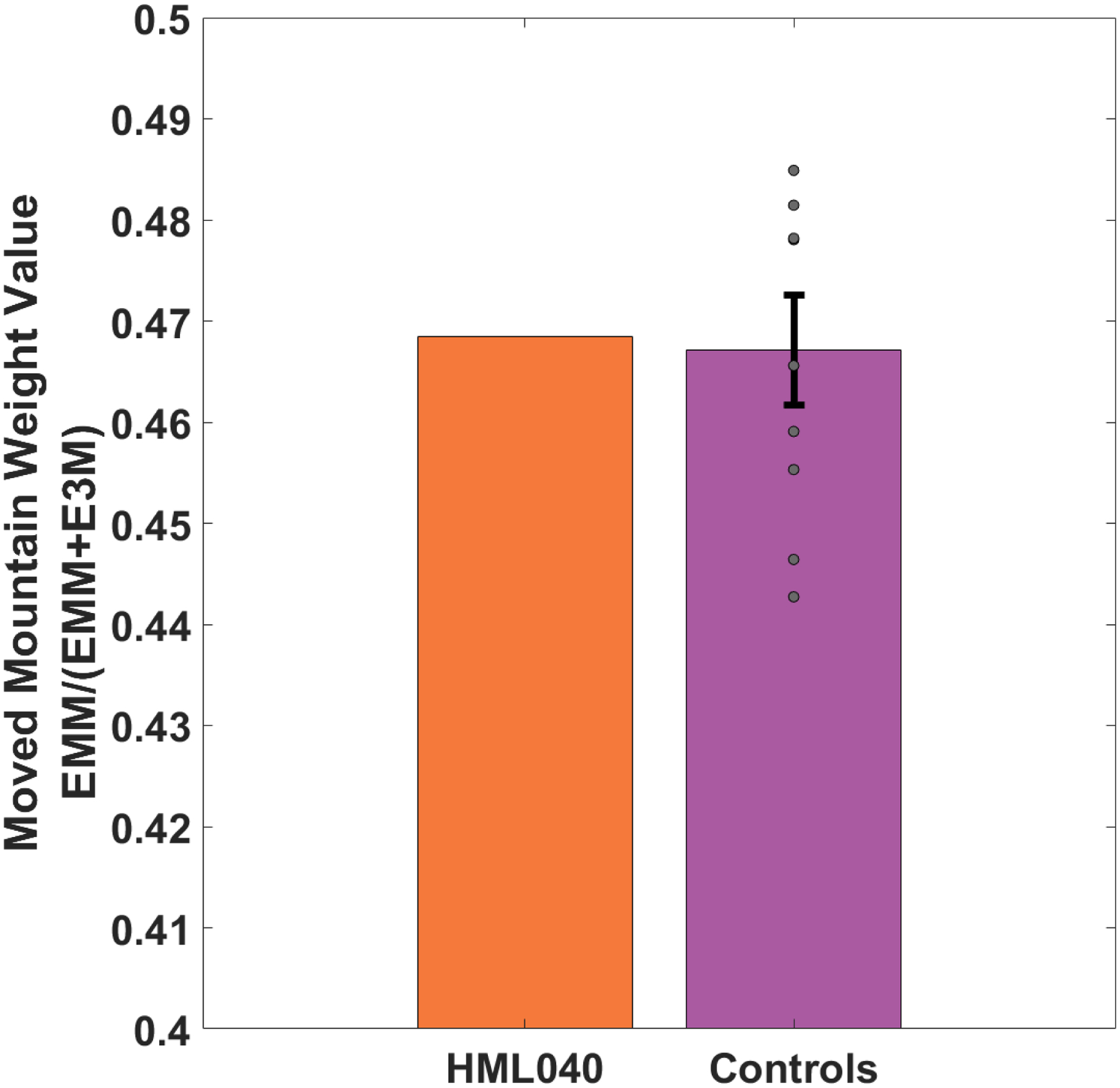
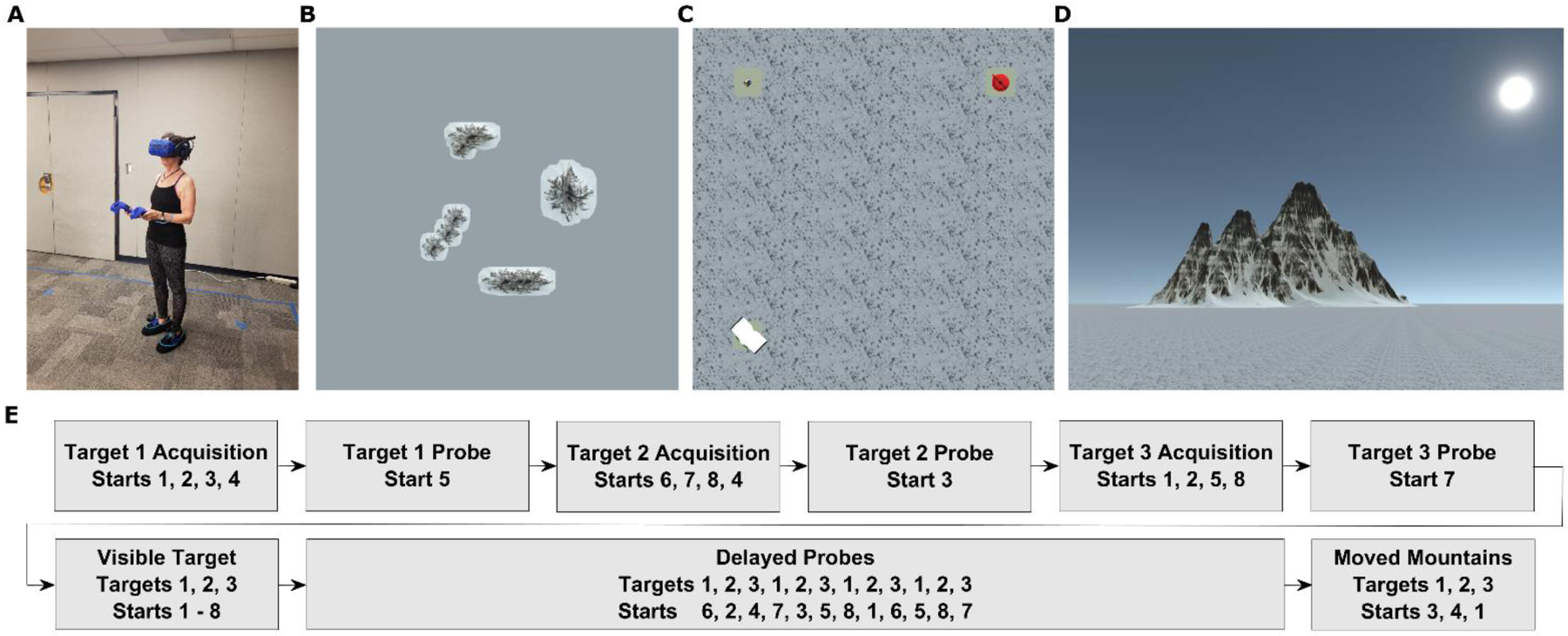
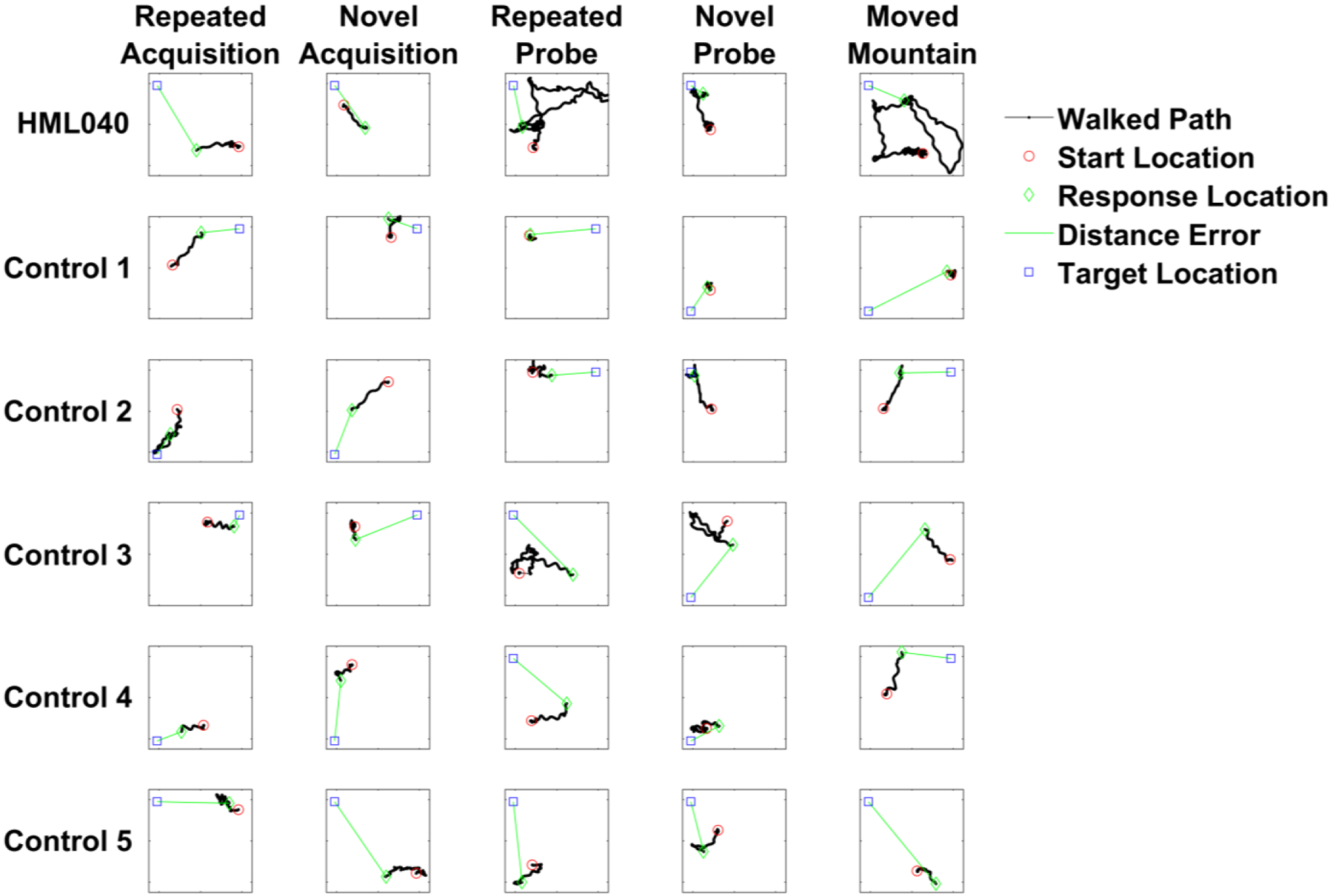
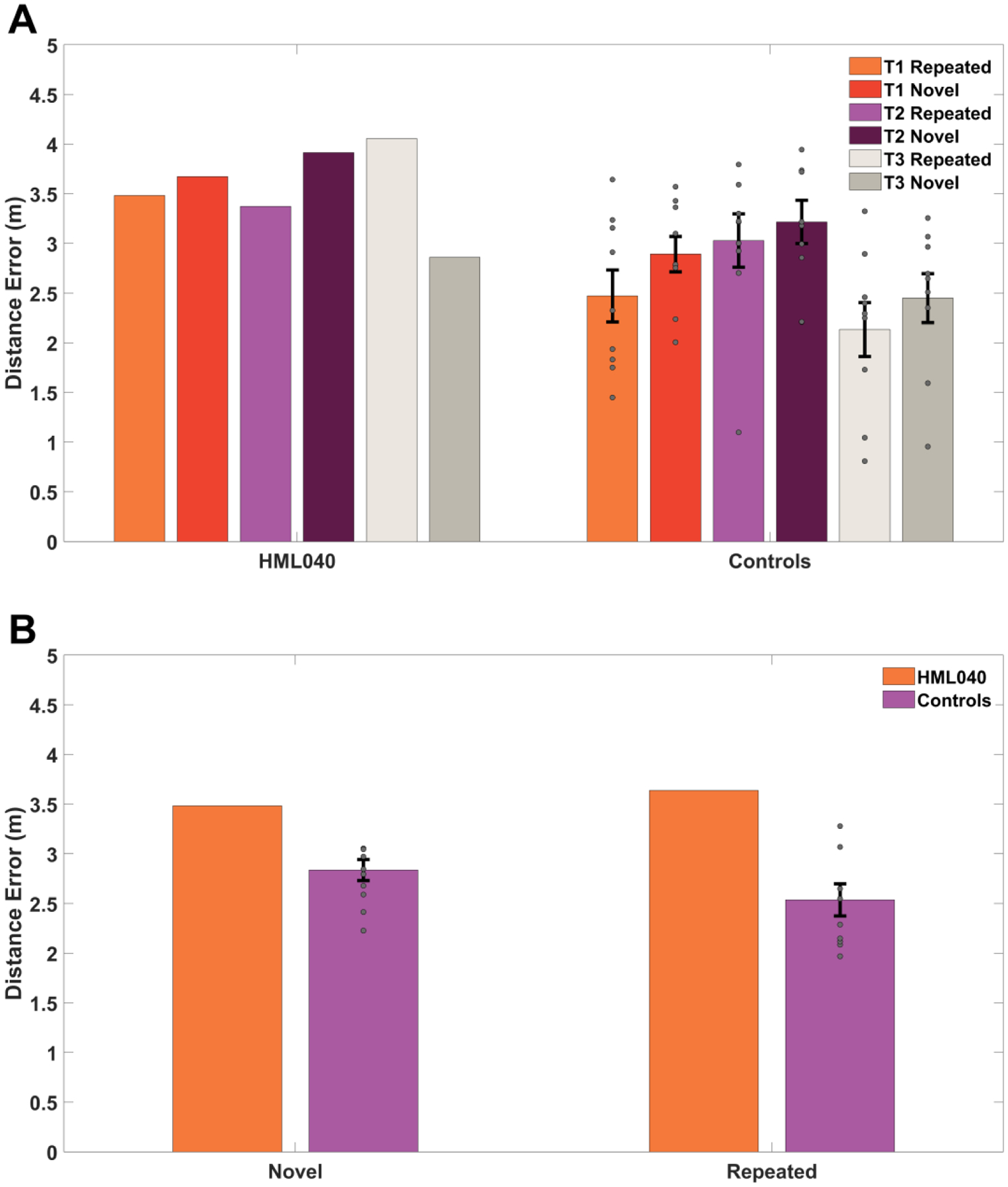
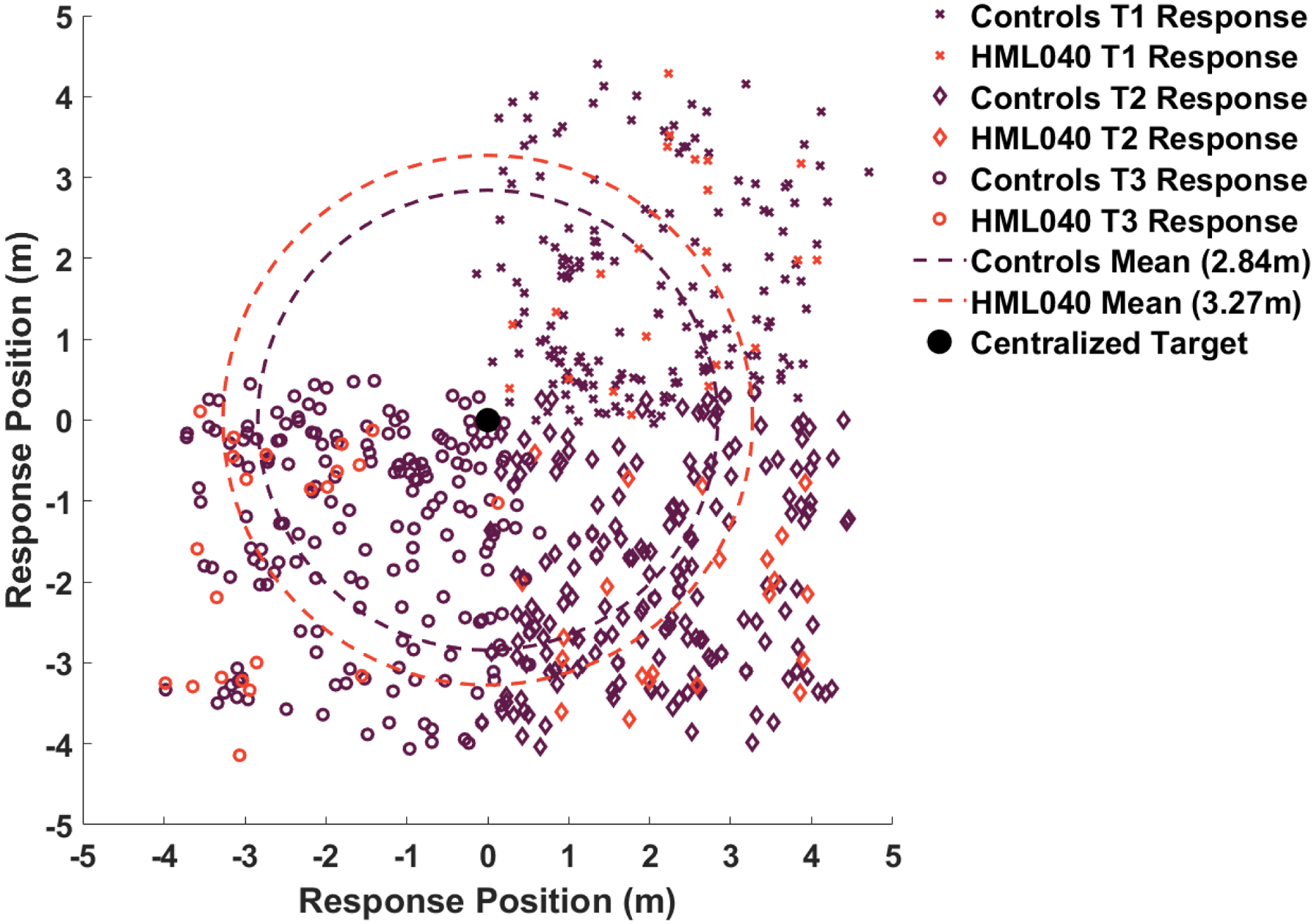
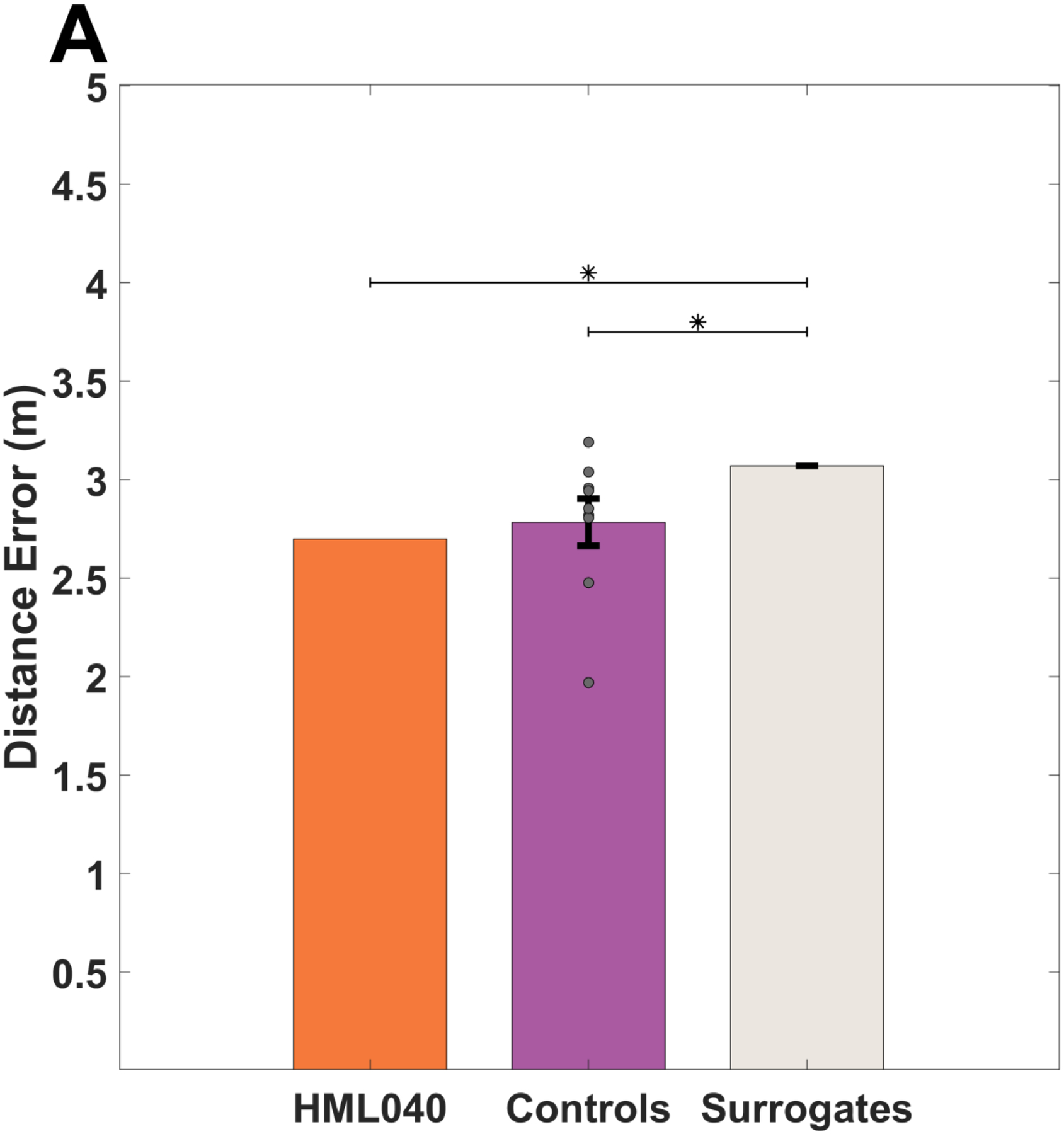
Spatial navigation and event memory (termed episodic memory) are thought to be heavily intertwined, both in terms of their cognitive processes and underlying neural systems. Some theoretical models posit that both memory for places during navigation and episodic memory depend on highly overlapping brain systems. Here, we assessed this relationship by testing navigation in an individual with severe retrograde and anterograde amnesia; the amnesia stemmed from bilateral lesions in the medial temporal lobes from two separate strokes. The individual with amnesia and age-matched controls were tested on their memories for the locations of previously seen objects relative to distal mountain cues in an immersive virtual environment involving free ambulation. All participants were tested from both repeated and novel start locations and when a single distal mountain cue was unknowingly moved to determine if they relied on a single (beacon) cue to a greater extent than the collection of all distal cues. Compared to age-matched controls, the individual with amnesia showed no significant deficits in navigation from either the repeated or novel start points, although both the individual with amnesia and controls performed well above chance at placing objects near their correct locations. The individual with amnesia also relied on a combination of distal cues in a manner comparable to age-matched controls. Despite largely intact memory for locations using distal cues, the individual with amnesia walked longer paths, rotated more, and took longer to complete trials. Our findings suggest that memory for places during navigation and episodic memory may involve partially dissociable brain circuits and that other brain regions outside of the medial temporal lobe partially support some aspects of navigation. At the same time, the fact that the individual with amnesia walked more circuitous paths and had dense amnesia for autobiographic events supports the idea that the hippocampus may be important for binding information as part of a larger role in memory.
空间导航和事件记忆(称为情景记忆)被认为在认知过程和潜在的神经系统方面都紧密交织在一起。一些理论模型假设,导航过程中的位置记忆和情景记忆都依赖于高度重叠的大脑系统。在这里,我们通过测试一位患有严重逆行性和顺行性遗忘症的个体的导航能力来评估这种关系;该遗忘症是由两次单独的中风导致的双侧内侧颞叶损伤引起的。患有遗忘症的个体和年龄匹配的对照组在沉浸式虚拟环境中,根据远距离山脉线索,测试他们对先前看到的物体位置的记忆,该环境涉及自由步行。所有参与者都从重复和新的起点进行测试,并且当单个远距离山脉线索被不知不觉地移动时,测试他们是否更依赖于单个(信标)线索,而不是依赖于所有远距离线索的集合。与年龄匹配的对照组相比,患有遗忘症的个体从重复或新的起点进行导航时,没有明显的缺陷,尽管遗忘症个体和对照组都在将物体放置在正确位置附近的任务中表现出色,超过了随机水平。遗忘症个体也以类似于年龄匹配对照组的方式依赖于远距离线索的组合。尽管使用远距离线索的位置记忆基本完好,但遗忘症个体走的路径更长,旋转更多,完成试验所需的时间更长。我们的发现表明,导航过程中的位置记忆和情景记忆可能涉及部分分离的大脑回路,并且内侧颞叶以外的其他大脑区域部分支持导航的某些方面。与此同时,患有遗忘症的个体走更迂回的路径,并且对自传事件有严重的遗忘,这支持了海马体可能对将信息作为记忆的更大作用的一部分进行绑定很重要的观点。