Stojkovic Dejan, Drakulic Danijela, Dias Maria Inês, Zengin Gokhan, Barros Lillian, Ivanov Marija, Gašic Uroš, Rajcevic Nemanja, Stevanovic Milena, Ferreira Isabel C F R, Sokovic Marina
Department of Plant Physiology, Institute for Biological Research "Siniša Stankovic" - National Institute of Republic of Serbia, University of Belgrade, Bulevar despota Stefana 142, 11000 Belgrade, Serbia.
Institute of Molecular Genetics and Genetic Engineering, University of Belgrade, Vojvode Stepe 444a, 11042 Belgrade 152, Serbia.
EXCLI J. 2022 Feb 14;21:387-399. doi: 10.17179/excli2021-4487. eCollection 2022.
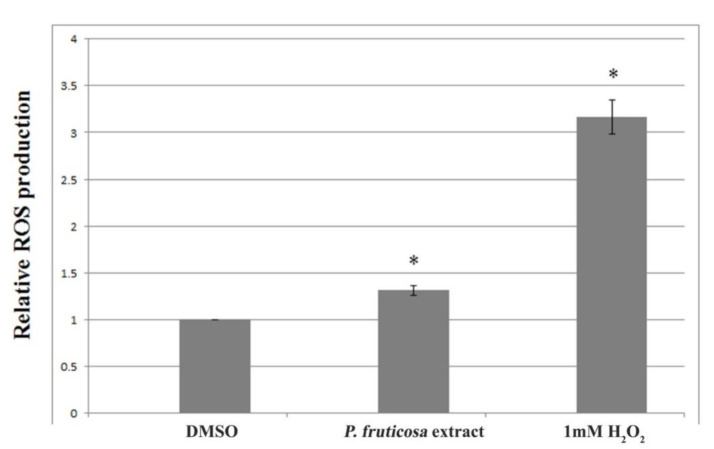
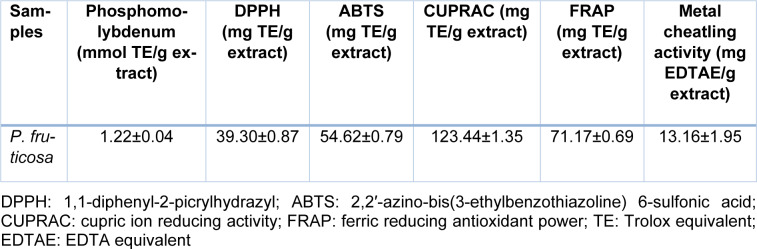
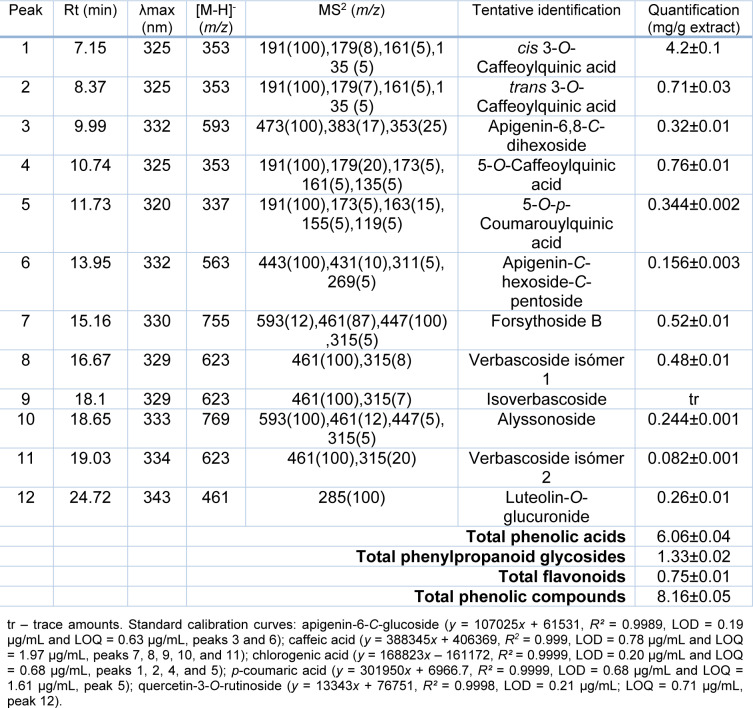
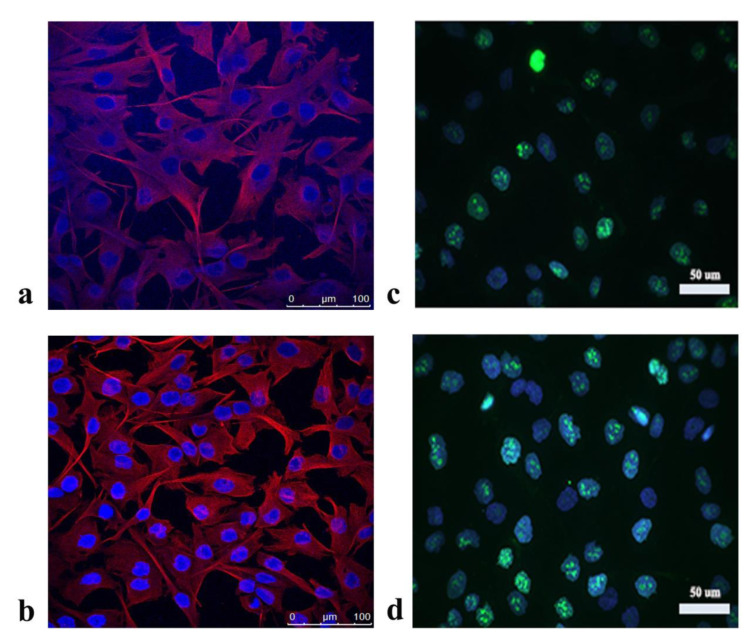
Despite the significant advances in drug development we are witnessing the inability of health systems to combat both neurodegenerative diseases and cancers, especially glioblastoma. Hence, natural products are comprehensively studied in order to provide novel therapeutic options. This study aimed to explore anti-neurodegenerative and anti-glioblastoma potential of extract of L. using model systems. It was found that the methanol extract of was able to efficiently reduce activities of enzymes linked to neurodegenerative disease including acetylcholinesterase, butyrylcholinesterase and tyrosinase. Furthermore, extract has shown excellent antioxidant potential, as evidenced by six different methods. Analysis of cytotoxic effect of extract on A172 glioblastoma cell line revealed that the concentration of the extract necessary for 50 % inhibition of A172 growth (IC) was 710 μg/mL. The extract did not induce changes in proliferation and morphology of A172 glioblastoma cells. On the other side, production of ROS was increased in A172 cells treated with the extract. Observed cytotoxic effect of extract might be based on increase in ROS generation upon treatment. Quantitative chemical analysis revealed the presence of twelve different polyphenols with the 3--caffeoylquinic acid being the most abundant. This study provided scientific evidence for further exploration of as a promising natural anti-neurodegenerative therapeutic option.
尽管我们目睹了药物研发取得了重大进展,但卫生系统仍无法对抗神经退行性疾病和癌症,尤其是胶质母细胞瘤。因此,人们对天然产物进行了全面研究,以提供新的治疗选择。本研究旨在利用模型系统探索[植物名称]提取物的抗神经退行性和抗胶质母细胞瘤潜力。研究发现,[植物名称]的甲醇提取物能够有效降低与神经退行性疾病相关的酶的活性,包括乙酰胆碱酯酶、丁酰胆碱酯酶和酪氨酸酶。此外,[植物名称]提取物还表现出优异的抗氧化潜力,六种不同方法均证明了这一点。对[植物名称]提取物对A172胶质母细胞瘤细胞系的细胞毒性作用分析表明,抑制A172生长50%所需的提取物浓度(IC)为710μg/mL。该提取物未引起A172胶质母细胞瘤细胞增殖和形态的变化。另一方面,用该提取物处理的A172细胞中活性氧的产生增加。观察到的[植物名称]提取物的细胞毒性作用可能基于处理后活性氧生成的增加。定量化学分析显示存在十二种不同的多酚,其中3 - 咖啡酰奎尼酸含量最高。本研究为进一步探索[植物名称]作为一种有前景的天然抗神经退行性治疗选择提供了科学依据。