Humboldt-Universität zu Berlin, Department of Neurocognitive Psychology, 10099, Berlin, Germany.
Charité - Universitätsmedizin Berlin, corporate member of Freie Universität Berlin, Humboldt-Universität zu Berlin, and Berlin Institute of Health, Einstein Center for Neurosciences Berlin, Charitéplatz 1, 10117, Berlin, Germany.
Behav Res Methods. 2023 Jan;55(1):236-262. doi: 10.3758/s13428-021-01768-2. Epub 2022 Apr 4.
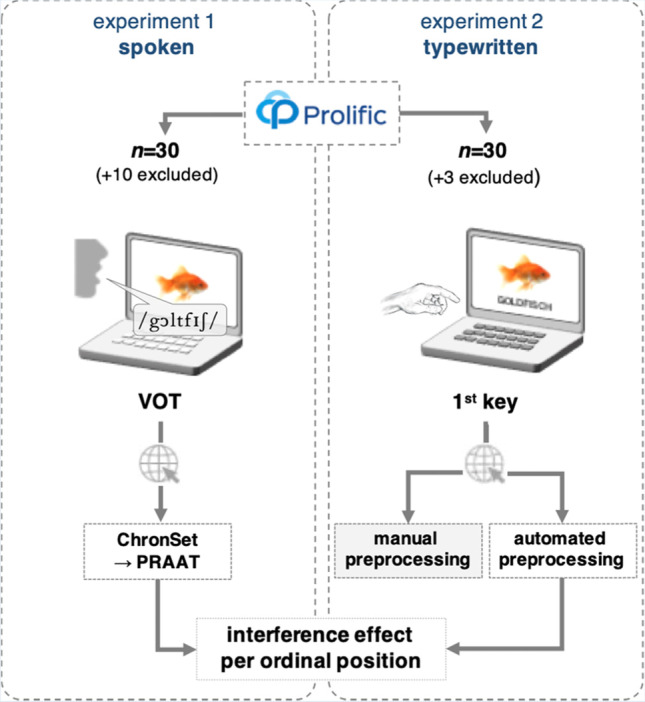
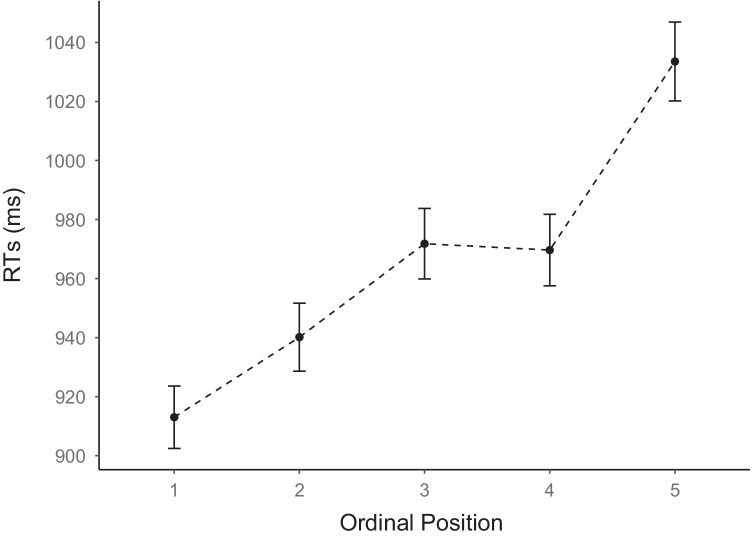
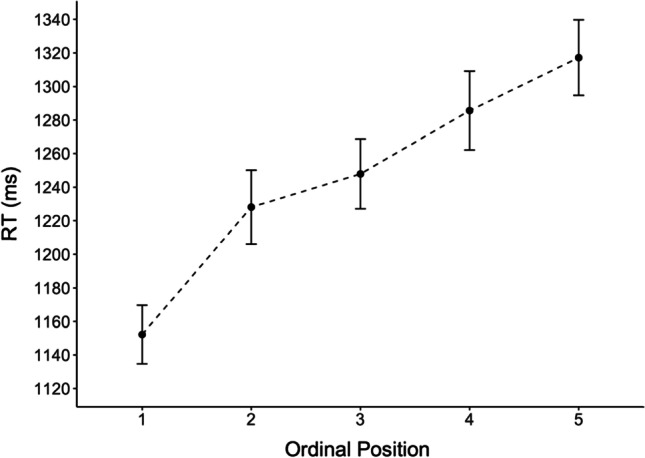
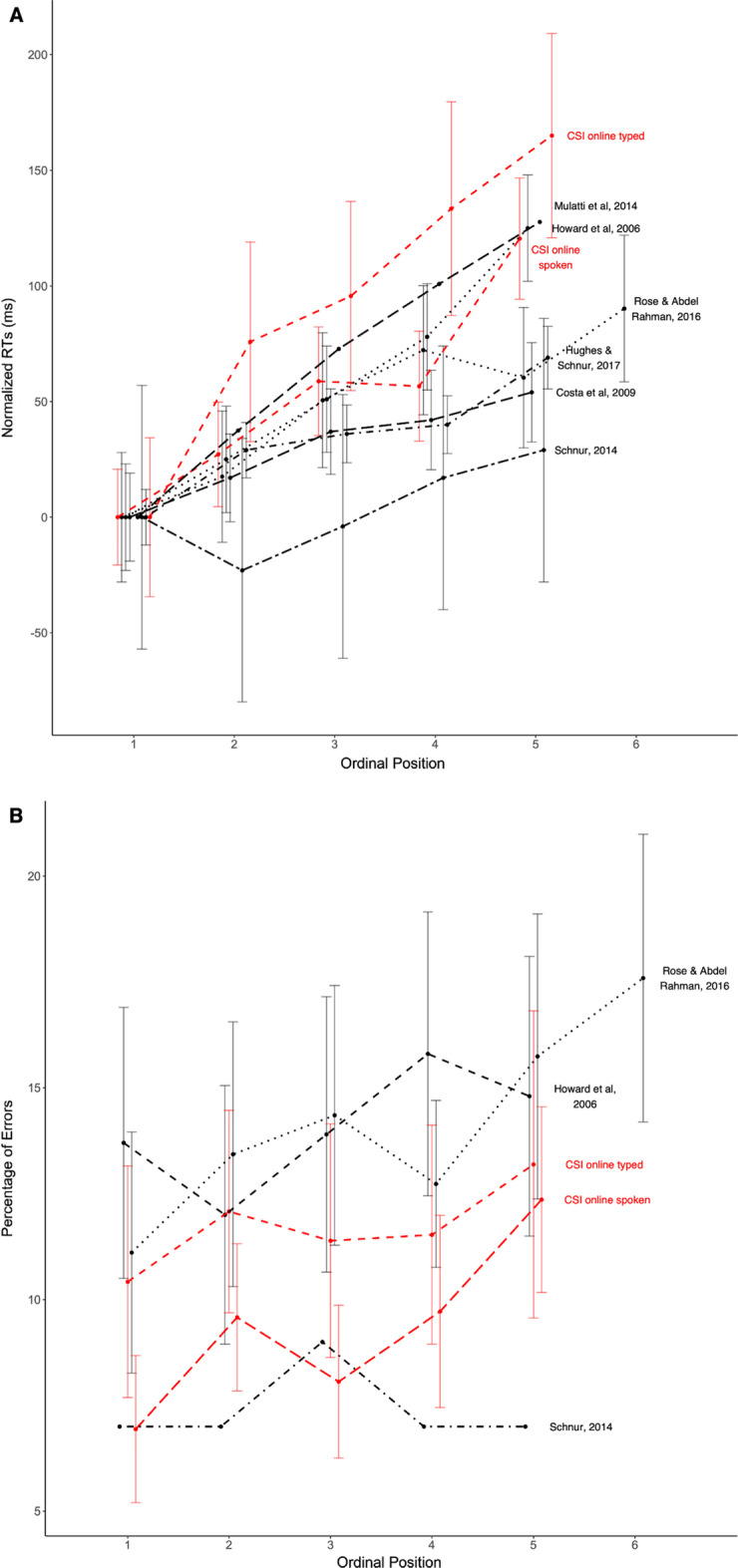
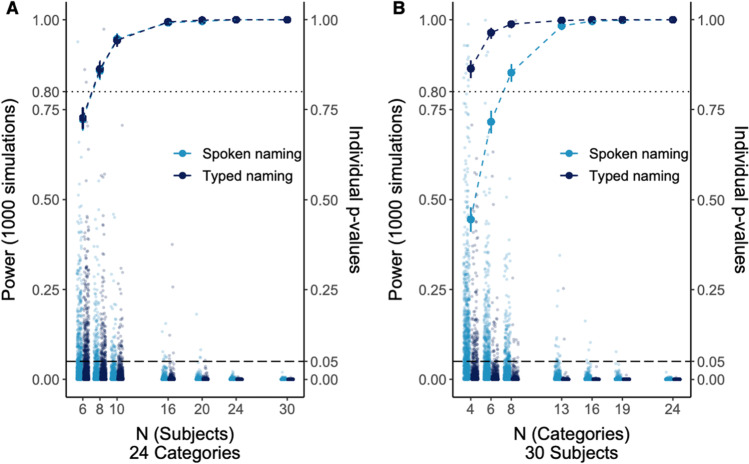
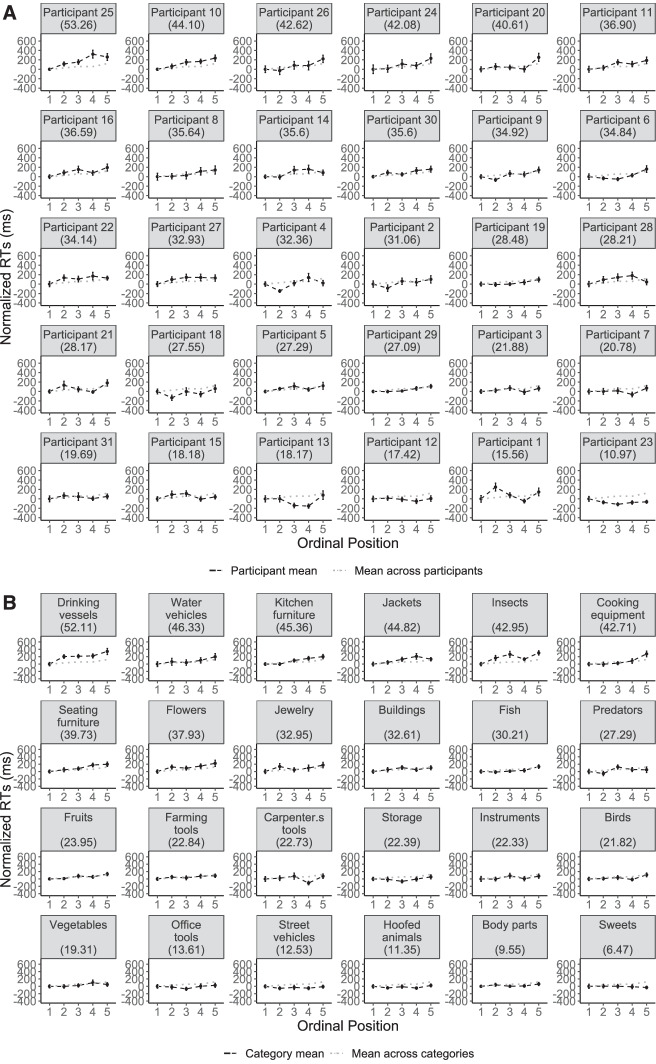
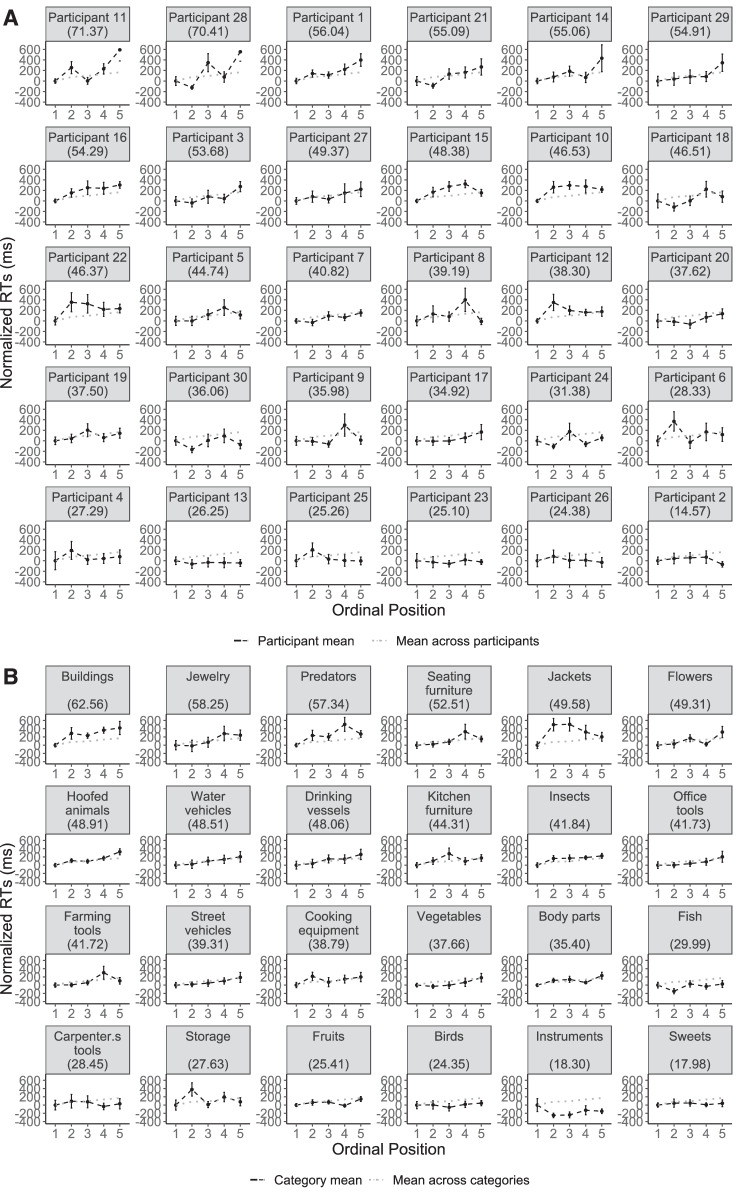
For experimental research on language production, temporal precision and high quality of the recorded audio files are imperative. These requirements are a considerable challenge if language production is to be investigated online. However, online research has huge potential in terms of efficiency, ecological validity and diversity of study populations in psycholinguistic and related research, also beyond the current situation. Here, we supply confirmatory evidence that language production can be investigated online and that reaction time (RT) distributions and error rates are similar in written naming responses (using the keyboard) and typical overt spoken responses. To assess semantic interference effects in both modalities, we performed two pre-registered experiments (n = 30 each) in online settings using the participants' web browsers. A cumulative semantic interference (CSI) paradigm was employed that required naming several exemplars of semantic categories within a seemingly unrelated sequence of objects. RT is expected to increase linearly for each additional exemplar of a category. In Experiment 1, CSI effects in naming times described in lab-based studies were replicated. In Experiment 2, the responses were typed on participants' computer keyboards, and the first correct key press was used for RT analysis. This novel response assessment yielded a qualitatively similar, very robust CSI effect. Besides technical ease of application, collecting typewritten responses and automatic data preprocessing substantially reduce the work load for language production research. Results of both experiments open new perspectives for research on RT effects in language experiments across a wide range of contexts. JavaScript- and R-based implementations for data collection and processing are available for download.
对于语言产生的实验研究,记录音频文件的时间精度和高质量是必要的。如果要在线研究语言产生,这些要求是一个相当大的挑战。然而,在线研究在心理语言学和相关研究中具有巨大的效率、生态有效性和研究人群多样性的潜力,也超越了当前的情况。在这里,我们提供了确凿的证据,证明可以在线研究语言产生,并且书面命名反应(使用键盘)和典型的口头反应的反应时间 (RT) 分布和错误率相似。为了评估两种模态中的语义干扰效应,我们在在线环境中使用参与者的网络浏览器执行了两个预先注册的实验(每个实验 n = 30)。采用累积语义干扰 (CSI) 范式,要求在看似无关的一系列对象中命名几个语义类别示例。每个类别的额外示例预计会使 RT 线性增加。在实验 1 中,复制了在基于实验室的研究中描述的命名时间中的 CSI 效应。在实验 2 中,响应是在参与者的计算机键盘上键入的,并且第一个正确的按键用于 RT 分析。这种新的响应评估产生了一个定性上相似、非常稳健的 CSI 效应。除了应用的技术简便性之外,收集打字响应和自动数据预处理可大大减少语言产生研究的工作量。这两个实验的结果为广泛背景下的语言实验中的 RT 效应研究开辟了新的视角。用于数据收集和处理的基于 JavaScript 和 R 的实现可用于下载。