Covas Pedro, De Guzman Eison, Barrows Ian, Bradley Andrew J, Choi Brian G, Krepp Joseph M, Lewis Jannet F, Katz Richard, Tracy Cynthia M, Zeman Robert K, Earls James P, Choi Andrew D
Division of Cardiology, The George Washington University School of Medicine, Washington, DC, United States.
Department of Internal Medicine, The George Washington University School of Medicine, Washington, DC, United States.
Front Cardiovasc Med. 2022 Mar 21;9:839400. doi: 10.3389/fcvm.2022.839400. eCollection 2022.
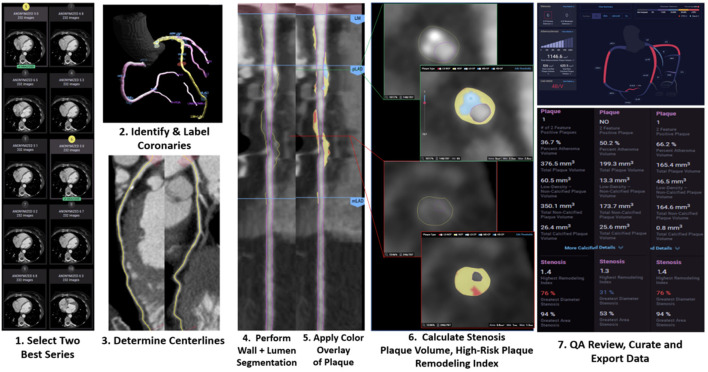
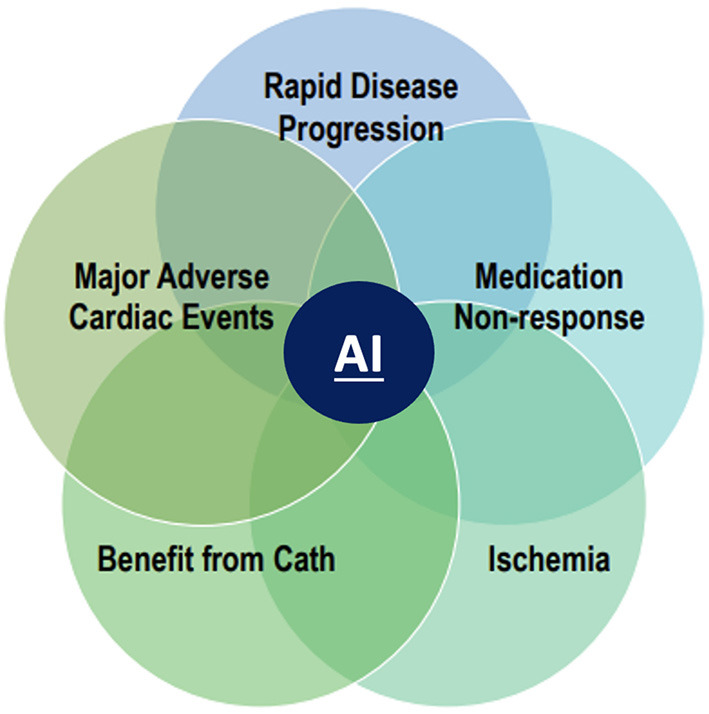
Coronary artery disease is a leading cause of death worldwide. There has been a myriad of advancements in the field of cardiovascular imaging to aid in diagnosis, treatment, and prevention of coronary artery disease. The application of artificial intelligence in medicine, particularly in cardiovascular medicine has erupted in the past decade. This article serves to highlight the highest yield articles within cardiovascular imaging with an emphasis on coronary CT angiography methods for % stenosis evaluation and atherosclerosis quantification for the general cardiologist. The paper finally discusses the evolving paradigm of implementation of artificial intelligence in real world practice.
冠状动脉疾病是全球主要的死亡原因之一。心血管成像领域已经取得了无数进展,以辅助冠状动脉疾病的诊断、治疗和预防。在过去十年中,人工智能在医学领域,尤其是心血管医学中的应用迅速兴起。本文旨在重点介绍心血管成像领域中最具价值的文章,特别是针对普通心脏病专家的冠状动脉CT血管造影术评估狭窄百分比和动脉粥样硬化量化的方法。本文最后讨论了人工智能在现实世界实践中的应用模式的演变。