Li Zhaoting, Ding Yingyue, Liu Jun, Wang Jianxin, Mo Fanyi, Wang Yixin, Chen-Mayfield Ting-Jing, Sondel Paul M, Hong Seungpyo, Hu Quanyin
Pharmaceutical Sciences Division, School of Pharmacy, University of Wisconsin-Madison, Madison, WI, 53705, USA.
Carbone Cancer Center, School of Medicine and Public Health, University of Wisconsin-Madison, Madison, WI, 53705, USA.
Nat Commun. 2022 Apr 6;13(1):1845. doi: 10.1038/s41467-022-29388-0.
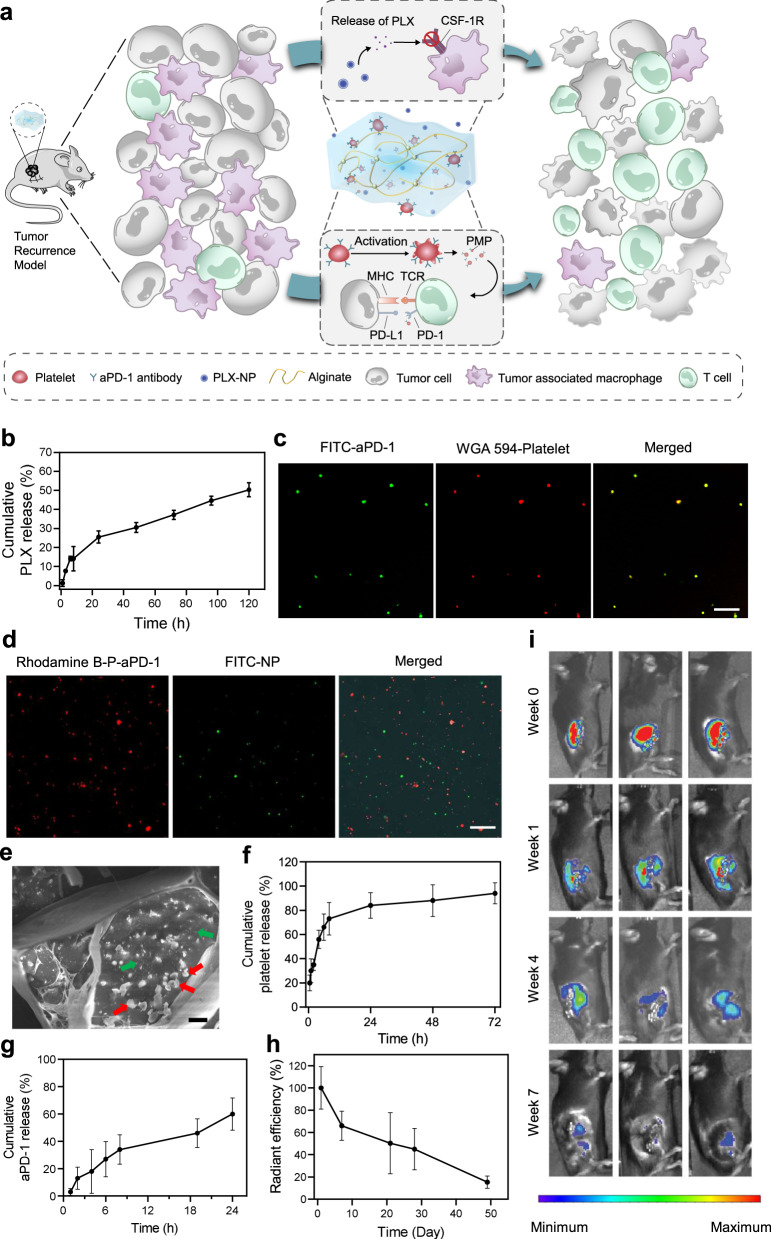
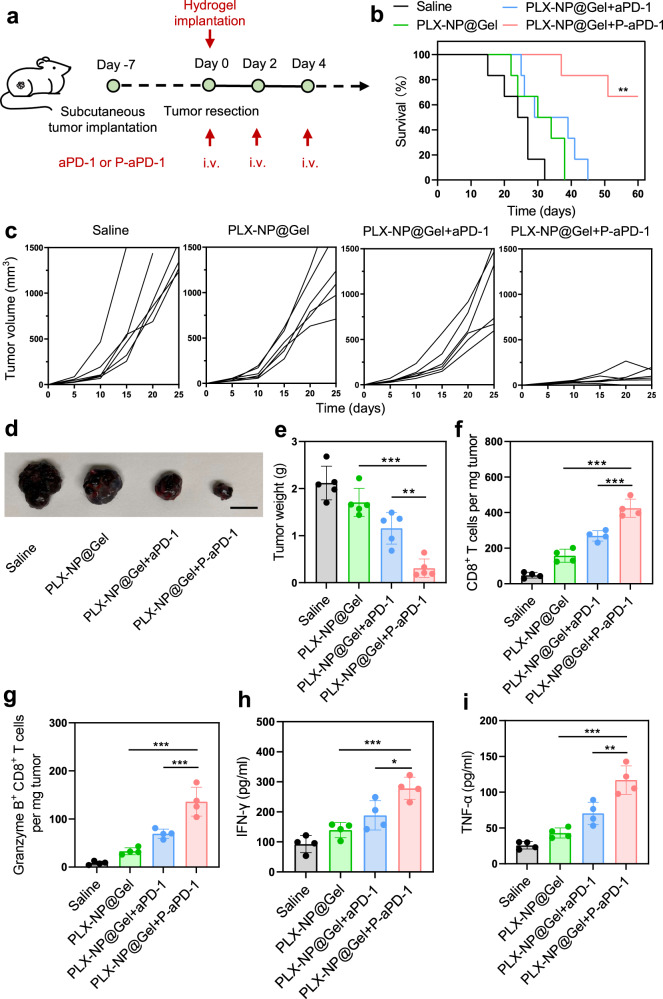
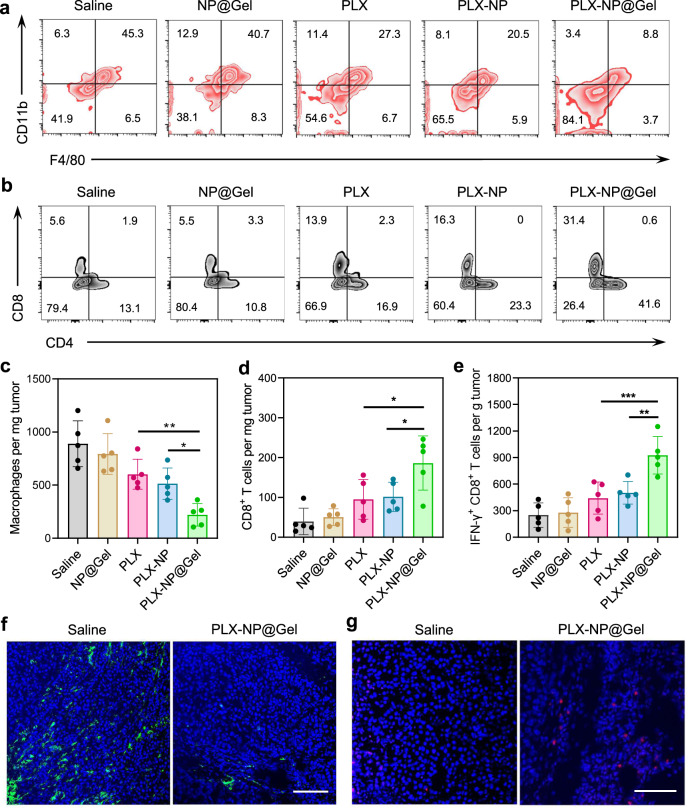
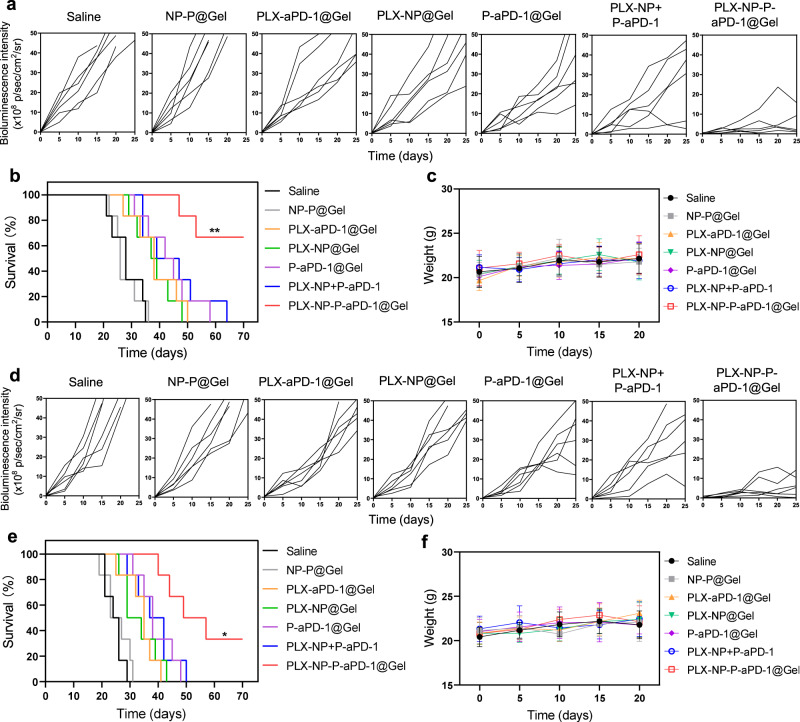
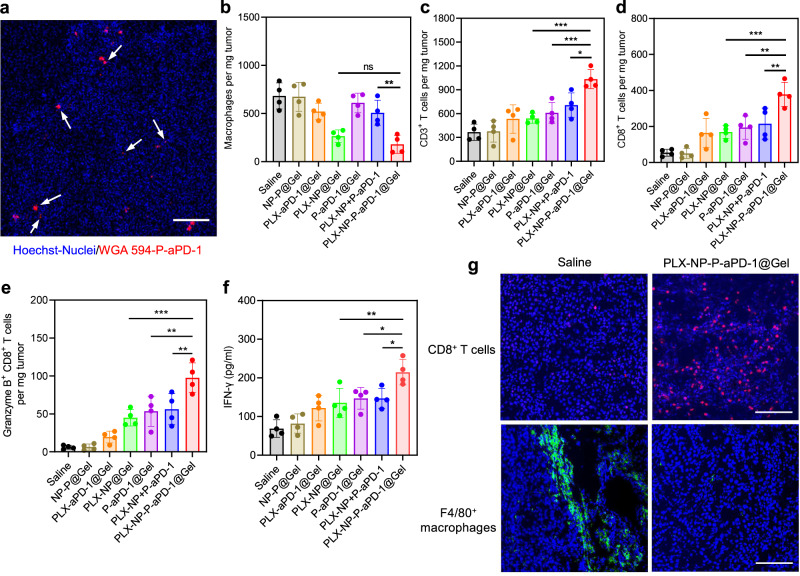
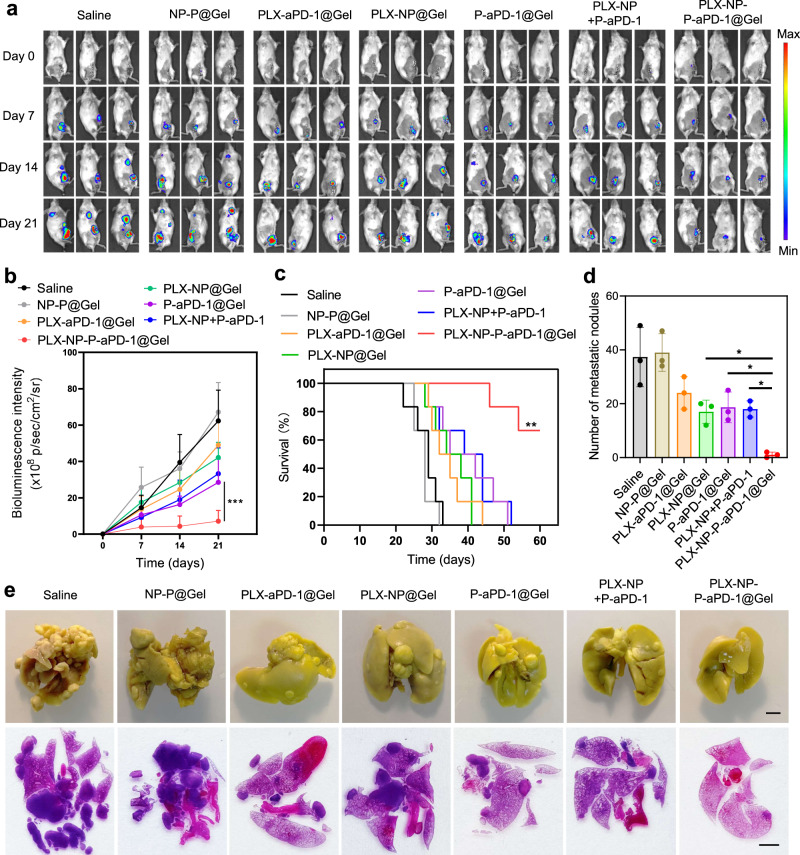
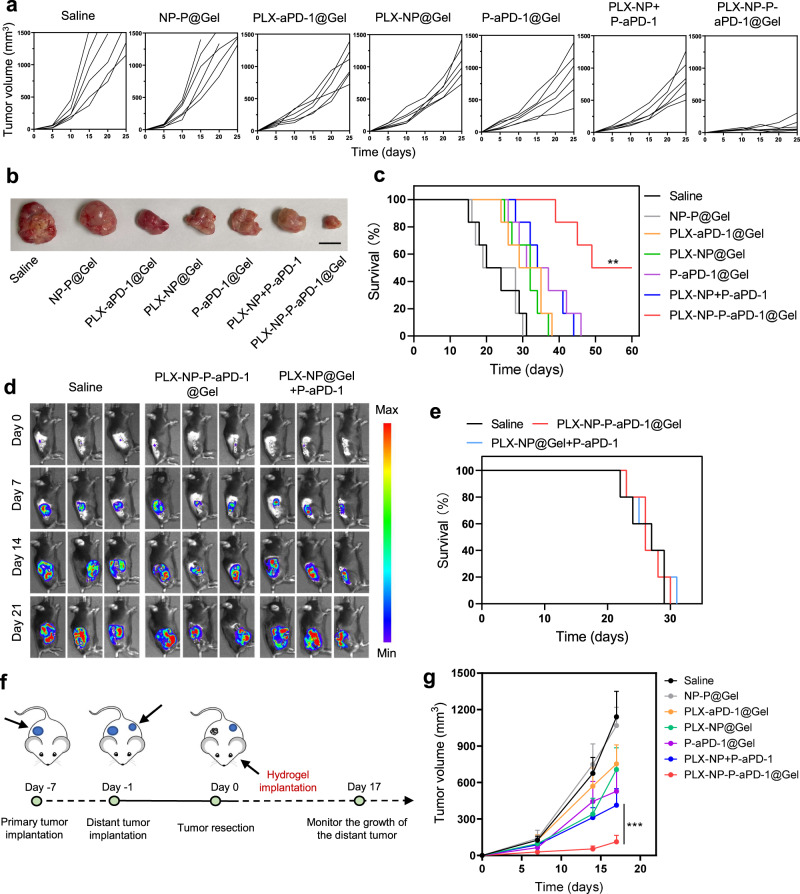
Immunosuppressive cells residing in the tumor microenvironment, especially tumor associated macrophages (TAMs), hinder the infiltration and activation of T cells, limiting the anti-cancer outcomes of immune checkpoint blockade. Here, we report a biocompatible alginate-based hydrogel loaded with Pexidartinib (PLX)-encapsulated nanoparticles that gradually release PLX at the tumor site to block colony-stimulating factor 1 receptors (CSF1R) for depleting TAMs. The controlled TAM depletion creates a favorable milieu for facilitating local and systemic delivery of anti-programmed cell death protein 1 (aPD-1) antibody-conjugated platelets to inhibit post-surgery tumor recurrence. The tumor immunosuppressive microenvironment is also reprogrammed by TAM elimination, further promoting the infiltration of T cells into tumor tissues. Moreover, the inflammatory environment after surgery could trigger the activation of platelets to facilitate the release of aPD-1 accompanied with platelet-derived microparticles binding to PD-1 receptors for re-activating T cells. All these results collectively indicate that the immunotherapeutic efficacy against tumor recurrence of both local and systemic administration of aPD-1 antibody-conjugated platelets could be strengthened by local depletion of TAMs through the hydrogel reservoir.
存在于肿瘤微环境中的免疫抑制细胞,尤其是肿瘤相关巨噬细胞(TAM),会阻碍T细胞的浸润和激活,限制免疫检查点阻断的抗癌效果。在此,我们报告一种基于生物相容性藻酸盐的水凝胶,其负载有包裹培西达替尼(PLX)的纳米颗粒,该纳米颗粒在肿瘤部位逐渐释放PLX以阻断集落刺激因子1受体(CSF1R),从而消耗TAM。对TAM的可控消耗为促进抗程序性细胞死亡蛋白1(aPD-1)抗体偶联血小板的局部和全身递送创造了有利环境,以抑制术后肿瘤复发。肿瘤免疫抑制微环境也通过消除TAM而被重新编程,进一步促进T细胞浸润到肿瘤组织中。此外,术后的炎症环境可触发血小板的激活,以促进aPD-1的释放,同时血小板衍生的微粒与PD-1受体结合以重新激活T细胞。所有这些结果共同表明,通过水凝胶储库局部消耗TAM可增强局部和全身施用aPD-1抗体偶联血小板对肿瘤复发的免疫治疗效果。