Departments of Pharmacology, University of Illinois at Chicago, Chicago, IL, 60612, USA; Center for Informational Biology, University of Electronic Science and Technology of China, 610054, China.
Departments of Pharmacology, University of Illinois at Chicago, Chicago, IL, 60612, USA.
Redox Biol. 2022 Jun;52:102304. doi: 10.1016/j.redox.2022.102304. Epub 2022 Apr 6.
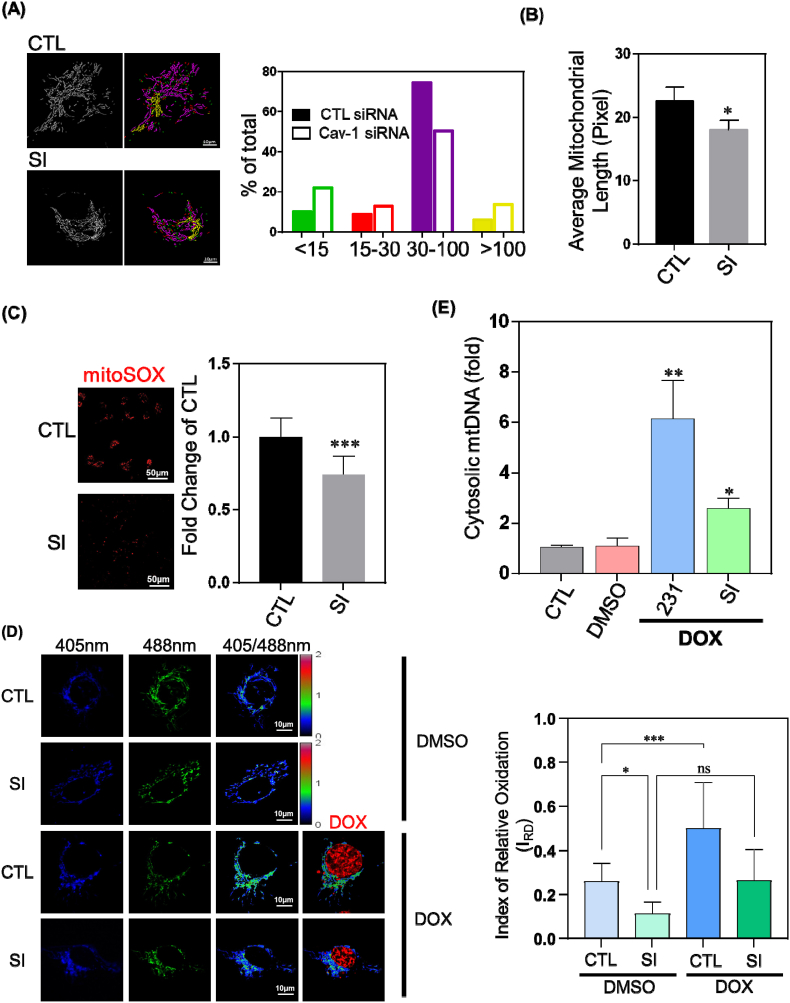
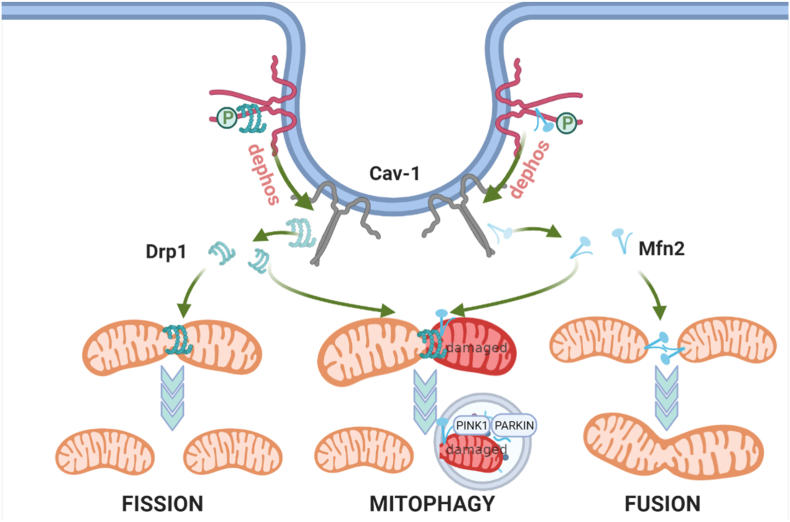
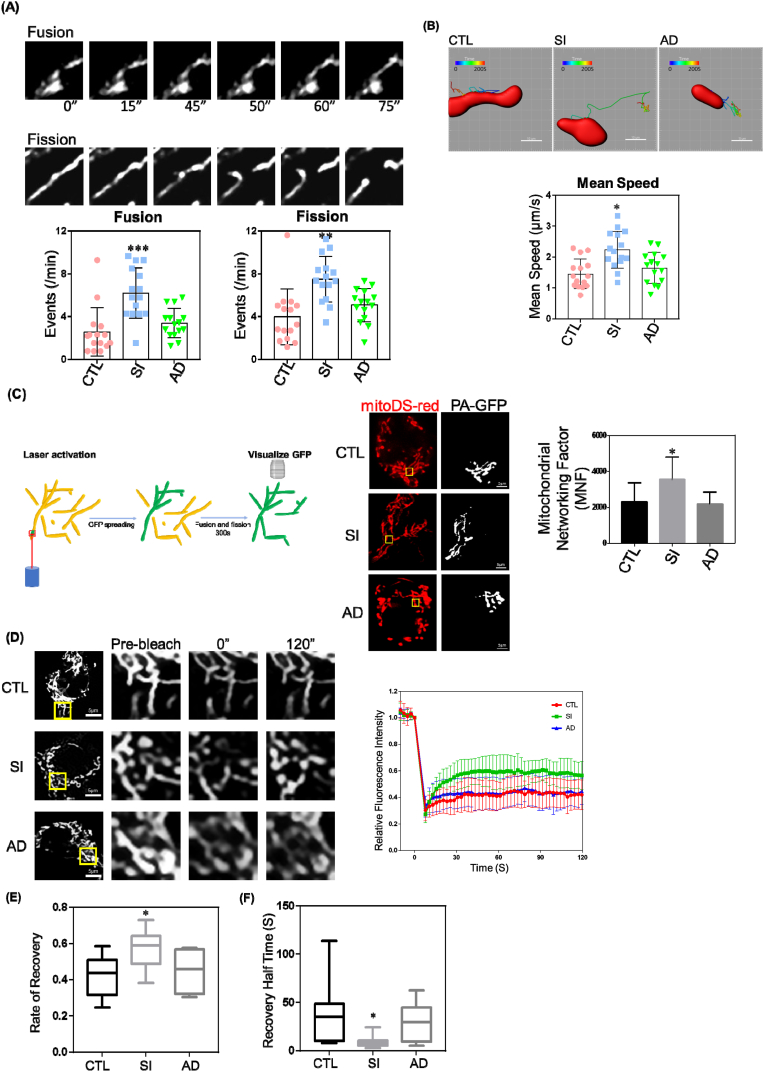
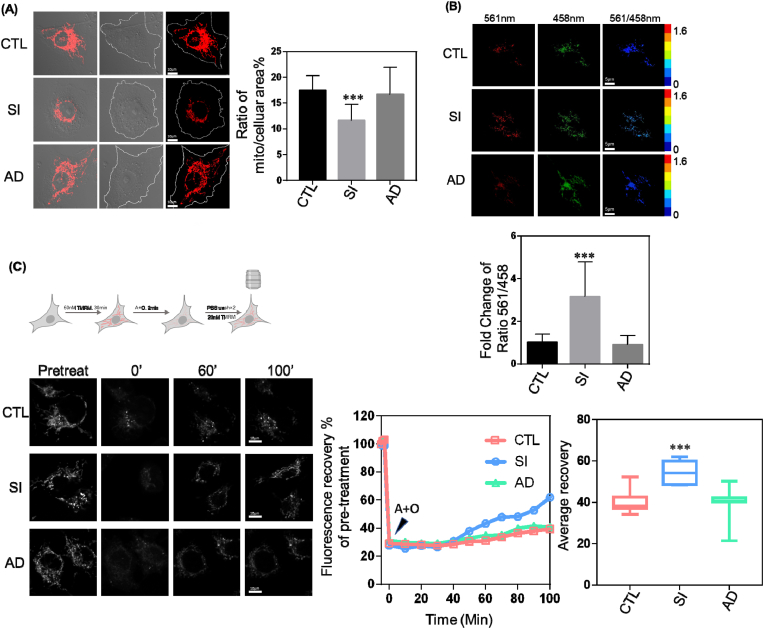
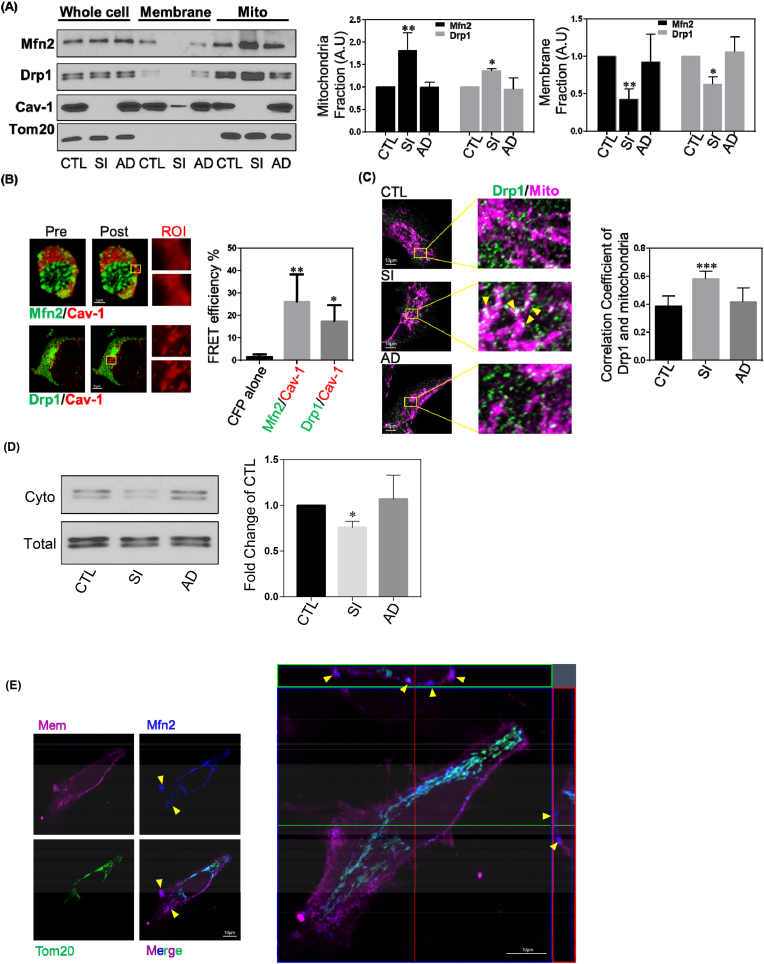
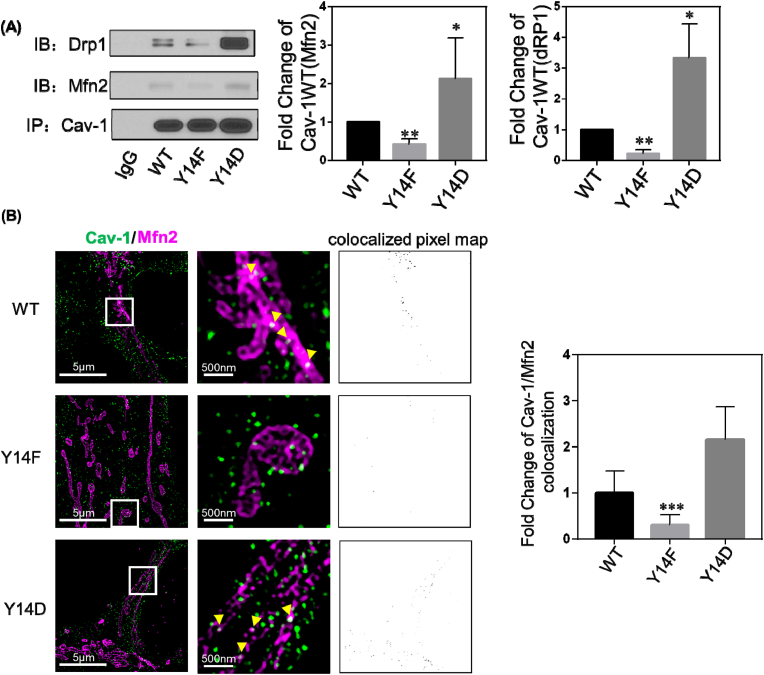
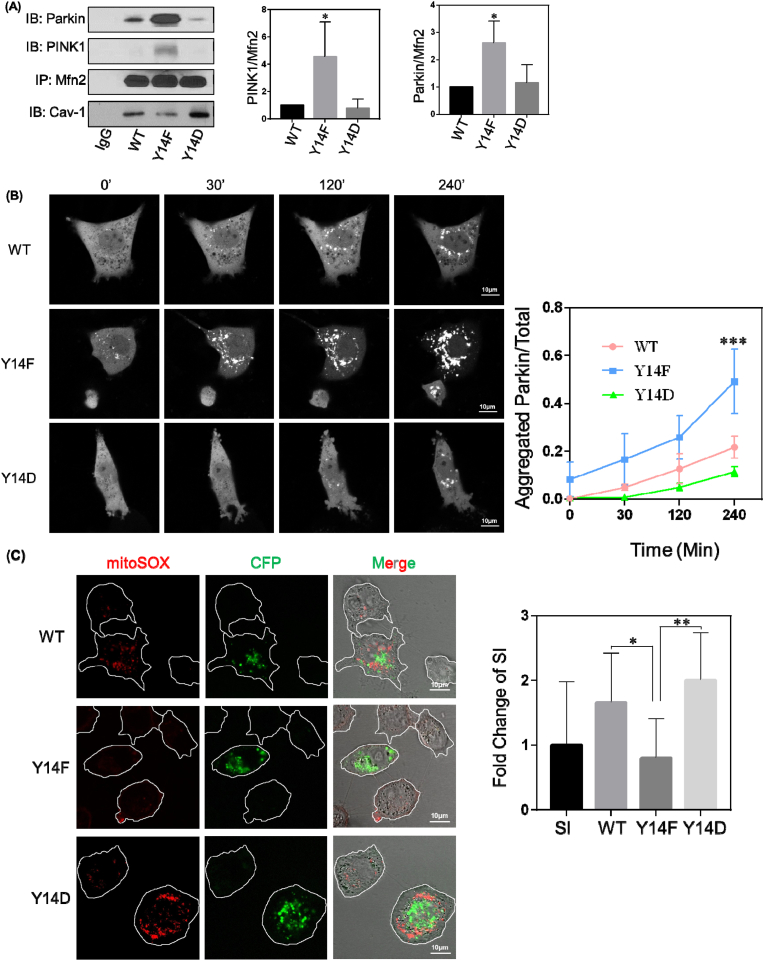
As essential regulators of mitochondrial quality control, mitochondrial dynamics and mitophagy play key roles in maintenance of metabolic health and cellular homeostasis. Here we show that knockdown of the membrane-inserted scaffolding and structural protein caveolin-1 (Cav-1) and expression of tyrosine 14 phospho-defective Cav-1 mutant (Y14F), as opposed to phospho-mimicking Y14D, altered mitochondrial morphology, and increased mitochondrial matrix mixing, mitochondrial fusion and fission dynamics as well as mitophagy in MDA-MB-231 triple negative breast cancer cells. Further, we found that interaction of Cav-1 with mitochondrial fusion/fission machinery Mitofusin 2 (Mfn2) and Dynamin related protein 1 (Drp1) was enhanced by Y14D mutant indicating Cav-1 Y14 phosphorylation prevented Mfn2 and Drp1 translocation to mitochondria. Moreover, limiting mitochondrial recruitment of Mfn2 diminished formation of the PINK1/Mfn2/Parkin complex required for initiation of mitophagy resulting in accumulation of damaged mitochondria and ROS (mtROS). Thus, these studies indicate that phospho-Cav-1 may be an important switch mechanism in cancer cell survival which could lead to novel strategies for complementing cancer therapies.
作为线粒体质量控制的重要调节因子,线粒体动力学和线粒体自噬在维持代谢健康和细胞内稳态方面发挥着关键作用。在这里,我们表明,与磷酸化模拟 Y14D 相反,膜插入支架和结构蛋白 caveolin-1 (Cav-1) 的敲低和酪氨酸 14 磷酸缺陷 Cav-1 突变体 (Y14F) 的表达改变了 MDA-MB-231 三阴性乳腺癌细胞中的线粒体形态,并增加了线粒体基质混合、线粒体融合和分裂动力学以及线粒体自噬。此外,我们发现 Cav-1 与线粒体融合/分裂机制 Mitofusin 2 (Mfn2) 和 Dynamin 相关蛋白 1 (Drp1) 的相互作用被 Y14D 突变体增强,表明 Cav-1 Y14 磷酸化阻止了 Mfn2 和 Drp1 向线粒体的易位。此外,限制 Mfn2 向线粒体的募集减少了 PINK1/Mfn2/Parkin 复合物的形成,该复合物是启动线粒体自噬所必需的,导致受损线粒体和 ROS(mtROS)的积累。因此,这些研究表明,磷酸化 Cav-1 可能是癌细胞存活的重要开关机制,这可能为补充癌症治疗提供新的策略。