Australian Safety and Efficacy Register of New Interventional Procedures-Surgical, Royal Australasian College of Surgeons, Adelaide, South Australia, Australia.
Adelaide Medical School, University of Adelaide, Adelaide, South Australia, Australia.
ANZ J Surg. 2022 Oct;92(10):2492-2499. doi: 10.1111/ans.17721. Epub 2022 Apr 21.
Mesh is frequently utilized intraoperatively for the repair of groin hernias. However, patients may request non-mesh hernia repairs owing to adverse events reported in other mesh procedures. To inform surgical safety, this study aimed to compare postoperative complications between mesh and non-mesh groin hernia repairs and identify other operative and patient-related risk factors associated with poor postoperative outcomes.
Ovid MEDLINE and grey literature were searched to 9 June 2021 for studies comparing mesh to non-mesh techniques for primary groin hernia repair. Outcomes of interest were postoperative complications, recurrence of hernia, pain and risk factors associated with poorer surgical outcomes. Methodological quality was appraised using the AMSTAR 2 tool.
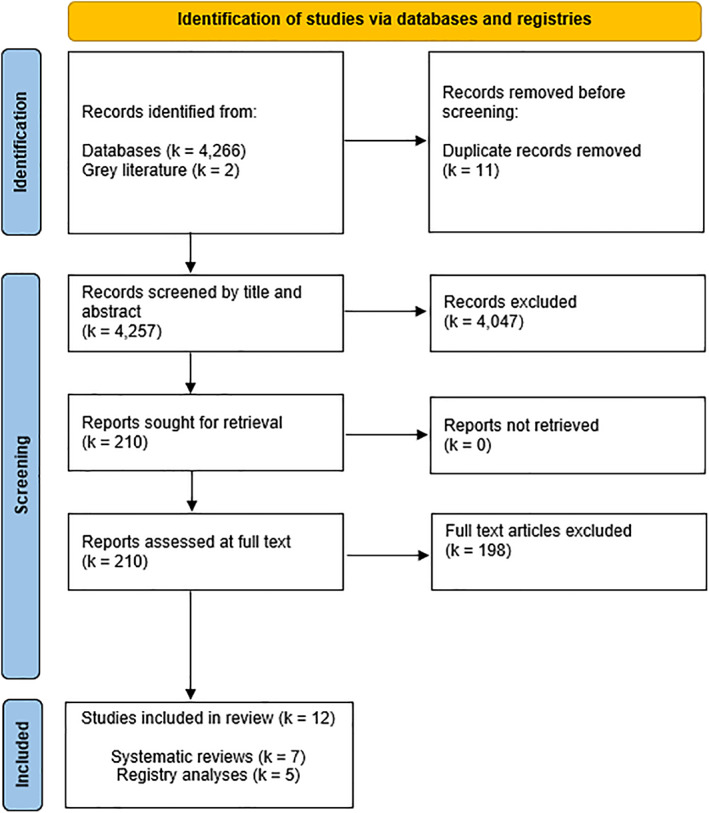
The systematic search returned 4268 results, which included seven systematic reviews and five registry analyses. Mesh repair techniques resulted in lower hernia recurrence rates, with no difference in chronic pain, seroma, haematoma or wound infection, compared to non-mesh techniques. Risk factors associated with increased risk of hernia recurrence were increased body mass index (BMI), positive smoking status and direct hernia. These were independent of surgical technique. Patients under 40 years of age were at increased risk of postoperative pain.
Surgical repair of primary groin hernias using mesh achieves lower recurrence rates, with no difference in safety outcomes, compared with non-mesh repairs. Additional risk factors associated with increased recurrence include increased BMI, history of smoking and hernia subtype.
网片经常被用于腹股沟疝的术中修复。然而,由于其他网片手术中报告的不良事件,患者可能会要求进行非网片疝修复。为了告知手术安全性,本研究旨在比较网片和非网片腹股沟疝修复术后并发症,并确定与术后不良结局相关的其他手术和患者相关的风险因素。
Ovid MEDLINE 和灰色文献数据库检索至 2021 年 6 月 9 日,以比较原发性腹股沟疝修复中使用网片与非网片技术的研究。感兴趣的结局包括术后并发症、疝复发、疼痛和与较差手术结局相关的风险因素。使用 AMSTAR 2 工具评估方法学质量。
系统检索共返回 4268 项结果,其中包括 7 项系统评价和 5 项注册分析。与非网片技术相比,网片修复技术可降低疝复发率,但慢性疼痛、血清肿、血肿或伤口感染发生率无差异。与疝复发风险增加相关的风险因素包括体重指数(BMI)增加、吸烟状况阳性和直接疝。这些与手术技术无关。年龄小于 40 岁的患者术后疼痛风险增加。
与非网片修复相比,使用网片修复原发性腹股沟疝可降低复发率,且安全性结局无差异。与复发风险增加相关的其他风险因素包括 BMI 增加、吸烟史和疝亚型。