van Thiel Isabelle A M, Rahman Shafaque, Hakvoort Theodorus B M, Davids Mark, Verseijden Caroline, van Hamersveld Patricia H P, Bénard Mèlanie V, Lodders Maarten H, Boekhout Teun, van den Wijngaard René M, Heinsbroek Sigrid E M, Ponsioen Cyriel Y, de Jonge Wouter J
Tytgat Institute for Liver and Intestinal Research, Amsterdam University Medical Centers, Location AMC, University of Amsterdam, Meibergdreef 9, 1105 AZ Amsterdam, The Netherlands.
Amsterdam Gastroenterology, Endocrinology, Metabolism (AGEM), 1105 AZ Amsterdam, The Netherlands.
Microorganisms. 2022 Mar 29;10(4):737. doi: 10.3390/microorganisms10040737.
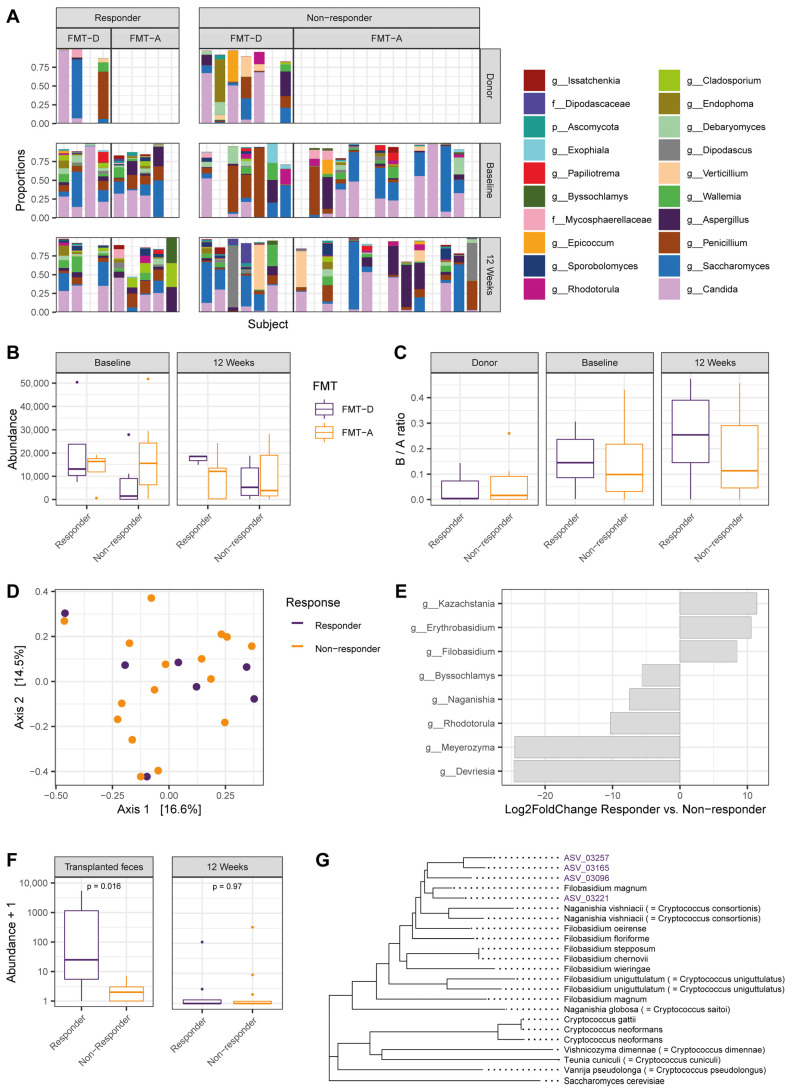
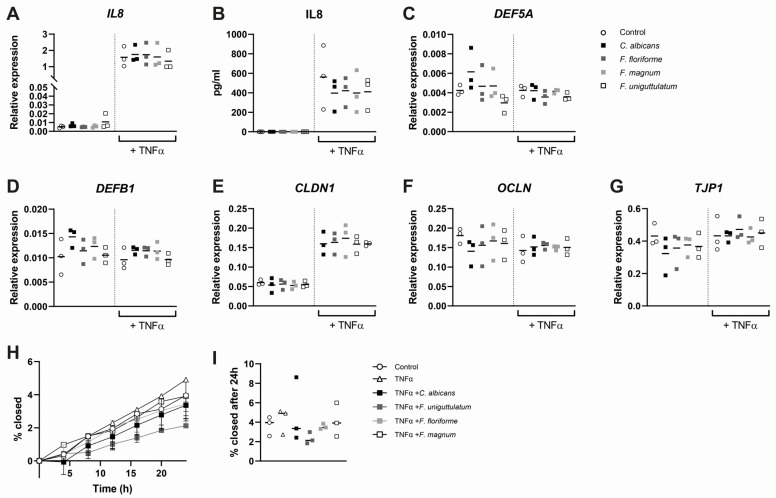
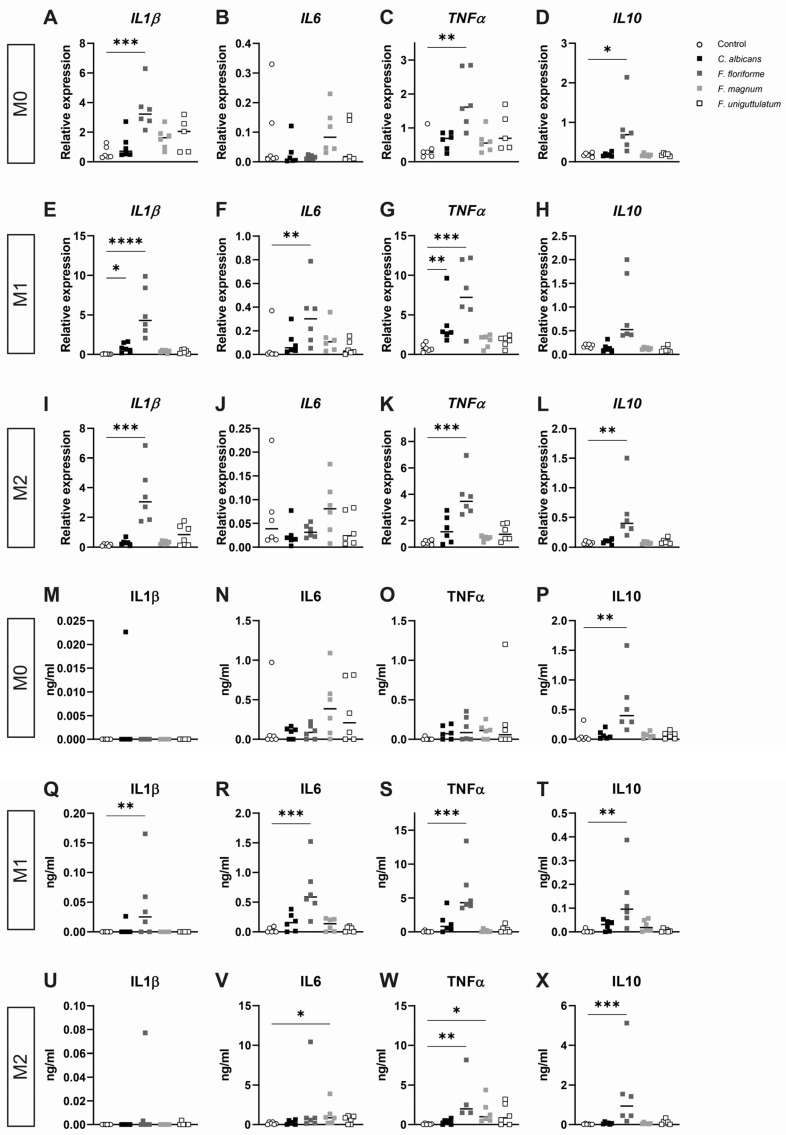
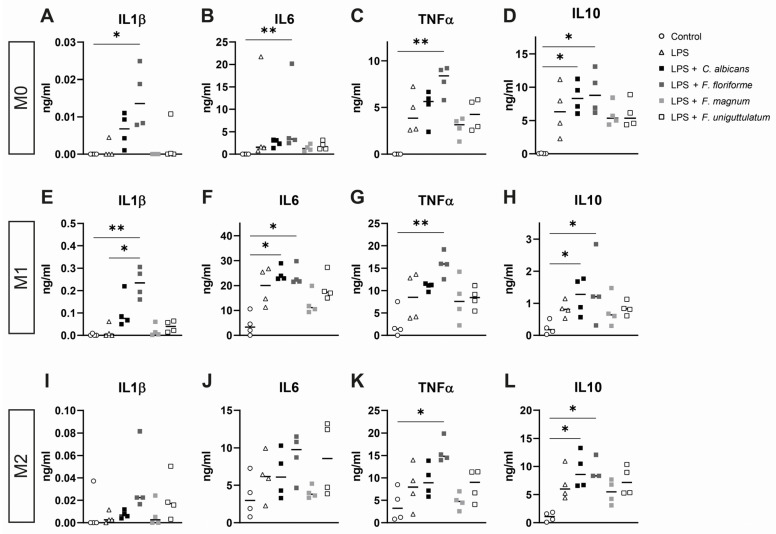
Fecal microbiota transplantation (FMT) has the potential to restore (bacterial and fungal) microbial imbalance in ulcerative colitis (UC) patients and contribute to disease remission. Here, we aimed to identify fecal fungal species associated with the induction of clinical remission and endoscopic response to FMT for patients with mild-to-moderate ulcerative colitis. We analyzed the internal transcribed spacer 1 (ITS1)-based mycobiota composition in fecal samples from patients ( = 31) and donors ( = 7) that participated previously in a double-blinded randomized control trial evaluating the efficacy of two infusions of donor FMT compared with autologous FMT. The abundance of the yeast genus in fecal material used for transplantation was shown to correlate with clinical remission following FMT, irrespective of its presence in the material of donor or autologous fecal microbiota transfer. The amplified sequence variants within the genus most closely resembled . Monocyte-derived macrophages and HT29 epithelial cells were stimulated with fungal species. Especially elicited an IL10 response in monocyte-derived macrophages, along with secretion of other cytokines following stimulation with other species. No effect of spp. was seen on epithelial wound healing in scratch assays. In conclusion, the enriched presence of spp. in donor feces is associated with the positive response to FMT for patients with UC and hence it may serve as a predictive fungal biomarker for successful FMT.
粪便微生物群移植(FMT)有潜力恢复溃疡性结肠炎(UC)患者(细菌和真菌)的微生物失衡,并有助于疾病缓解。在此,我们旨在确定与轻至中度溃疡性结肠炎患者FMT诱导临床缓解和内镜反应相关的粪便真菌种类。我们分析了先前参与一项双盲随机对照试验的患者(n = 31)和供体(n = 7)粪便样本中基于内转录间隔区1(ITS1)的真菌群落组成,该试验评估了两次输注供体FMT与自体FMT的疗效。结果显示,用于移植的粪便材料中酵母属的丰度与FMT后的临床缓解相关,无论其在供体或自体粪便微生物群转移材料中是否存在。酵母属内扩增的序列变体与酿酒酵母最为相似。用真菌种类刺激单核细胞衍生的巨噬细胞和HT29上皮细胞。特别是酿酒酵母在单核细胞衍生的巨噬细胞中引发了IL10反应,以及在用其他酵母种类刺激后其他细胞因子的分泌。在划痕试验中未观察到酿酒酵母属对上皮伤口愈合的影响。总之,供体粪便中酿酒酵母属的丰富存在与UC患者对FMT的阳性反应相关,因此它可能作为FMT成功的预测性真菌生物标志物。