State Key Laboratory of Rice Biology, China National Rice Research Institute, Hangzhou 310006, China.
Department of Agricultural Biotechnology, Institute of Biotechnology, University of Gondar, Gondar P.O. Box 196, Ethiopia.
Int J Mol Sci. 2022 Apr 18;23(8):4454. doi: 10.3390/ijms23084454.
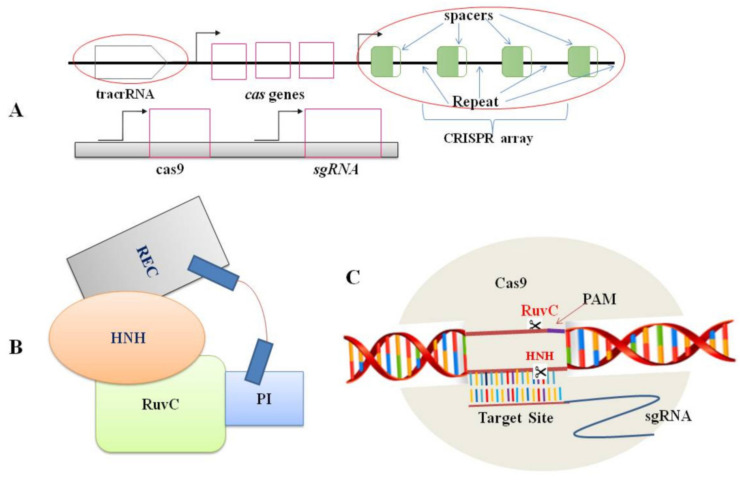
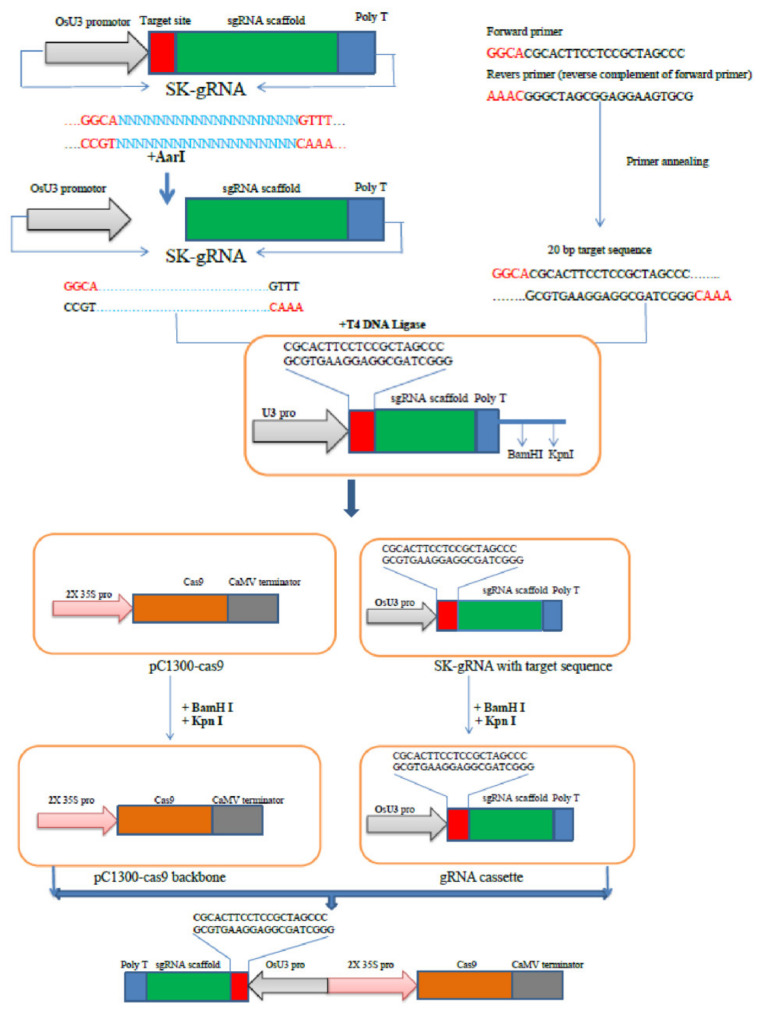
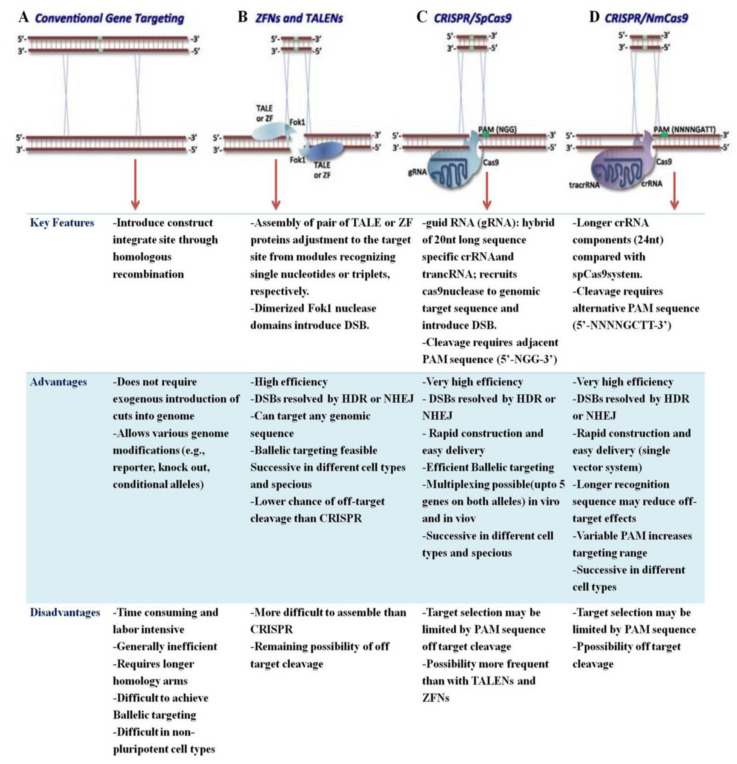
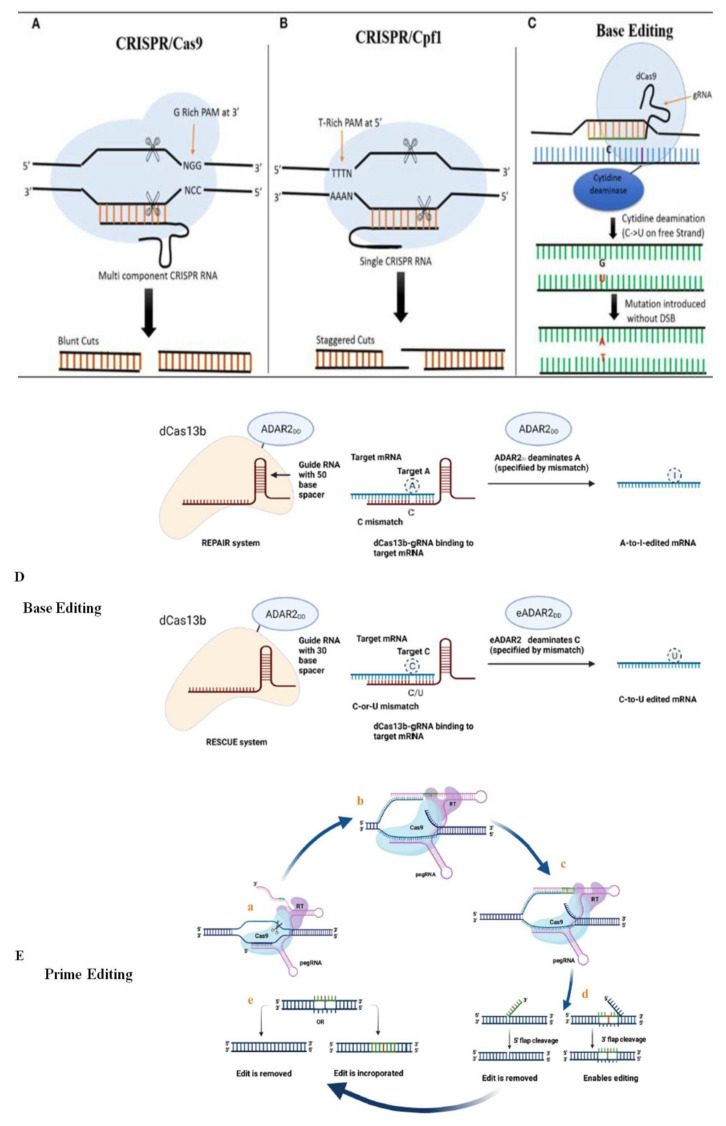
To increase the potentiality of crop production for future food security, new technologies for plant breeding are required, including genome editing technology-being one of the most promising. Genome editing with the CRISPR/Cas system has attracted researchers in the last decade as a safer and easier tool for genome editing in a variety of living organisms including rice. Genome editing has transformed agriculture by reducing biotic and abiotic stresses and increasing yield. Recently, genome editing technologies have been developed quickly in order to avoid the challenges that genetically modified crops face. Developing transgenic-free edited plants without introducing foreign DNA has received regulatory approval in a number of countries. Several ongoing efforts from various countries are rapidly expanding to adopt the innovations. This review covers the mechanisms of CRISPR/Cas9, comparisons of CRISPR/Cas9 with other gene-editing technologies-including newly emerged Cas variants-and focuses on CRISPR/Cas9-targeted genes for rice crop improvement. We have further highlighted CRISPR/Cas9 vector construction model design and different bioinformatics tools for target site selection.
为了提高未来粮食安全的作物生产潜力,需要新的植物育种技术,包括基因组编辑技术——这是最有前途的技术之一。在过去的十年中,CRISPR/Cas 系统的基因组编辑吸引了研究人员的关注,因为它是一种在包括水稻在内的各种生物中进行基因组编辑更安全、更容易的工具。基因组编辑通过减少生物和非生物胁迫以及提高产量,改变了农业。最近,为了避免转基因作物面临的挑战,基因组编辑技术发展迅速。在许多国家,开发不引入外源 DNA 的无转基因编辑植物已获得监管部门的批准。来自不同国家的几项正在进行的努力正在迅速扩大,以采用这些创新。本文综述了 CRISPR/Cas9 的机制,比较了 CRISPR/Cas9 与其他基因编辑技术——包括新出现的 Cas 变体,并重点介绍了 CRISPR/Cas9 靶向水稻作物改良的基因。我们进一步强调了 CRISPR/Cas9 载体构建模型设计和不同的生物信息学工具用于目标位点选择。