Si Jinhao, Duan Ruiguang, Zhang Menglin, Liu Xiaomin
School of Physics and Microelectronics, Zhengzhou University, Zhengzhou 450001, China.
Nanomaterials (Basel). 2022 Apr 18;12(8):1385. doi: 10.3390/nano12081385.
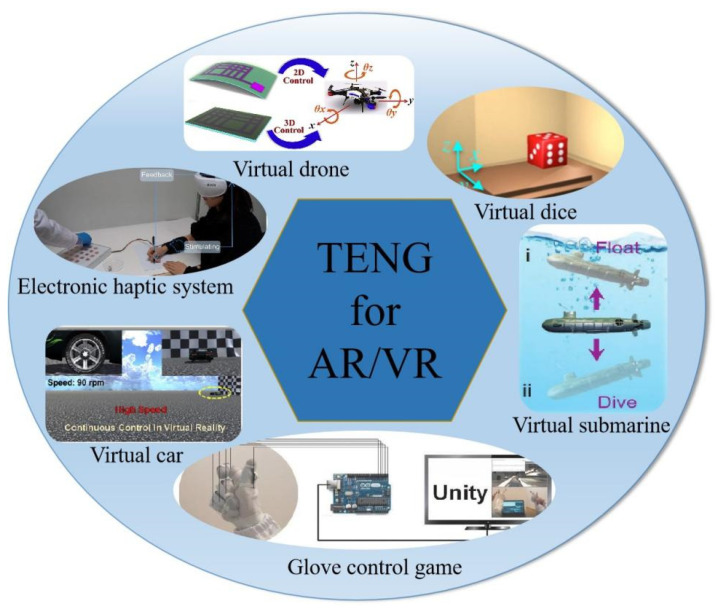
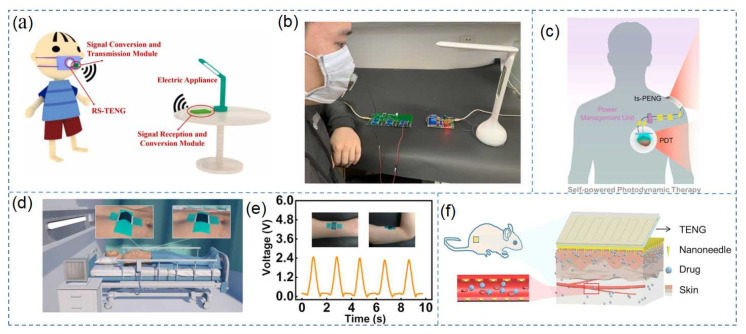
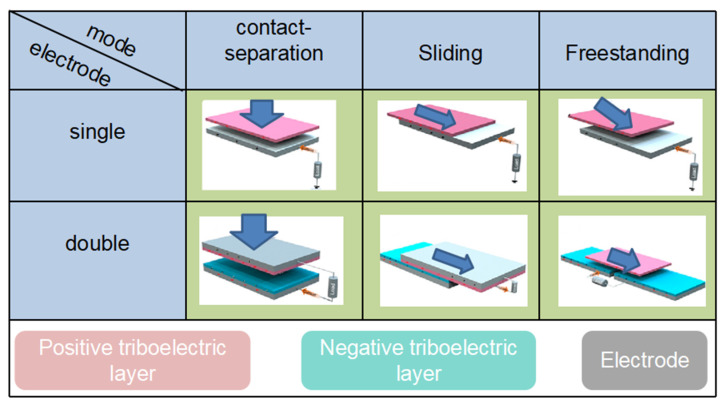
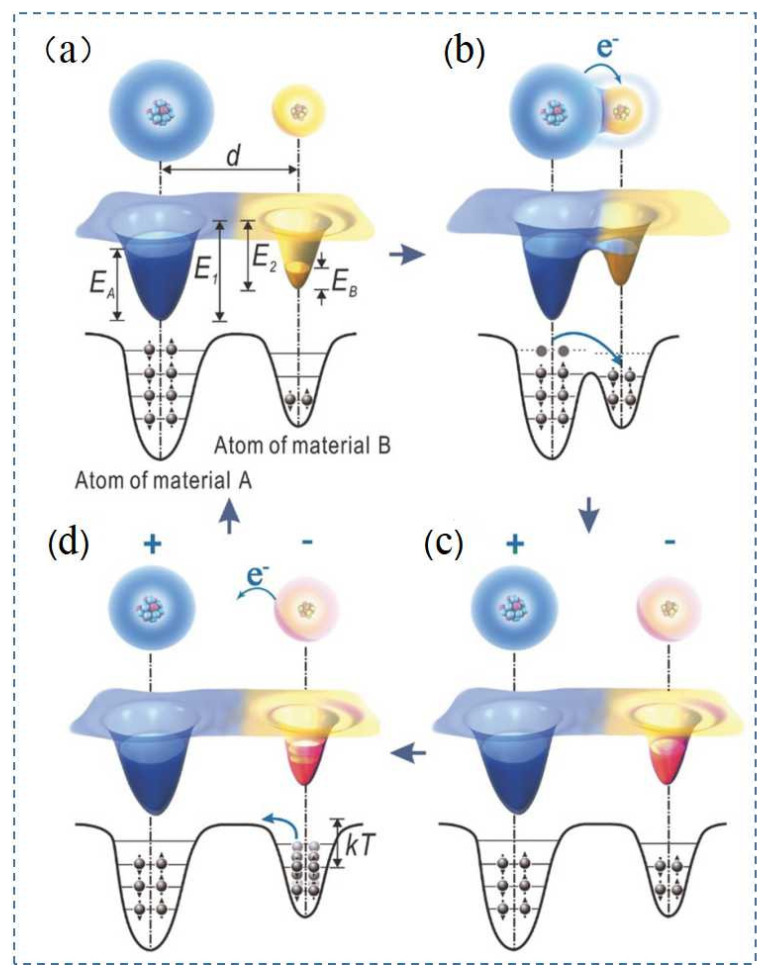
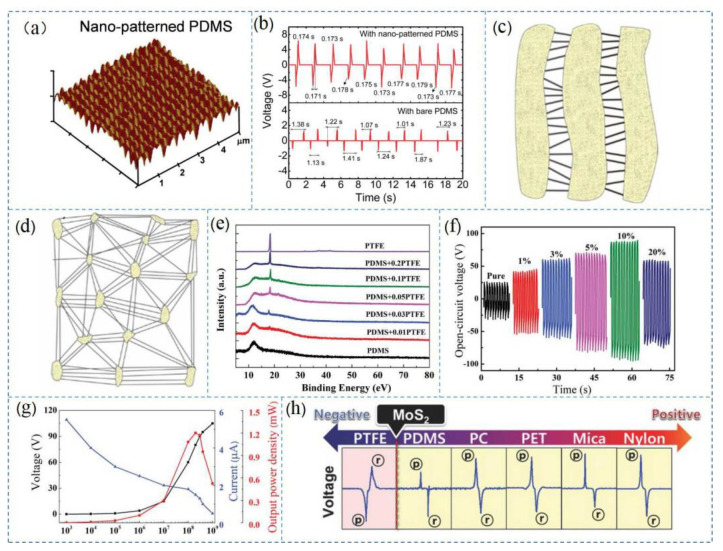
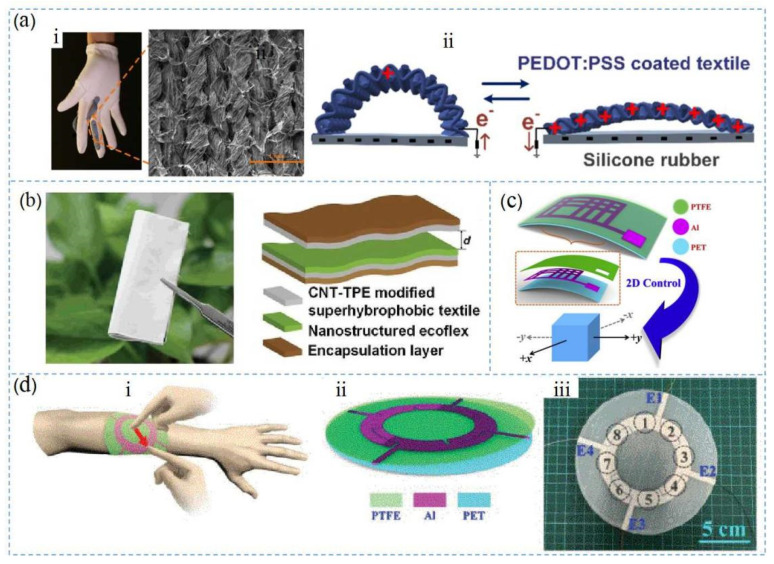
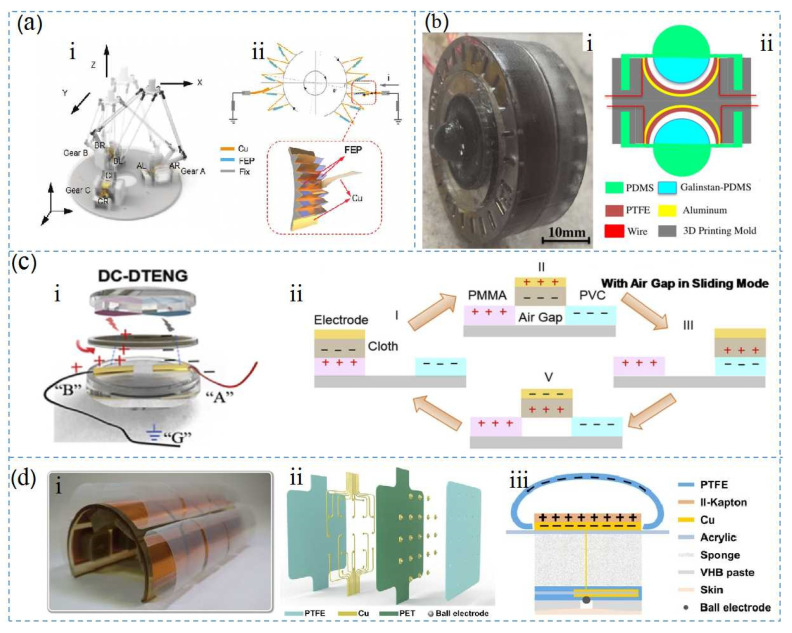
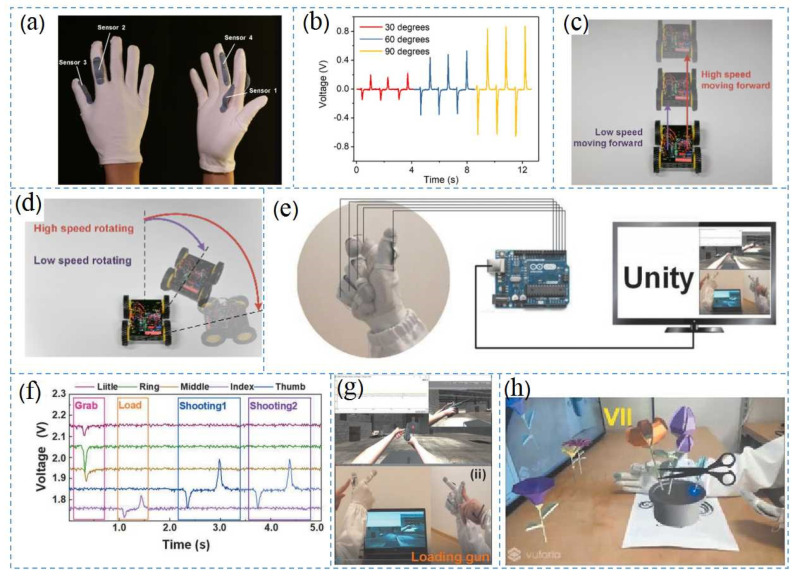
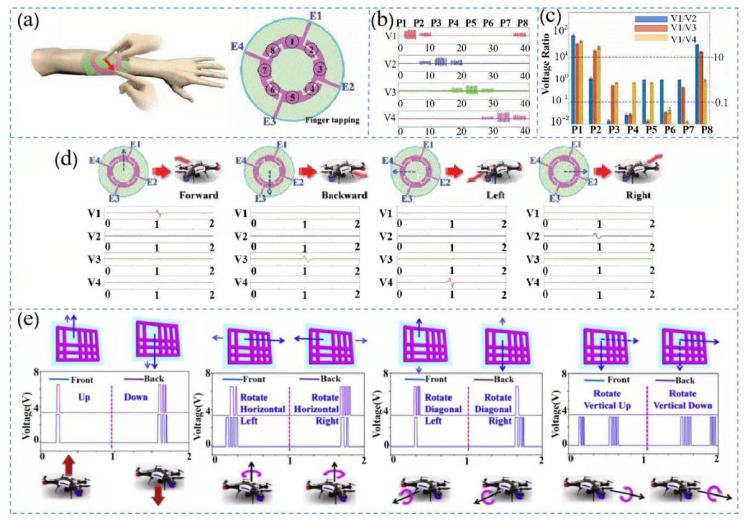
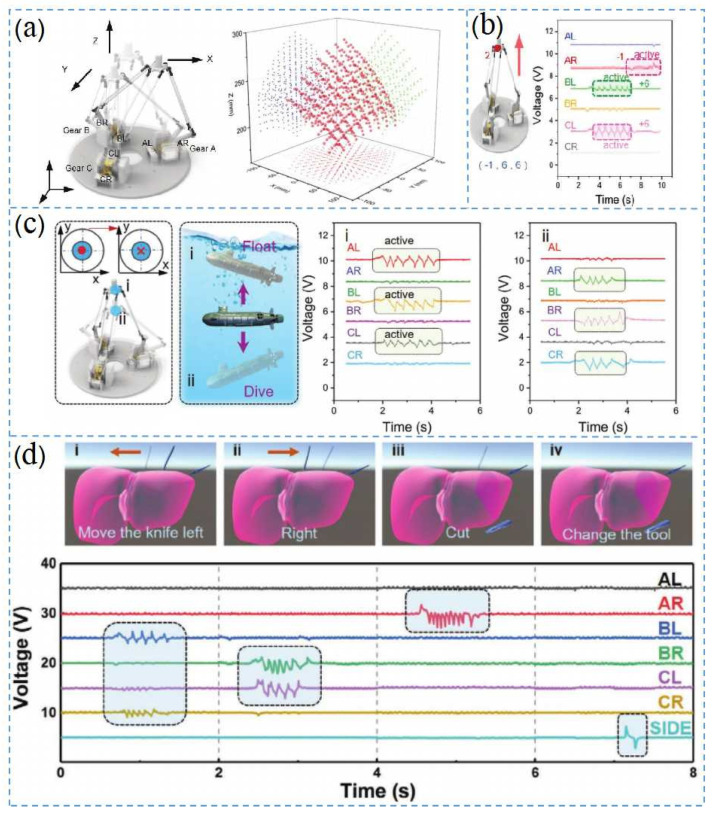
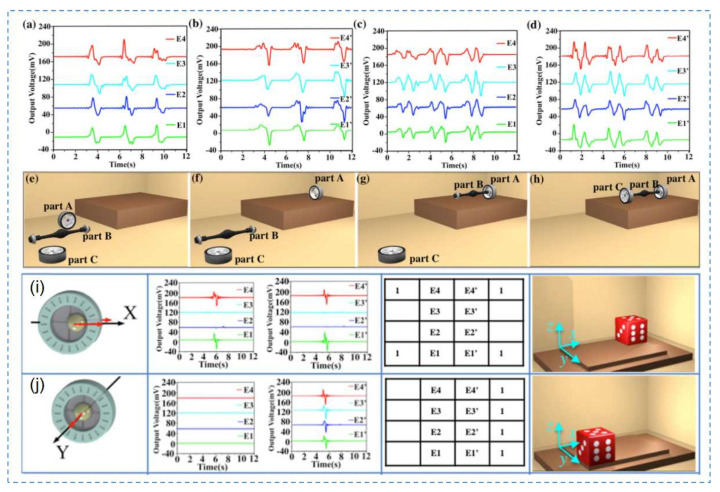
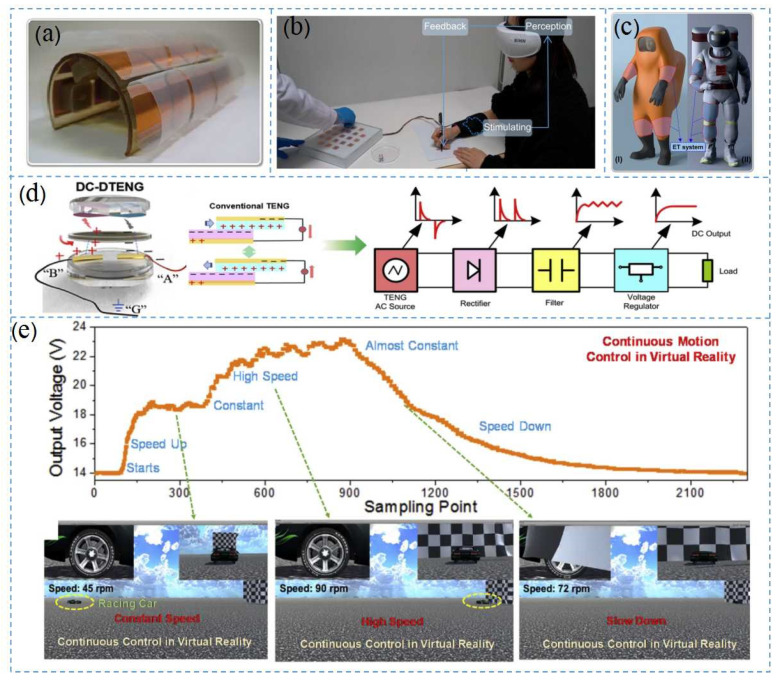
With the continuous advancement in technology, electronic products used in augmented reality (AR) and virtual reality (VR) have gradually entered the public eye. As a result, the power supplies of these electronic devices have attracted more attention from scientists. Compared to traditional power sources, triboelectric nanogenerators (TENGs) are gradually being used for energy harvesting in self-powered sensing technology such as wearable flexible electronics, including AR and VR devices due to their small size, high conversion efficiency, and low energy consumption. As a result, TENGs are the most popular power supplies for AR and VR products. This article first summarizes the working mode and basic theory of TENGs, then reviews the TENG modules used in AR and VR devices, and finally summarizes the material selection and design methods used for TENG preparation. The friction layer of the TENG can be made of a variety of materials such as polymers, metals, and inorganic materials, and among these, polytetrafluoroethylene (PTFE) and polydimethylsiloxane (PDMS) are the most popular materials. To improve TENG performance, the friction layer material must be suitable. Therefore, for different application scenarios, the design methods of the TENG play an important role in its performance, and a reasonable selection of preparation materials and design methods can greatly improve the work efficiency of the TENG. Lastly, we summarize the current research status of nanogenerators, analyze and suggest future application fields, and summarize the main points of material selection.
随着技术的不断进步,用于增强现实(AR)和虚拟现实(VR)的电子产品逐渐进入公众视野。因此,这些电子设备的电源吸引了科学家们更多的关注。与传统电源相比,摩擦纳米发电机(TENG)由于其体积小、转换效率高和能耗低,正逐渐被用于自供电传感技术中的能量收集,如包括AR和VR设备在内的可穿戴柔性电子产品。因此,TENG是AR和VR产品中最受欢迎的电源。本文首先总结了TENG的工作模式和基本理论,然后回顾了AR和VR设备中使用的TENG模块,最后总结了用于TENG制备的材料选择和设计方法。TENG的摩擦层可以由多种材料制成,如聚合物、金属和无机材料,其中聚四氟乙烯(PTFE)和聚二甲基硅氧烷(PDMS)是最常用的材料。为了提高TENG的性能,摩擦层材料必须合适。因此,对于不同的应用场景,TENG的设计方法对其性能起着重要作用,合理选择制备材料和设计方法可以大大提高TENG的工作效率。最后,我们总结了纳米发电机的当前研究现状,分析并提出了未来的应用领域,并总结了材料选择的要点。