Wu Jiahui, He Xiao, Xiong Ziwei, Shi Lingyu, Chen Daofeng, Feng Yulin, Wen Quan
Pharmacy, Jiangxi University of Chinese Medicine, Jiangxi, China.
National Pharmaceutical Engineering Center for Solid Preparation in Chinese Herbal Medicine, Jiangxi, China.
Front Oncol. 2022 Apr 8;12:855603. doi: 10.3389/fonc.2022.855603. eCollection 2022.
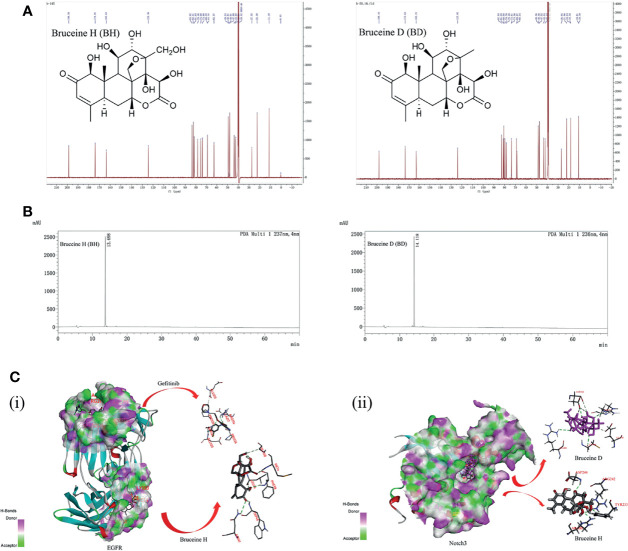
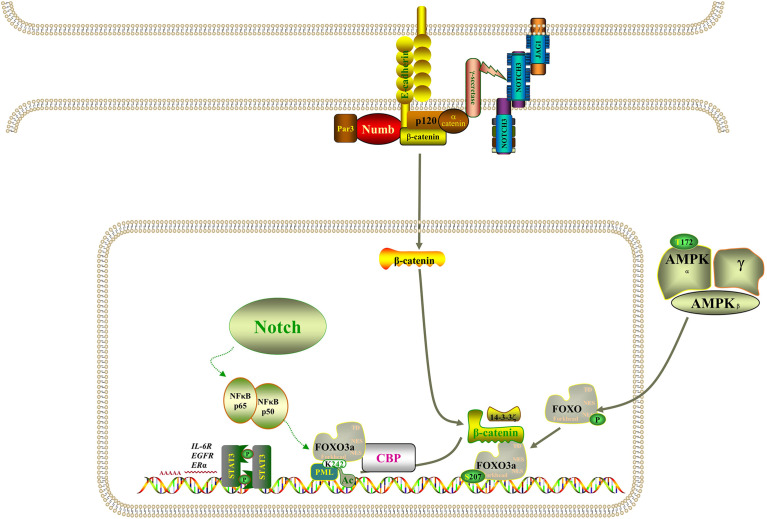
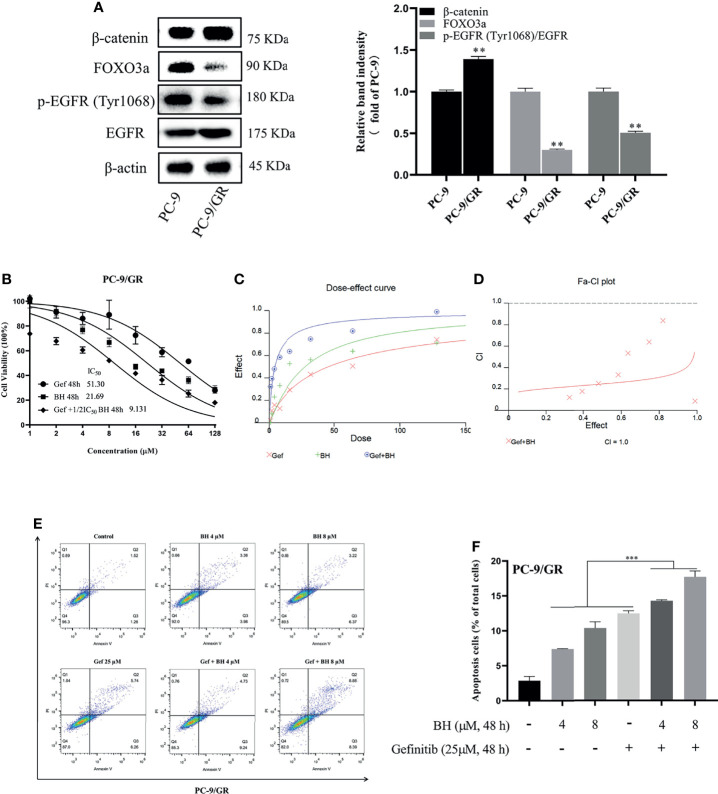
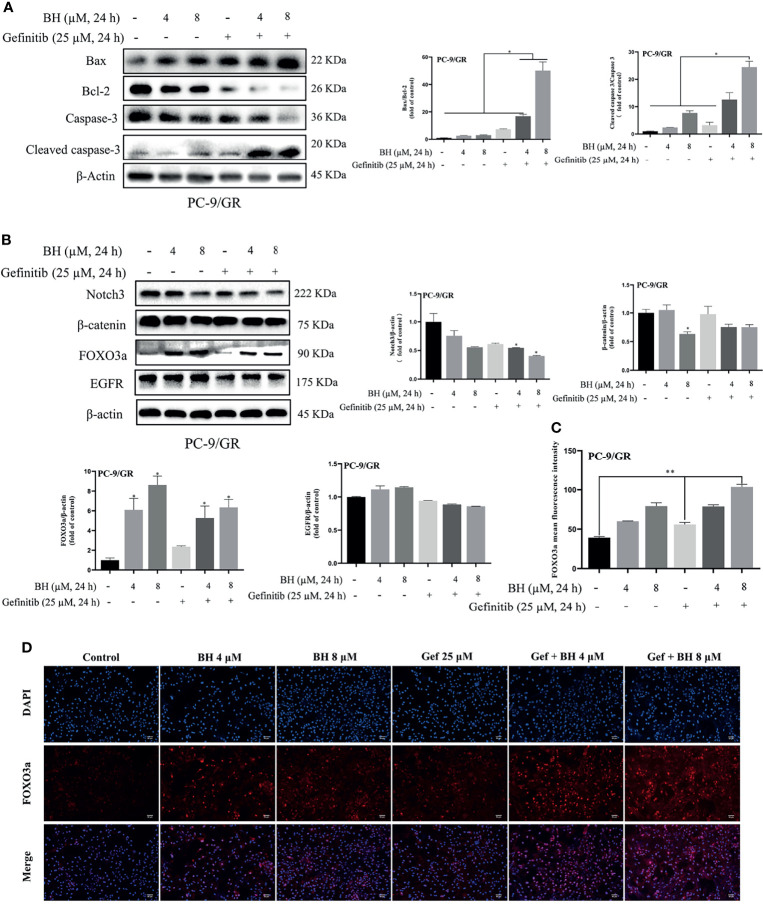
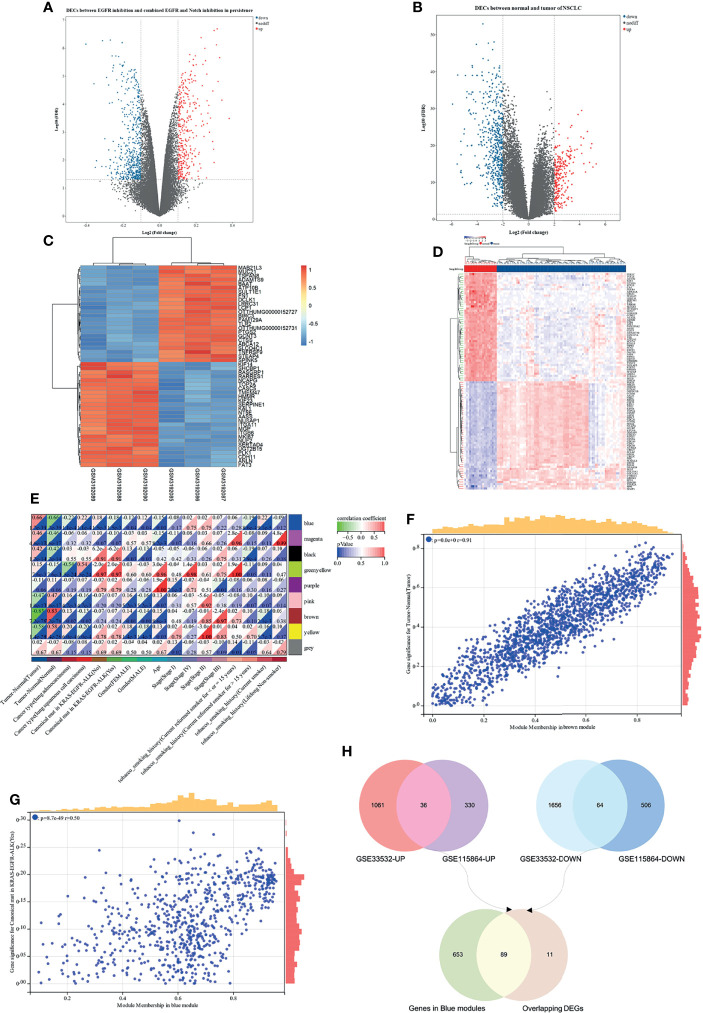
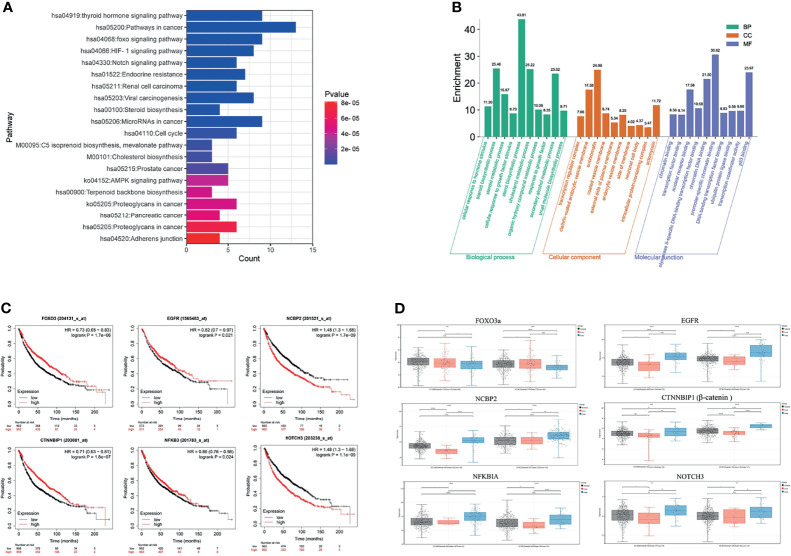
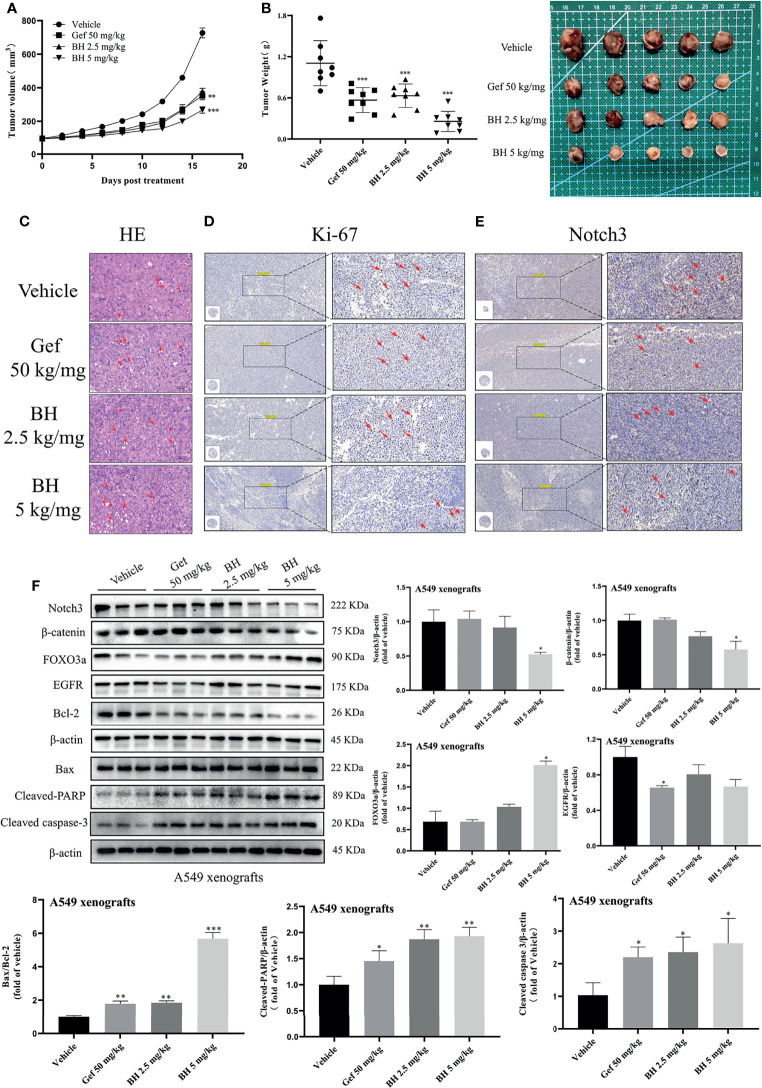
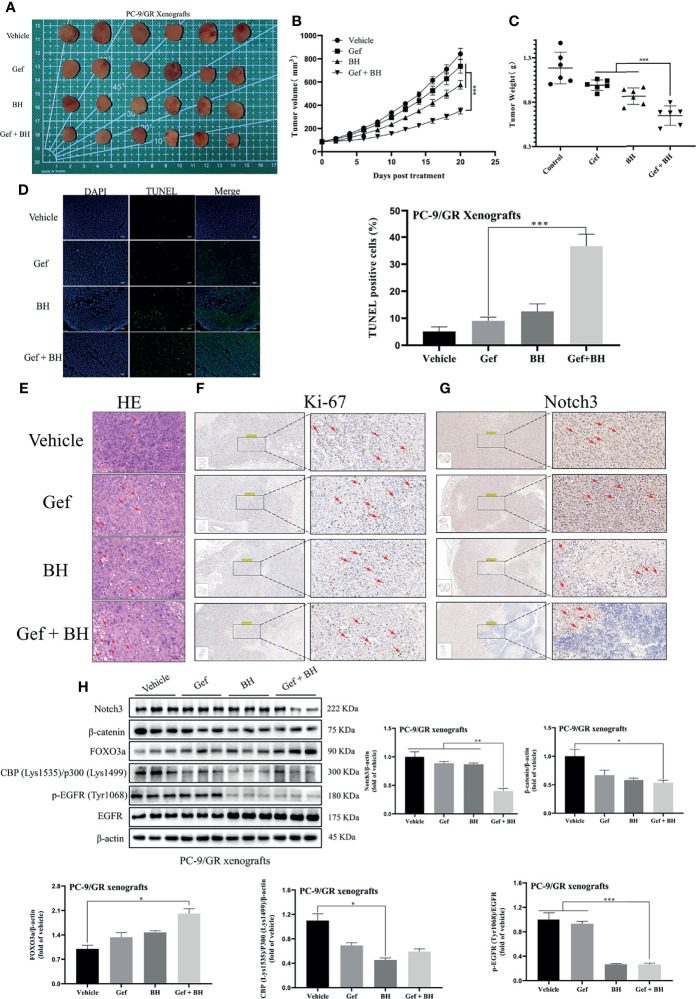
Tyrosine kinase inhibitors (TKIs) targeting epidermal growth factor receptor (EGFR) protein serve as a critical pillar in the treatment of non-small cell lung cancer (NSCLC), but resistance is universal. Identifying the potential key factors of drug resistance to EGFR-TKIs is essential to treat patients with EGFR mutant lung cancer. Our research here shows that bruceine H suppressed the proliferation, migration, and invasion of lung cancer cells; inhibited the growth of human NSCLC cell xenografts; and enhanced the therapeutic effects of gefitinib in the PC-9/GR xenograft models, possibly by inhibiting Notch3. In order to analyze the potential targets of the combination of Notch3 and EGFR-TKIs on resistance to EGFR, we analyzed the differences of gene expression between NSCLC tissues and EGFR-driven gefitinib-resistant tumoral groups and then identify through the WGCNA key genes that may provide therapeutic targets for TKI-resistant lung cancer xenograft models. We confirmed that EGFR-TKI in combination with Notch3 inhibitor can inhibit the expression of β-catenin and enhance the level of FOXO3a, leading to improved recurrence-free survival and overall survival of the xenotransplantation model. These results support that the combination of gefitinib and bruceine H may provide a promising alternative strategy for treating acquired EGFR-TKI resistance in patients with NSCLC.
靶向表皮生长因子受体(EGFR)蛋白的酪氨酸激酶抑制剂(TKIs)是治疗非小细胞肺癌(NSCLC)的关键支柱,但耐药性普遍存在。确定EGFR-TKIs耐药的潜在关键因素对于治疗EGFR突变型肺癌患者至关重要。我们的研究表明,鸦胆子素H抑制肺癌细胞的增殖、迁移和侵袭;抑制人NSCLC细胞异种移植瘤的生长;并增强吉非替尼在PC-9/GR异种移植模型中的治疗效果,可能是通过抑制Notch3实现的。为了分析Notch3与EGFR-TKIs联合作用对EGFR耐药的潜在靶点,我们分析了NSCLC组织与EGFR驱动的吉非替尼耐药肿瘤组之间的基因表达差异,然后通过加权基因共表达网络分析(WGCNA)确定可能为TKI耐药肺癌异种移植模型提供治疗靶点的关键基因。我们证实,EGFR-TKI与Notch3抑制剂联合可抑制β-连环蛋白的表达并提高FOXO3a的水平,从而改善异种移植模型的无复发生存期和总生存期。这些结果支持吉非替尼与鸦胆子素H联合使用可能为治疗NSCLC患者获得性EGFR-TKI耐药提供一种有前景的替代策略。