Zhong Jimmy Y, Goh Sim Kuan, Woo Chuan Jie, Alam Sameer
Air Traffic Management Research Institute (ATMRI), School of Mechanical and Aerospace Engineering, Nanyang Technological University, Singapore, Singapore.
Office of Education Research, National Institute of Education, Nanyang Technological University, Singapore, Singapore.
Front Hum Neurosci. 2022 Apr 8;16:739866. doi: 10.3389/fnhum.2022.739866. eCollection 2022.
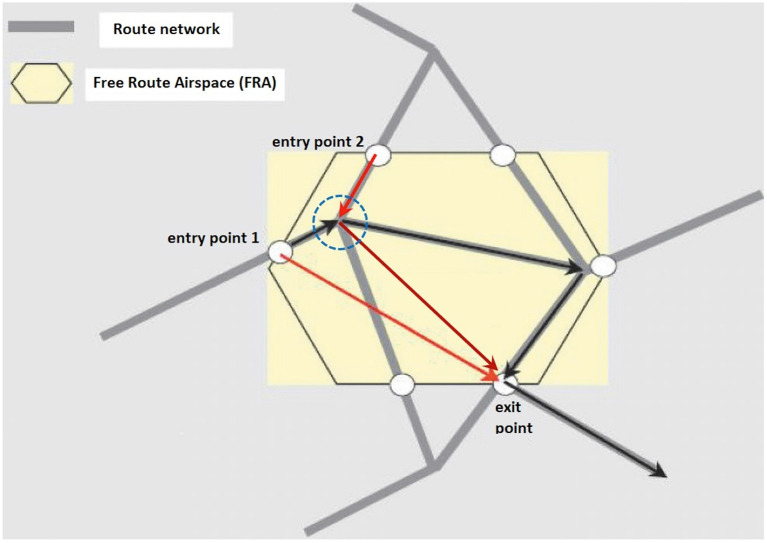
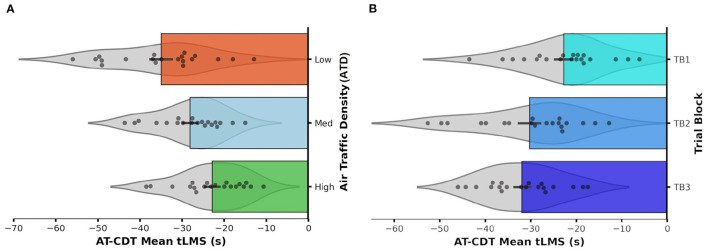
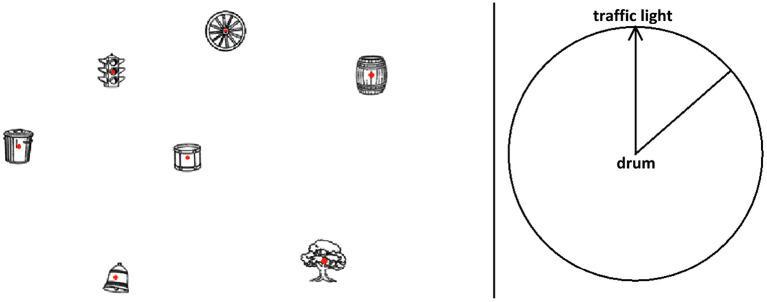
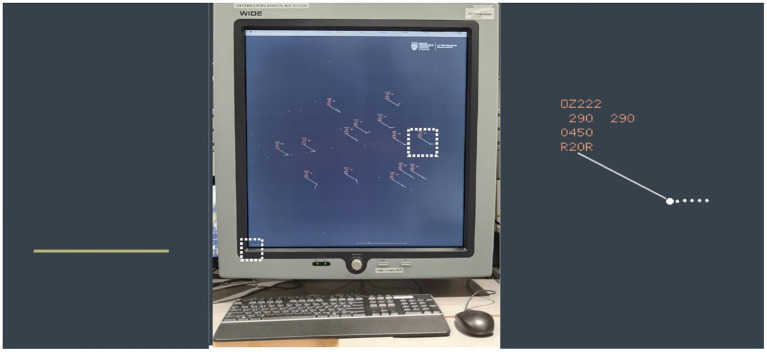
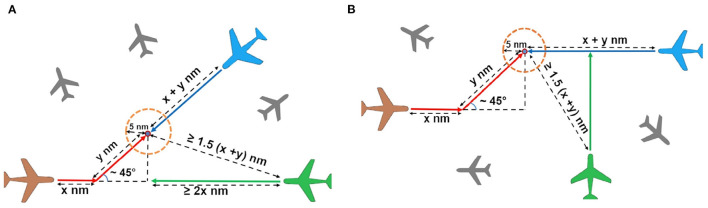
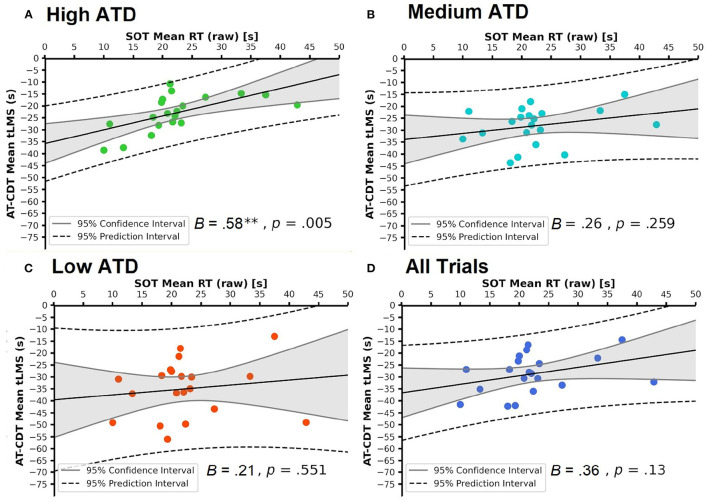
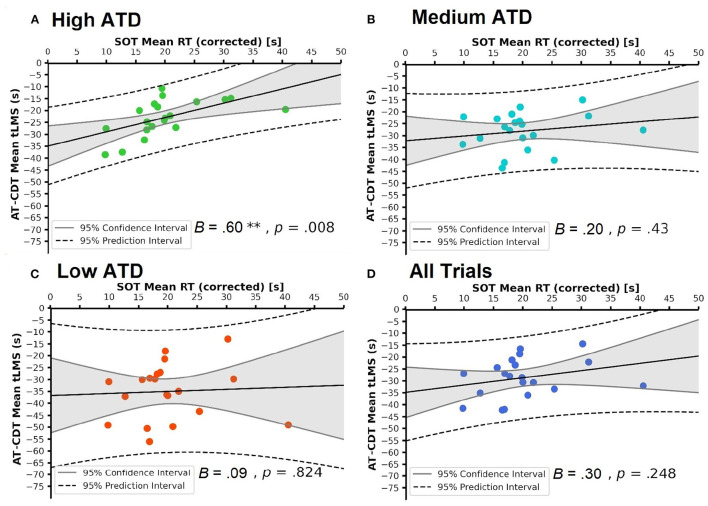
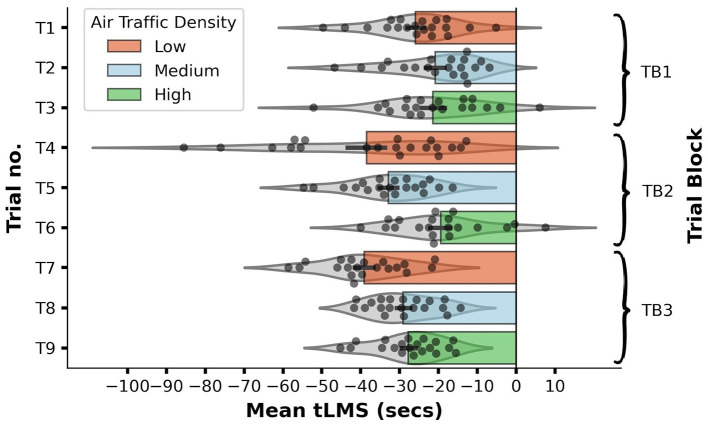
In the selection of job candidates who have the mental ability to become professional ATCOs, psychometric testing has been a ubiquitous activity in the ATM domain. To contribute to psychometric research in the ATM domain, we investigated the extent to which spatial orientation ability (SOA), as conceptualized in the spatial cognition and navigation literature, predicted air traffic conflict detection performance in a simulated free route airspace (FRA) environment. The implementation of free route airspace (FRA) over the past few years, notably in Europe, have facilitated air traffic services by giving greater flexibility to aviation operators in planning and choosing preferred air routes that can lead to quicker arrivals. FRA offers enhanced system safety and efficiency, but these benefits can be outweighed by the introduction of air traffic conflicts that are geometrically more complex. Such conflicts can arise from increased number and distribution of conflict points, as well as from elevated uncertainty in aircraft maneuvering (for instance, during heading changes). Overall, these issues will make conflict detection more challenging for air traffic controllers (ATCOs). Consequently, there is a need to select ATCOs with suitably high levels of spatial orientation ability (SOA) to ensure flight safety under FRA implementation. In this study, we tested 20 participants who are eligible for ATCO job application, and found that response time-based performance on a newly developed, open access, computerized spatial orientation test (SOT) predicted time to loss of minimum separation (tLMS) performance on an air traffic conflict detection task (AT-CDT) we designed. We found this predictive relationship to be significant to a moderately large extent under scenarios with high air traffic density (raw regression coefficient = 0.58). Moreover, we demonstrated our AT-CDT as a valid test in terms of eliciting well-known mental workload and spatial learning effects. We explained these findings in light of similar or overlapping mental processes that were most likely activated optimally under task conditions featuring approximately equal numbers of outcome-relevant stimuli. We conclude by discussing the further application of the SOT to the selection of prospective ATCOs who can demonstrate high levels of conflict detection performance in FRA during training simulations.
在选拔具备成为专业空中交通管制员所需心智能力的求职者时,心理测量测试在空管领域一直是一项普遍开展的活动。为推动空管领域的心理测量研究,我们调查了空间认知与导航文献中所概念化的空间定向能力(SOA)在模拟自由航线空域(FRA)环境中对空中交通冲突检测性能的预测程度。过去几年,尤其是在欧洲,自由航线空域(FRA)的实施通过给予航空运营商在规划和选择更优航线方面更大的灵活性,从而促进了空中交通服务,这些更优航线能够带来更快的抵达时间。FRA提高了系统安全性和效率,但引入几何形状更为复杂的空中交通冲突可能会抵消这些益处。此类冲突可能源于冲突点数量和分布的增加,以及飞机机动过程中(例如在航向改变期间)不确定性的提高。总体而言,这些问题将使空中交通管制员(ATCO)的冲突检测更具挑战性。因此,有必要选拔具有足够高空间定向能力(SOA)的ATCO,以确保在实施FRA的情况下飞行安全。在本研究中,我们测试了20名符合ATCO职位申请条件的参与者,发现基于反应时间的新开发的、开放获取的计算机化空间定向测试(SOT)成绩能够预测他们在我们设计的空中交通冲突检测任务(AT - CDT)中失去最小间隔的时间(tLMS)性能。我们发现,在高空中交通密度的场景下,这种预测关系在相当大程度上具有显著性(原始回归系数 = 0.58)。此外,我们证明了我们的AT - CDT在引发众所周知的心理负荷和空间学习效应方面是一项有效的测试。我们根据在结果相关刺激数量大致相等的任务条件下最有可能被最佳激活的相似或重叠心理过程来解释这些发现。最后,我们讨论了SOT在选拔未来ATCO方面的进一步应用,这些ATCO在训练模拟中能够在FRA环境下展现出高水平的冲突检测性能。