Babayomi Oluleke O, Dahoro Davo A, Zhang Zhenbin
School of Electrical Engineering, Shandong University, Jinan 250061, China.
National Space Research and Development Agency, Abuja, Nigeria.
iScience. 2022 Mar 28;25(5):104178. doi: 10.1016/j.isci.2022.104178. eCollection 2022 May 20.
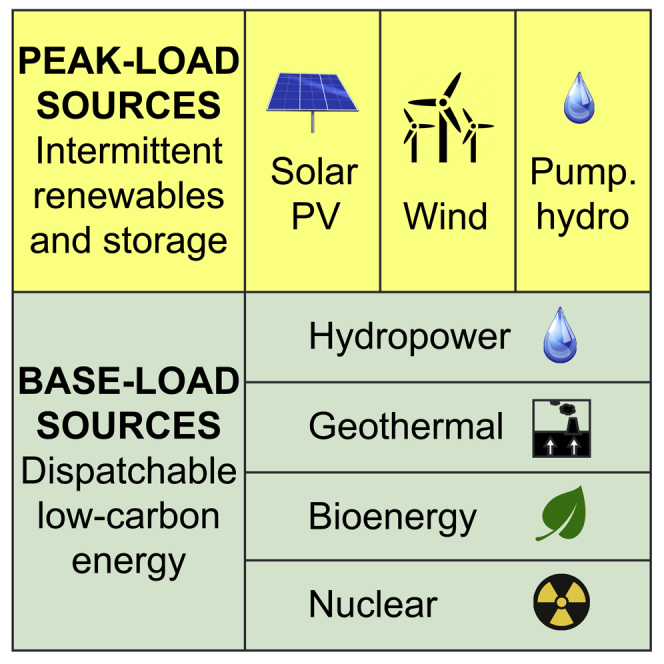
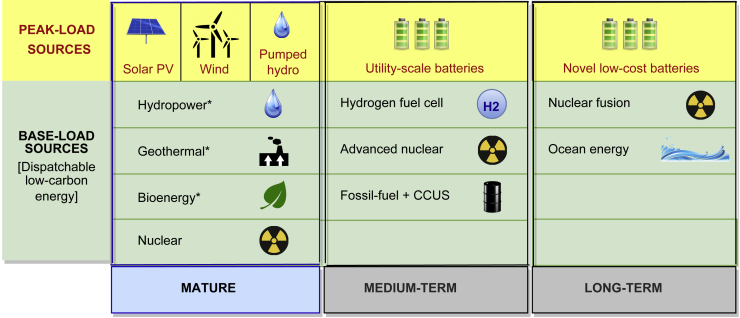
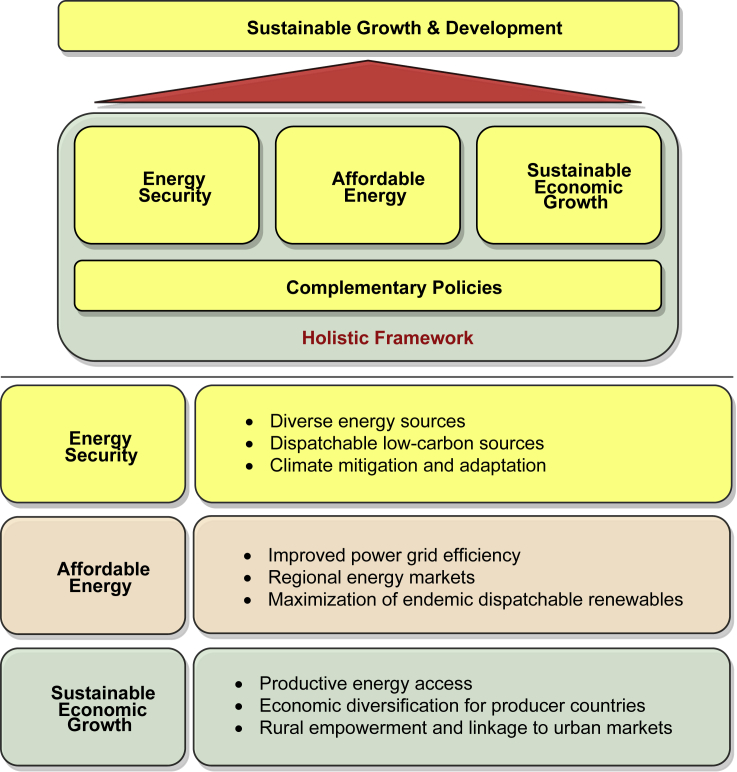
The priority of developing countries in the clean energy transition is to attain industrialization primarily with low-carbon energy sources; this presents challenges that industrialized nations did not experience. Developing economies need to grapple with the question: "Should sustainable human development be achieved at the price of economic growth?" Therefore, this article brings perspective to the theme of clean energy transition for development. We highlight three peculiarities of developing economies which will strongly influence their approach to the clean transition: low grid capacity and inefficiency, lower rates of urbanization, and youth demographics. Owing to these, effective low-cost technologies and novel pathways that can facilitate clean transition in a sustainable socio-economic framework are needed. In particular, we propose that mature dispatchable low-carbon energy sources should be prioritized as a strategy to harness local natural resources, and maximize existing indigenous skilled labor. The perspective also highlights several recommendations to help researchers and policy makers look more critically into possible solutions for the Global South's timely participation in the clean energy transition without sacrificing economic growth potentials.
发展中国家在清洁能源转型中的首要任务是主要依靠低碳能源实现工业化;这带来了工业化国家未曾经历过的挑战。发展中经济体需要应对这样一个问题:“可持续人类发展是否应以经济增长为代价来实现?”因此,本文为清洁能源转型促进发展这一主题带来了观点。我们强调发展中经济体的三个特点,这将强烈影响它们的清洁转型方式:电网容量低和效率低下、城市化率较低以及青年人口结构。鉴于这些情况,需要有效且低成本的技术以及能够在可持续社会经济框架内促进清洁转型的新途径。特别是,我们建议应优先考虑成熟的可调度低碳能源,以此作为利用当地自然资源并最大限度发挥现有本土技术劳动力作用的战略。该观点还强调了若干建议,以帮助研究人员和政策制定者更批判性地审视可能的解决方案,使全球南方地区能够在不牺牲经济增长潜力的情况下及时参与清洁能源转型。