Guangzhou University of Chinese Medicine, Guangzhou 510006, Guangdong Province, China.
Shandong University of Traditional Chinese Medicine, Jinan 250355, Shandong Province, China.
Aging (Albany NY). 2022 Apr 25;14(8):3569-3596. doi: 10.18632/aging.204030.
Major depressive disorder (MDD) is an emotional condition that interferes with sufferers' work and daily life. Numerous studies have found that miRNAs play a significant role in the development of MDD and can be utilized as a biomarker for its diagnosis and therapy. However, there have been few studies on nerve-immunity interaction treatment for the brains of MMD patients.
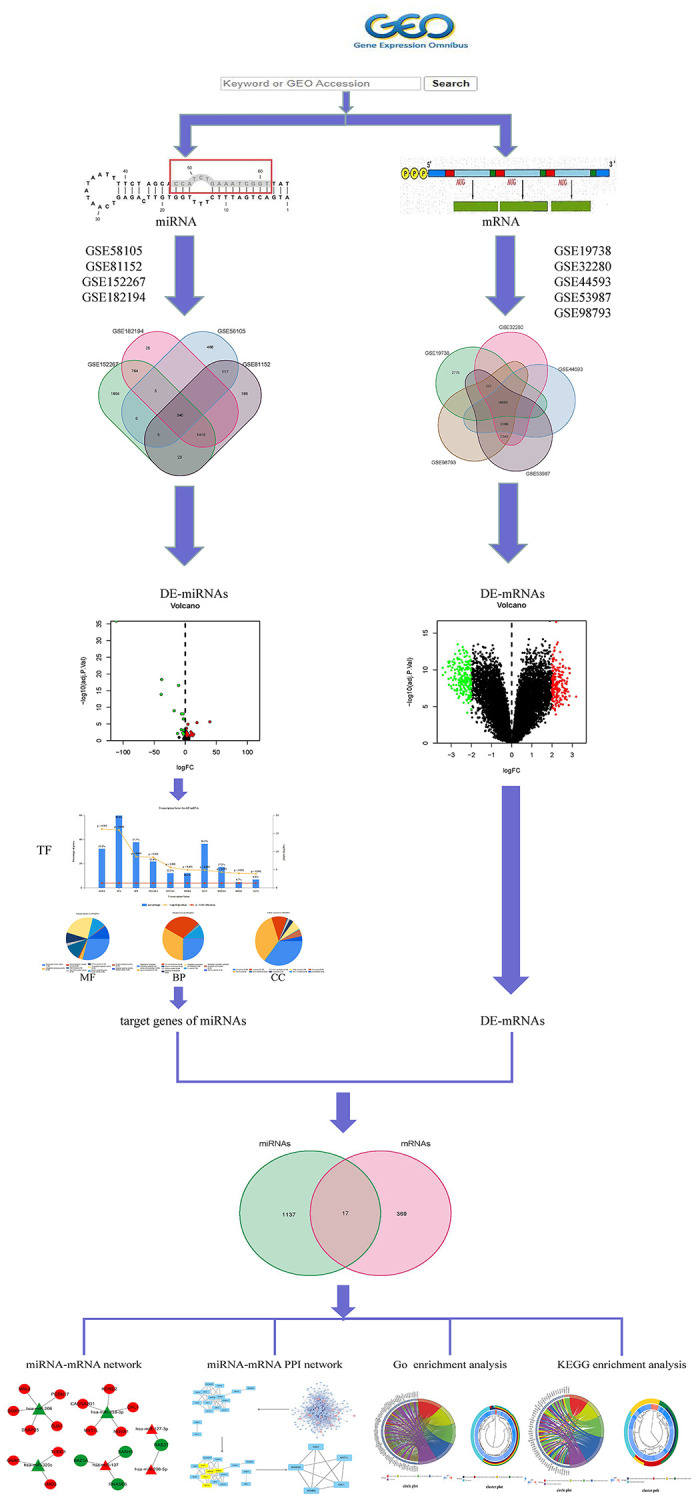
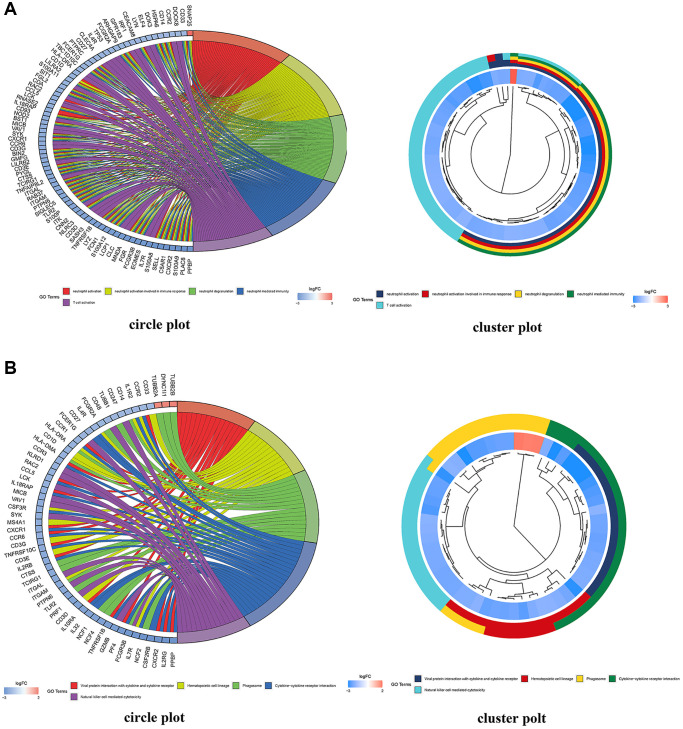
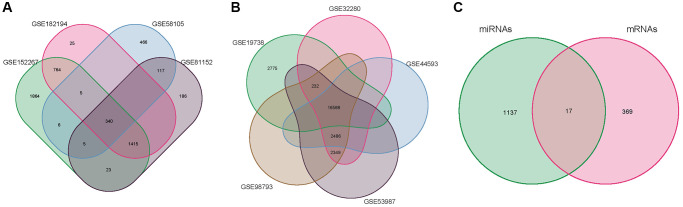
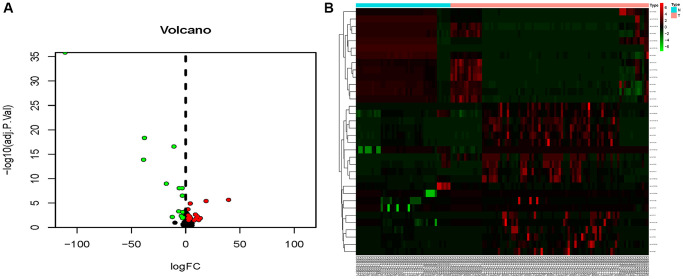
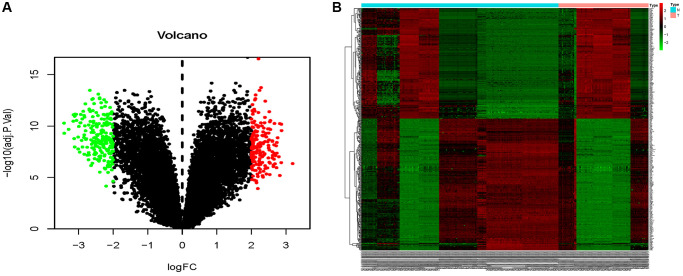
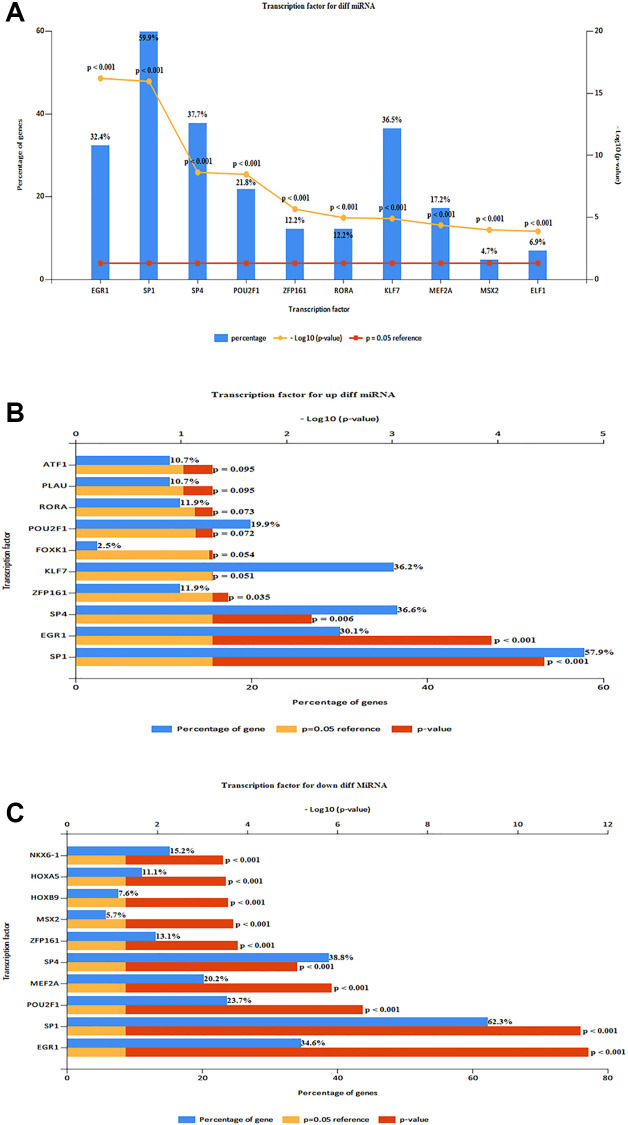
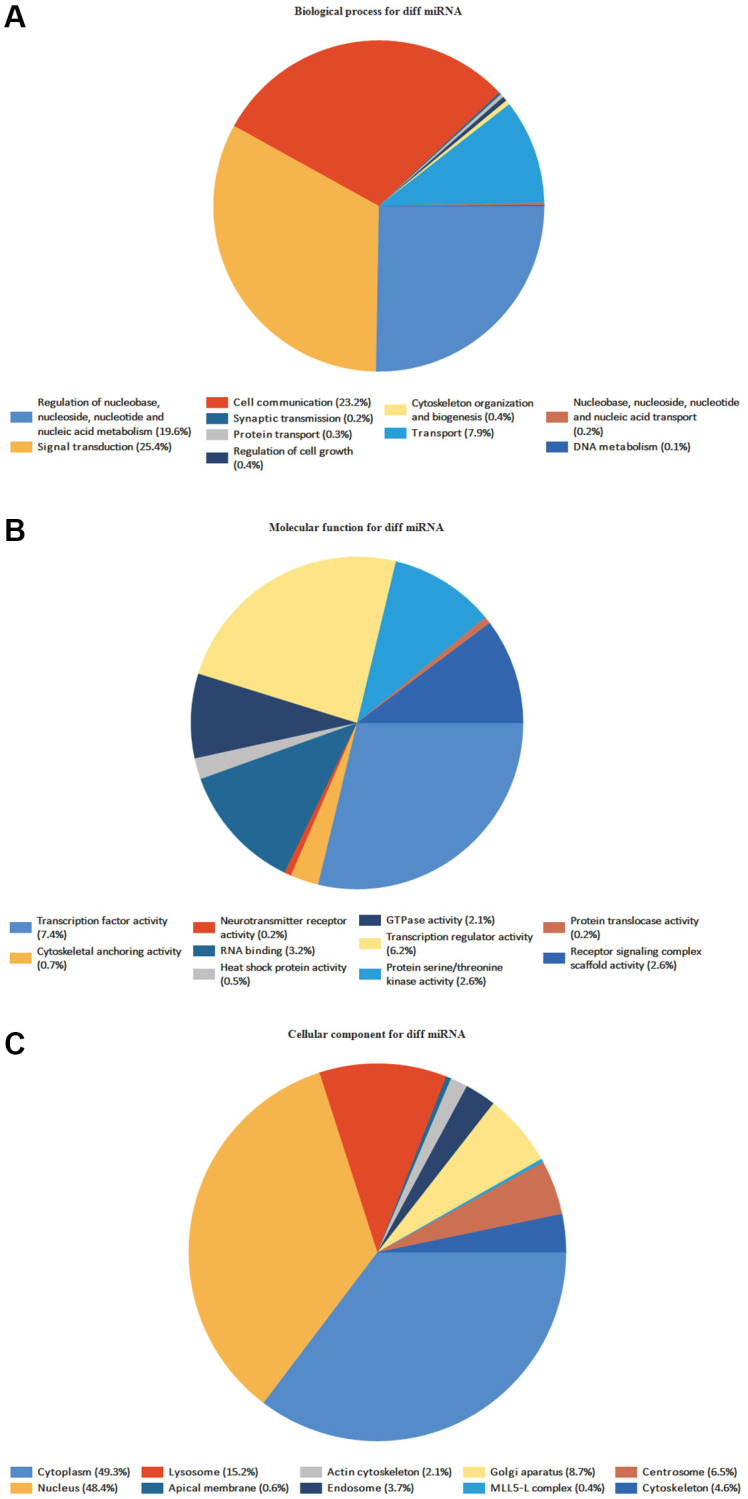
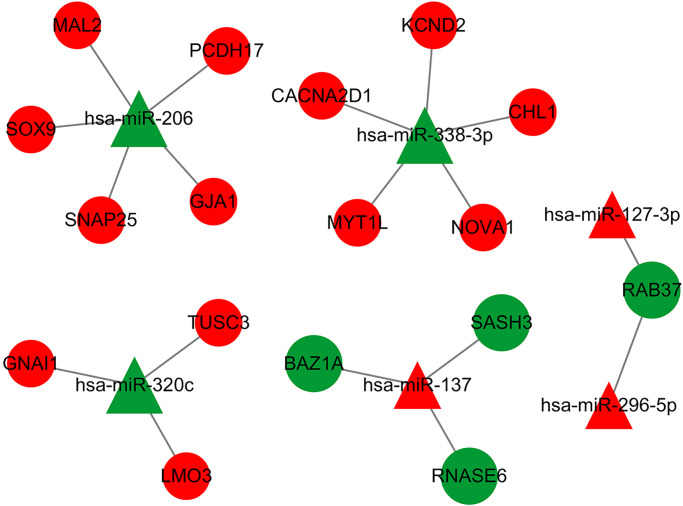
The work is performed on microarray data. We analyzed the differences of miRNAs (GSE58105, GSE81152, GSE152267, and GSE182194) and mRNA (GSE19738, GSE32280, GSE44593, GSE53987, and GSE98793) in MDD and healthy samples from GEO datasets. FunRich was used to predict the transcription factors and target genes of the miRNAs, and TF and GO enrichment analyses were performed. Then, by comparing the differential expression of the anticipated target genes and five mRNAs, intersecting mRNAs were discovered. The intersecting genes were submitted to GO and KEGG analyses to determine their functions. These intersecting potential genes and pathways that linked to MDD in neurological and immunological aspects have been identified for future investigation.
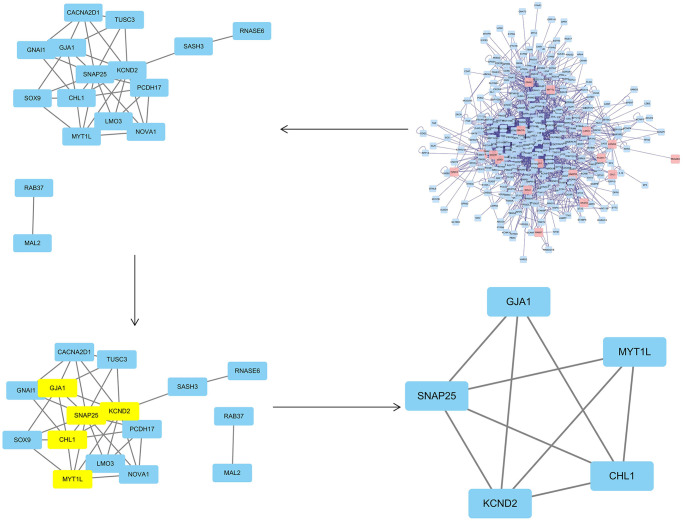
We discovered five hub genes: KCND2, MYT1L, GJA1, CHL1, and SNAP25, which were all up-regulated genes. However, in MMD, the equivalent miRNAs, hsa-miR-206 and hsa-miR-338-3p, were both down-regulated. These miRNAs can activate or inhibit the T cell receptor signal pathway, JAK-STAT and other signal pathways, govern immune-inflammatory response, neuronal remodeling, and mediate the onset and development of MMD Conclusions: The results of a thorough bioinformatics investigation of miRNAs and mRNAs in MDD showed that miR-338-3P and miR-206 might be effective biomarkers and possible therapeutic targets for the treatment of MDD via nerve-immunity interaction.
重度抑郁症(MDD)是一种影响患者工作和日常生活的情绪障碍。大量研究发现,miRNA 在 MDD 的发展中起着重要作用,可以作为其诊断和治疗的生物标志物。然而,对于 MDD 患者大脑的神经免疫相互作用治疗,研究甚少。
本工作基于微阵列数据展开。我们分析了来自 GEO 数据集的 MDD 和健康样本中 miRNA(GSE58105、GSE81152、GSE152267 和 GSE182194)和 mRNA(GSE19738、GSE32280、GSE44593、GSE53987 和 GSE98793)的差异。使用 FunRich 预测 miRNA 的转录因子和靶基因,并进行 TF 和 GO 富集分析。然后,通过比较预期靶基因和 5 个 mRNA 的差异表达,发现了交集 mRNA。将交集基因提交到 GO 和 KEGG 分析中,以确定其功能。这些与神经和免疫方面的 MDD 相关的交集潜在基因和途径已被确定,以便进一步研究。
我们发现了五个 hub 基因:KCND2、MYT1L、GJA1、CHL1 和 SNAP25,它们都是上调基因。然而,在 MMD 中,相应的 miRNA,hsa-miR-206 和 hsa-miR-338-3p,都下调了。这些 miRNA 可以激活或抑制 T 细胞受体信号通路、JAK-STAT 等信号通路,调节免疫炎症反应、神经元重塑,并介导 MDD 的发生和发展。
通过对 MDD 中 miRNA 和 mRNA 的全面生物信息学研究,结果表明 miR-338-3P 和 miR-206 可能是通过神经免疫相互作用治疗 MDD 的有效生物标志物和潜在治疗靶点。