Department of Human Genetics, School of Medicine, Emory University, Atlanta, GA, 30322, USA.
Mol Psychiatry. 2022 Sep;27(9):3633-3646. doi: 10.1038/s41380-022-01570-2. Epub 2022 Apr 26.
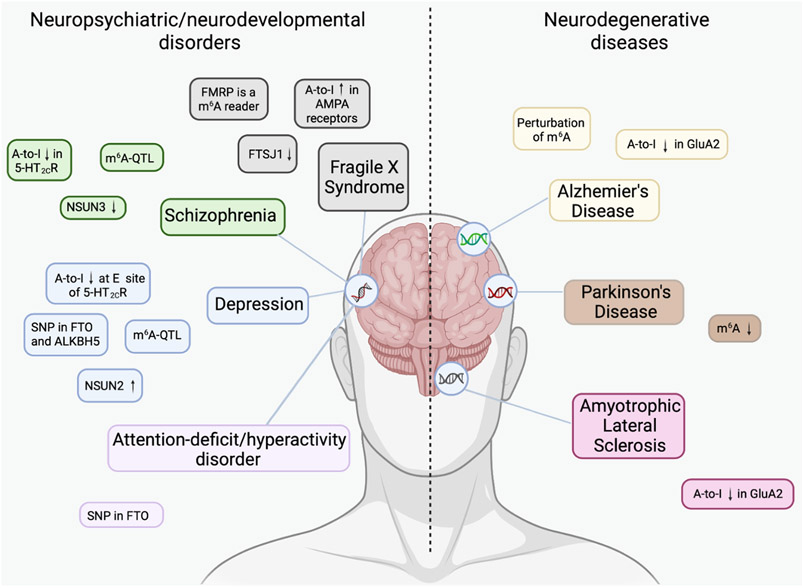
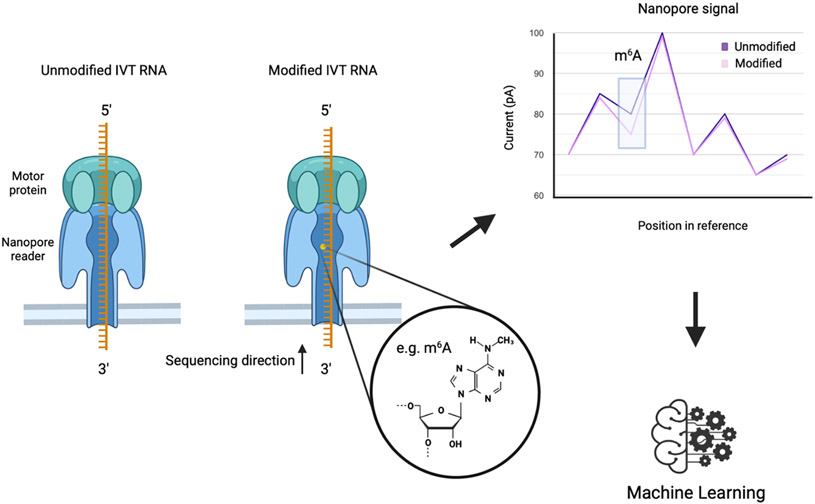
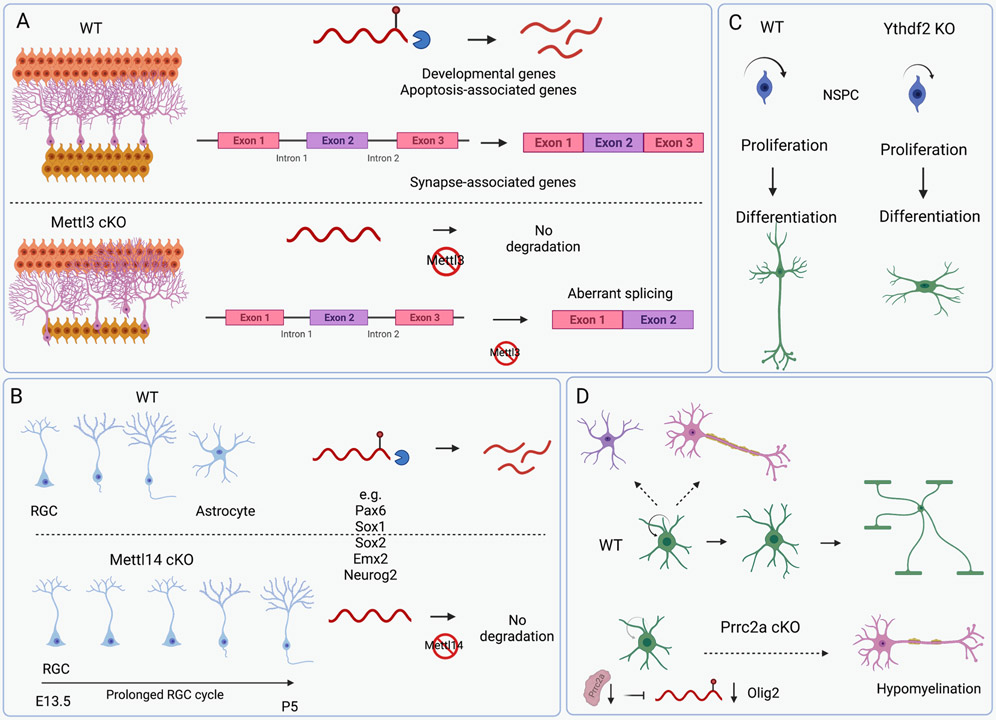
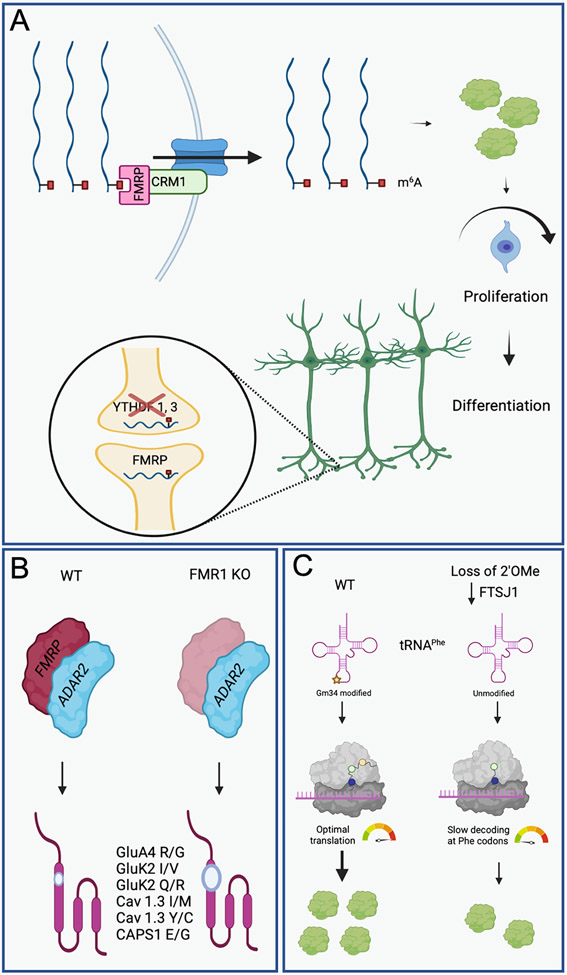
Distinct cell types are generated at specific times during brain development and are regulated by epigenetic, transcriptional, and newly emerging epitranscriptomic mechanisms. RNA modifications are known to affect many aspects of RNA metabolism and have been implicated in the regulation of various biological processes and in disease. Recent studies imply that dysregulation of the epitranscriptome may be significantly associated with neuropsychiatric, neurodevelopmental, and neurodegenerative disorders. Here we review the current knowledge surrounding the role of the RNA modifications N6-methyladenosine, 5-methylcytidine, pseudouridine, A-to-I RNA editing, 2'O-methylation, and their associated machinery, in brain development and human diseases. We also highlight the need for the development of new technologies in the pursuit of directly mapping RNA modifications in both genome- and single-molecule-level approach.
在大脑发育过程中,特定的时间会产生不同的细胞类型,这些细胞类型受表观遗传、转录和新出现的转录后修饰机制的调节。已知 RNA 修饰会影响 RNA 代谢的许多方面,并与各种生物过程的调节以及疾病有关。最近的研究表明,转录后修饰组的失调可能与神经精神疾病、神经发育障碍和神经退行性疾病显著相关。在这里,我们回顾了围绕 RNA 修饰 N6-甲基腺苷、5-甲基胞嘧啶、假尿嘧啶、A 到 I RNA 编辑、2'O-甲基化及其相关机制在大脑发育和人类疾病中的作用的现有知识。我们还强调了需要开发新技术,以追求在基因组和单分子水平上直接绘制 RNA 修饰图谱。