Karnjanapreechakorn Sarattha, Kusakunniran Worapan, Siriapisith Thanongchai, Saiviroonporn Pairash
Faculty of Information and Communication Technology, Mahidol University, Nakhon Pathom, Thailand.
Department of Radiology, Faculty of Medicine Siriraj Hospital, Mahidol University, Bangkok, Thailand.
PeerJ Comput Sci. 2022 Mar 30;8:e934. doi: 10.7717/peerj-cs.934. eCollection 2022.
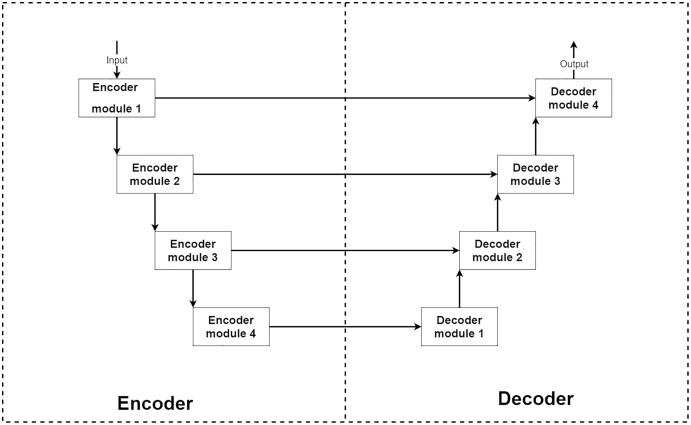
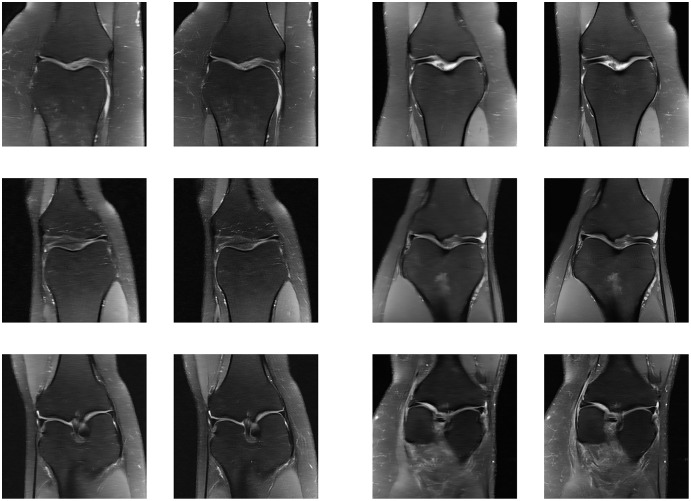
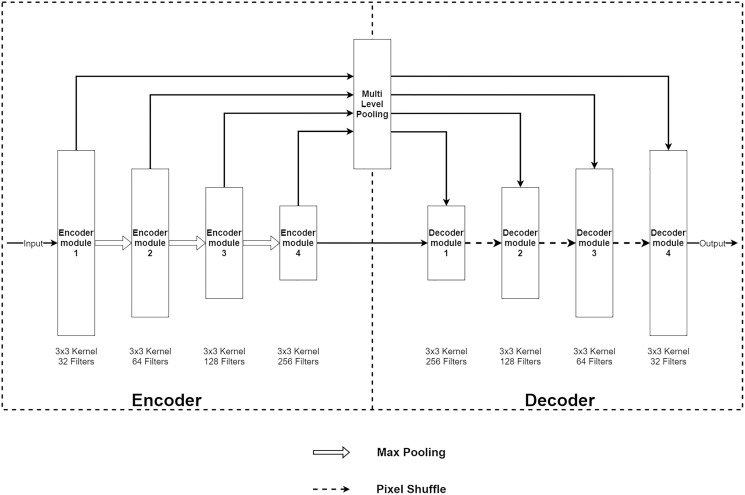
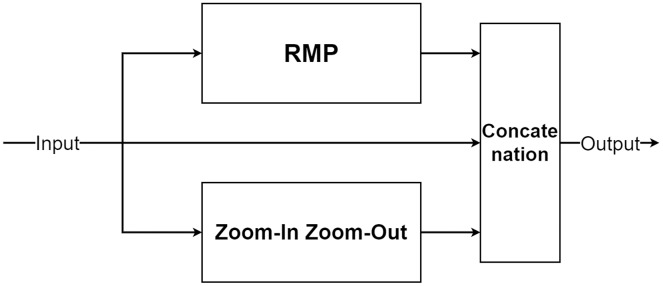
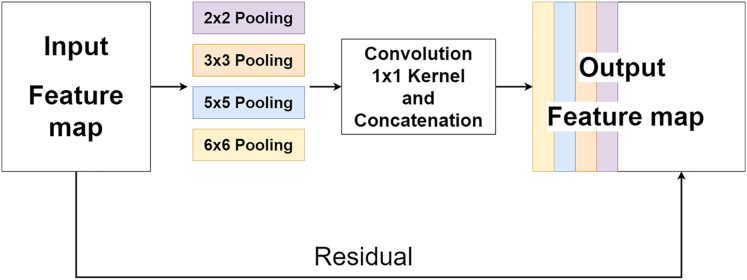
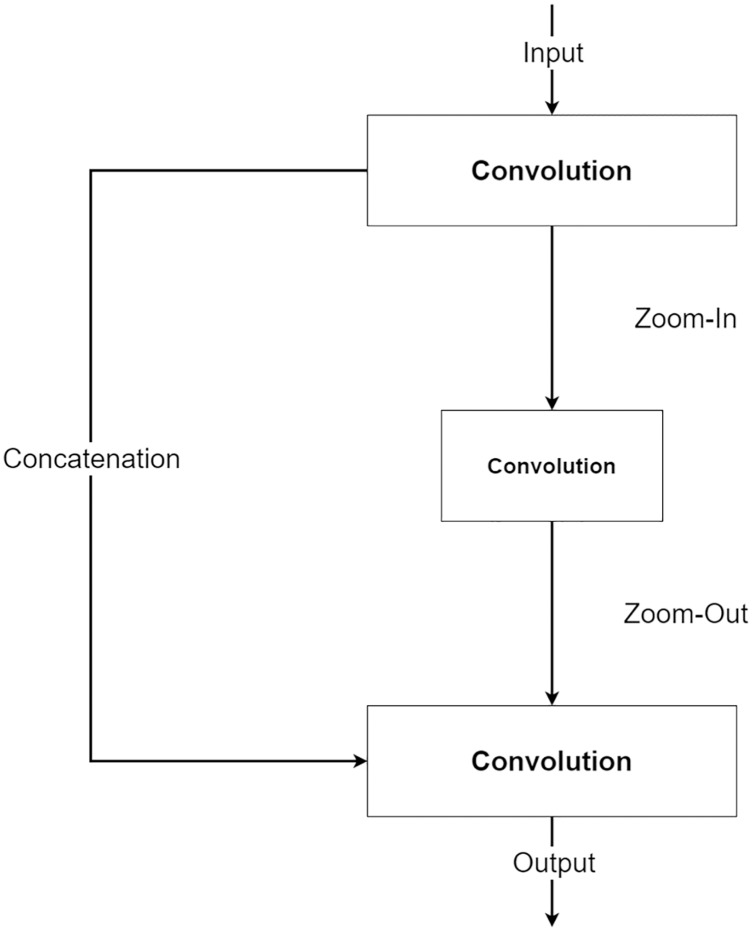
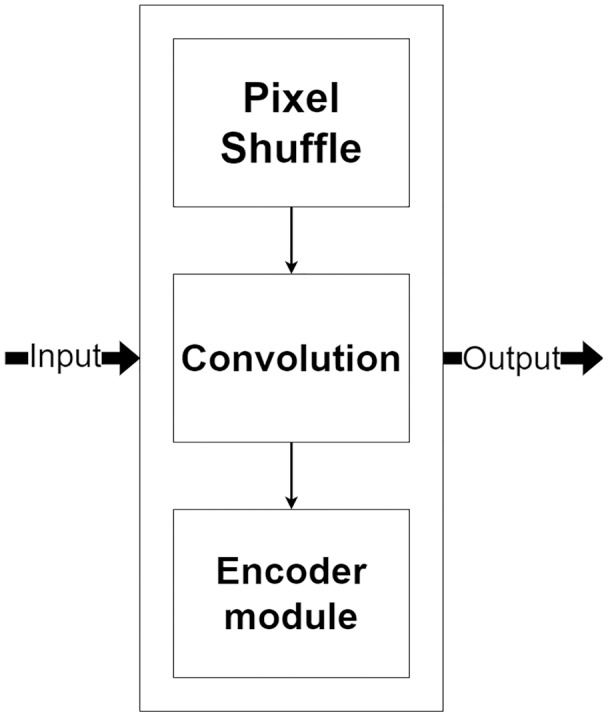
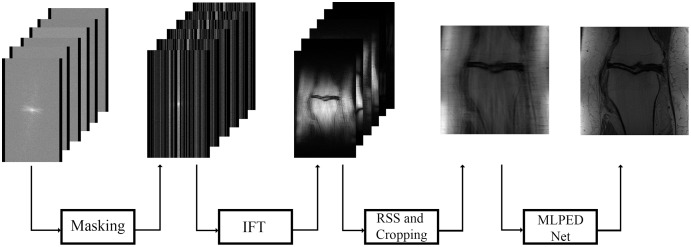
MRI reconstruction is one of the critical processes of MRI machines, along with the acquisition. Due to a slow processing time of signal acquiring, parallel imaging and reconstruction techniques are applied for acceleration. To accelerate the acquisition process, fewer raw data are sampled simultaneously with all RF coils acquisition. Then, the reconstruction uses under-sampled data from all RF coils to restore the final MR image that resembles the fully sampled MR image. These processes have been a traditional procedure inside the MRI system since the invention of the multi-coils MRI machine. This paper proposes the deep learning technique with a lightweight network. The deep neural network is capable of generating the high-quality reconstructed MR image with a high peak signal-to-noise ratio (PSNR). This also opens a high acceleration factor for MR data acquisition. The lightweight network is called Multi-Level Pooling Encoder-Decoder Net (MLPED Net). The proposed network outperforms the traditional encoder-decoder networks on 4-fold acceleration with a significant margin on every evaluation metric. The network can be trained end-to-end, and it is a lightweight structure that can reduce training time significantly. Experimental results are based on a publicly available MRI Knee dataset from the fastMRI competition.
MRI重建是MRI机器的关键过程之一,与采集过程同等重要。由于信号采集的处理时间较慢,因此应用并行成像和重建技术来加速。为了加速采集过程,在所有射频线圈采集时同时采样更少的原始数据。然后,重建使用来自所有射频线圈的欠采样数据来恢复最终的MR图像,该图像类似于全采样的MR图像。自多线圈MRI机器发明以来,这些过程一直是MRI系统内部的传统程序。本文提出了一种具有轻量级网络的深度学习技术。深度神经网络能够生成具有高峰值信噪比(PSNR)的高质量重建MR图像。这也为MR数据采集开启了高加速因子。这种轻量级网络被称为多级池化编码器-解码器网络(MLPED Net)。所提出的网络在4倍加速方面优于传统的编码器-解码器网络,在每个评估指标上都有显著优势。该网络可以端到端地进行训练,并且是一种轻量级结构,可以显著减少训练时间。实验结果基于fastMRI竞赛中公开可用的MRI膝关节数据集。