Fouad Manar Ahmed, Abdel-Hamid Hamida, Ayoup Mohammed Salah
Department of Chemistry, Faculty of Science, Alexandria University Alexandria 21321 Egypt
RSC Adv. 2020 Nov 23;10(70):42644-42681. doi: 10.1039/d0ra07501a.
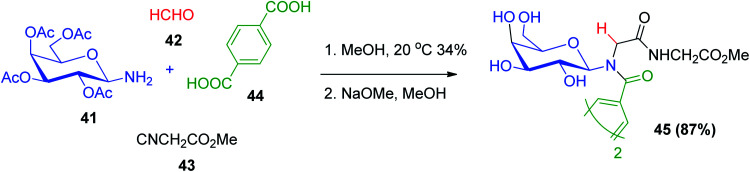
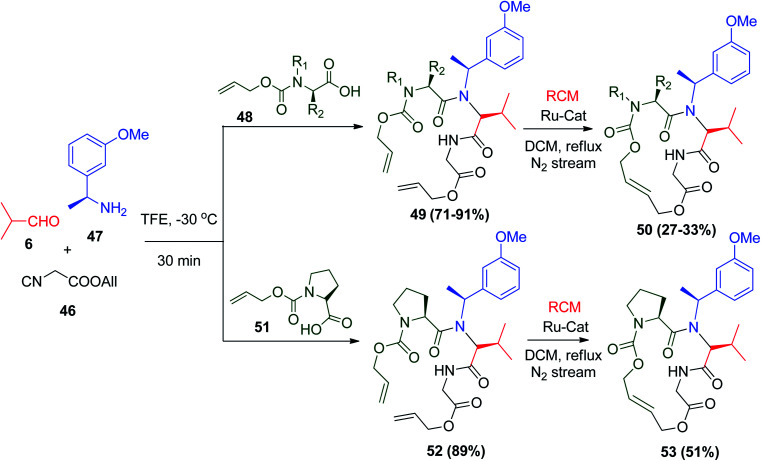
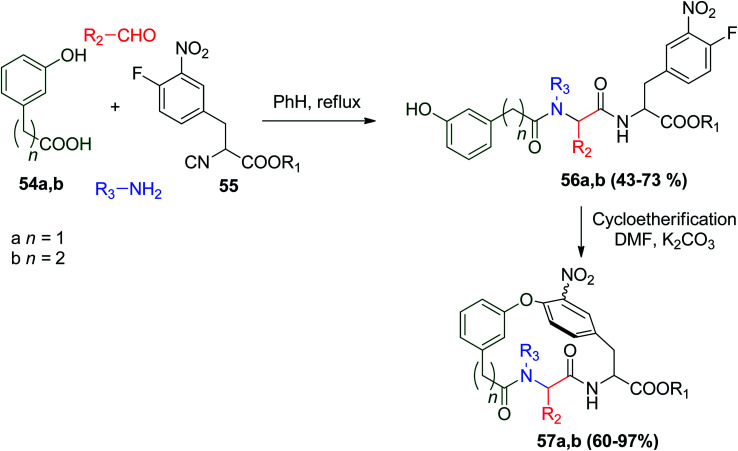
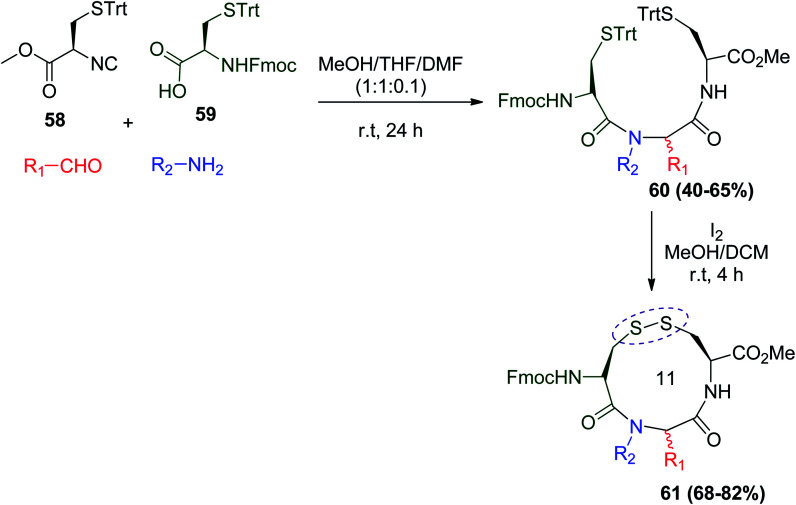
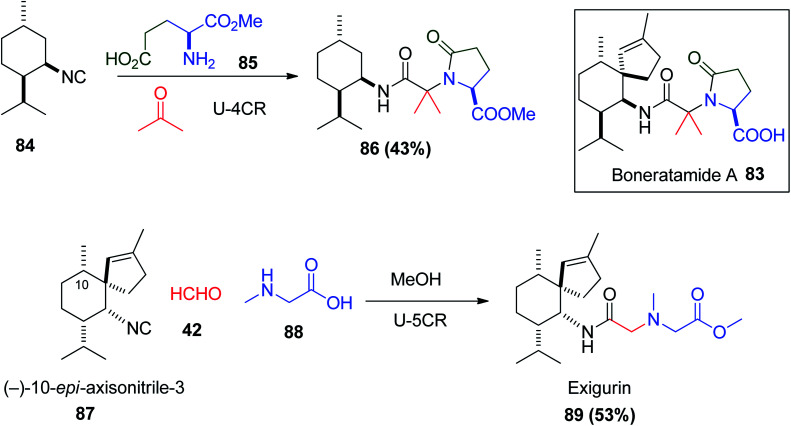
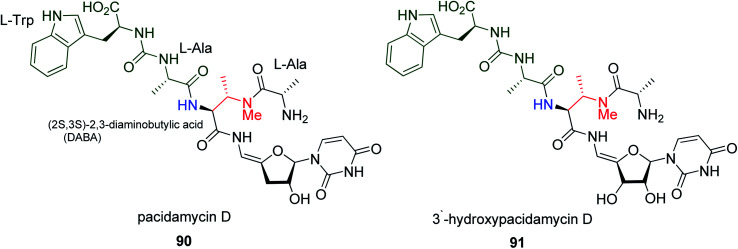
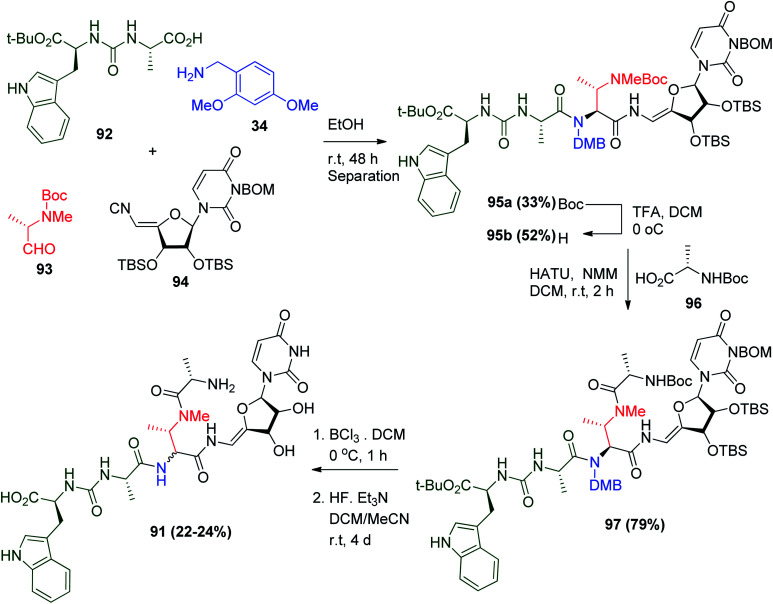
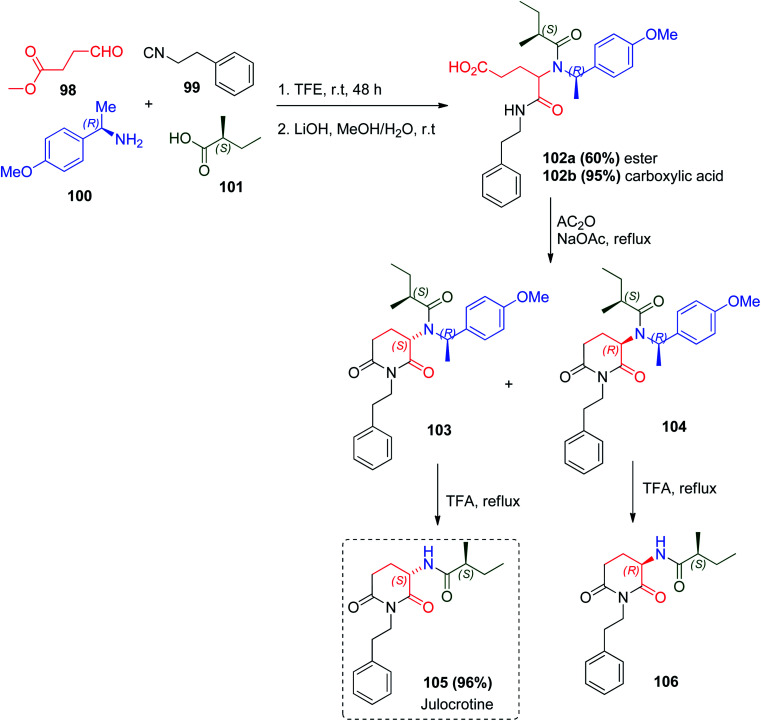
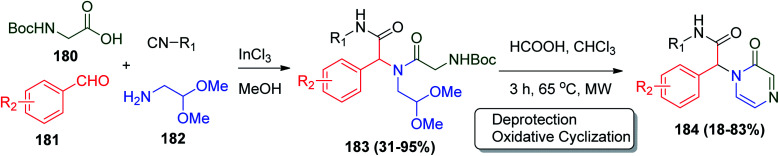
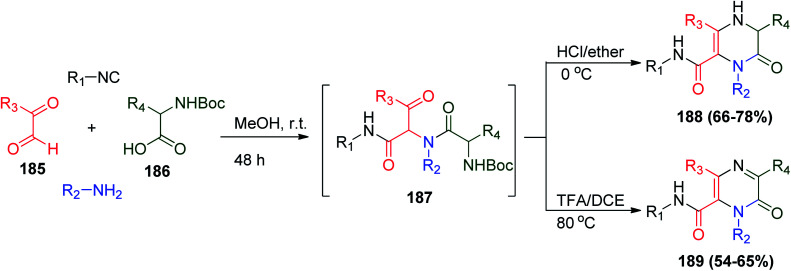
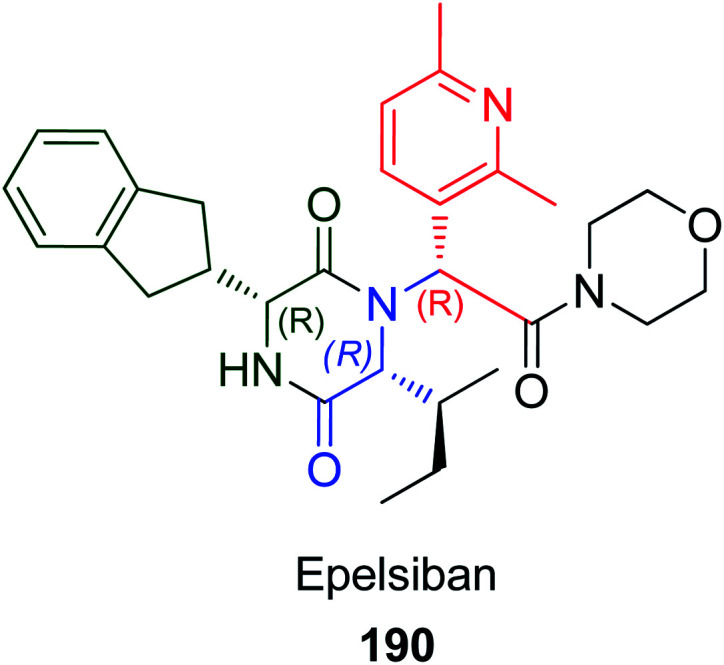
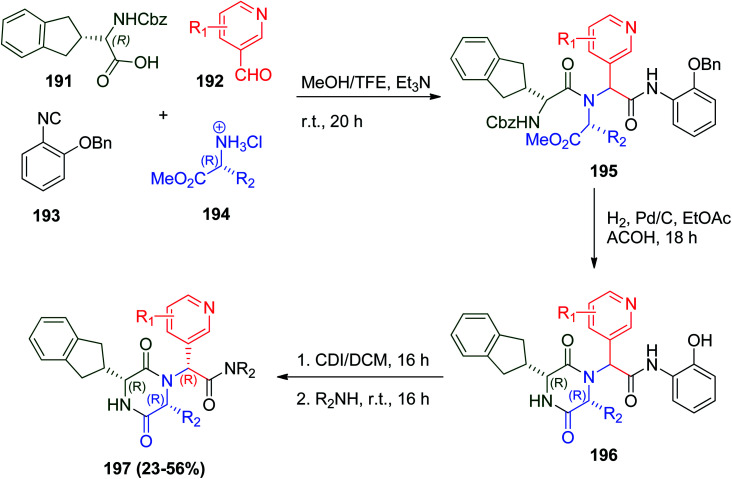
Multicomponent reactions (MCRs) are powerful synthetic tools in which more than two starting materials couple with each other to form multi-functionalized compounds in a one-pot process, the so-called "tandem", "domino" or "cascade" reaction, or utilizing an additional step without changing the solvent, the so-called a sequential-addition procedure, to limit the number of synthetic steps, while increasing the complexity and the molecular diversity, which are highly step-economical reactions. The Ugi reaction, one of the most common multicomponent reactions, has recently fascinated chemists with the high diversity brought by its four- or three-component-based isonitrile. The Ugi reaction has been introduced in organic synthesis as a novel, efficient and useful tool for the preparation of libraries of multifunctional peptides, natural products, and heterocyclic compounds with stereochemistry control. In this review, we highlight the recent advances of the Ugi reaction in the last two decades from 2000-2019, mainly in the synthesis of linear or cyclic peptides, heterocyclic compounds with versatile ring sizes, and natural products, as well as the enantioselective Ugi reactions. Meanwhile, the applications of these compounds in pharmaceutical trials are also discussed.
多组分反应(MCRs)是强大的合成工具,在该反应中,两种以上的起始原料相互偶联,通过一锅法形成多官能化化合物,即所谓的“串联”、“多米诺”或“级联”反应,或者在不改变溶剂的情况下利用额外的步骤,即所谓的顺序添加程序,以限制合成步骤的数量,同时增加复杂性和分子多样性,这些反应具有很高的步骤经济性。乌吉反应是最常见的多组分反应之一,最近,基于异腈的四组分或三组分反应所带来的高度多样性吸引了化学家。乌吉反应已作为一种新颖、高效且有用的工具引入有机合成中,用于制备具有立体化学控制的多功能肽、天然产物和杂环化合物库。在本综述中,我们重点介绍了2000年至2019年这二十年来乌吉反应的最新进展,主要涉及线性或环状肽、具有多种环大小的杂环化合物以及天然产物的合成,以及对映选择性乌吉反应。同时,还讨论了这些化合物在药物试验中的应用。