Bariwal Jitender, Kaur Rupinder, Voskressensky Leonid G, Van der Eycken Erik V
Shiva Institute of B. Pharmacy, Bilaspur, India.
Department of Pharmaceutical Chemistry, ISF College of Pharmacy, Moga, India.
Front Chem. 2018 Nov 20;6:557. doi: 10.3389/fchem.2018.00557. eCollection 2018.
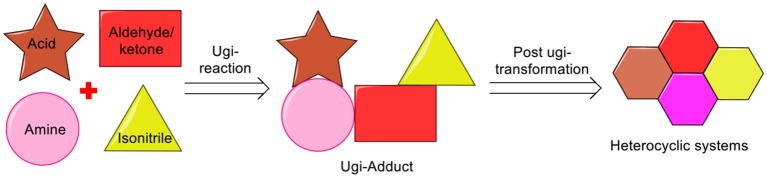
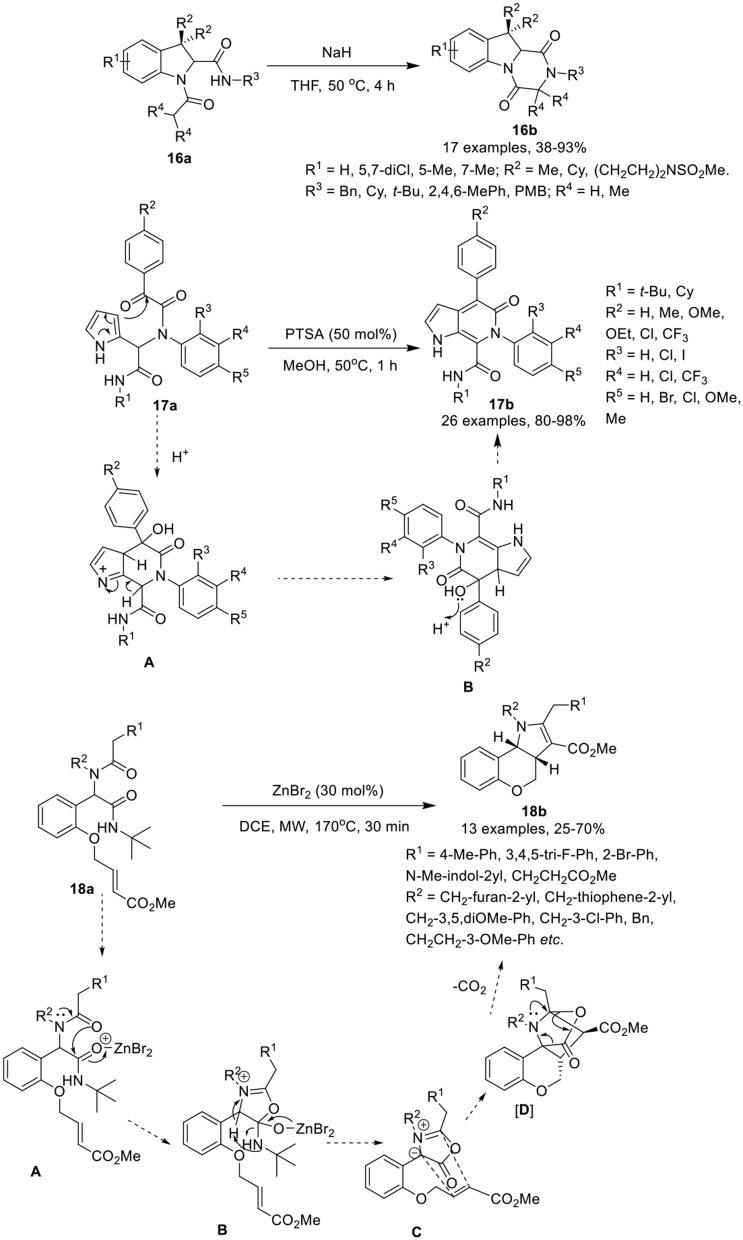
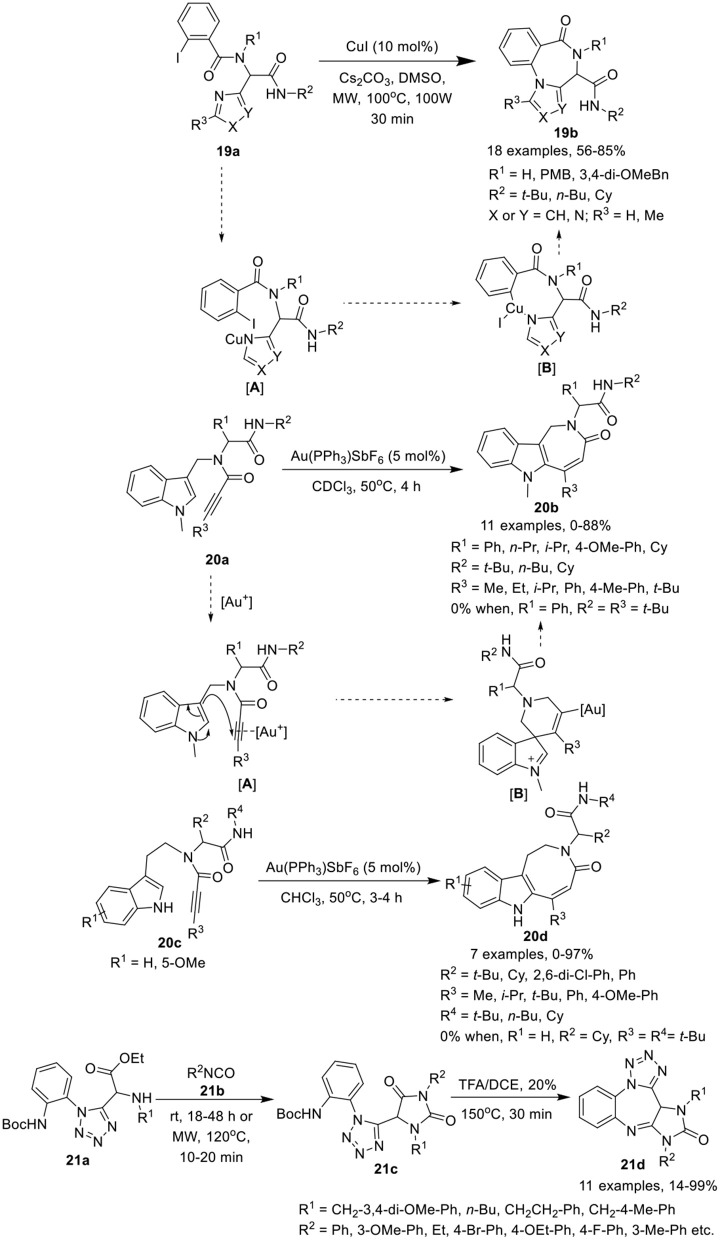
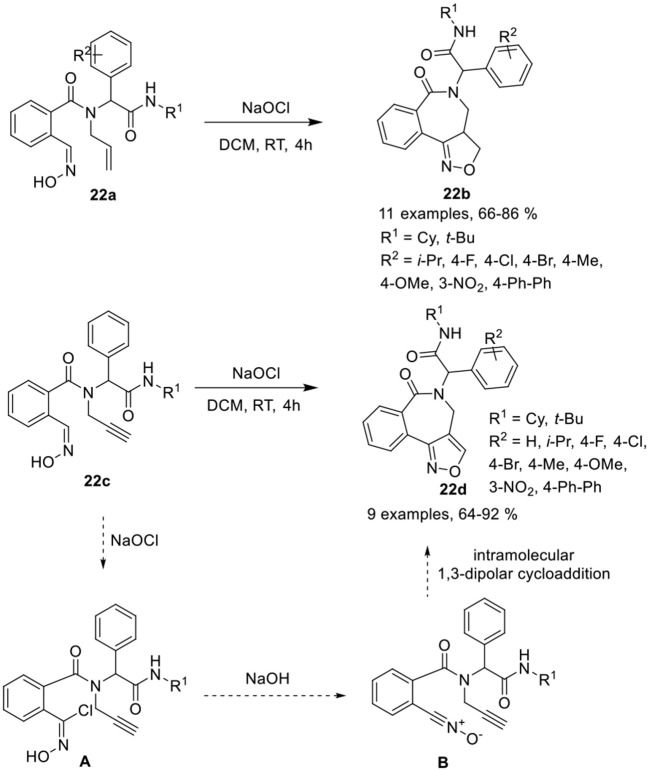
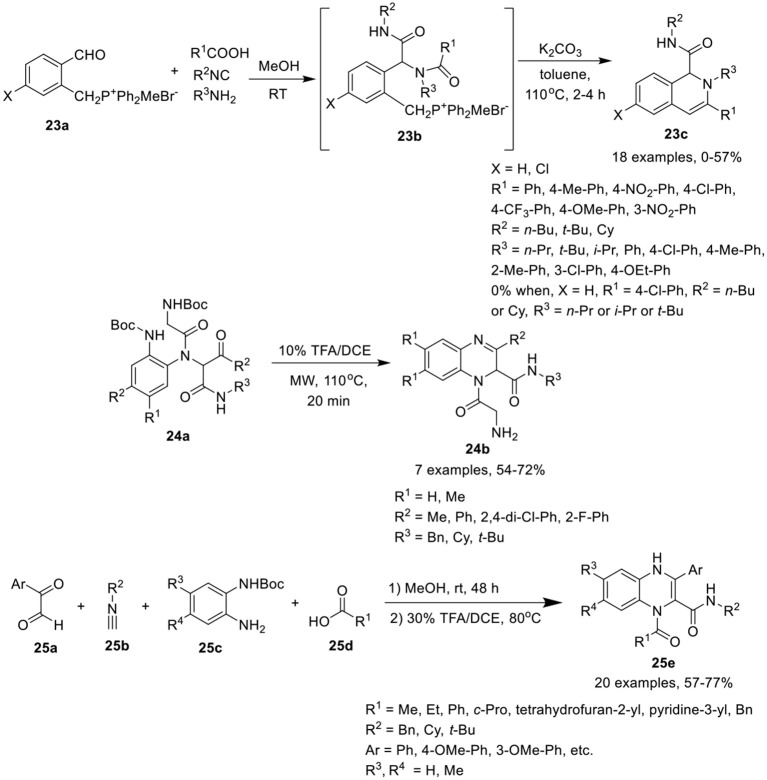
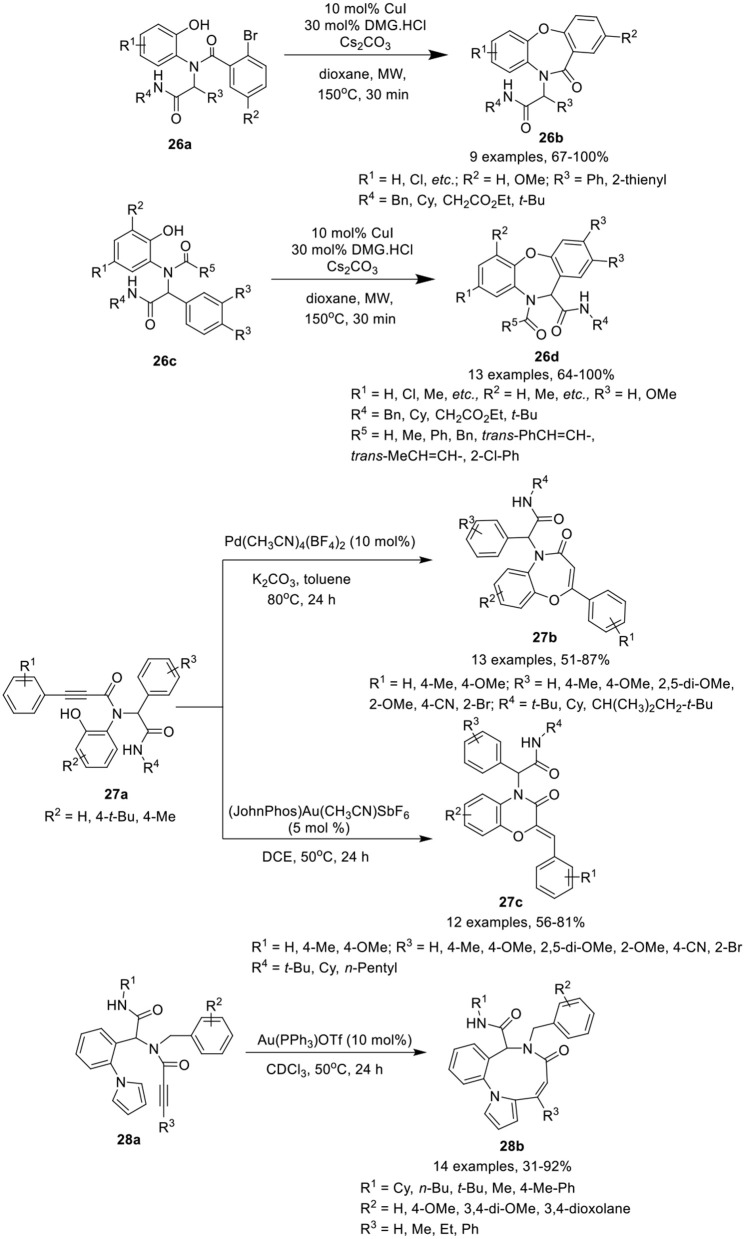
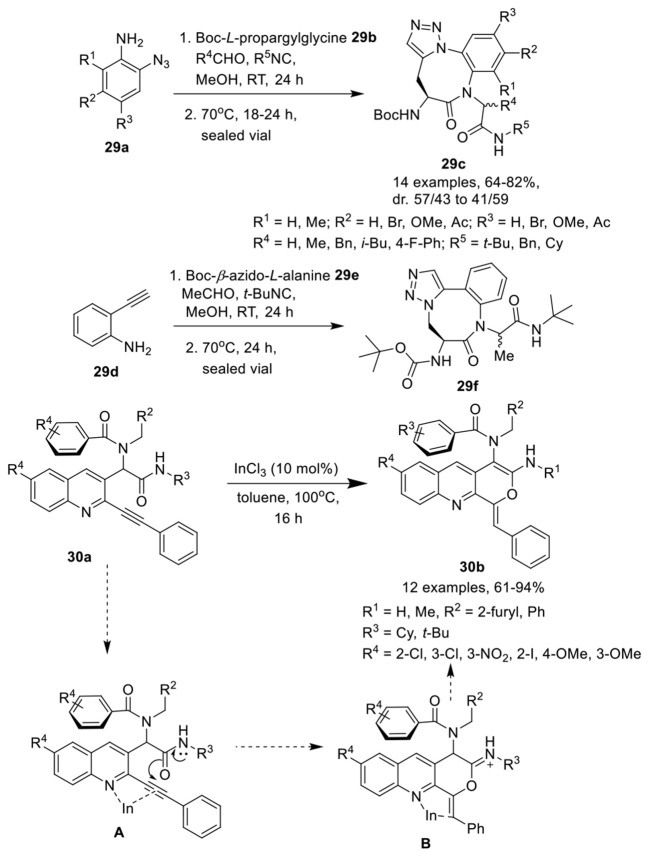
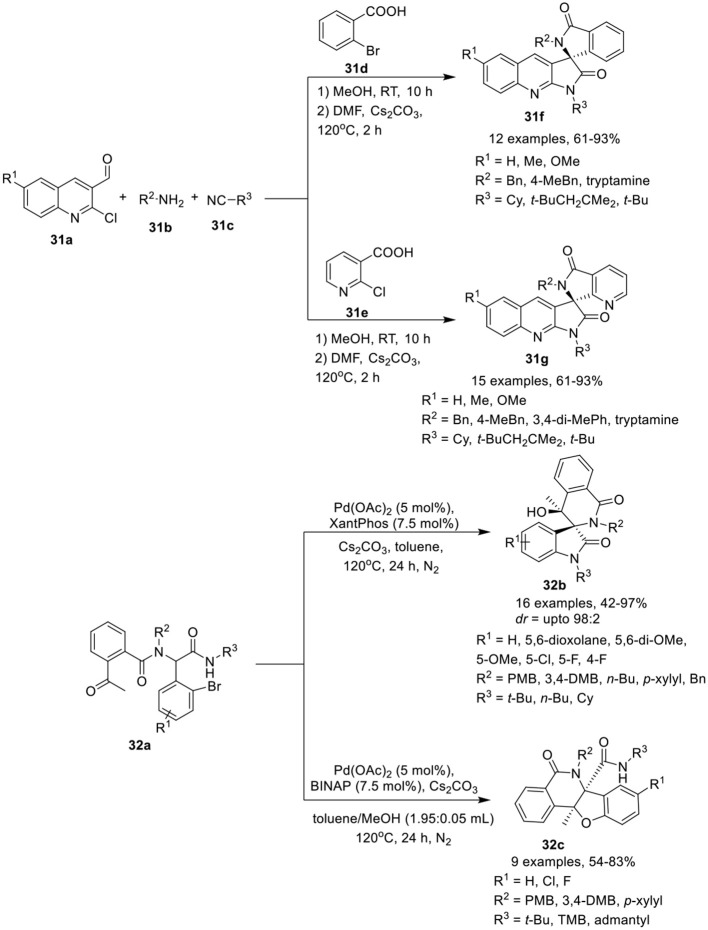
Multicomponent reactions (MCRs) have proved as a valuable tool for organic and medicinal chemist because of their ability to introduce a large degree of chemical diversity in the product in a single step and with high atom economy. One of the dominant MCRs is the Ugi reaction, which involves the condensation of an aldehyde (or ketone), an amine, an isonitrile, and a carboxylic acid to afford an α-acylamino carboxamide adduct. The desired Ugi-adducts may be constructed by careful selection of the building blocks, opening the door for desired post-Ugi modifications. In recent times, the post-Ugi transformation has proved an important synthetic protocol to provide a variety of heterocyclic compounds with diverse biological properties. In this review, we have discussed the significant advancements reported in the recent literature with the emphasis to highlight the concepts and synthetic applications of the derived products along with critical mechanistic aspects.
多组分反应(MCRs)已被证明是有机化学家和药物化学家的一项宝贵工具,因为它能够在一步反应中以高原子经济性在产物中引入高度的化学多样性。其中一种主要的多组分反应是乌吉反应,它涉及醛(或酮)、胺、异腈和羧酸的缩合反应,生成α-酰基氨基羧酰胺加合物。通过精心选择构建模块,可以构建出所需的乌吉加合物,为后续的乌吉修饰打开了大门。近年来,乌吉反应后的转化已被证明是一种重要的合成方法,可提供具有多种生物活性的各种杂环化合物。在这篇综述中,我们讨论了近期文献中报道的重大进展,重点强调了衍生产品的概念、合成应用以及关键的机理方面。