Wahab Rizwan, Khan Farheen, Gupta Anoop, Wiggers Hartmut, Saquib Quaiser, Faisal Mohammad, Ansari Sabiha Mahmood
Zoology Department, College of Science, King Saud University P. O. Box 2455 Riyadh 11451 Saudi Arabia
Chemistry Department, Faculty of Science, Taibah University Yanbu Saudi Arabia
RSC Adv. 2019 Apr 30;9(23):13336-13347. doi: 10.1039/c8ra10185j. eCollection 2019 Apr 25.
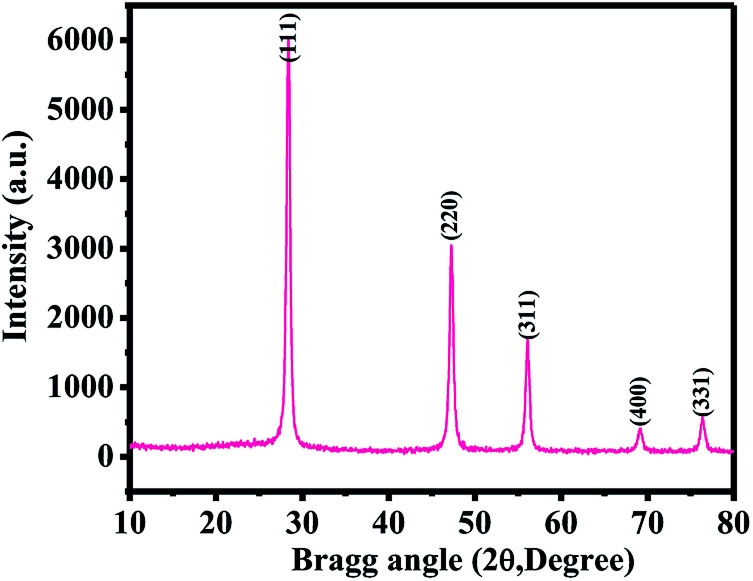
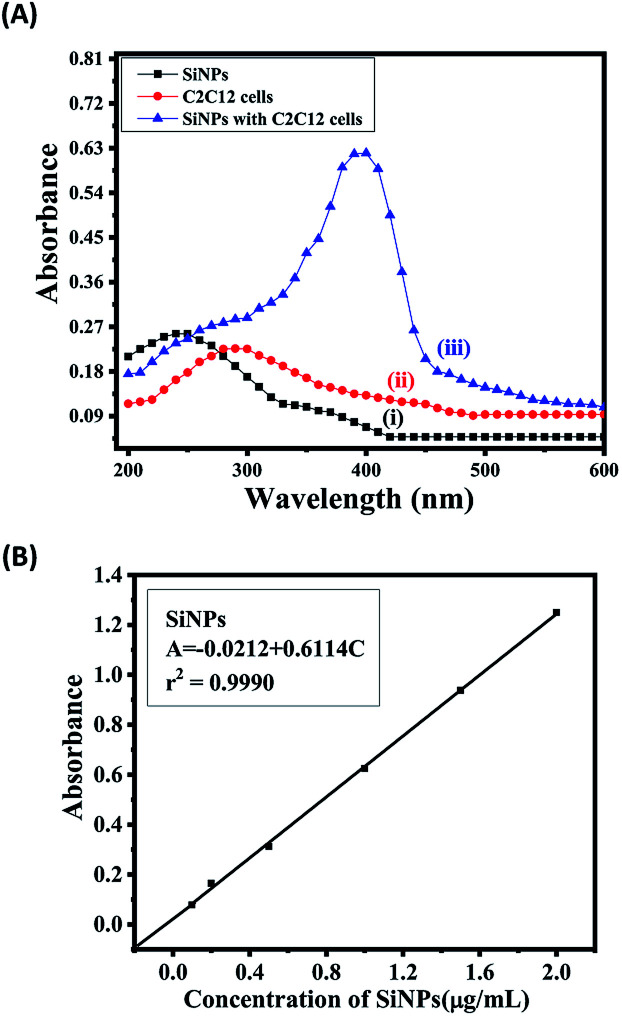
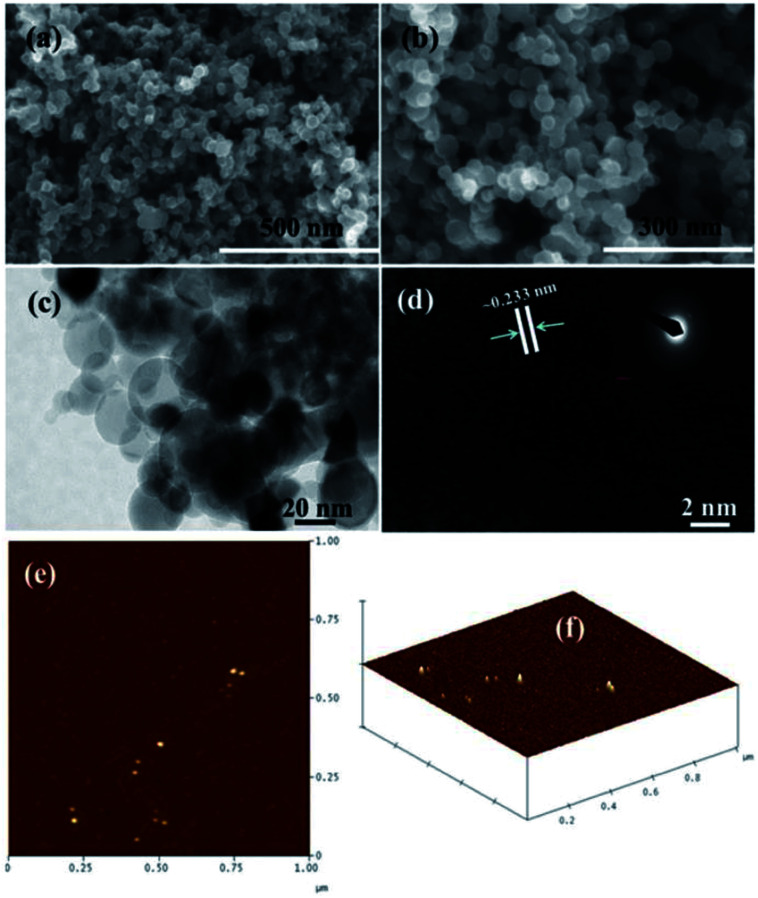
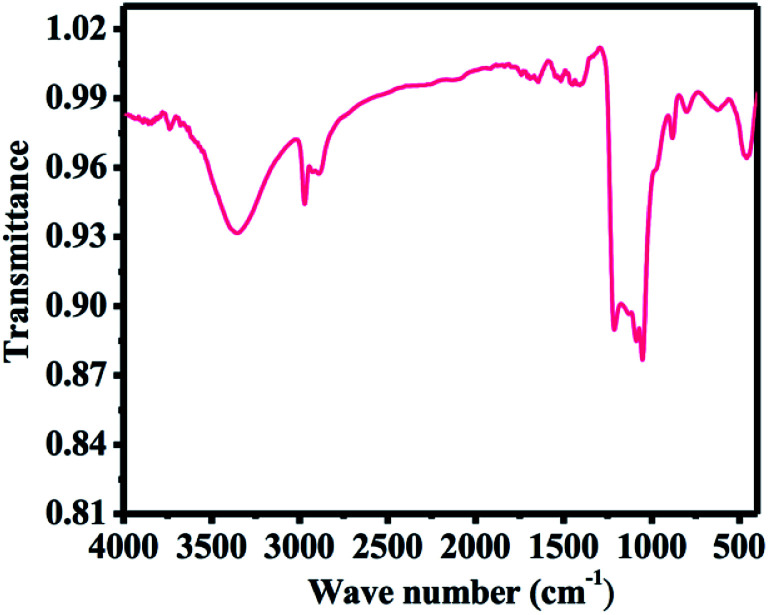
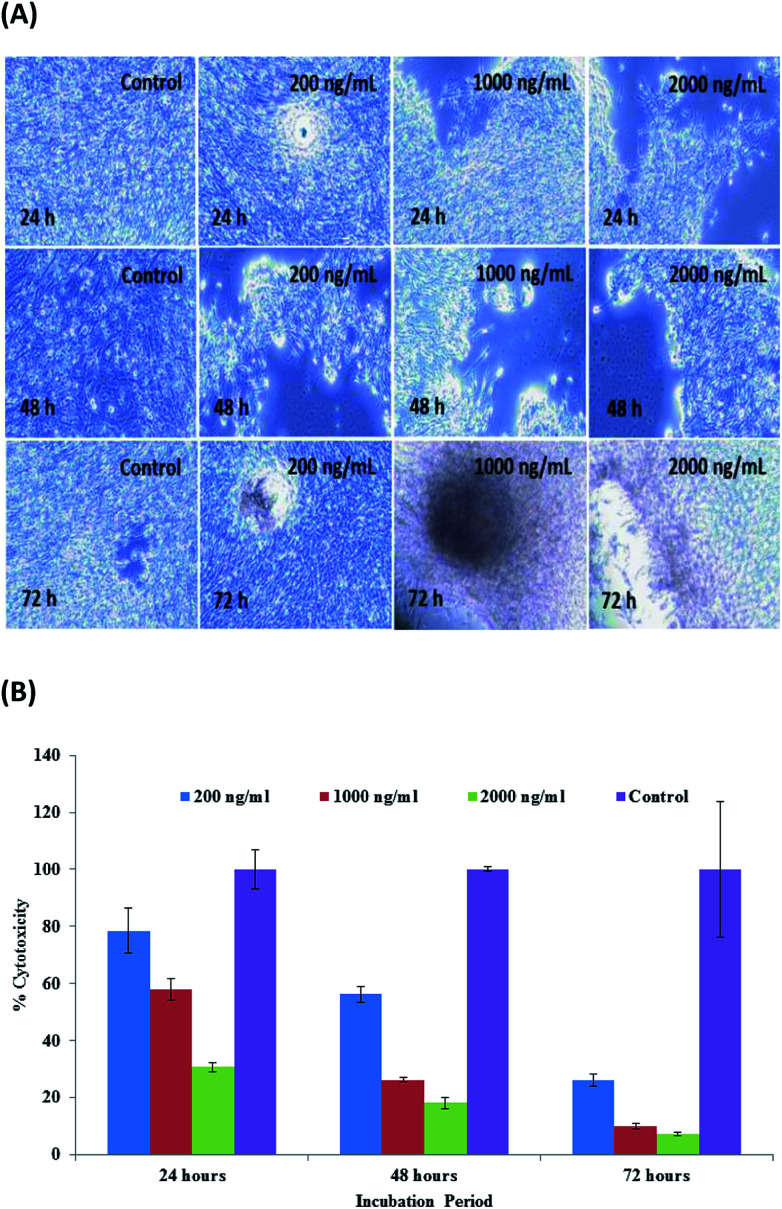
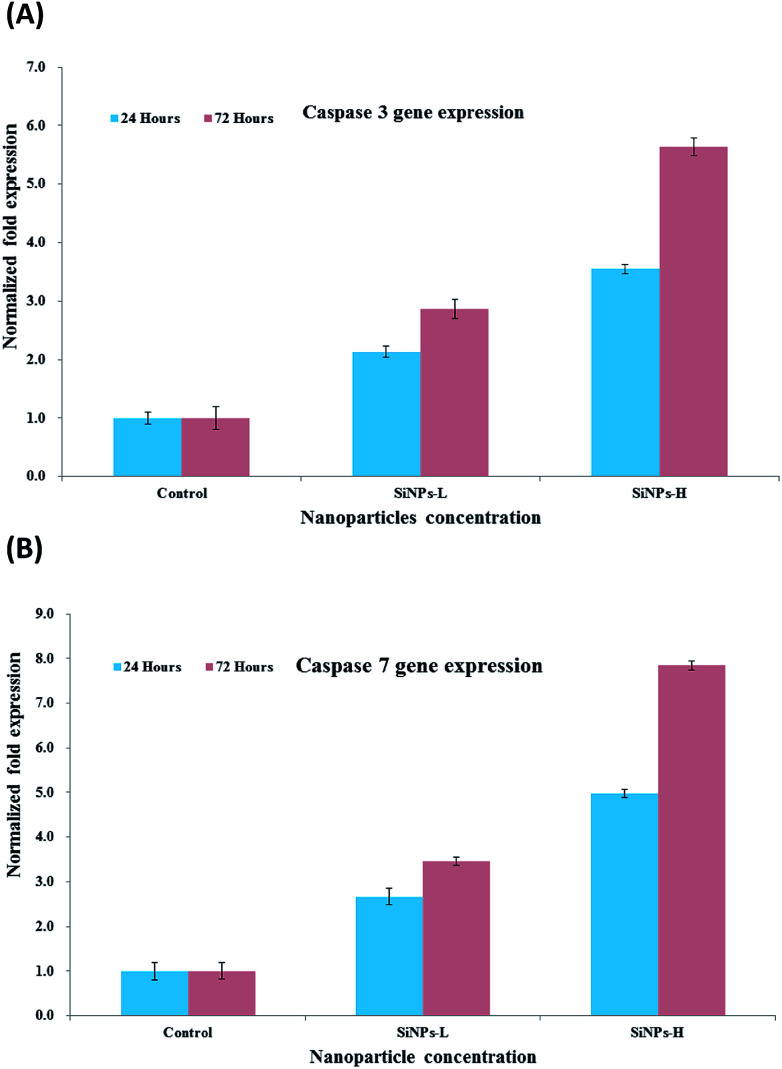
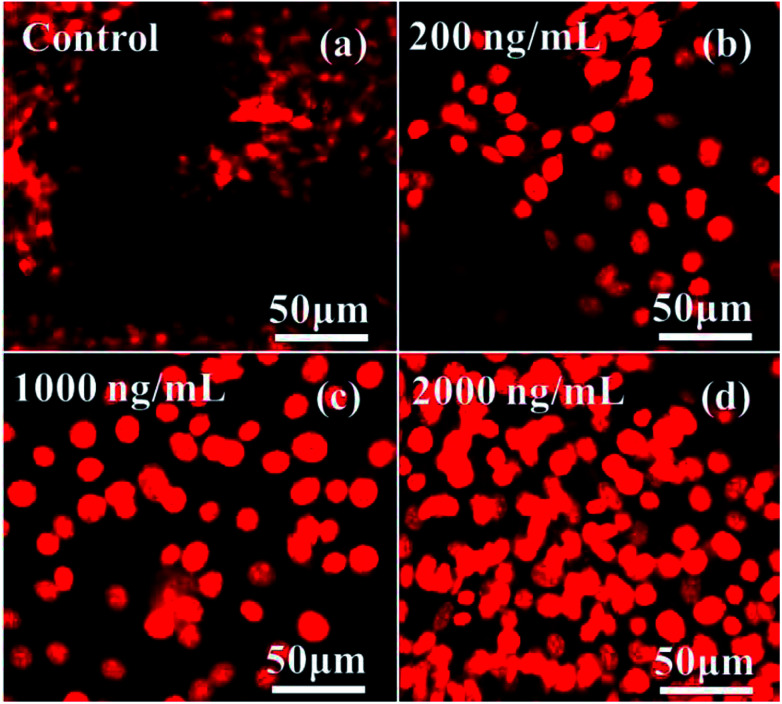
Silicon nanoparticles (SiNPs), which have a special place in material science due to their strong luminescent property and wide applicability in various physicochemical arenas, such as solar cells and LEDs, were synthesised by a microwave plasma-assisted process using an argon-silane mixture. Several characterization tools were applied to check the crystallinity (XRD) and morphological (FESEM, TEM, ∼20 ± 2 nm size) and topographical (AFM, ∼20 nm) details of the NPs. The high-purity SiNPs were applied on myoblast cancer cells to investigate the reactivity of the NPs at different doses (200, 1000 and 2000 ng mL) for different incubation periods (24 h, 48 h & 72 h). The MTT assay was utilized to determine the percentage of viable and non-viable cells, while the cell organization was observed microscopy and CLSM. Additionally, the molecular responses (RT-PCR), such as apoptosis, were analyzed in presence of caspase 3 and 7, and the results showed an upregulation with SiNPs. To validate the obtained data, analytical studies were also performed for the SiNPs statistical analysis and the most reliable data values were evaluated and acceptable as per the ICH guidelines.
硅纳米颗粒(SiNPs)因其强发光特性以及在太阳能电池和发光二极管等各种物理化学领域的广泛适用性,在材料科学中占有特殊地位。通过使用氩 - 硅烷混合物的微波等离子体辅助工艺合成了硅纳米颗粒。应用了多种表征工具来检查纳米颗粒的结晶度(XRD)、形态(FESEM、TEM,尺寸约为20±2纳米)和形貌(AFM,约20纳米)细节。将高纯度的硅纳米颗粒应用于成肌细胞瘤细胞,以研究不同剂量(200、1000和2000纳克/毫升)的纳米颗粒在不同孵育时间(24小时、48小时和72小时)的反应性。利用MTT法测定存活和非存活细胞的百分比,同时通过显微镜和共聚焦激光扫描显微镜观察细胞组织。此外,在存在半胱天冬酶3和7的情况下分析了诸如凋亡等分子反应(RT-PCR),结果显示硅纳米颗粒使其上调。为了验证所获得的数据,还对硅纳米颗粒进行了分析研究,进行了统计分析,并根据国际人用药品注册技术协调会(ICH)指南评估了最可靠的数据值并认为其可接受。