Wang Yabin, Hu Keke, He Juan, Zhang Yantu
Shaanxi Key Laboratory of Chemical Reaction Engineering, College of Chemistry and Chemical Engineering, Yan'an University Yan'an 716000 Shaanxi P. R. China
RSC Adv. 2019 Aug 9;9(43):24783-24790. doi: 10.1039/c9ra04845f. eCollection 2019 Aug 8.
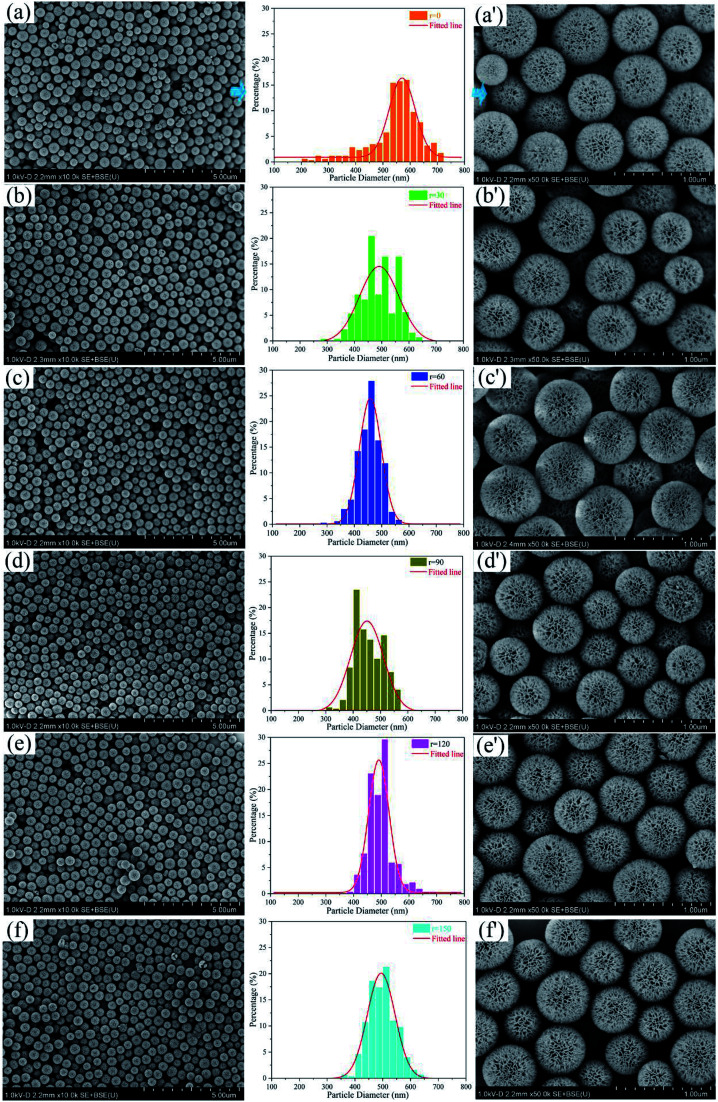
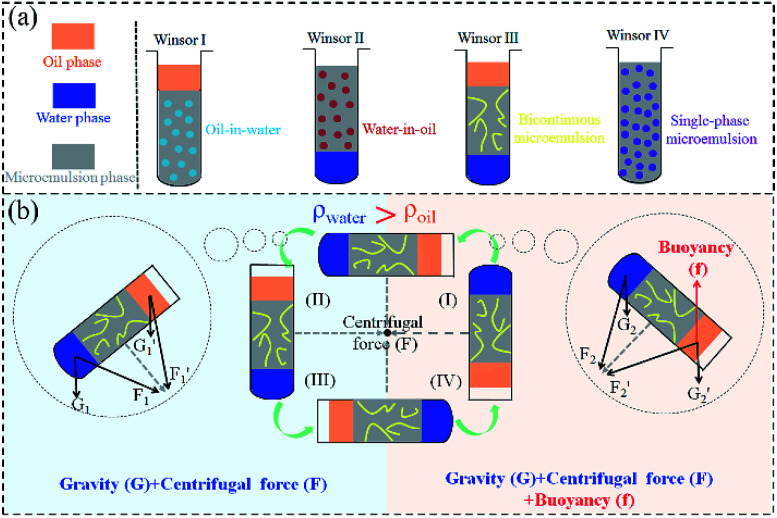
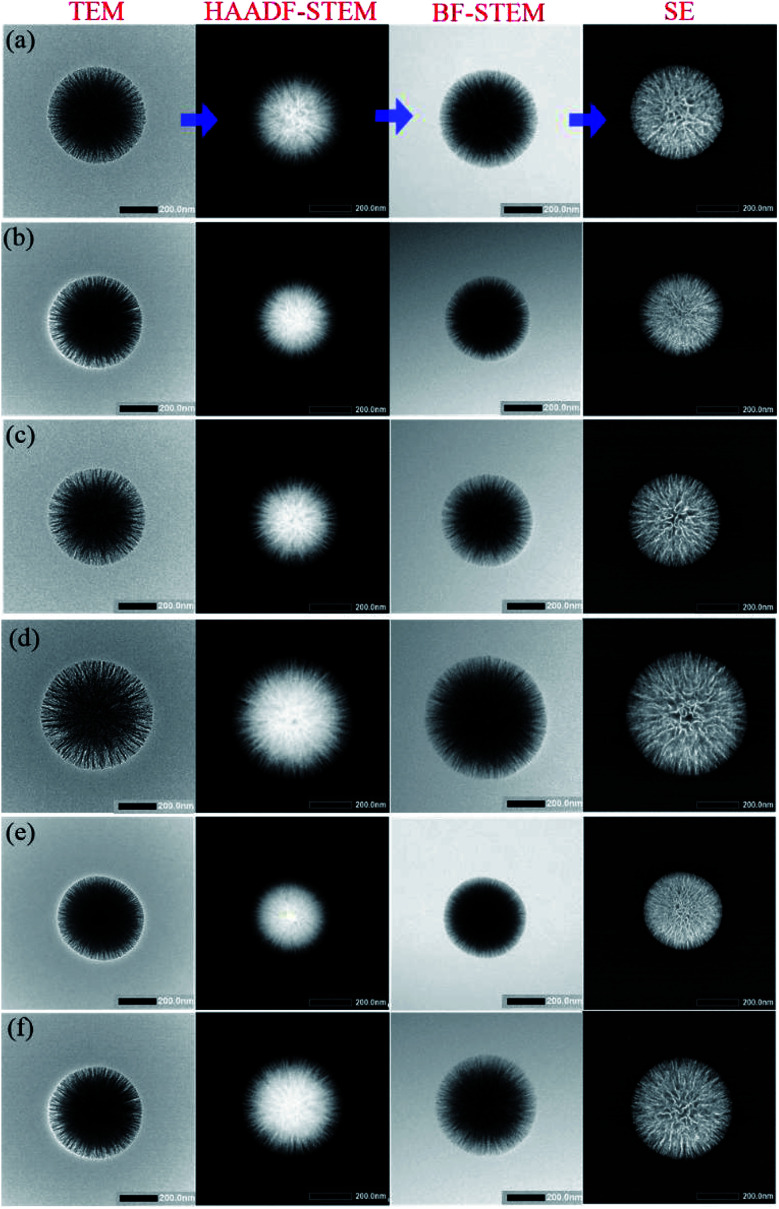
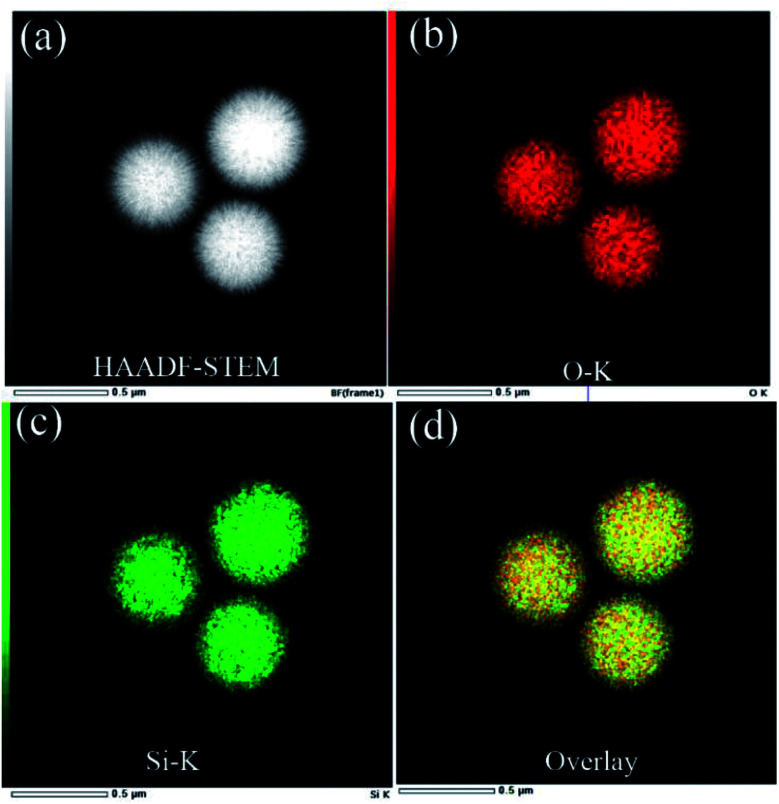
Dendritic fibrous nano-silica (DFNS), also well-known as KCC-1, possesses three-dimensional center-radial nanochannels and hierarchical nanopores. Compared with conventional mesoporous materials like SBA-15, these special structural characteristics endow DFNS with more accessible internal space, higher specific surface area, larger pore volume, Even though great progress has been achieved, the as-prepared KCC-1 nanospheres exhibit extremely non-uniform diameters and their sizes differ enormously in almost all available traditional synthesis approaches. Herein, a facile and low-cost one-pot rotating hydrothermal approach is adopted to improve the size uniformity of dendritic fibrous nano-silica. Stirring rates of 30, 60, 90, 120, and 150 (the maximum) revolutions per minute (rpm) can influence KCC-1 uniformity to certain extents. Among them, 60 rpm can be considered to be an ideal stirring rate for relatively uniform KCC-1 because of the best sufficient contact of reaction phases. A plausible synthesis mechanism can be explained in terms of continuously variable stress conditions of the reaction mother liquor (, the bicontinuous microemulsion) during the fabrication process. To be specific, except for gravity (), this technique brings about the centrifugal force () stemming from the stirring rate, and the buoyancy () originated from vigorous reversal of organic phase in the reaction solution. These forces synergistically mix organic phase and water phase, which generates new bicontinuous microemulsion droplets (BMDs) to supplement the consumed ones. All in all, this approach as well as the synthesis equipment is simple, inexpensive, and reproducible for large-scale KCC-1 preparation with improved size uniformity.
树枝状纤维纳米二氧化硅(DFNS),也被称为KCC-1,具有三维中心辐射纳米通道和分级纳米孔。与传统介孔材料如SBA-15相比,这些特殊的结构特征使DFNS具有更易接近的内部空间、更高的比表面积、更大的孔体积。尽管已经取得了很大进展,但几乎所有可用的传统合成方法中,制备的KCC-1纳米球都表现出直径极不均匀且尺寸差异极大的问题。在此,采用一种简便且低成本的一锅旋转水热法来提高树枝状纤维纳米二氧化硅的尺寸均匀性。每分钟30、60、90、120和150(最大)转的搅拌速率在一定程度上会影响KCC-1的均匀性。其中,60转/分钟可被认为是获得相对均匀KCC-1的理想搅拌速率,因为反应相之间的接触最为充分。可以根据制备过程中反应母液(即双连续微乳液)不断变化的应力条件来解释一个合理的合成机制。具体而言,除了重力()外,该技术还会产生源于搅拌速率的离心力()以及反应溶液中有机相剧烈反转产生的浮力()。这些力协同作用使有机相和水相混合,产生新的双连续微乳液滴(BMDs)以补充消耗的液滴。总而言之,这种方法以及合成设备简单、廉价且可重复,可用于大规模制备尺寸均匀性得到改善的KCC-1。