Zhang Xu, Wang Yuxiang, Meng Linghua
Division of Anti-tumor Pharmacology, Shanghai Institute of Materia Medica, Chinese Academy of Sciences, Shanghai 201203, China.
University of Chinese Academy of Sciences, Beijing 100049, China.
Acta Pharm Sin B. 2022 Mar;12(3):1054-1067. doi: 10.1016/j.apsb.2021.09.028. Epub 2021 Sep 30.
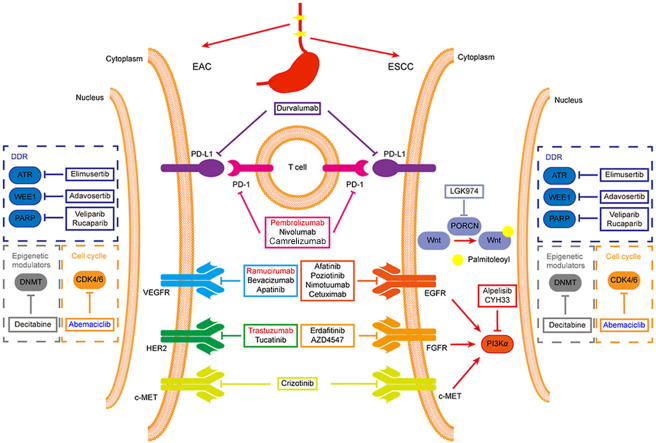
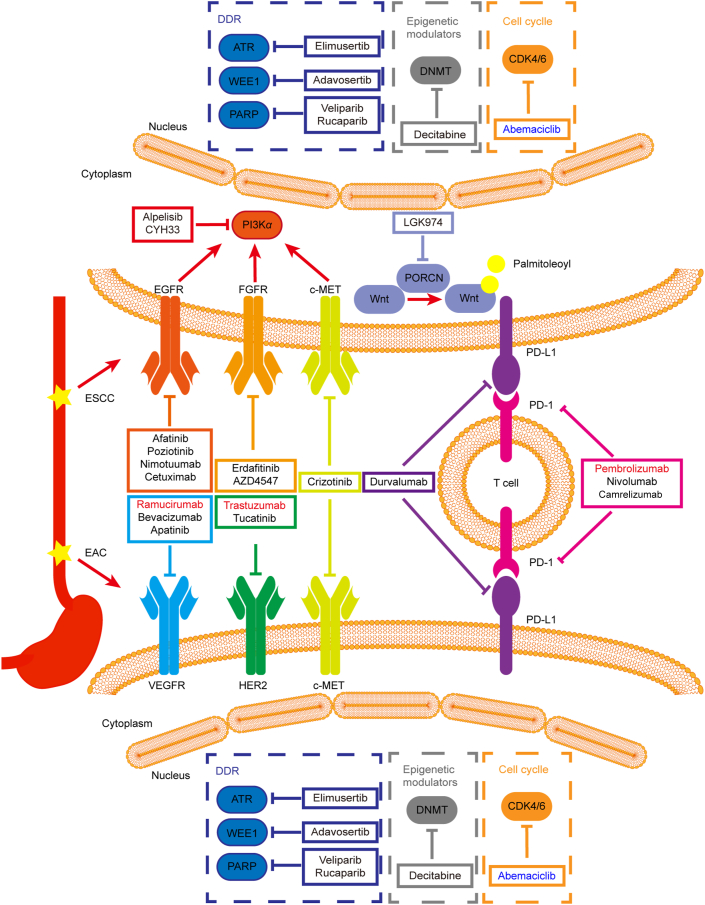
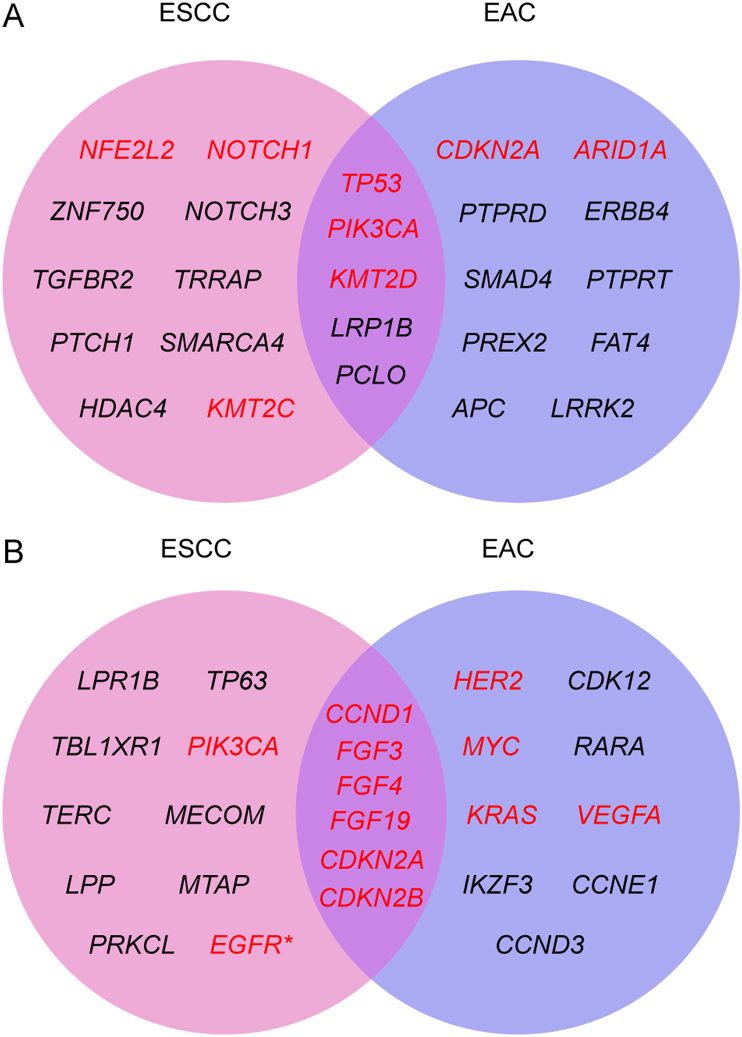
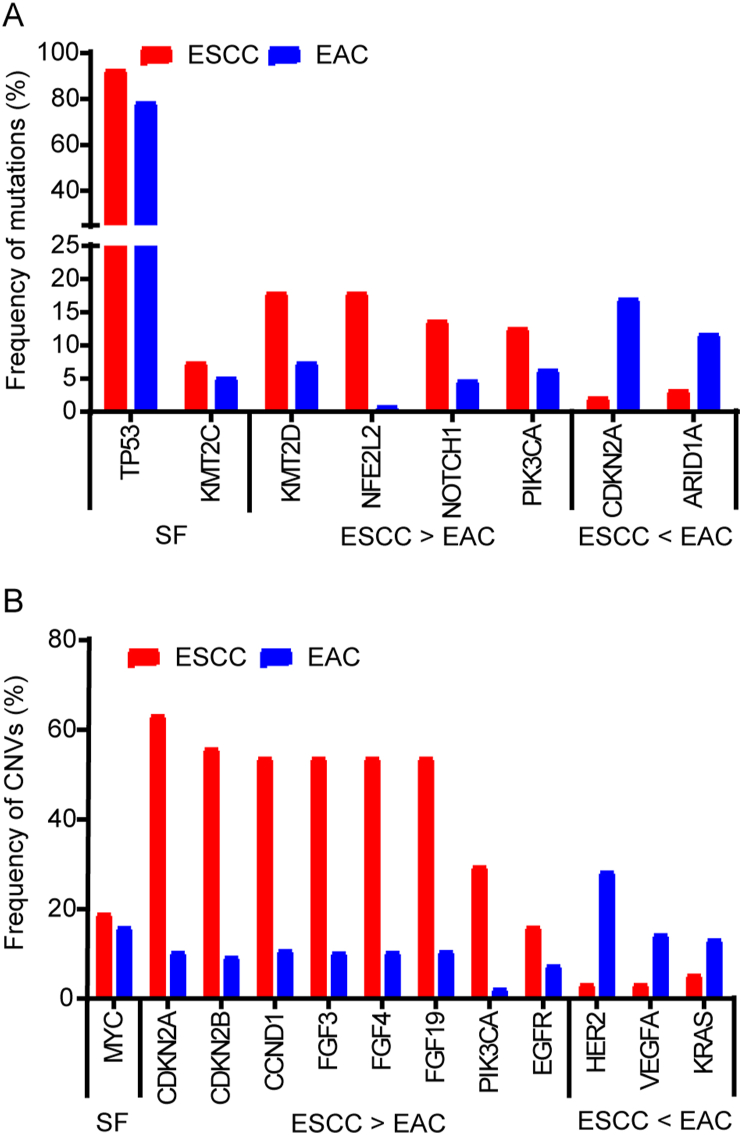
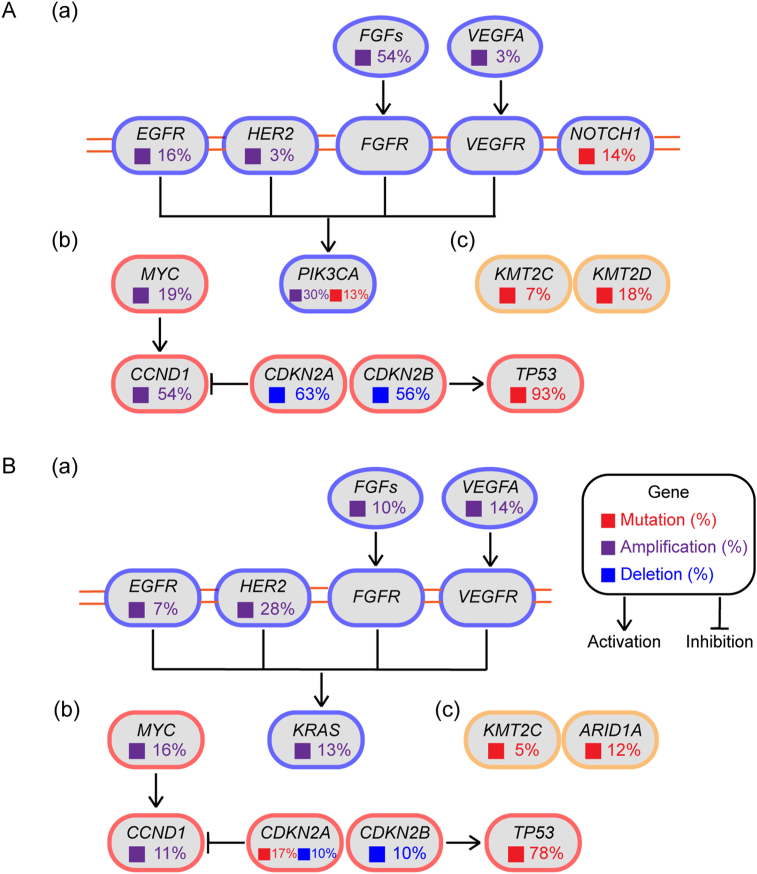
Esophageal cancer is one of the most lethal cancers worldwide because of its rapid progression and poor prognosis. Esophageal squamous cell carcinoma (ESCC) and esophageal adenocarcinoma (EAC) are two major subtypes of esophageal cancer. ESCC predominantly affects African and Asian populations, which is closely related to chronic smoking and alcohol consumption. EAC typically arises in Barrett's esophagus with a predilection for Western countries. While surgical operation and chemoradiotherapy have been applied to combat this deadly cancer, molecularly targeted therapy is still at the early stages. With the development of large-scale next-generation sequencing, various genomic alterations in ESCC and EAC have been revealed and their potential roles in the initiation and progression of esophageal cancer have been studied. Potential therapeutic targets have been identified and novel approaches have been developed to combat esophageal cancer. In this review, we comprehensively analyze the genomic alterations in EAC and ESCC and summarize the potential role of the genetic alterations in the development of esophageal cancer. Progresses in the therapeutics based on the different tissue types and molecular signatures have also been reviewed and discussed.
由于其进展迅速且预后不良,食管癌是全球最致命的癌症之一。食管鳞状细胞癌(ESCC)和食管腺癌(EAC)是食管癌的两种主要亚型。ESCC主要影响非洲和亚洲人群,这与长期吸烟和饮酒密切相关。EAC通常发生在巴雷特食管,在西方国家更为常见。虽然手术和放化疗已被用于对抗这种致命癌症,但分子靶向治疗仍处于早期阶段。随着大规模下一代测序技术的发展,ESCC和EAC中的各种基因组改变已被揭示,并且它们在食管癌发生和发展中的潜在作用也得到了研究。已经确定了潜在的治疗靶点,并开发了对抗食管癌的新方法。在这篇综述中,我们全面分析了EAC和ESCC中的基因组改变,并总结了基因改变在食管癌发展中的潜在作用。还对基于不同组织类型和分子特征的治疗进展进行了综述和讨论。