Zheng Cancan, Yu Xiaomei, Liang Yiyao, Zhu Yidong, He Yan, Liao Long, Wang Dingkang, Yang Yanming, Yin Xingfeng, Li Ang, He Qingyu, Li Bin
MOE Key Laboratory of Tumor Molecular Biology and Key Laboratory of Functional Protein Research of Guangdong Higher Education Institutes, Institute of Life and Health Engineering, Jinan University, Guangzhou 510632, China.
Guangdong Key Laboratory of Non-human Primate Research, Guangdong-Hong Kong-Macau Institute of CNS Regeneration, Key Laboratory of CNS Regeneration, Ministry of Education, Jinan University, Guangzhou 510632, China.
Acta Pharm Sin B. 2022 Mar;12(3):1271-1287. doi: 10.1016/j.apsb.2021.09.007. Epub 2021 Sep 11.
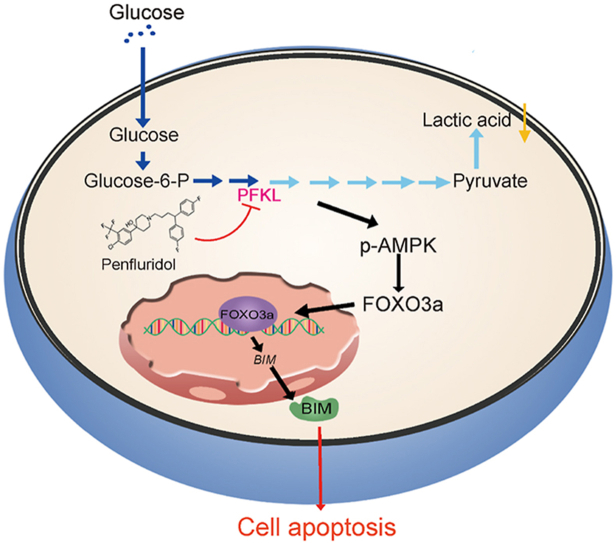
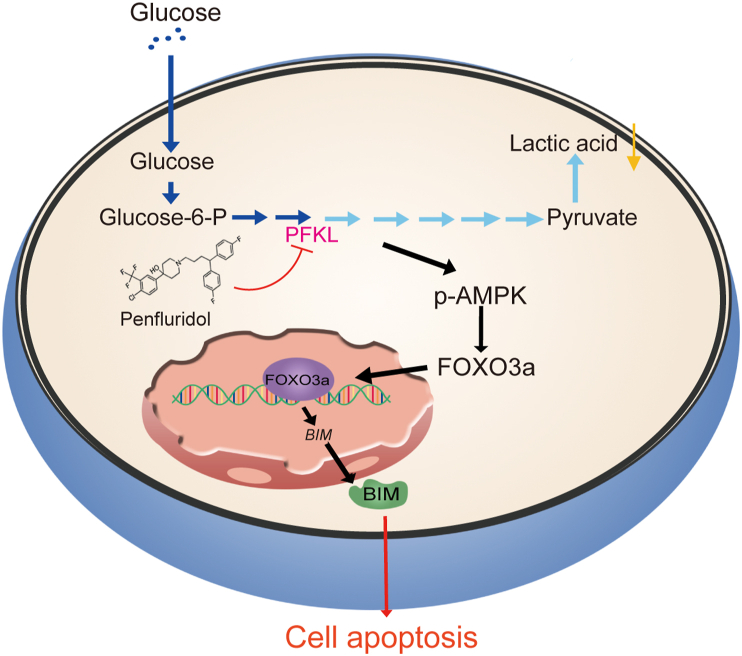
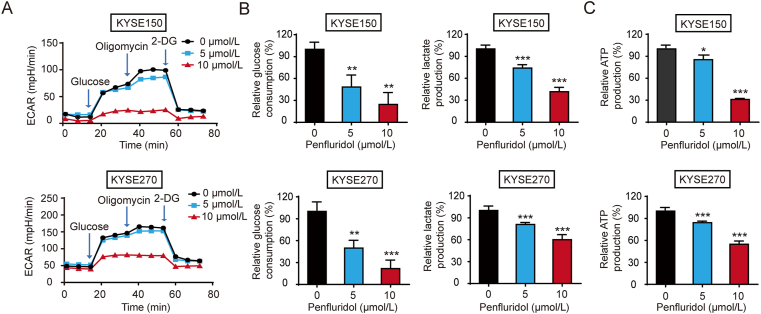
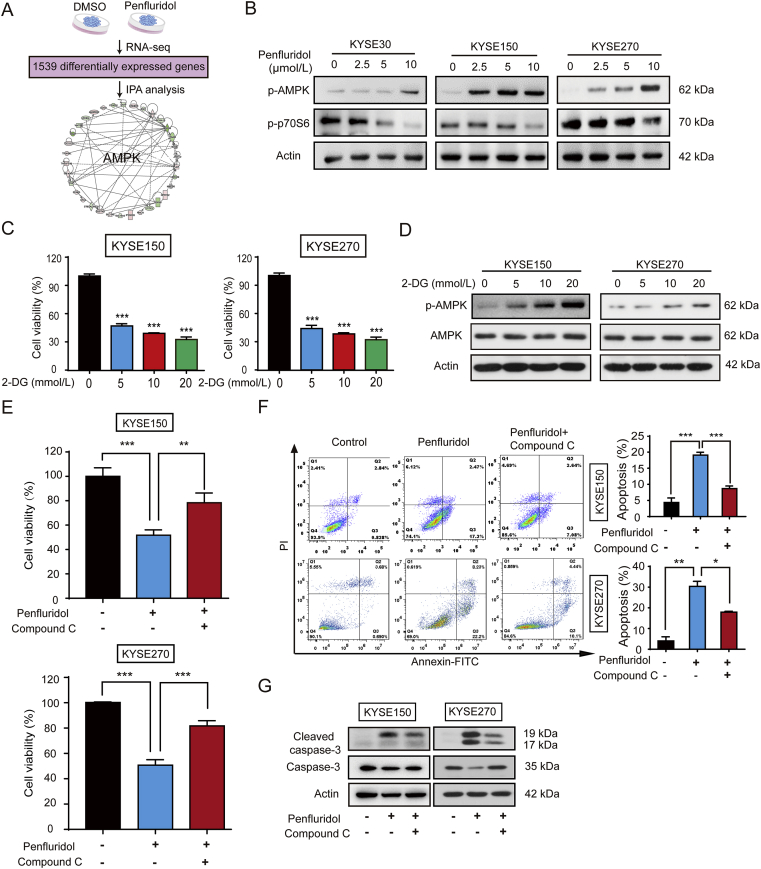
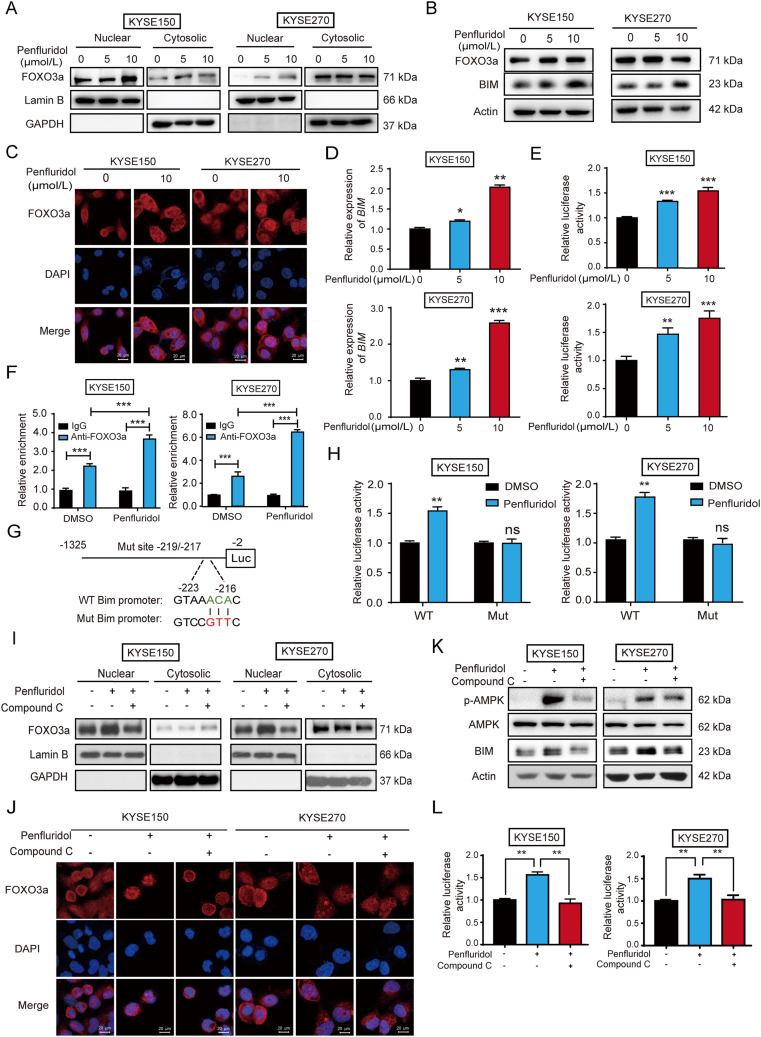
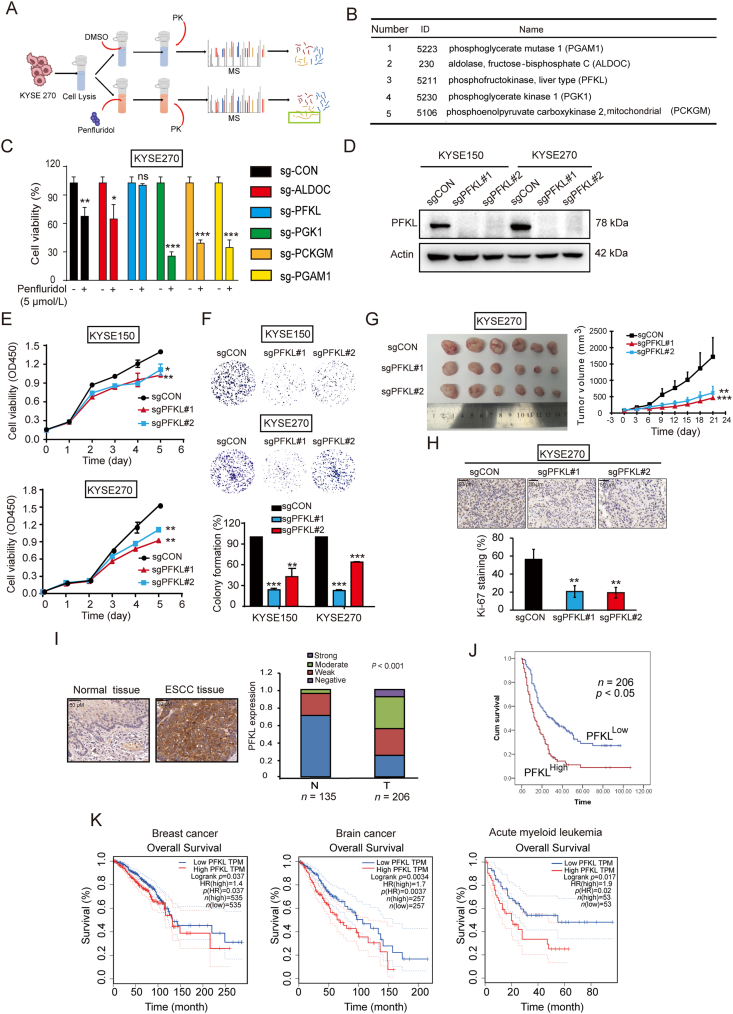
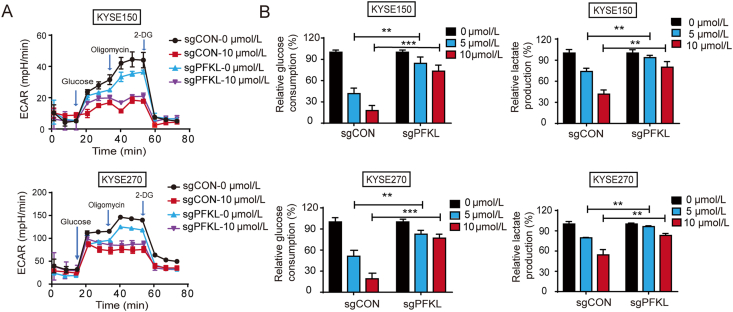
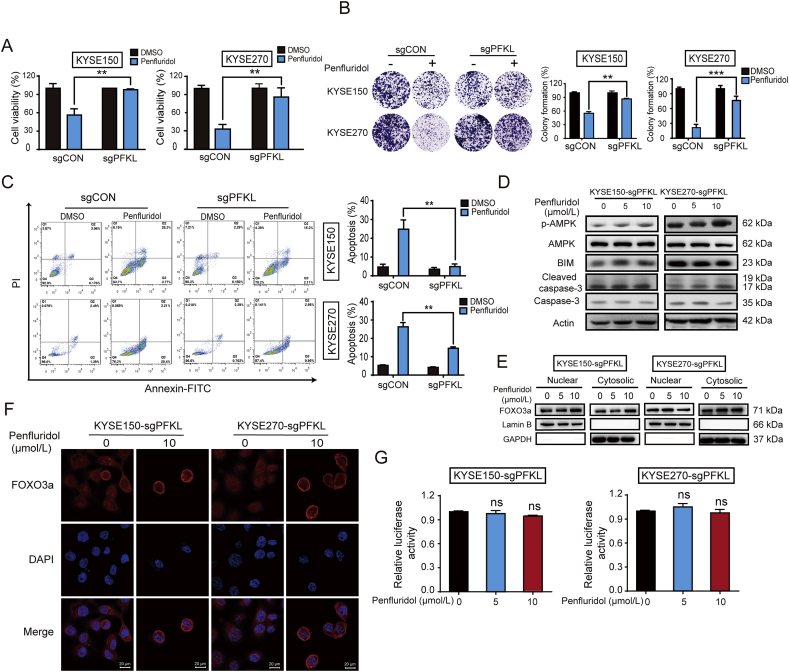
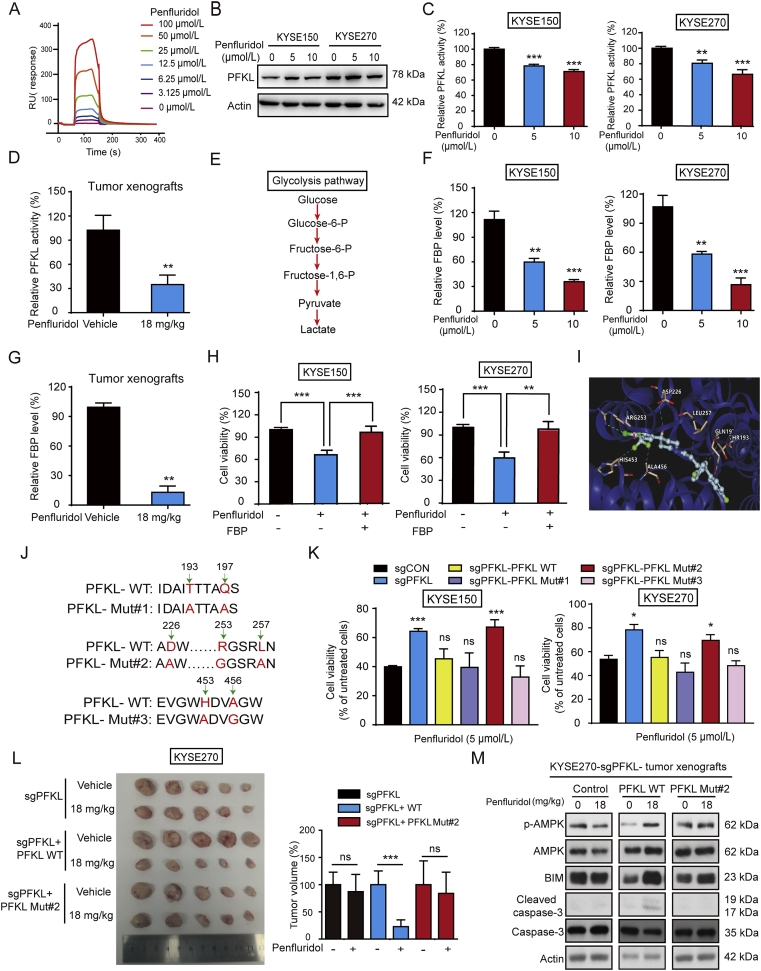
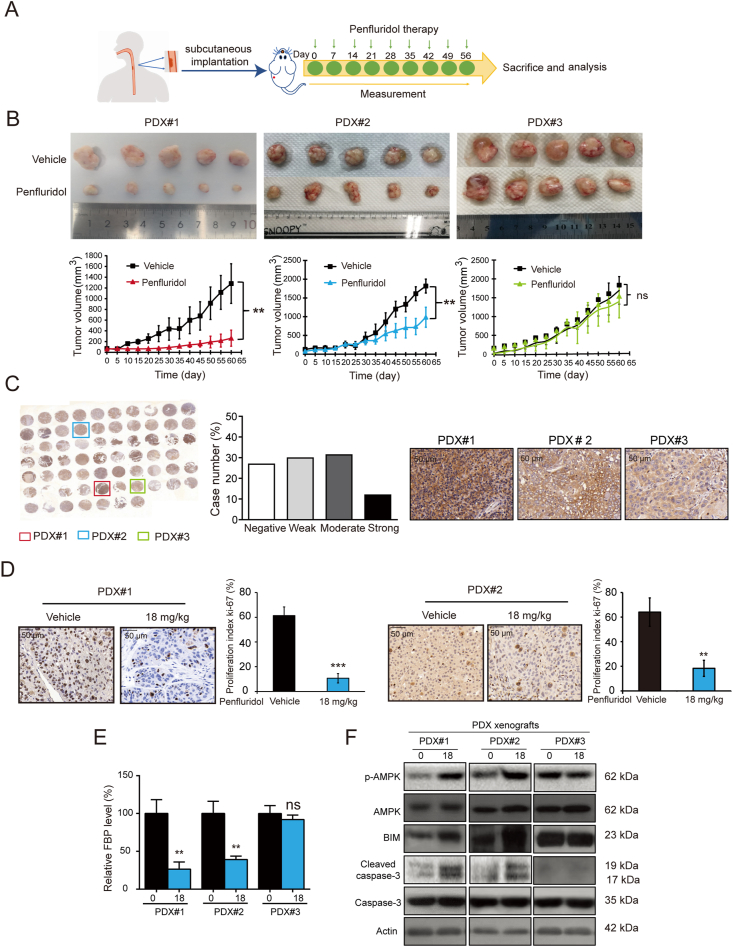
As one of the hallmarks of cancer, metabolic reprogramming leads to cancer progression, and targeting glycolytic enzymes could be useful strategies for cancer therapy. By screening a small molecule library consisting of 1320 FDA-approved drugs, we found that penfluridol, an antipsychotic drug used to treat schizophrenia, could inhibit glycolysis and induce apoptosis in esophageal squamous cell carcinoma (ESCC). Gene profiling and Ingenuity Pathway Analysis suggested the important role of AMPK in action mechanism of penfluridol. By using drug affinity responsive target stability (DARTS) technology and proteomics, we identified phosphofructokinase, liver type (PFKL), a key enzyme in glycolysis, as a direct target of penfluridol. Penfluridol could not exhibit its anticancer property in PFKL-deficient cancer cells, illustrating that PFKL is essential for the bioactivity of penfluridol. High PFKL expression is correlated with advanced stages and poor survival of ESCC patients, and silencing of PFKL significantly suppressed tumor growth. Mechanistically, direct binding of penfluridol and PFKL inhibits glucose consumption, lactate and ATP production, leads to nuclear translocation of FOXO3a and subsequent transcriptional activation of in an AMPK-dependent manner. Taken together, PFKL is a potential prognostic biomarker and therapeutic target in ESCC, and penfluridol may be a new therapeutic option for management of this lethal disease.
作为癌症的标志之一,代谢重编程会导致癌症进展,而靶向糖酵解酶可能是癌症治疗的有用策略。通过筛选一个由1320种FDA批准药物组成的小分子文库,我们发现五氟利多,一种用于治疗精神分裂症的抗精神病药物,可抑制食管鳞状细胞癌(ESCC)的糖酵解并诱导其凋亡。基因谱分析和 Ingenuity 通路分析表明,AMPK 在五氟利多的作用机制中起重要作用。通过使用药物亲和响应靶点稳定性(DARTS)技术和蛋白质组学,我们确定了糖酵解中的关键酶肝型磷酸果糖激酶(PFKL)是五氟利多的直接靶点。五氟利多在缺乏PFKL的癌细胞中无法表现出其抗癌特性,这说明PFKL对五氟利多的生物活性至关重要。高PFKL表达与ESCC患者的晚期阶段和较差的生存率相关,沉默PFKL可显著抑制肿瘤生长。从机制上讲,五氟利多与PFKL的直接结合会抑制葡萄糖消耗、乳酸和ATP生成,导致FOXO3a核转位,并随后以AMPK依赖的方式激活转录。综上所述,PFKL是ESCC中一种潜在的预后生物标志物和治疗靶点,五氟利多可能是治疗这种致命疾病的一种新的治疗选择。