Department of Cell Biology, Duke University Medical Center, Durham, North Carolina, USA.
Department of Neurobiology, Duke University Medical Center, Durham, North Carolina, USA.
Glia. 2022 Aug;70(8):1467-1483. doi: 10.1002/glia.24191. Epub 2022 May 10.
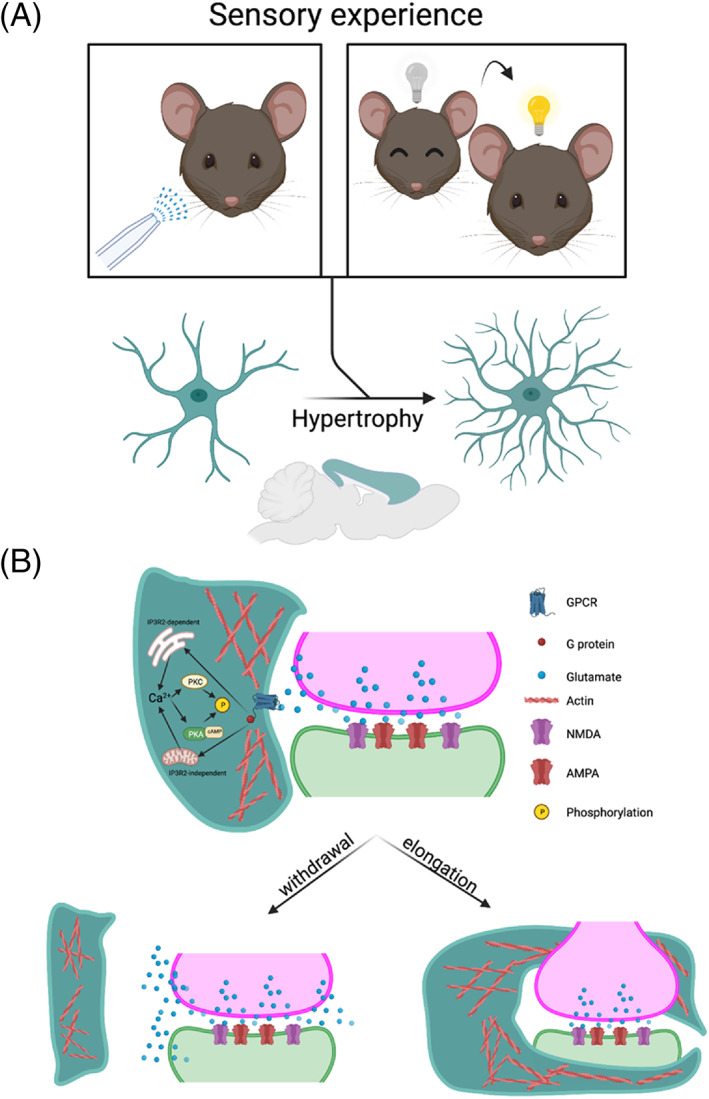
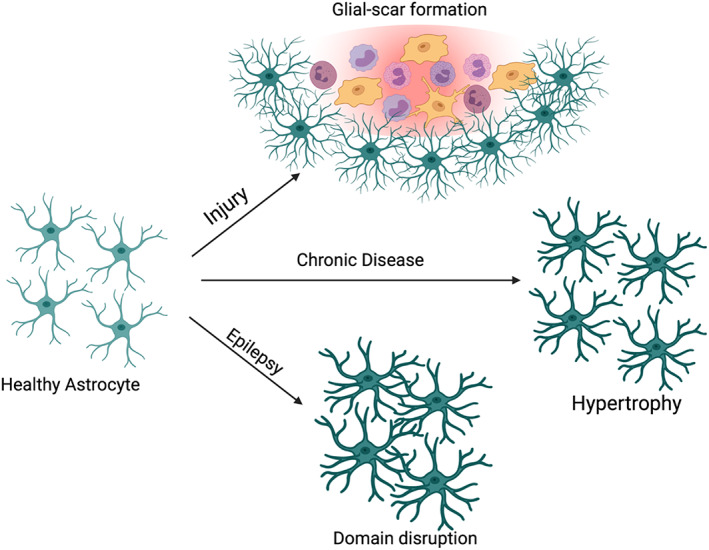
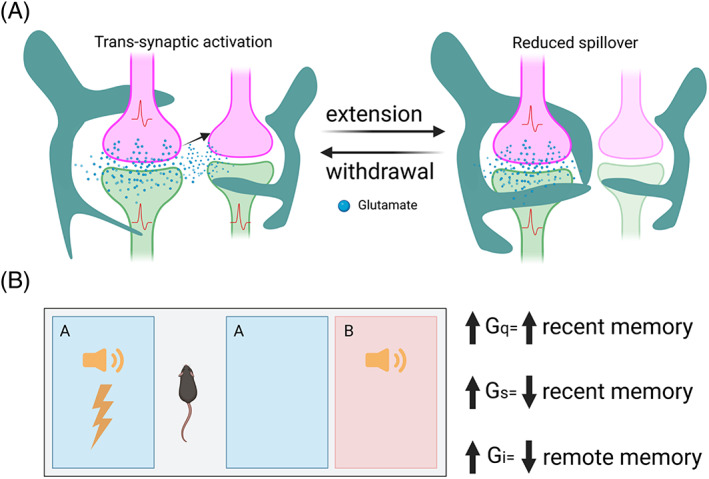
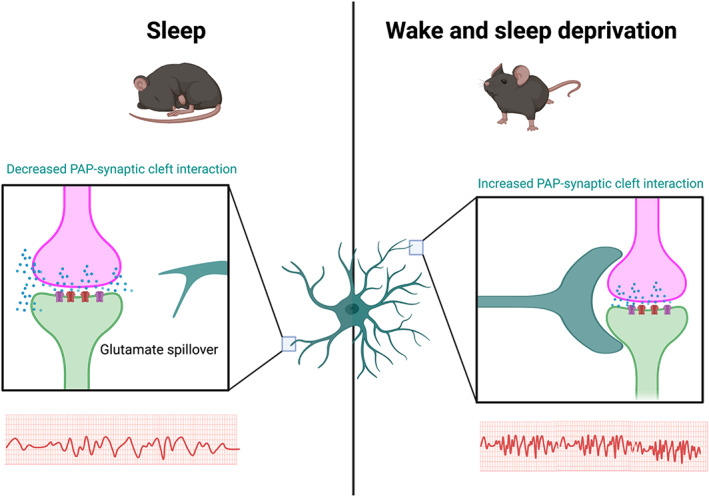
Brain circuits undergo substantial structural changes during development, driven by the formation, stabilization, and elimination of synapses. Synaptic connections continue to undergo experience-dependent structural rearrangements throughout life, which are postulated to underlie learning and memory. Astrocytes, a major glial cell type in the brain, are physically in contact with synaptic circuits through their structural ensheathment of synapses. Astrocytes strongly contribute to the remodeling of synaptic structures in healthy and diseased central nervous systems by regulating synaptic connectivity and behaviors. However, whether structural plasticity of astrocytes is involved in their critical functions at the synapse is unknown. This review will discuss the emerging evidence linking astrocytic structural plasticity to synaptic circuit remodeling and regulation of behaviors. Moreover, we will survey possible molecular and cellular mechanisms regulating the structural plasticity of astrocytes and their non-cell-autonomous effects on neuronal plasticity. Finally, we will discuss how astrocyte morphological changes in different physiological states and disease conditions contribute to neuronal circuit function and dysfunction.
大脑回路在发育过程中会发生大量的结构变化,这是由突触的形成、稳定和消除驱动的。突触连接在整个生命过程中继续经历经验依赖性的结构重排,这被认为是学习和记忆的基础。星形胶质细胞是大脑中的主要胶质细胞类型,通过其对突触的结构包裹与突触回路物理接触。星形胶质细胞通过调节突触连接和行为,强烈促进中枢神经系统中健康和疾病状态下突触结构的重塑。然而,星形胶质细胞的结构可塑性是否参与其在突触处的关键功能尚不清楚。这篇综述将讨论将星形胶质细胞结构可塑性与突触回路重塑和行为调节联系起来的新证据。此外,我们将调查调节星形胶质细胞结构可塑性及其对神经元可塑性的非细胞自主效应的可能分子和细胞机制。最后,我们将讨论不同生理状态和疾病条件下星形胶质细胞形态变化如何有助于神经元回路的功能和功能障碍。