Wen Cuilian, Hong Yun, Wu Junru, Luo Lijin, Qiu Yimei, Ye Jianxia
College of Materials Science and Engineering, Fuzhou University, Key Laboratory of Eco-materials Advanced Technology (Fuzhou University), Fujian Province University Fuzhou 350116 China
Fujian Provincial Key Laboratory of Screening for Novel Microbial Products, Fujian Institute of Microbiology Fuzhou 350007 China
RSC Adv. 2018 Apr 18;8(26):14561-14569. doi: 10.1039/c8ra00352a. eCollection 2018 Apr 17.
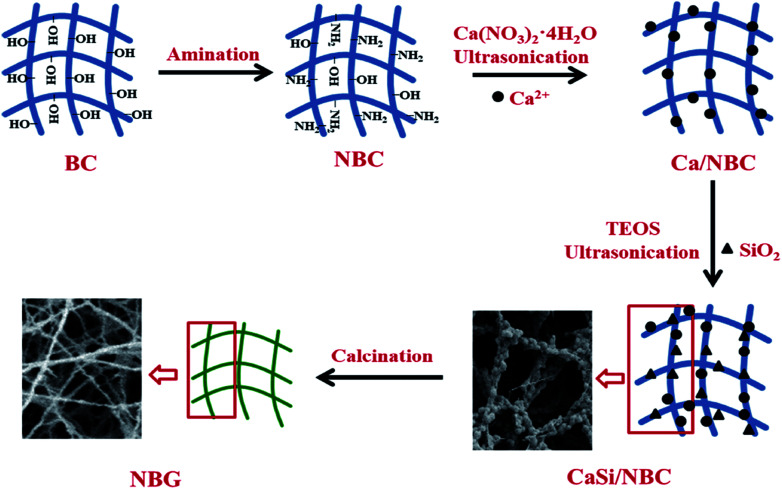
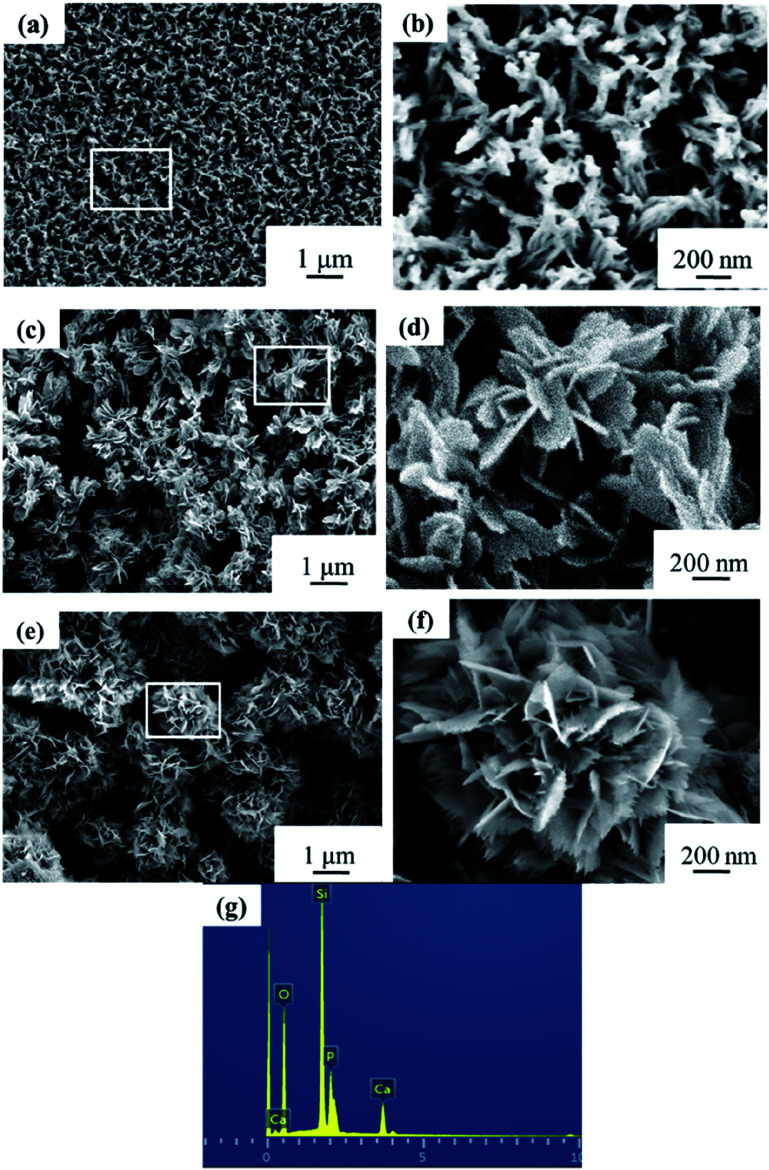
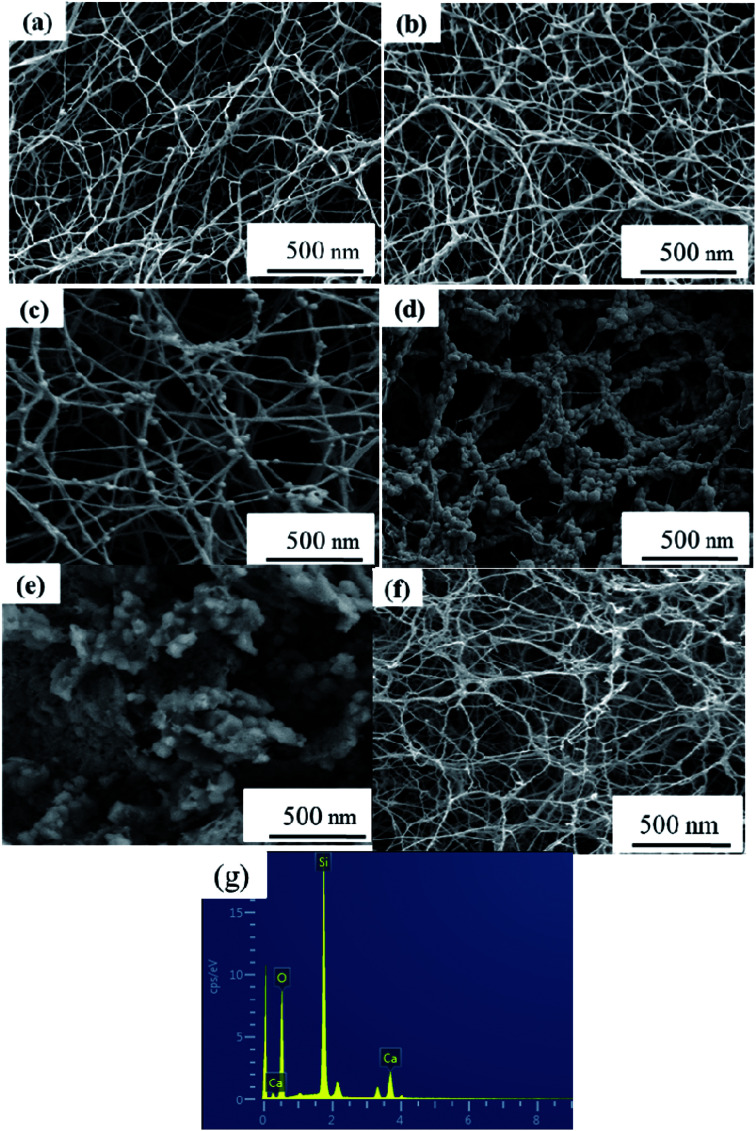
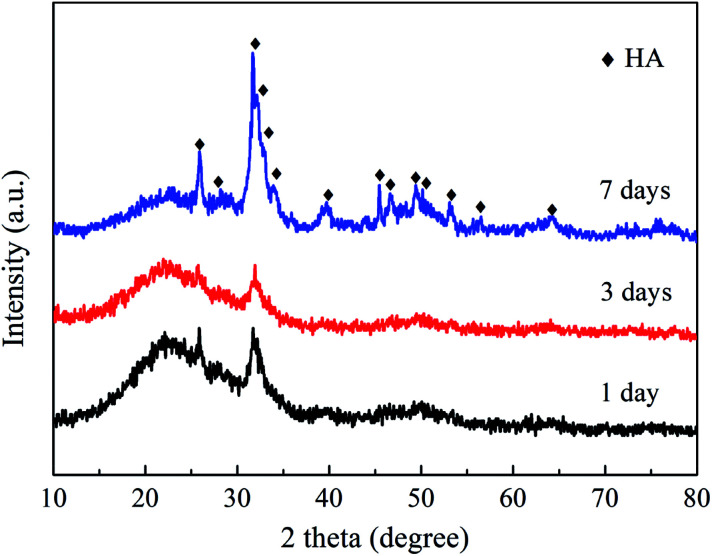
Porous bioglass (BG) scaffolds are of great importance in tissue engineering because of their excellent osteogenic properties for bone regeneration. Herein, we reported for the first time the use of amino-modified bacterial cellulose (NBC) as a template to prepare a three-dimensional (3D) nanofibrous BG scaffold by a facile modified sol-gel approach under ultrasonic treatment. The results suggested that the amino groups on the BC template could effectively promote the absorption of the deposited CaO and SiO precursors, and the as-obtained BG scaffold showed a 3D interconnected porous network structure consisting of nanofibers with a diameter of about 20 nm. Furthermore, the as-obtained BG scaffold showed very good bioactivity after being immersed in SBF for 7 days. This research provides a facile and efficient way to prepare a nanofibrous BG scaffold with 3D porous structure, which can be used as a promising candidate for biomedical applications.
多孔生物玻璃(BG)支架因其对骨再生具有优异的成骨性能而在组织工程中具有重要意义。在此,我们首次报道了使用氨基修饰的细菌纤维素(NBC)作为模板,通过在超声处理下的简便改性溶胶-凝胶法制备三维(3D)纳米纤维BG支架。结果表明,BC模板上的氨基可有效促进沉积的CaO和SiO前驱体的吸收,所得的BG支架呈现出由直径约20nm的纳米纤维组成的3D相互连接的多孔网络结构。此外,所得的BG支架在SBF中浸泡7天后表现出非常好的生物活性。本研究提供了一种简便有效的方法来制备具有3D多孔结构的纳米纤维BG支架,其可作为生物医学应用的有前途的候选材料。