Zhang Bo, Wan Yuzhou, Zhou Xuefeng, Zhang Haojun, Zhao Hailing, Ma Liang, Dong Xi, Yan Meihua, Zhao Tingting, Li Ping
Graduate School of Peking Union Medical College, Chinese Academy of Medical Sciences and Peking Union Medical College, Beijing, China.
Beijing Key Laboratory for Immune-Mediated Inflammatory Diseases, Institute of Clinical Medical Sciences, China-Japan Friendship Hospital, Beijing, China.
Front Pharmacol. 2022 Apr 14;13:872988. doi: 10.3389/fphar.2022.872988. eCollection 2022.
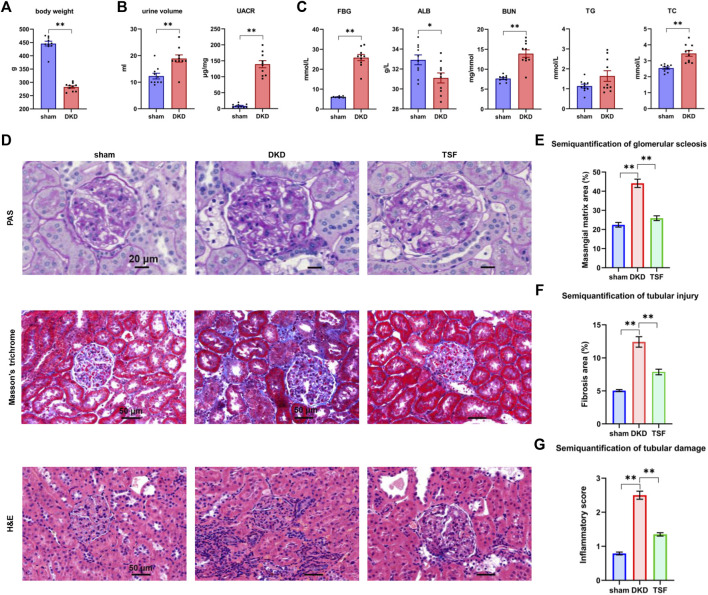
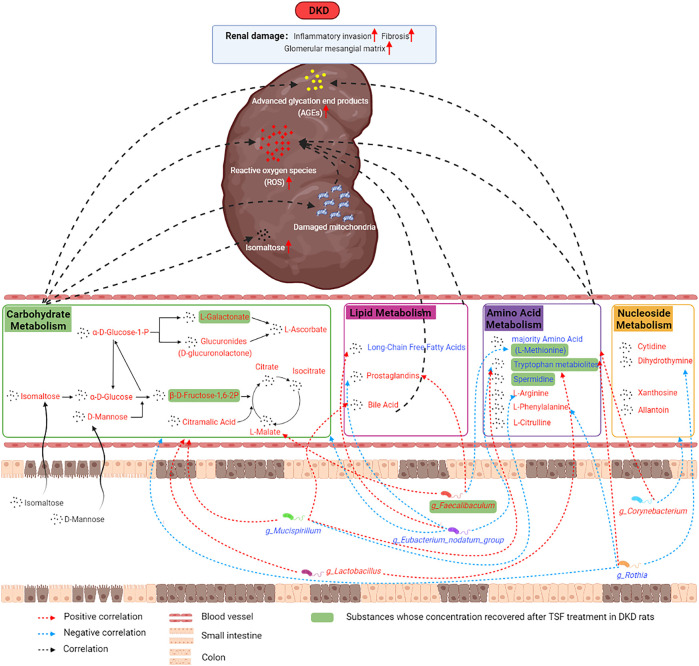
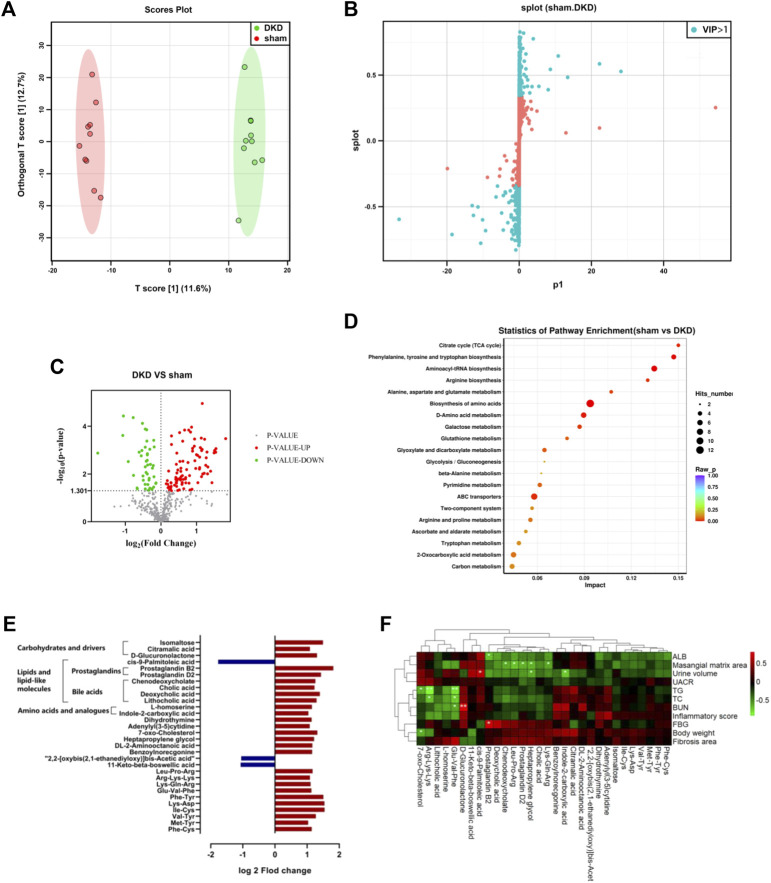
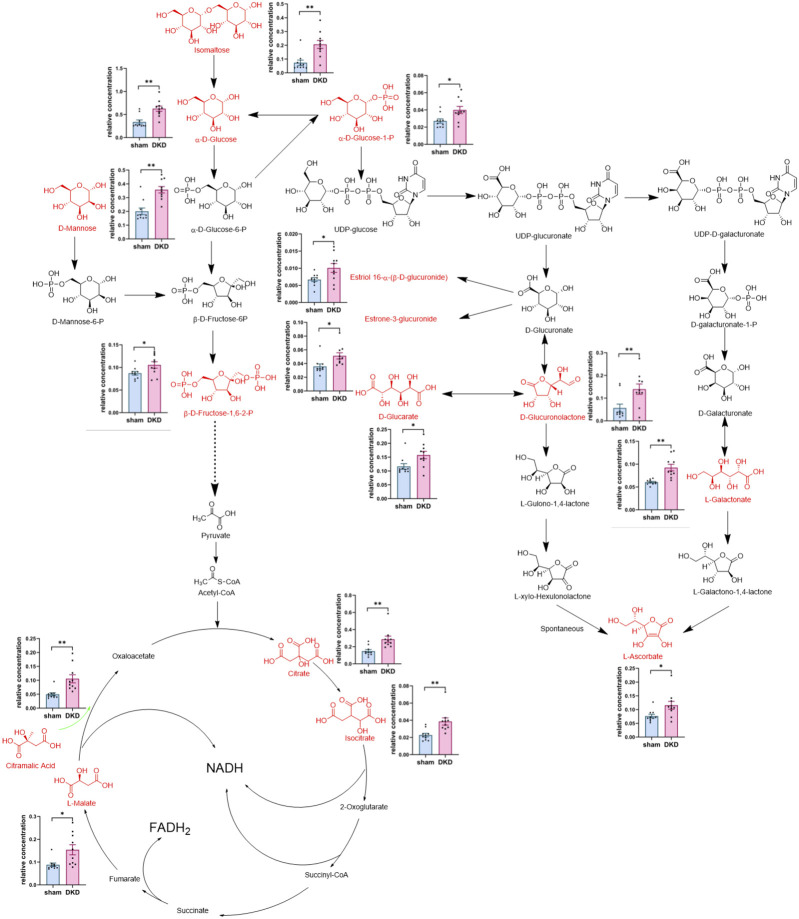
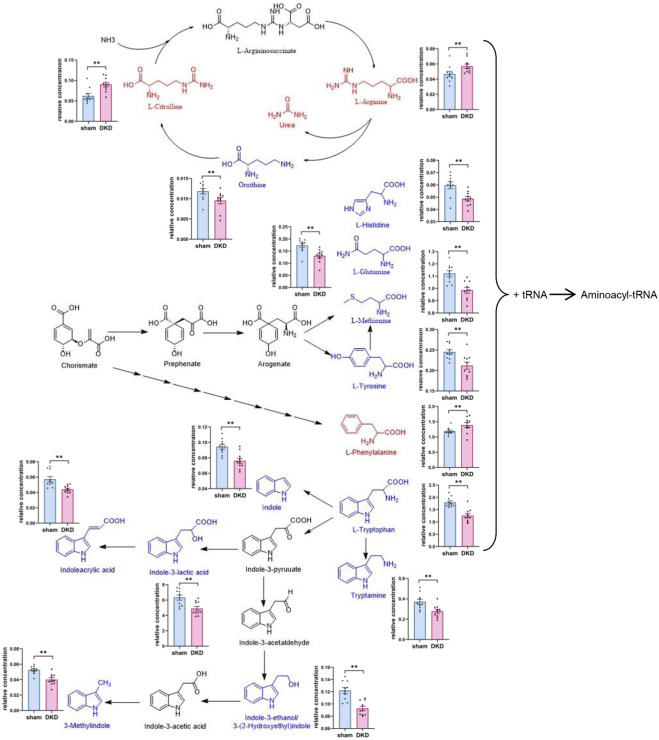
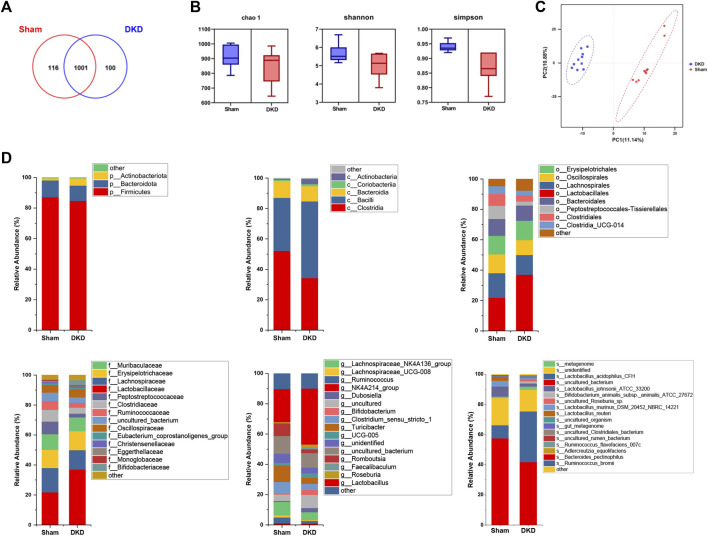
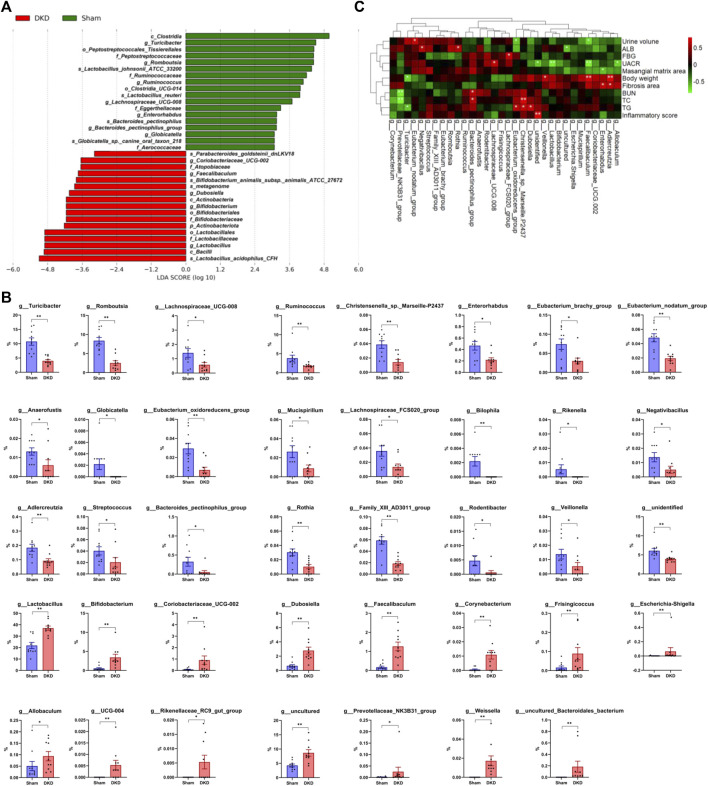
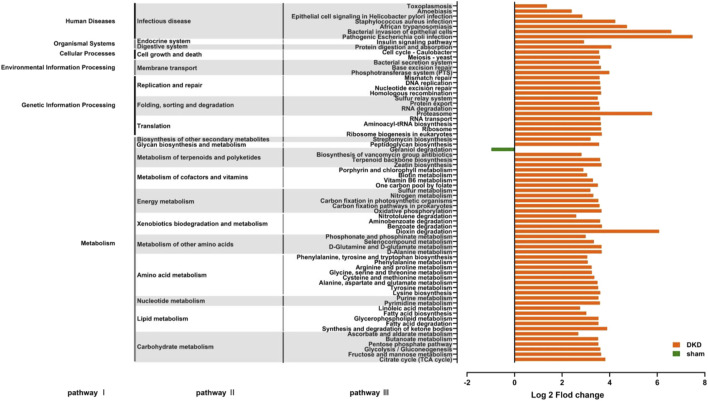
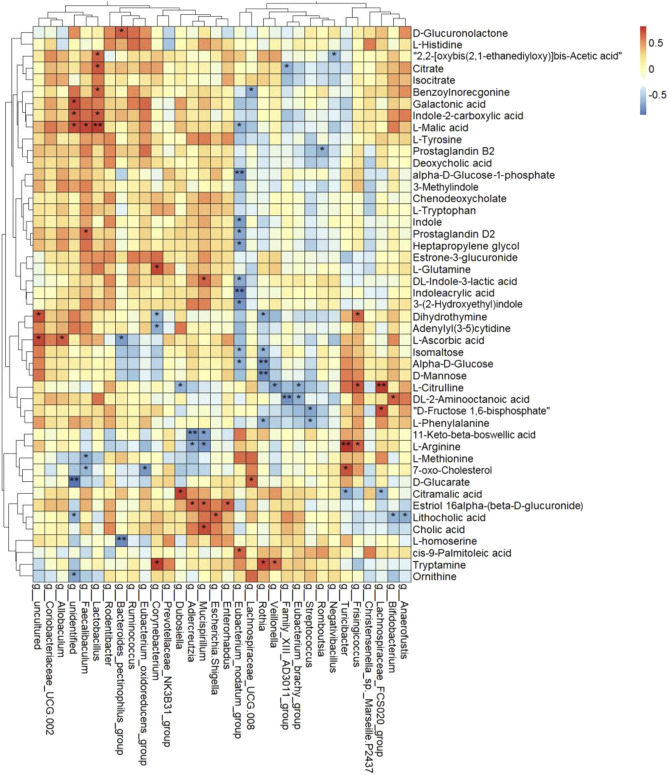
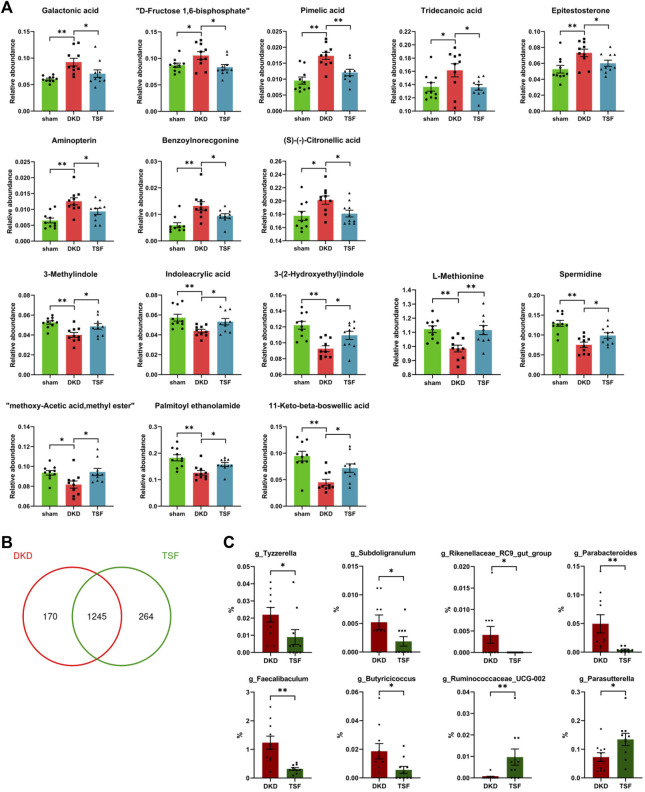
Disturbance of circulating metabolites and disorders of the gut microbiota are involved in the progression of diabetic kidney disease (DKD). However, there is limited research on the relationship between serum metabolites and gut microbiota, and their involvement in DKD. In this study, using an experimental DKD rat model induced by combining streptozotocin injection and unilateral nephrectomy, we employed untargeted metabolomics and 16S rRNA gene sequencing to explore the relationship between the metabolic profile and the structure and function of gut microbiota. Striking alterations took place in 140 serum metabolites, as well as in the composition and function of rat gut microbiota. These changes were mainly associated with carbohydrate, lipid, and amino acid metabolism. In these pathways, isomaltose, D-mannose, galactonic acid, citramalic acid, and prostaglandin B2 were significantly upregulated. 3-(2-Hydroxyethyl)indole, 3-methylindole, and indoleacrylic acid were downregulated and were the critical metabolites in the DKD model. Furthermore, the levels of these three indoles were restored after treatment with the traditional Chinese herbal medicine Tangshen Formula. At the genera level, group, , and were most involved in metabolic disorders in the progression of DKD. Notably, the circulating lipid metabolites had a strong relationship with DKD-related parameters and were especially negatively related to the mesangial matrix area. Serum lipid indices (TG and TC) and UACR were directly associated with certain microbial genera. In conclusion, the present research verified the anomalous circulating metabolites and gut microbiota in DKD progression. We also identified the potential metabolic and microbial targets for the treatment of DKD.
循环代谢物紊乱和肠道微生物群失调参与了糖尿病肾病(DKD)的进展。然而,关于血清代谢物与肠道微生物群之间的关系及其在DKD中的作用的研究有限。在本研究中,我们使用链脲佐菌素注射联合单侧肾切除术诱导的实验性DKD大鼠模型,采用非靶向代谢组学和16S rRNA基因测序来探讨代谢谱与肠道微生物群的结构和功能之间的关系。140种血清代谢物以及大鼠肠道微生物群的组成和功能发生了显著变化。这些变化主要与碳水化合物、脂质和氨基酸代谢有关。在这些途径中,异麦芽糖、D-甘露糖、半乳糖酸、柠苹酸和前列腺素B2显著上调。3-(2-羟乙基)吲哚、3-甲基吲哚和吲哚丙烯酸下调,是DKD模型中的关键代谢物。此外,用中药糖肾方治疗后,这三种吲哚的水平恢复。在属水平上,[此处原文缺失具体属名]在DKD进展的代谢紊乱中最为相关。值得注意的是,循环脂质代谢物与DKD相关参数有很强的关系,尤其与系膜基质面积呈负相关。血清脂质指标(甘油三酯和总胆固醇)和尿白蛋白肌酐比值与某些微生物属直接相关。总之,本研究证实了DKD进展过程中循环代谢物和肠道微生物群的异常。我们还确定了治疗DKD的潜在代谢和微生物靶点。