Jamil Saba, Ahmad Hasnaat, Khan Shanza Rauf, Saeed Ashraf Janjua Muhammad Ramzan
Super Light Materials and Nanotechnology Laboratory, Department of Chemistry, University of Agriculture Faisalabad 38000 Pakistan.
Department of Chemistry, King Fahd University of Petroleum and Minerals (KFUPM) Dhahran 31261 Kingdom of Saudi Arabia
RSC Adv. 2018 Oct 30;8(64):36647-36661. doi: 10.1039/c8ra05962d. eCollection 2018 Oct 26.
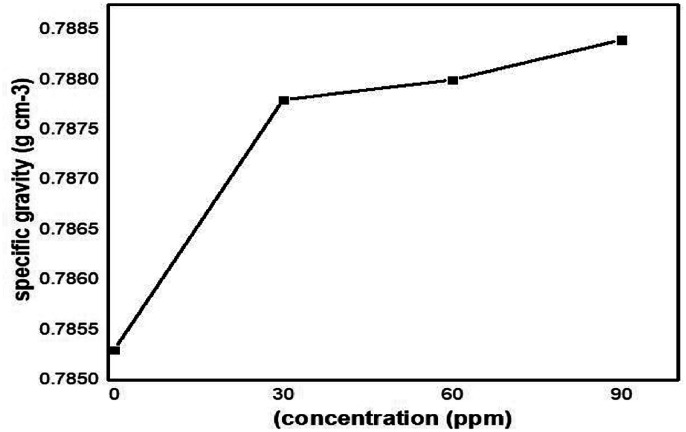
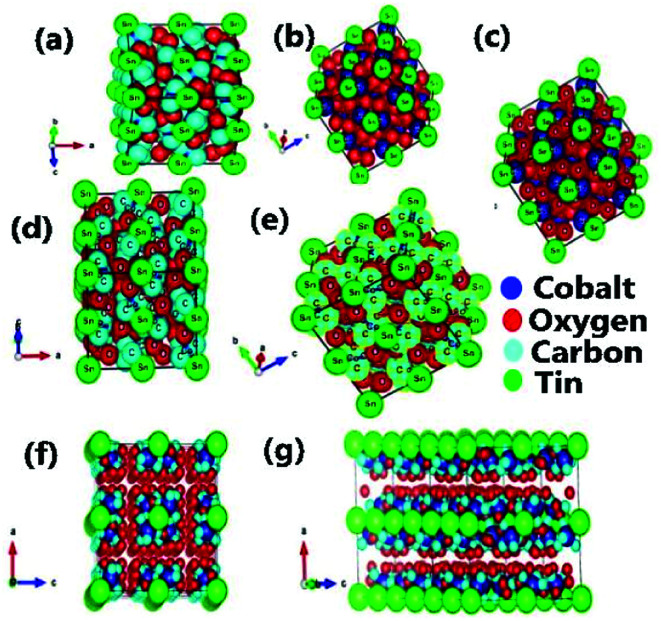
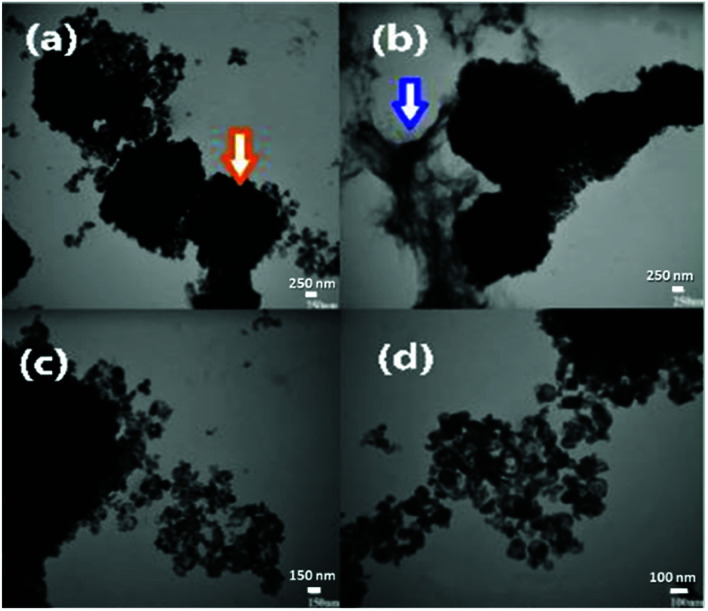
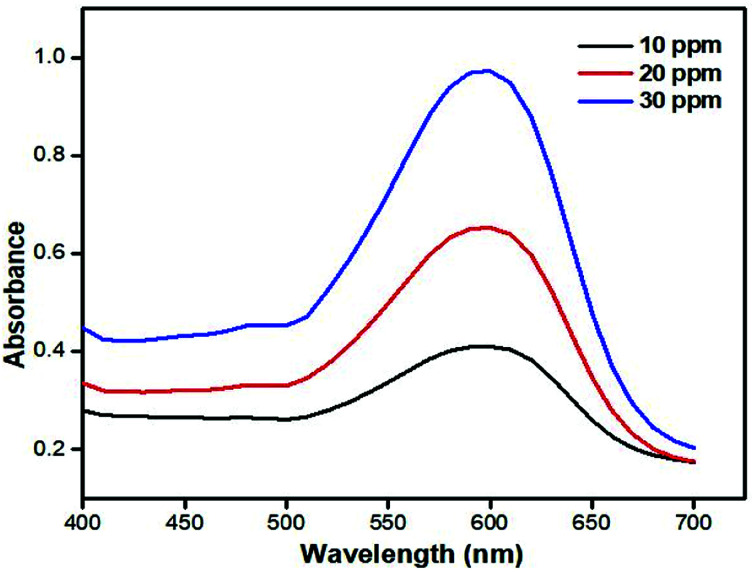
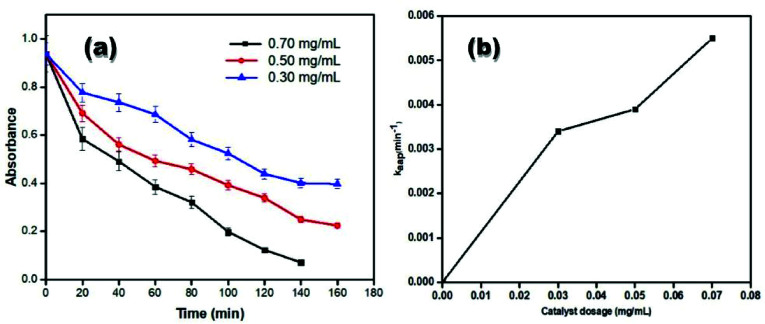
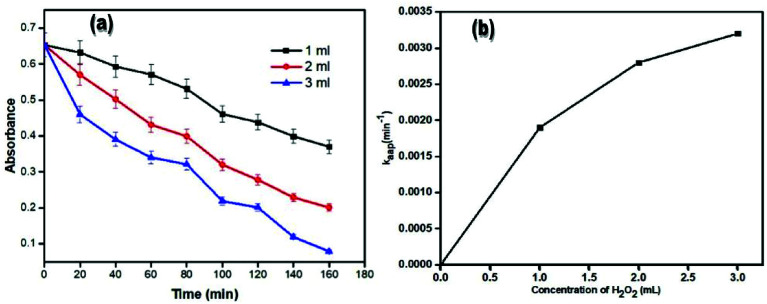
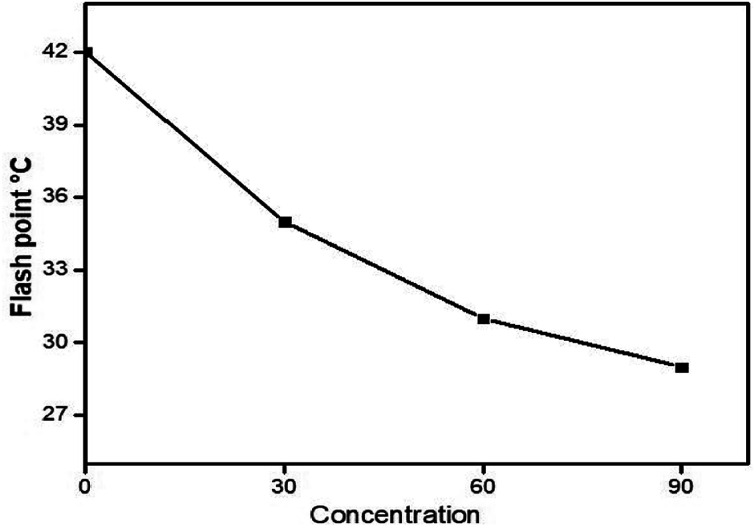
In the present research, the degradation and decolorization of Reactive Black 5 synthetic dye at 30 ppm concentration under sun irradiation in the presence of a newly synthesized graphene based cobalt tin oxide nanocomposite were investigated. These nanoparticles were synthesized by a simple hydrothermal approach using precursor chloride salt , stannous chloride and cobalt chloride and then adsorbed on the surface of RGO by a solvothermal process by changing the condition. The newly synthesized product was subjected to various instrumentation to study the morphology and other properties. X-ray powder diffraction analysis (XRD) explained the structural composition and various parameters of the product, which were further verified by Vesta software. The surface morphology of the product was analyzed by scanning electron microscopy (SEM) and it was observed that the size of each cube was approximately 5-10 μm from every face of the cube. Transmission electron microscopy (TEM) explained that the nanoparticles were within the range of 100-250 nm. These synthesized nanocubes were used in one more application, which was the investigation of the fuel efficiency in the presence of different concentrations of newly synthesized nanocomposites as a catalyst. The efficiency of kerosene oil was investigated by studying different parameters: the flash point, fire point, specific gravity, cloud point, pour point, and calorific value at increasing dosages of catalyst (0, 30, 60 and 90 ppm). It was observed that the values of these parameters changed significantly by changing the concentration of the catalyst dosage. The effect of the nanoparticles on the degradation of the RB 5 azo dye showed the highest removal percentage at the largest value of catalyst dosage, which was 0.70 mg ml with the highest value of 3 ml of hydrogen peroxide.
在本研究中,研究了在阳光照射下,新合成的基于石墨烯的钴锡氧化物纳米复合材料存在时,浓度为30 ppm的活性黑5合成染料的降解和脱色情况。这些纳米颗粒通过使用前体氯化物盐、氯化亚锡和氯化钴的简单水热法合成,然后通过改变条件的溶剂热法吸附在氧化石墨烯表面。对新合成的产物进行了各种仪器分析以研究其形态和其他性质。X射线粉末衍射分析(XRD)解释了产物的结构组成和各种参数,并通过Vesta软件进一步验证。通过扫描电子显微镜(SEM)分析了产物的表面形态,观察到每个立方体从各个面看尺寸约为5 - 10μm。透射电子显微镜(TEM)表明纳米颗粒在100 - 250nm范围内。这些合成的纳米立方体还用于另一项应用,即在不同浓度的新合成纳米复合材料作为催化剂存在的情况下研究燃料效率。通过研究不同参数来考察煤油的效率:闪点、着火点、比重、浊点、倾点以及在催化剂剂量增加(0、30、60和90 ppm)时的热值。观察到通过改变催化剂剂量的浓度,这些参数的值发生了显著变化。纳米颗粒对RB 5偶氮染料降解的影响表明,在最大催化剂剂量值时去除率最高,即0.70 mg/ml,过氧化氢用量为3 ml时达到最高值。