Amos Ashton, Razzaque Mohammed S
Department of Pathology, Lake Erie College of Osteopathic Medicine, Erie, PA, USA.
Curr Res Physiol. 2022 Apr 30;5:203-207. doi: 10.1016/j.crphys.2022.04.001. eCollection 2022.
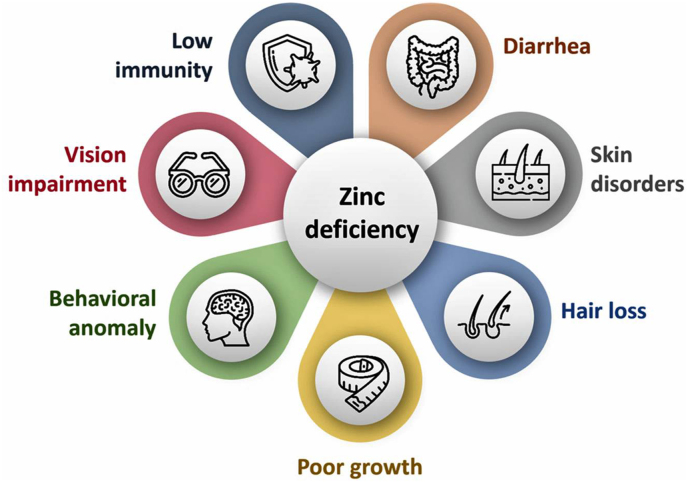
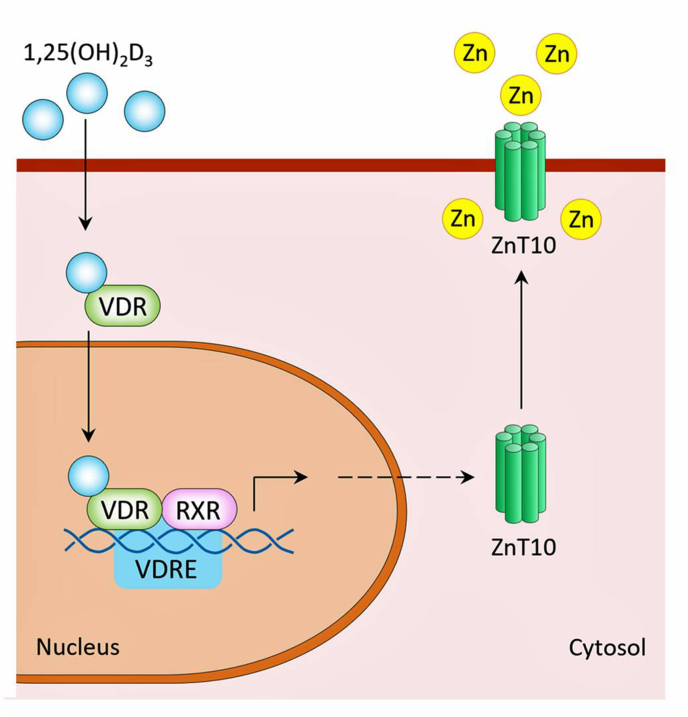
Zinc is an essential mineral with an important relationship with vitamin D. Studies have found that reduced blood zinc levels could predict vitamin D deficiency in adolescent girls, while zinc supplementation increased vitamin D levels in postmenopausal women. In vitro studies using human peritoneal macrophages have found that zinc induced the release of calcitriol (1,25-dihydroxycholecalciferol). Zinc also acts as a cofactor for vitamin D functions, as the transcriptional activity of vitamin D-dependent genes relies on zinc to exert pleiotropic functions, including mineral ion regulation. Vitamin D could also induce zinc transporters to regulate zinc homeostasis. Together, zinc and vitamin D in adequate concentrations help maintain a healthy musculoskeletal system and beyond; however, deficiency in either of these nutrients can result in various disorders affecting almost all body systems. This brief article will focus on the role of zinc in vitamin D functions.
锌是一种必需矿物质,与维生素D有着重要关系。研究发现,血液锌水平降低可预测青春期女孩维生素D缺乏,而补充锌可提高绝经后女性的维生素D水平。使用人腹膜巨噬细胞的体外研究发现,锌可诱导骨化三醇(1,25-二羟基胆钙化醇)的释放。锌也是维生素D发挥功能的辅助因子,因为维生素D依赖基因的转录活性依赖锌来发挥多效性功能,包括矿物质离子调节。维生素D还可诱导锌转运蛋白来调节锌稳态。锌和维生素D浓度充足时共同作用有助于维持健康的肌肉骨骼系统及其他方面;然而,这两种营养素中任何一种缺乏都可能导致影响几乎所有身体系统的各种疾病。这篇短文将聚焦锌在维生素D功能中的作用。