Rheumatology Research Group, Vall d'Hebron University Hospital Research Institute, Barcelona 08035, Spain.
Rheumatology Research Group, Vall d'Hebron University Hospital Research Institute, Barcelona 08035, Spain.
EBioMedicine. 2022 Jun;80:104053. doi: 10.1016/j.ebiom.2022.104053. Epub 2022 May 13.
Rheumatoid arthritis (RA) is a chronic, immune-mediated inflammatory disease of the joints that has been associated with variation in the peripheral blood methylome. In this study, we aim to identify epigenetic variation that is associated with the response to tumor necrosis factor inhibitor (TNFi) therapy.
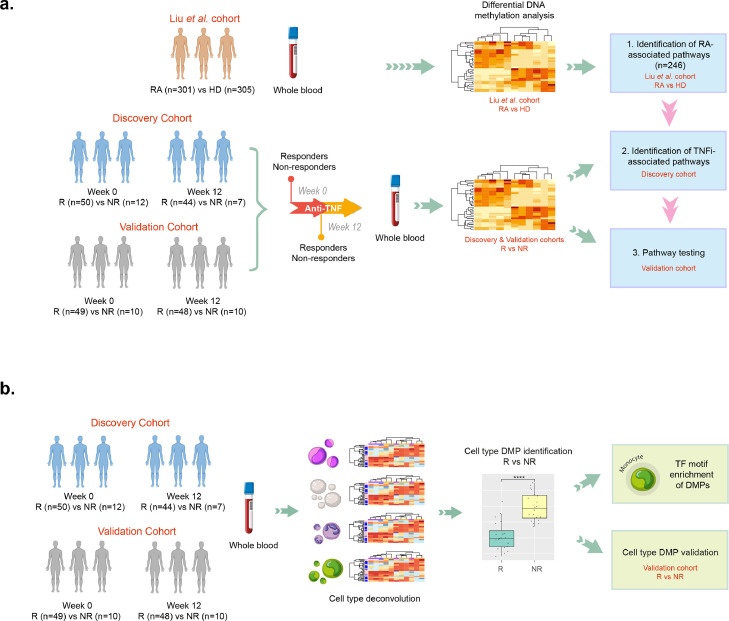
Peripheral blood genome-wide DNA methylation profiles were analyzed in a discovery cohort of 62 RA patients at baseline and at week 12 of TNFi therapy. DNA methylation of individual CpG sites and enrichment of biological pathways were evaluated for their association with drug response. Using a novel cell deconvolution approach, altered DNA methylation associated with TNFi response was also tested in the six main immune cell types in blood. Validation of the results was performed in an independent longitudinal cohort of 60 RA patients.
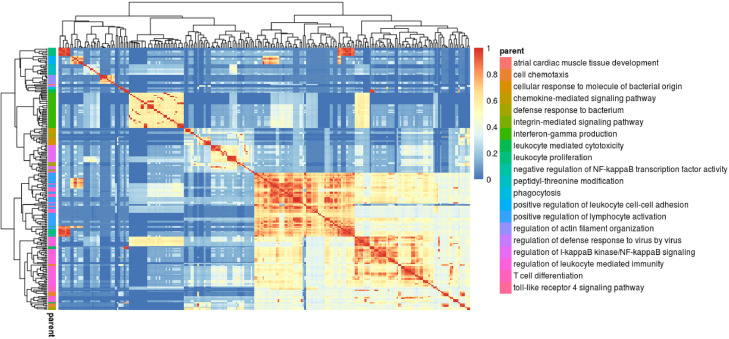
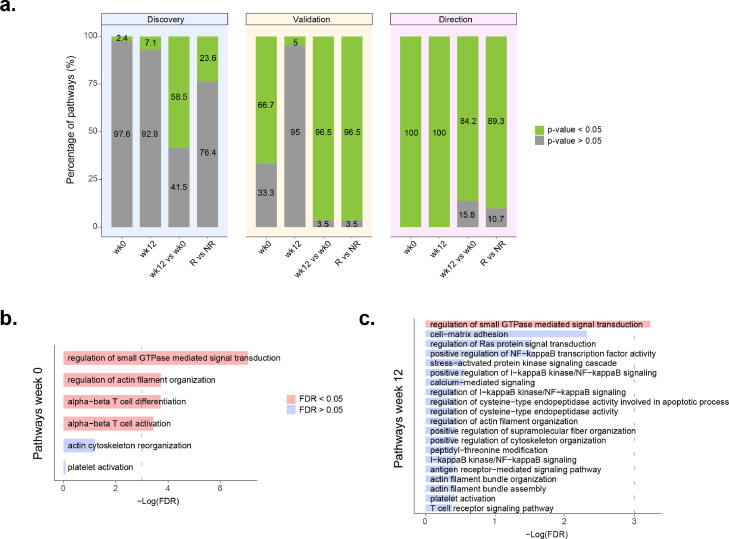
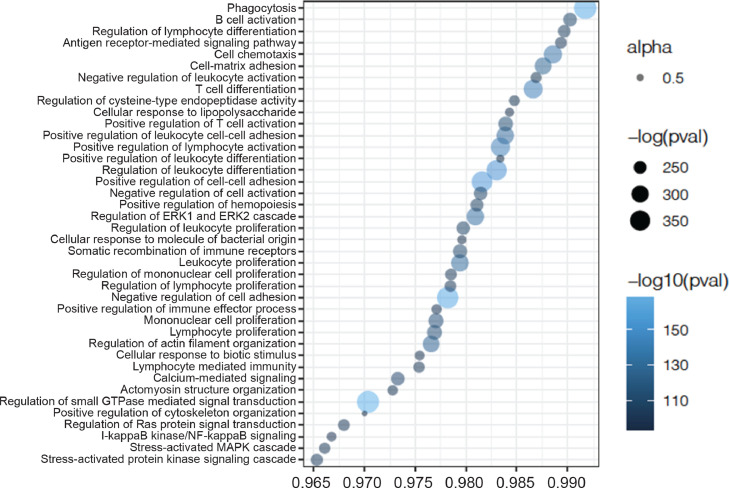
Treatment with TNFi was associated with significant longitudinal peripheral blood methylation changes in biological pathways related to RA (FDR<0.05). 139 biological functions were modified by therapy, with methylation levels changing systematically towards a signature similar to that of healthy controls. Differences in the methylation profile of T cell activation and differentiation, GTPase-mediated signaling, and actin filament organization pathways were associated with the clinical response to therapy. Cell type deconvolution analysis identified CpG sites in CD4+T, NK, neutrophils and monocytes that were significantly associated with the response to TNFi.
Our results show that treatment with TNFi restores homeostatic blood methylation in RA. The clinical response to TNFi is associated to methylation variation in specific biological pathways, and it involves cells from both the innate and adaptive immune systems.
The Instituto de Salud Carlos III.
类风湿关节炎(RA)是一种慢性、免疫介导的关节炎症性疾病,与外周血甲基化组学的变化有关。在这项研究中,我们旨在确定与肿瘤坏死因子抑制剂(TNFi)治疗反应相关的表观遗传变化。
在一个包含 62 例 RA 患者的发现队列中,我们在基线和 TNFi 治疗 12 周时分析了外周血全基因组 DNA 甲基化谱。评估了单个 CpG 位点的 DNA 甲基化和生物途径的富集情况,以确定它们与药物反应的相关性。使用一种新的细胞去卷积方法,还在血液中的六种主要免疫细胞类型中测试了与 TNFi 反应相关的改变的 DNA 甲基化。在一个独立的 60 例 RA 患者的纵向队列中验证了结果。
TNFi 治疗与与 RA 相关的生物途径的显著纵向外周血甲基化变化相关(FDR<0.05)。有 139 个生物学功能因治疗而改变,其甲基化水平朝着类似于健康对照的特征系统性地变化。T 细胞激活和分化、GTPase 介导的信号转导以及肌动蛋白丝组织途径的甲基化谱差异与治疗的临床反应相关。细胞类型去卷积分析确定了 CD4+T、NK、中性粒细胞和单核细胞中与 TNFi 反应显著相关的 CpG 位点。
我们的结果表明,TNFi 治疗可恢复 RA 患者的稳态血液甲基化。TNFi 的临床反应与特定生物途径的甲基化变化相关,并且涉及固有和适应性免疫系统的细胞。
西班牙卡洛斯三世健康研究所。