Yong Loo Lin School of Medicine, National University of Singapore NUHS Tower Block, 1E Kent Ridge Road, Level 11, Singapore City, 119228, Singapore.
Division of Cancer Education, National Cancer Centre Singapore, 11 Hospital Dr, Singapore City, 169610, Singapore.
BMC Palliat Care. 2022 May 20;21(1):83. doi: 10.1186/s12904-022-00974-9.
A nurse's role in caring for the dying is fraught with ethical, professional, and psychosocial challenges that impact how they perceive their roles as professionals. When unsupported, nurses caring for the dying experience burnout, career dissatisfaction and leave the profession. Better understanding of how caring for the dying affects the professional identity formation (PIF) of nurses will guide efforts to better support nurses.
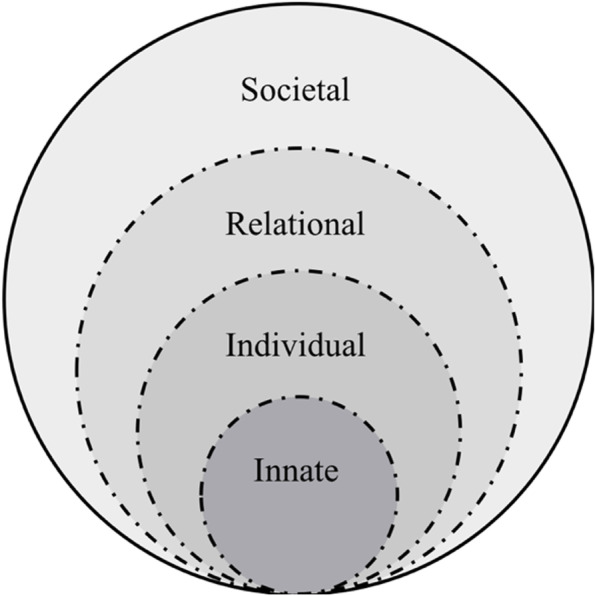
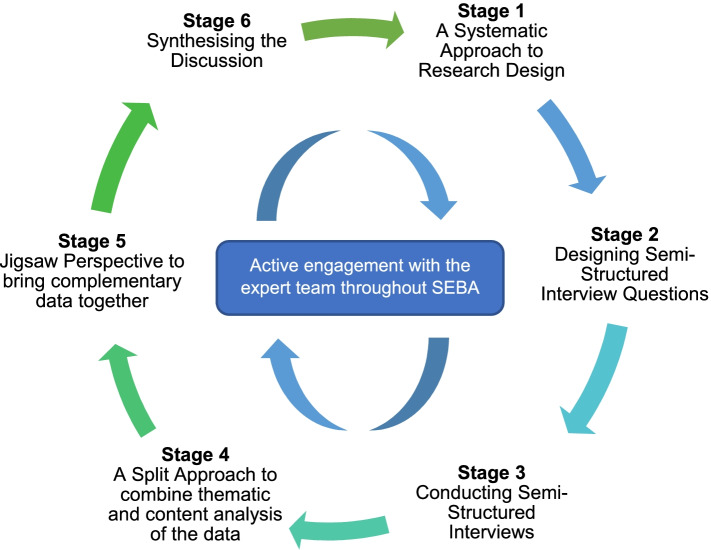
Guided by new data on the subject, we adopt the theoretical lens of the Ring Theory of Personhood (RToP) to evaluate how caring for the dying impacts the values, beliefs, principles, professional identities and personhood of nurses. We employ Krishna's Systematic Evidence-Based Approach (SEBA) to guide the design and piloting of the semi-structured interview tool.
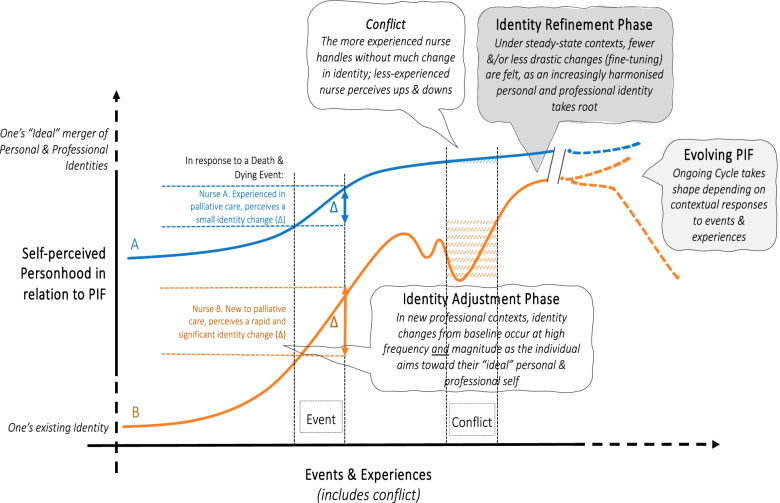
Analysis of interviews with eight senior nurses in Supportive, Palliative and Oncology care revealed three domains: Identity 1) Formation; 2) Conflict and 3) Refinement. Identity Formation occurs early in a nurse's career, upon entering a new specialist field, and at the start of Supportive, Palliative and Oncology care. Identity Formation reveals significant changes to how self-concepts of professional identities are tied to individual concepts of personhood. Caring for the dying, however, resulted in Conflicts between values, beliefs, and principles within regnant concepts of personhood and their professional duties. These conflicts are captured as conflicts within ('disharmony') and/or between ('dyssynchrony') the rings of the RToP. These conflicts can result in changes to self-concepts of personhood and professional identities. Identity Refinement sees experience and timely support helping nurses attenuate the impact of difficult experiences. This reduces the risk of burnout and mitigates changes to their professional identities. Identity Refinement helps them develop a 'rooted identity' which remains relatively consistent in the face of adversity.
Ongoing Identity Construction amongst nurses, particularly in caring for the dying, underscore the host organisation's role in ensuring structured, longitudinal, accessible, and personalised assessments and support of nurses, especially when they are prone to dyssynchrony and disharmony whilst caring for the terminally ill. Further study into assessment methods and the role of the environment is critical.
护士在临终关怀中的角色充满了伦理、专业和心理社会挑战,这些挑战影响了他们对自身专业角色的认知。如果得不到支持,照顾临终患者的护士会感到精疲力竭、职业不满并离开这个行业。更好地了解临终关怀如何影响护士的专业身份形成(PIF)将有助于更好地支持护士。
在该主题的新数据的指导下,我们采用了人格的环形理论(RToP)的理论视角来评估照顾临终患者如何影响护士的价值观、信仰、原则、专业身份和人格。我们采用克里希纳的系统循证方法(SEBA)来指导半结构化访谈工具的设计和试点。
对支持性、姑息治疗和肿瘤学护理的 8 名资深护士的访谈分析揭示了三个领域:身份 1)形成;2)冲突;3)精炼。身份形成发生在护士职业生涯的早期,进入新的专业领域时,以及开始支持性、姑息治疗和肿瘤学护理时。身份形成揭示了自我概念的专业身份与个人概念的人格之间的联系发生了重大变化。然而,照顾临终患者导致了主导人格概念中的价值观、信仰和原则与其专业职责之间的冲突。这些冲突被捕捉为 RToP 环内(“不和谐”)和/或环间(“不同步”)的冲突。这些冲突可能导致人格和专业身份的自我概念发生变化。身份精炼通过经验和及时的支持帮助护士减轻困难经历的影响。这降低了倦怠的风险,并减轻了对其专业身份的改变。身份精炼帮助他们发展出一种“扎根的身份”,这种身份在面对逆境时相对保持一致。
护士的持续身份构建,特别是在照顾临终患者方面,强调了主办组织在确保对护士进行结构化、纵向、可及和个性化评估和支持方面的作用,尤其是当他们在照顾绝症患者时容易出现不同步和不和谐时。进一步研究评估方法和环境的作用至关重要。