Department of Orthopedics, Suzhou Ninth Hospital Affiliated to Soochow University, Suzhou, 215200, People's Republic of China.
Department of Orthopedics, The First Affiliated Hospital of Soochow University, Suzhou, 215200, People's Republic of China.
Int J Nanomedicine. 2022 May 9;17:2079-2096. doi: 10.2147/IJN.S358396. eCollection 2022.
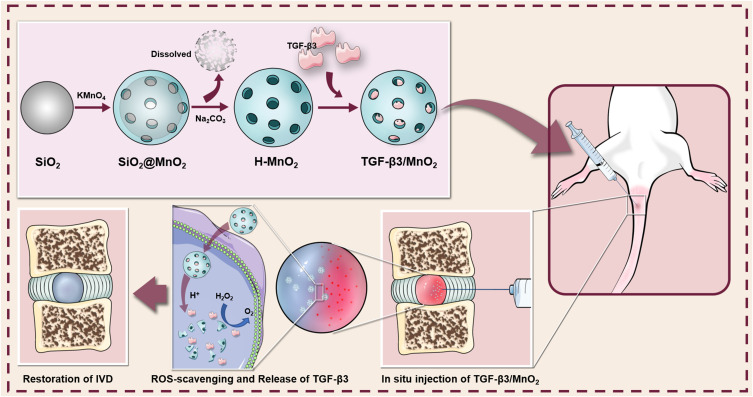
Intervertebral disc (IVD) degeneration (IDD) is one of the most widespread musculoskeletal diseases worldwide and remains an intractable clinical challenge. Currently, regenerative strategies based on biomaterials and biological factors to facilitate IVD repair have been widely explored. However, the harsh microenvironment, such as increased ROS and acidity, of the degenerative region impedes the efficiency of IVD repair. Here, an intelligent biodegradable nanoplatform using hollow manganese dioxide (H-MnO) was developed to modulate the degenerative microenvironment and release transforming growth factor beta-3 (TGF-β3), which may achieve good long-term therapeutic effects on needle puncture-induced IDD.
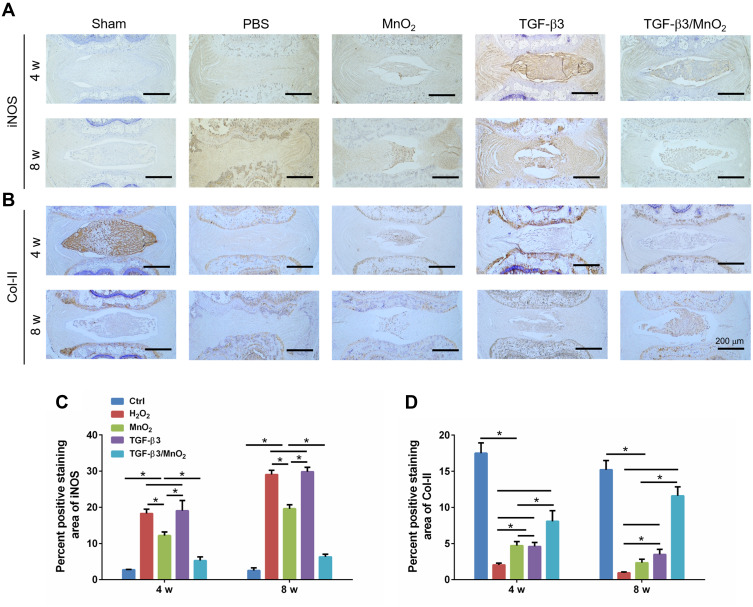
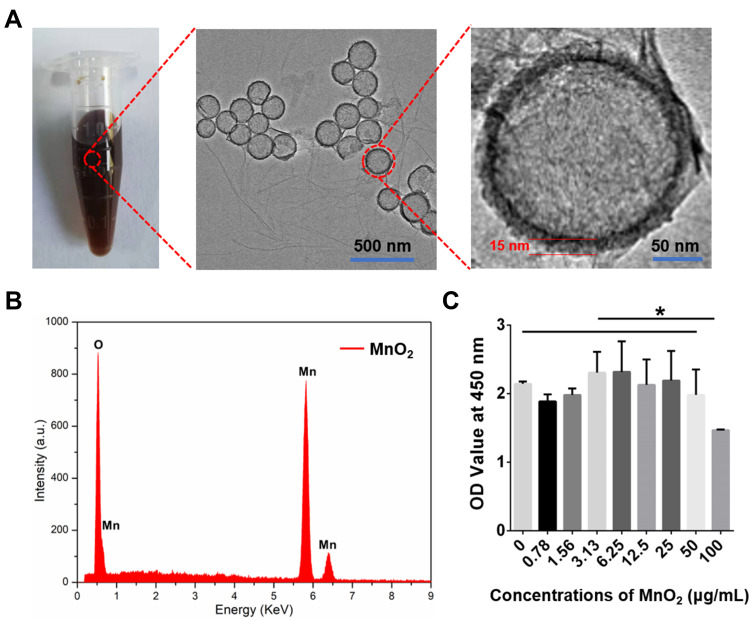
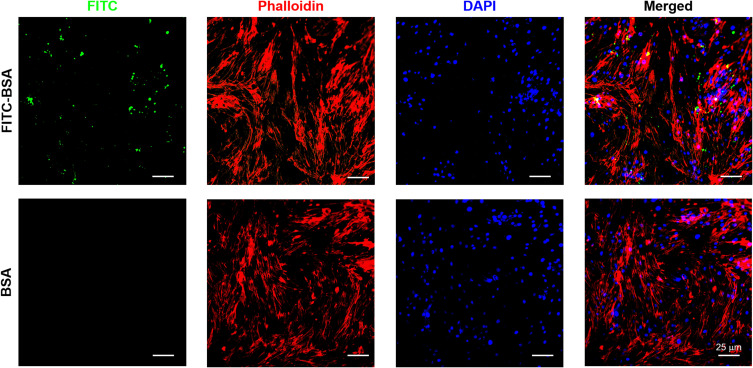
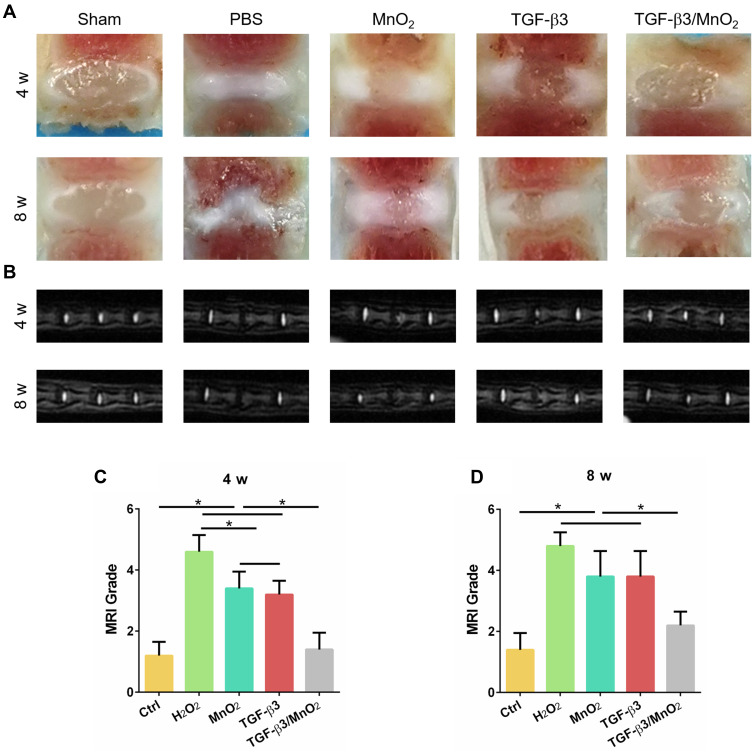
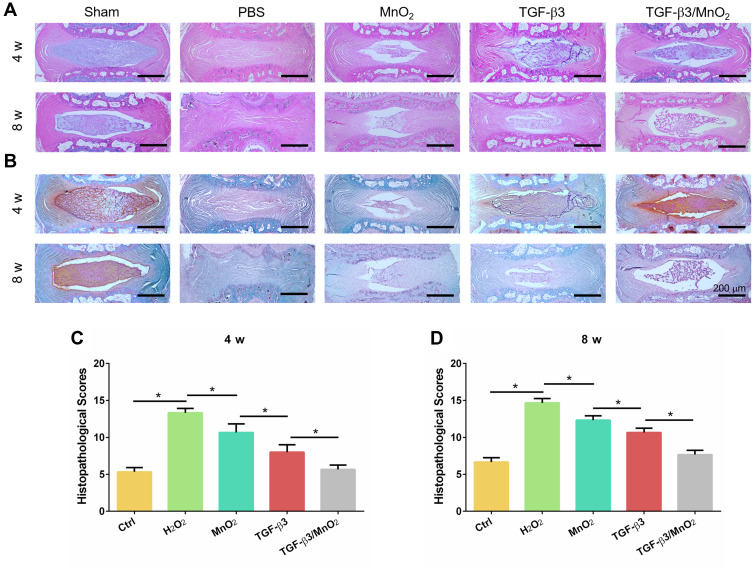
Surface morphology and elemental analysis of the MnO nanoparticles (NPs) were performed by transmission electron microscopy and an energy-dispersive X-ray spectroscopy detector system, respectively. The biological effects of MnO loaded with TGF-β3 (TGF-β3/MnO) on nucleus pulposus cells (NPCs) were assessed via cytoskeleton staining, EdU staining, qPCR and immunofluorescence. The efficacy of TGF-β3/MnO on needle puncture-induced IDD was further examined using MRI and histopathological and immunohistochemical staining.
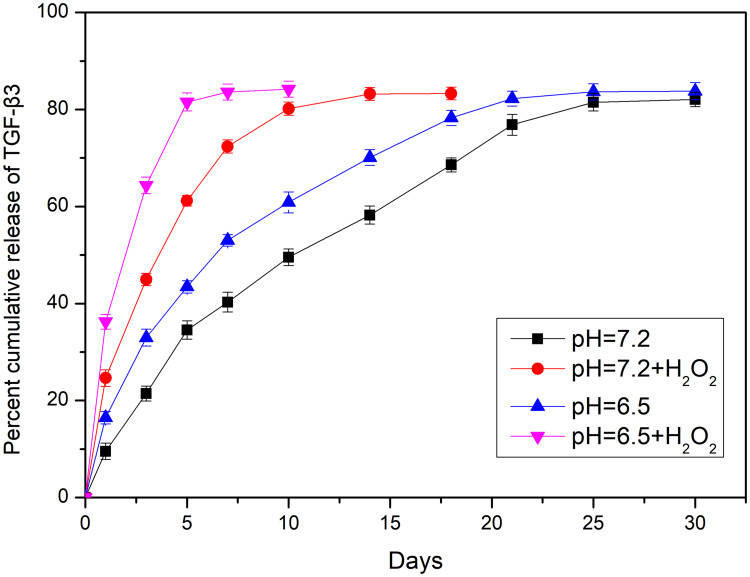
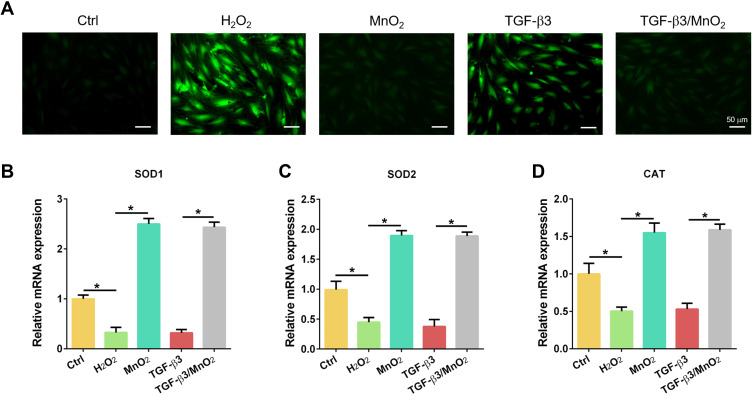
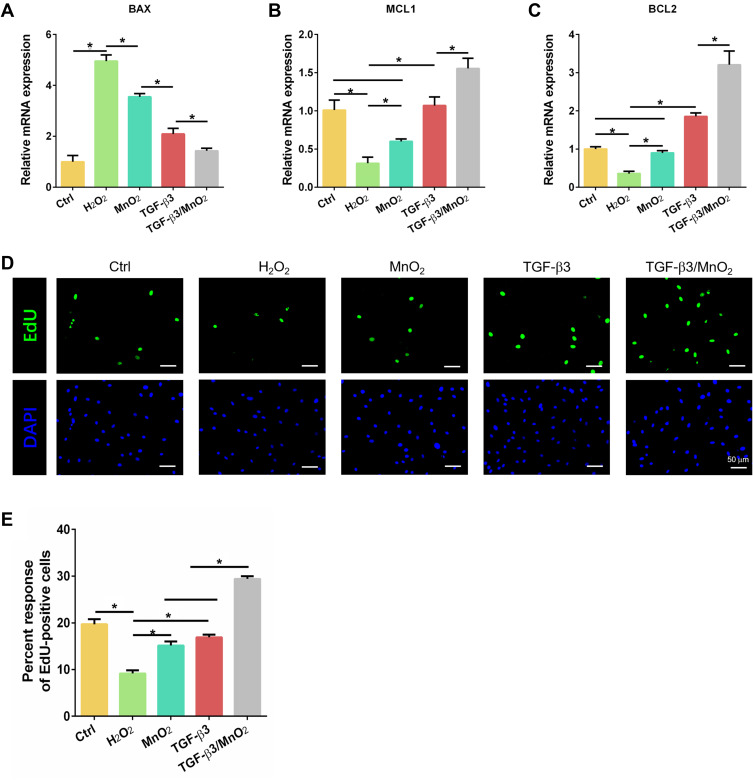
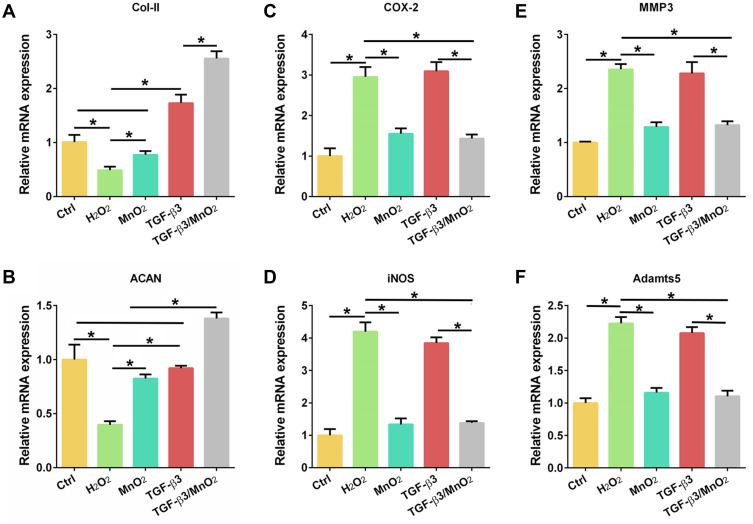
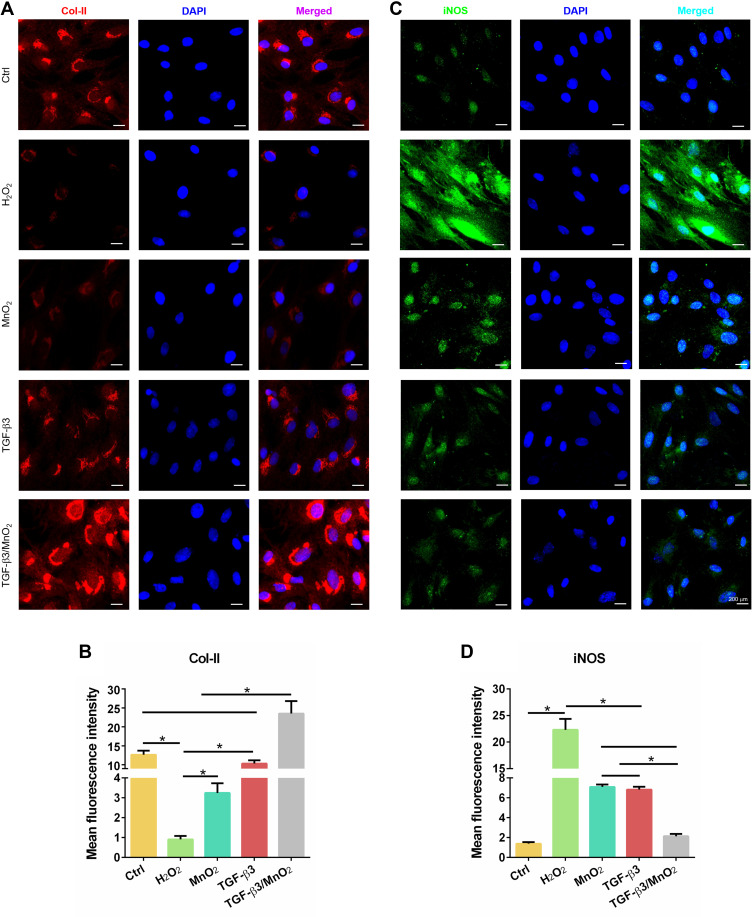
The MnO NPs had a spherical morphology and hollow structure that dissociated in the setting of a low pH and HO to release loaded TGF-β3 molecules. In the oxidative stress environment, TGF-β3/MnO was superior to TGF-β3 and MnO NPs in the suppression of HO-induced matrix degradation, ROS, and apoptosis in NPCs. When injected into the IVDs of a rat IDD model, TGF-β3/MnO was able to prevent the degeneration and promote self-regeneration.
Use of an MnO nanoplatform for biological factors release to regulate the IDD microenvironment and promote endogenous repair may be an effective approach for treating IDD.
椎间盘(IVD)退变(IDD)是全球最广泛的肌肉骨骼疾病之一,仍然是一个棘手的临床挑战。目前,基于生物材料和生物因子的再生策略已被广泛用于促进 IVD 修复。然而,退变区域恶劣的微环境,如增加的 ROS 和酸度,会阻碍 IVD 修复的效率。在这里,开发了一种智能可生物降解的纳米平台,使用中空二氧化锰(H-MnO)来调节退变微环境并释放转化生长因子β-3(TGF-β3),这可能对针穿刺诱导的 IDD 实现良好的长期治疗效果。
通过透射电子显微镜和能量色散 X 射线光谱探测器系统分别对 MnO 纳米颗粒(NPs)的表面形态和元素分析进行了分析。通过细胞骨架染色、EdU 染色、qPCR 和免疫荧光评估负载 TGF-β3 的 MnO(TGF-β3/MnO)对髓核细胞(NPCs)的生物学影响。进一步通过 MRI 以及组织病理学和免疫组织化学染色评估 TGF-β3/MnO 对针穿刺诱导的 IDD 的疗效。
MnO NPs 呈球形形态和中空结构,在低 pH 和 HO 的条件下解离,以释放负载的 TGF-β3 分子。在氧化应激环境中,TGF-β3/MnO 在抑制 HO 诱导的基质降解、ROS 和 NPCs 凋亡方面优于 TGF-β3 和 MnO NPs。当注入大鼠 IDD 模型的 IVD 中时,TGF-β3/MnO 能够防止退变并促进自我再生。
使用 MnO 纳米平台释放生物因子来调节 IDD 微环境并促进内源性修复可能是治疗 IDD 的有效方法。