Miccò Maura, Lupinelli Michela, Mangialardi Matteo, Gui Benedetta, Manfredi Riccardo
Dipartimento Diagnostica per Immagini, Radioterapia Oncologica ed Ematologia, Fondazione Policlinico Universitario A. Gemelli IRCCS, 00168 Rome, Italy.
Dipartimento Universitario di Scienze Radiologiche ed Ematologiche, Università Cattolica del Sacro Cuore, 00168 Rome, Italy.
J Pers Med. 2022 May 6;12(5):755. doi: 10.3390/jpm12050755.
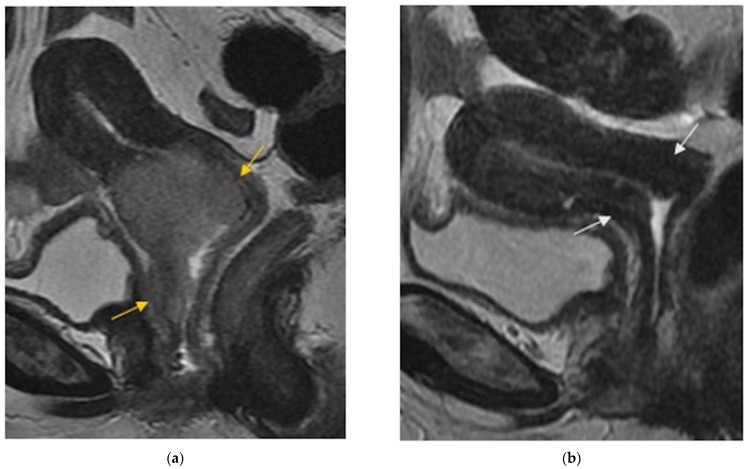
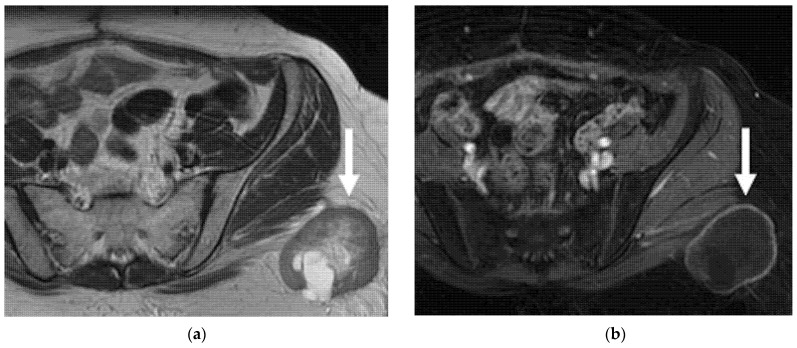
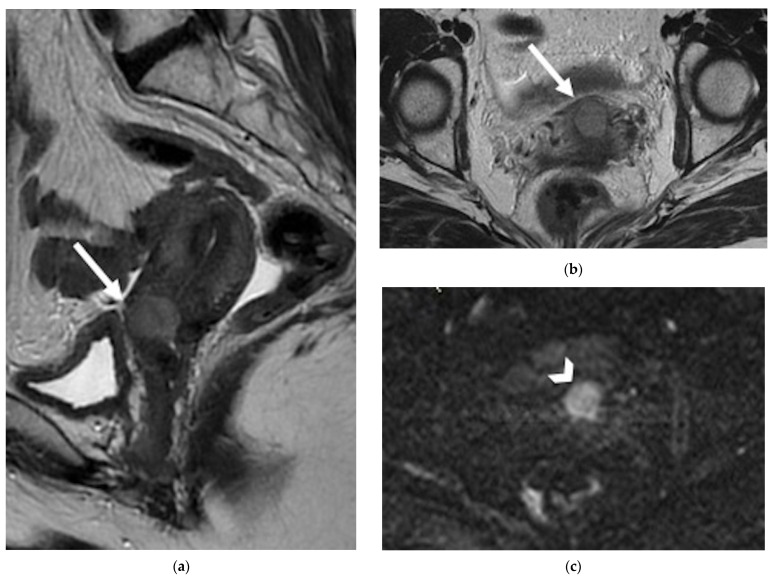
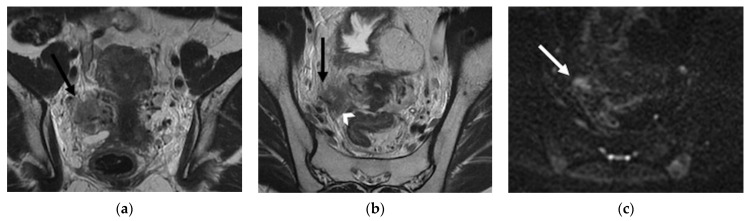
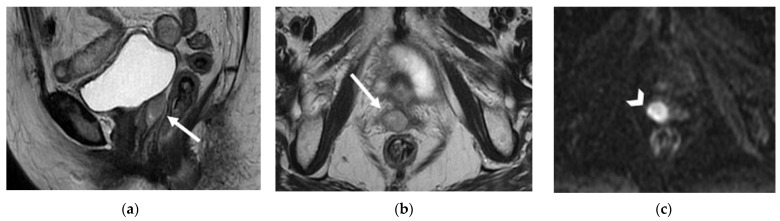
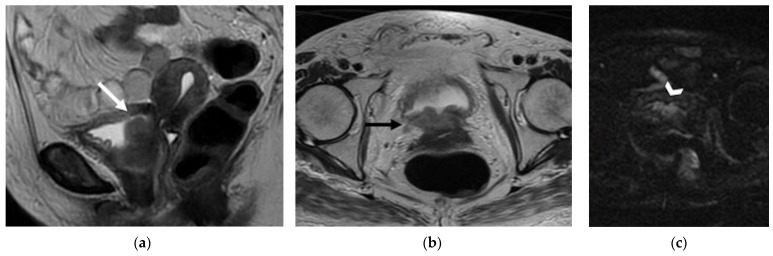
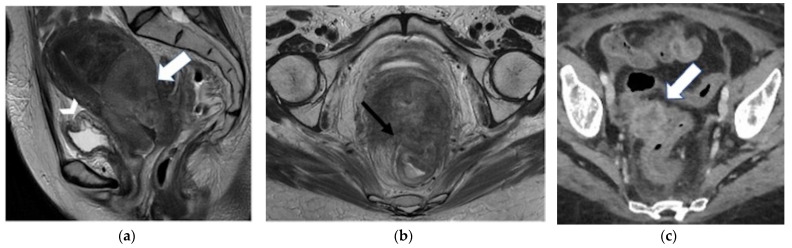
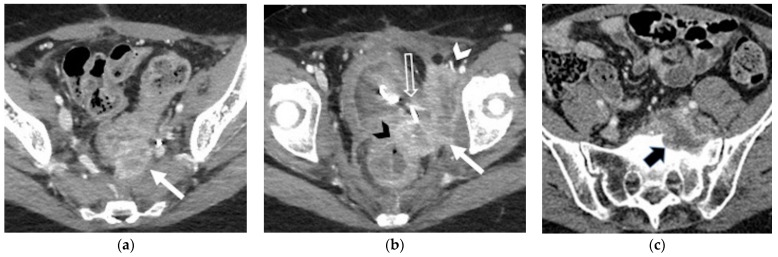
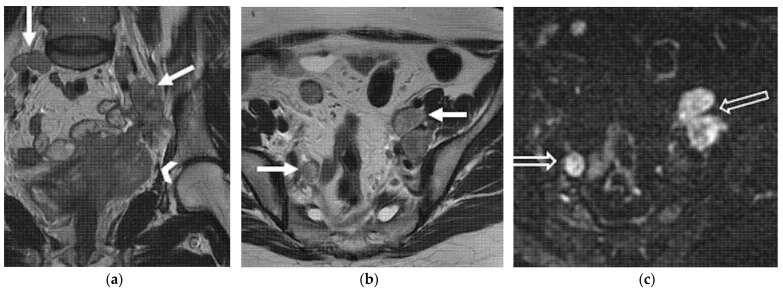
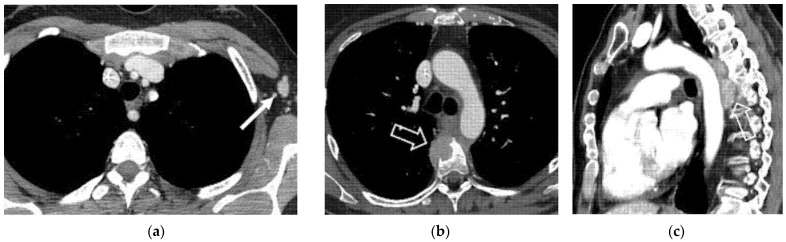
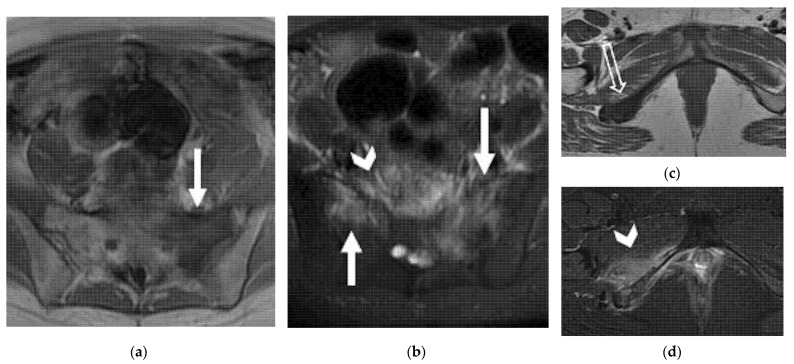
Uterine cervical cancer is one of the most common causes of cancer-related deaths among women worldwide. Patients with cervical cancer are at a high risk of pelvic recurrence or distant metastases within the first few years after primary treatment. However, no definitive agreement exists on the best post-treatment surveillance in these patients. Imaging may represent an accurate method of detecting relapse early, right when salvage treatment could be effective. In patients with recurrent cervical cancer, the correct interpretation of imaging may support the surgeon in the proper selection of patients prior to surgery to assess the feasibility of radical surgical procedure, or may help the clinician plan the most adaptive curative therapy. MRI can accurately define the extension of local recurrence and adjacent organ invasion; CT and 18F-FDG PET/CT may depict extra-pelvic distant metastases. This review illustrates different patterns of recurrent cervical cancer and how imaging, especially MRI, accurately contributes towards the diagnosis of local recurrence and the assessment of the extent of disease in patients with previous cervical cancer. Normal post-therapy pelvic appearance and possible pitfalls related to tissue changes for prior treatments will be also illustrated.
子宫颈癌是全球女性癌症相关死亡的最常见原因之一。宫颈癌患者在初次治疗后的头几年内有很高的盆腔复发或远处转移风险。然而,对于这些患者最佳的治疗后监测方法尚无定论。影像学检查可能是早期发现复发的准确方法,即在挽救性治疗可能有效的时候就能发现。对于复发性宫颈癌患者,正确解读影像学检查结果可帮助外科医生在手术前正确选择患者,以评估根治性手术的可行性,或帮助临床医生规划最适合的治愈性治疗方案。MRI能够准确界定局部复发的范围以及邻近器官的侵犯情况;CT和18F-FDG PET/CT则可以显示盆腔外的远处转移。本综述阐述了复发性宫颈癌的不同表现形式,以及影像学检查,尤其是MRI,如何准确地辅助诊断局部复发,并评估既往患宫颈癌患者的疾病范围。还将说明治疗后盆腔的正常表现以及与既往治疗相关的组织变化可能导致的陷阱。