Muşat Viorica, Stănică Nicolae, Anghel Elena Maria, Atkinson Irina, Culiţă Daniela Cristina, Poloşan Silviu, Crintea Căpăţână Lenuţa, Cantaragiu Ceoromila Alina, Buruiană Cristian-Teodor, Carp Oana
Laboratory of Chemical Nanotechnologies-LNC-CNMF, "Dunărea de Jos" University of Galati, 111 Domnească Street, 800201 Galaţi, Romania.
Institute of Physical Chemistry, "Ilie Murgulescu" of Romanian Academy, Spl. Independenţei 202, 060021 Bucharest, Romania.
Membranes (Basel). 2022 Apr 26;12(5):466. doi: 10.3390/membranes12050466.
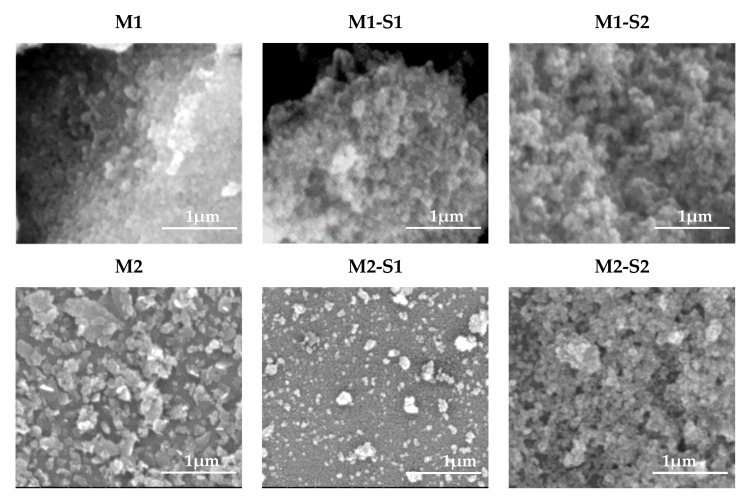
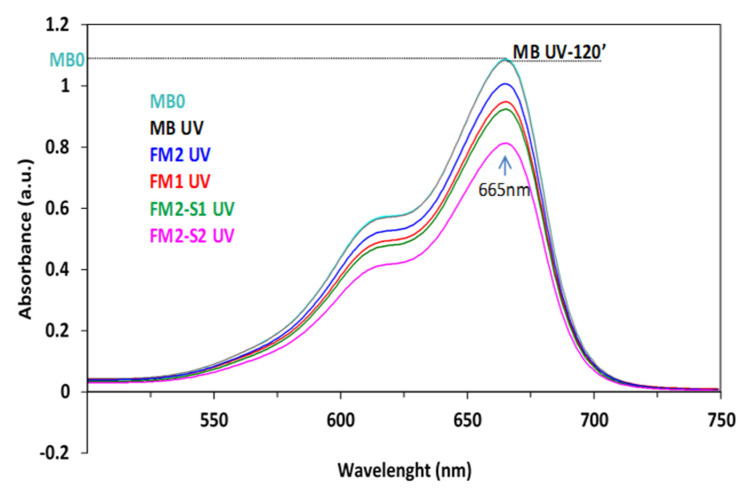
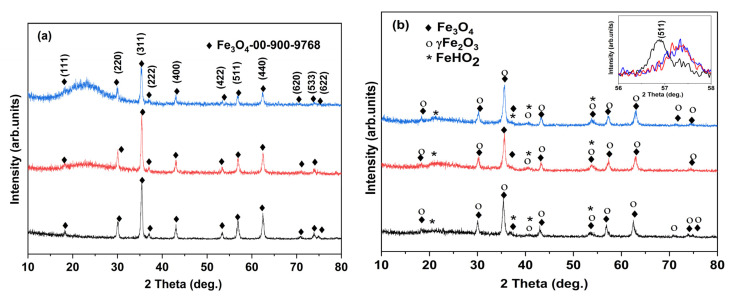
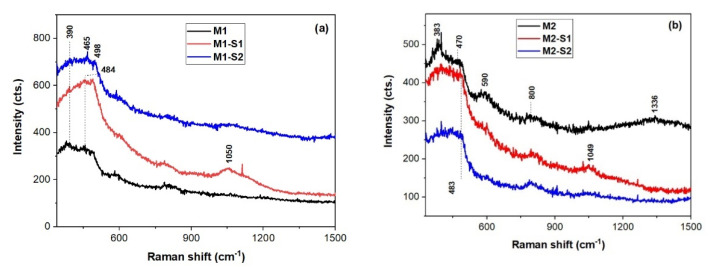
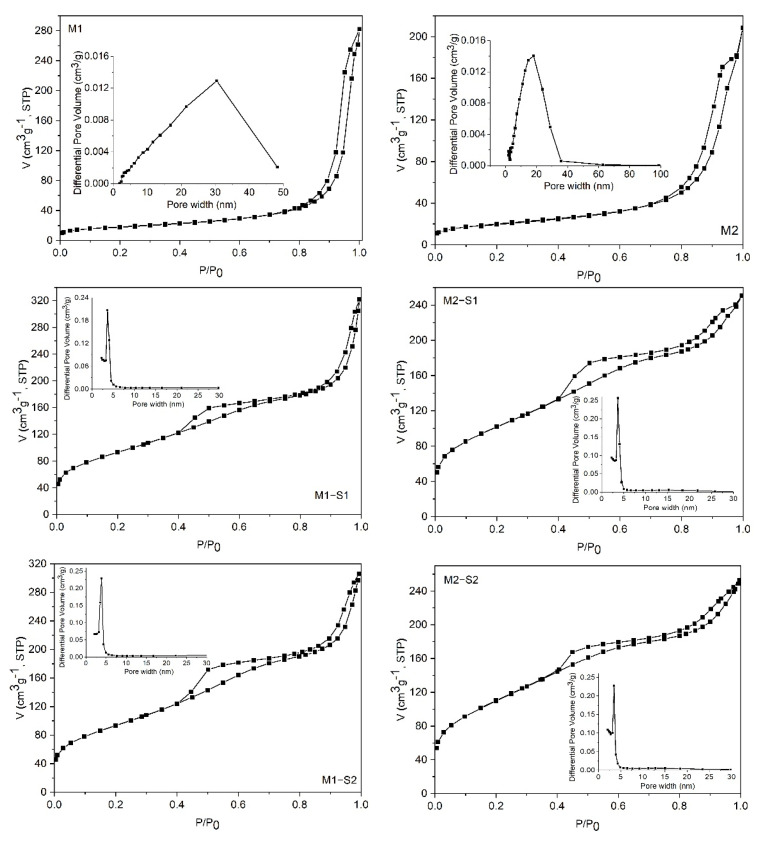
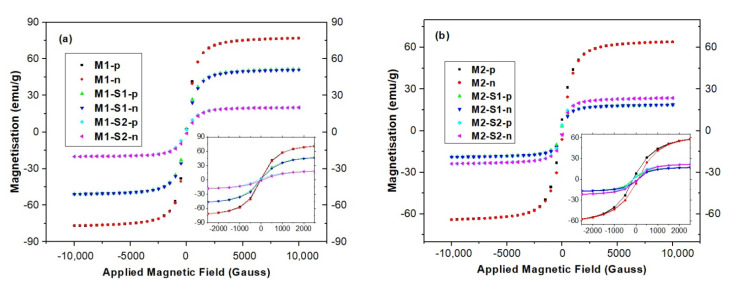
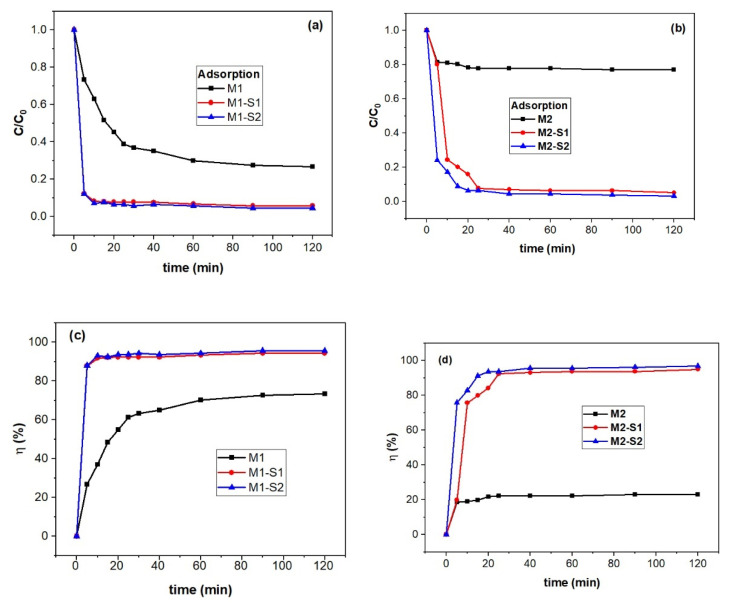
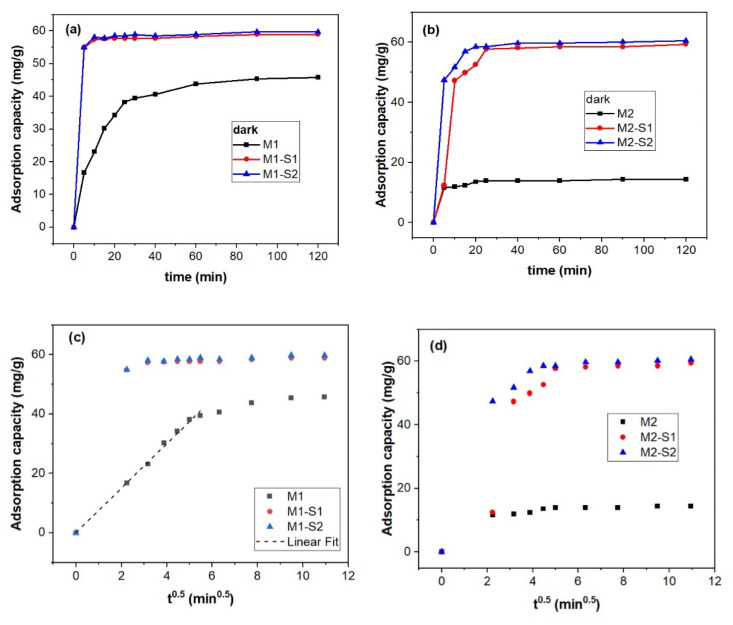
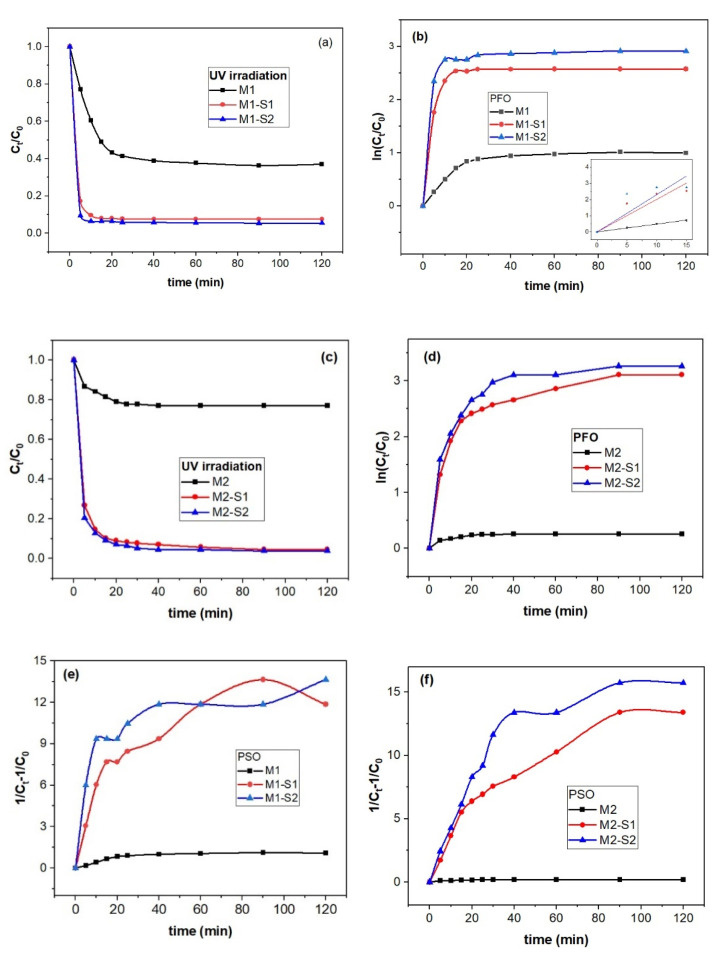
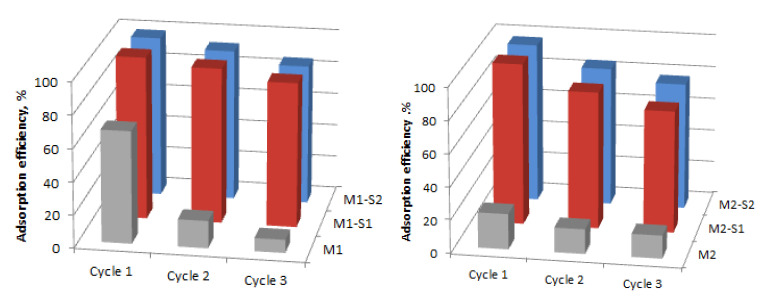
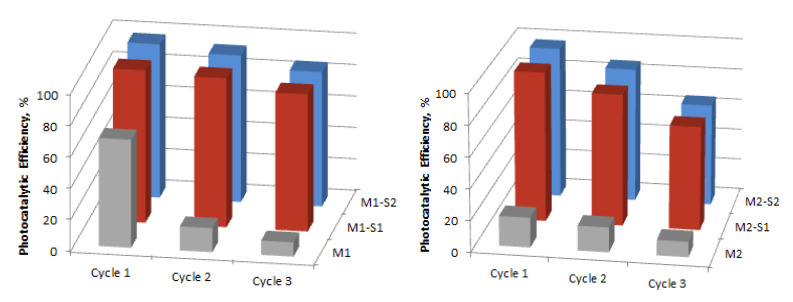
In recent years, iron oxides-based nanostructured composite materials are of particular interest for the preparation of multifunctional thin films and membranes to be used in sustainable magnetic field adsorption and photocatalysis processes, intelligent coatings, and packing or bio-medical applications. In this paper, superparamagnetic iron oxide (core)-silica (shell) nanoparticles suitable for thin films and membrane functionalization were obtained by co-precipitation and ultrasonic-assisted sol-gel methods. The comparative/combined effect of the magnetic core co-precipitation temperature (80 and 95 °C) and ZnO-doping of the silica shell on the photocatalytic and nano-sorption properties of the resulted composite nanoparticles were investigated by ultraviolet-visible (UV-VIS) spectroscopy monitoring the discoloration of methylene blue (MB) solution under ultraviolet (UV) irradiation and darkness, respectively. The morphology, structure, textural, and magnetic parameters of the investigated powders were evidenced by scanning electron microscopy (SEM), X-ray diffraction (XRD), Raman spectroscopy, Brunauer-Emmett-Teller (BET) measurements, and saturation magnetization (vibrating sample magnetometry, VSM). The intraparticle diffusion model controlled the MB adsorption. The pseudo- and second-order kinetics described the MB photodegradation. When using SiO-shell functionalized nanoparticles, the adsorption and photodegradation constant rates are three-four times higher than for using starting core iron oxide nanoparticles. The obtained magnetic nanoparticles (MNPs) were tested for films deposition.
近年来,基于氧化铁的纳米结构复合材料对于制备用于可持续磁场吸附和光催化过程、智能涂层以及包装或生物医学应用的多功能薄膜和膜特别有吸引力。在本文中,通过共沉淀和超声辅助溶胶-凝胶法获得了适用于薄膜和膜功能化的超顺磁性氧化铁(核)-二氧化硅(壳)纳米颗粒。通过紫外-可见(UV-VIS)光谱分别监测亚甲基蓝(MB)溶液在紫外(UV)照射和黑暗条件下的变色情况,研究了磁核共沉淀温度(80和95°C)以及二氧化硅壳的ZnO掺杂对所得复合纳米颗粒的光催化和纳米吸附性能的比较/综合影响。通过扫描电子显微镜(SEM)、X射线衍射(XRD)、拉曼光谱、布鲁诺尔-埃米特-泰勒(BET)测量以及饱和磁化强度(振动样品磁强计,VSM)对所研究粉末的形态、结构、织构和磁性参数进行了表征。颗粒内扩散模型控制了MB的吸附。伪一级和二级动力学描述了MB的光降解过程。当使用SiO壳功能化的纳米颗粒时,吸附和光降解的恒定速率比使用起始的核氧化铁纳米颗粒时高三到四倍。对所获得的磁性纳米颗粒(MNPs)进行了薄膜沉积测试。