Nguyen Yen Thi-Kim, To Ngoc Bao, Truong Vi Nguyen-Phuong, Kim Hee Young, Ediriweera Meran Keshawa, Lim Yoongho, Cho Somi Kim
Interdisciplinary Graduate Program in Advanced Convergence Technology and Science, Jeju National University, Jeju 63243, Korea.
Subtropical-Tropical Organism Gene Bank, Jeju National University, Jeju 63243, Korea.
Pharmaceutics. 2022 Apr 21;14(5):906. doi: 10.3390/pharmaceutics14050906.
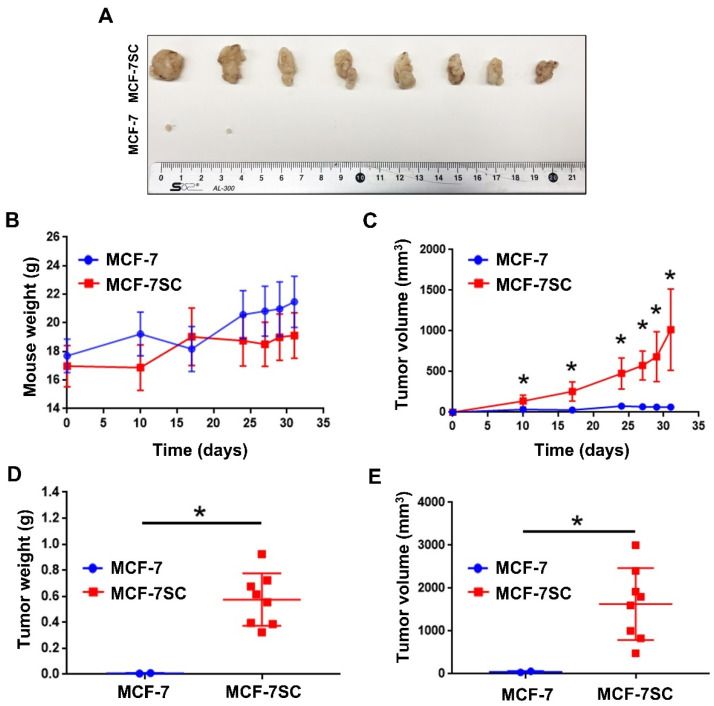
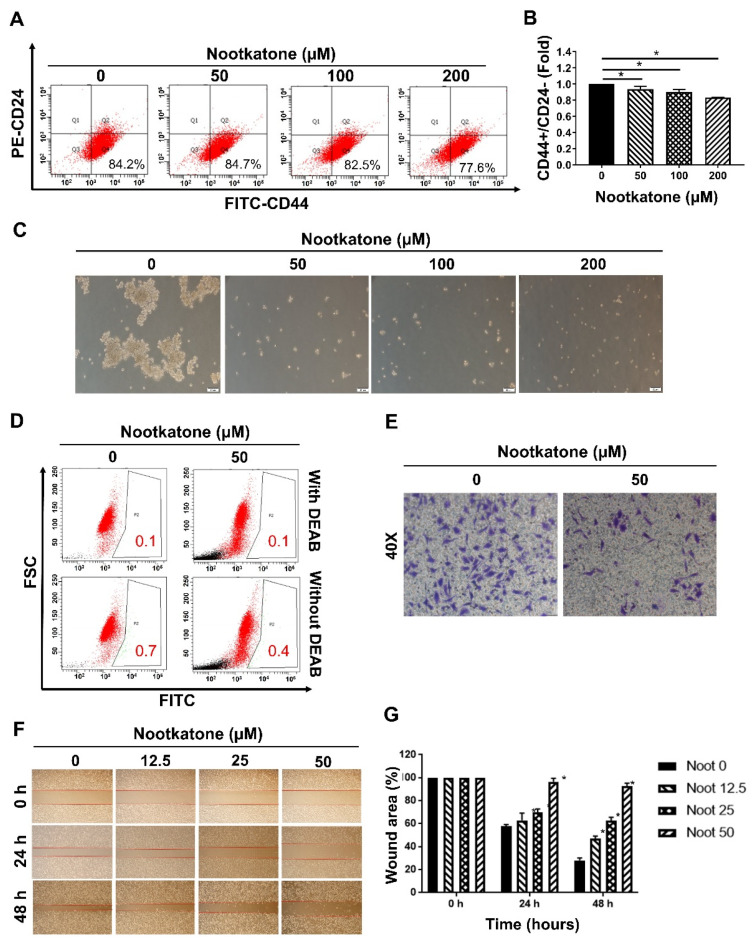
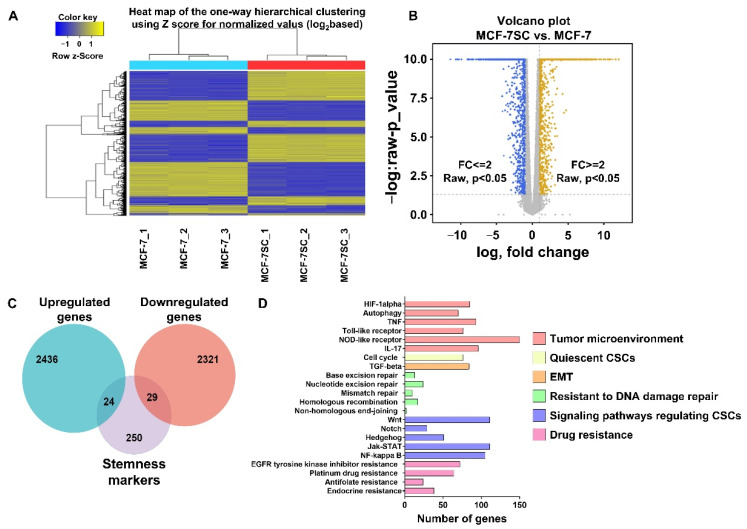
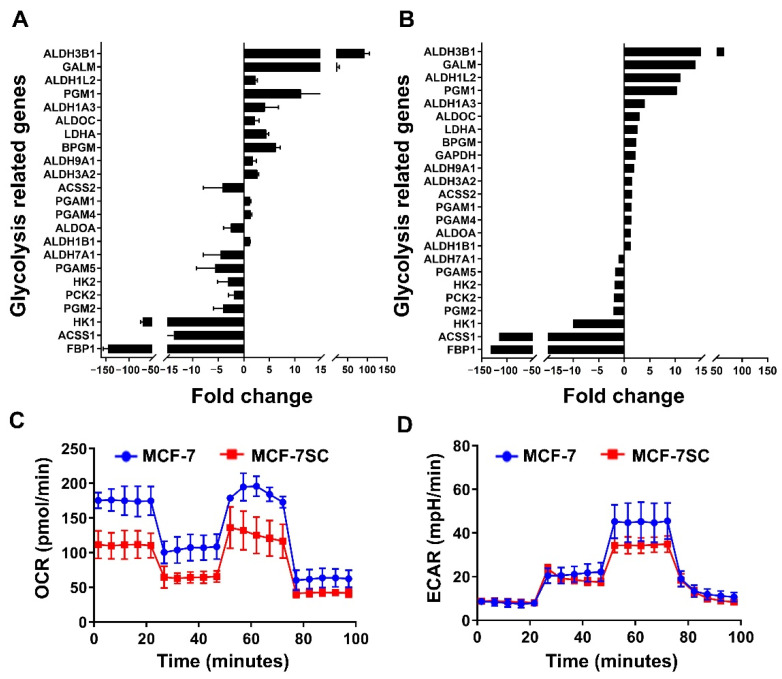
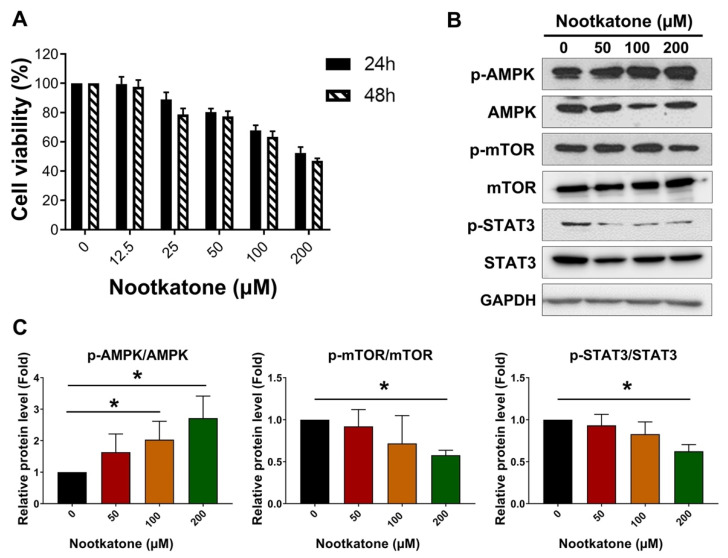
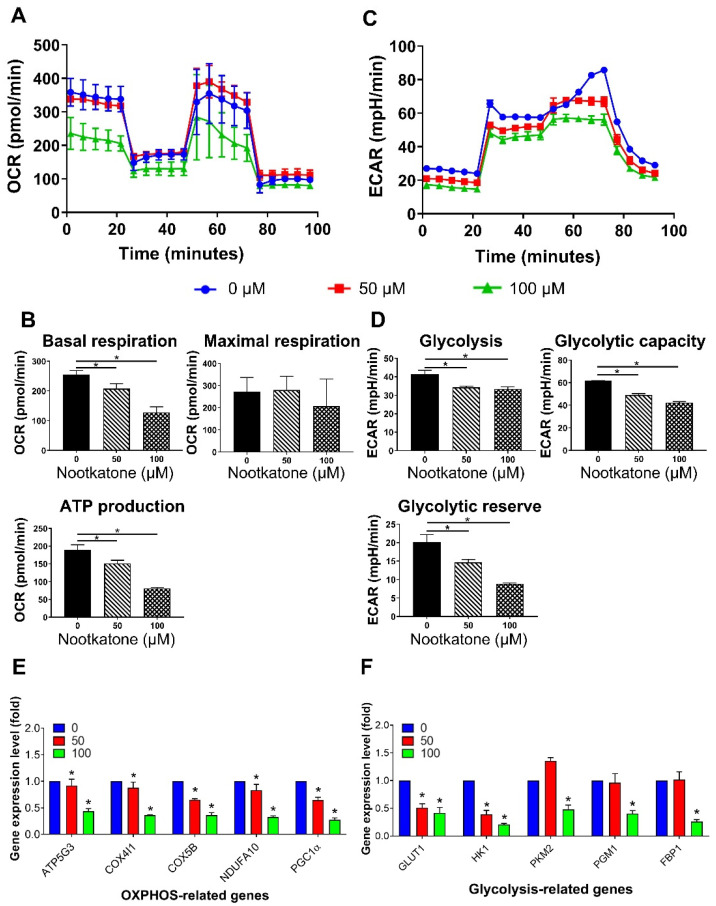
Targeting cancer stem cell metabolism has emerged as a promising therapeutic strategy for cancer treatment. Breast cancer stem cells (BCSCs) exert distinct metabolism machinery, which plays a major role in radiation and multidrug resistance. Therefore, exploring the mechanisms involved in energy utilization of BCSCs could improve the effectiveness of therapeutic strategies aimed at their elimination. This study was conducted to clarify the glucose metabolism machinery and the function of nootkatone, a bioactive component of grapefruit, in regulating glucose metabolism and stemness characteristics in human breast carcinoma MCF-7 stem cells (MCF-7SCs). In vivo experiments, transcriptomic analysis, seahorse XF analysis, MTT assay, Western blotting, mammosphere formation, wound healing, invasion assay, flow cytometric analysis, reverse transcription-quantitative polymerase chain reaction, and in silico docking experiments were performed. MCF-7SCs showed a greater tumorigenic capacity and distinct gene profile with enrichment of the genes involved in stemness and glycolysis signaling pathways compared to parental MCF-7 cells, indicating that MCF-7SCs use glycolysis rather than oxidative phosphorylation (OXPHOS) for their energy supply. Nootkatone impaired glucose metabolism through AMPK activation and reduced the stemness characteristics of MCF-7SCs. In silico docking analysis demonstrated that nootkatone efficiently bound to the active site of AMPK. Therefore, this study indicates that regulation of glucose metabolism through AMPK activation could be an attractive target for BCSCs.
靶向癌症干细胞代谢已成为一种很有前景的癌症治疗策略。乳腺癌干细胞(BCSCs)具有独特的代谢机制,在辐射和多药耐药中起主要作用。因此,探索BCSCs能量利用所涉及的机制可以提高旨在消除它们的治疗策略的有效性。本研究旨在阐明葡萄柚的生物活性成分诺卡酮在调节人乳腺癌MCF-7干细胞(MCF-7SCs)葡萄糖代谢和干性特征方面的葡萄糖代谢机制及功能。进行了体内实验、转录组分析、海马XF分析、MTT试验、蛋白质印迹法、乳腺球形成、伤口愈合、侵袭试验、流式细胞术分析、逆转录定量聚合酶链反应和计算机对接实验。与亲代MCF-7细胞相比,MCF-7SCs表现出更大的致瘤能力和独特的基因谱,参与干性和糖酵解信号通路的基因富集,表明MCF-7SCs利用糖酵解而非氧化磷酸化(OXPHOS)来供应能量。诺卡酮通过激活AMPK损害葡萄糖代谢,并降低MCF-7SCs的干性特征。计算机对接分析表明,诺卡酮能有效结合到AMPK的活性位点。因此,本研究表明通过激活AMPK调节葡萄糖代谢可能是BCSCs一个有吸引力的靶点。