
负载姜黄素的葡聚糖包被氧化铁纳米颗粒用于抗菌治疗
Dextran-Coated Iron Oxide Nanoparticles Loaded with Curcumin for Antimicrobial Therapies.
作者信息
Chircov Cristina, Ștefan Raluca-Elena, Dolete Georgiana, Andrei Adriana, Holban Alina Maria, Oprea Ovidiu-Cristian, Vasile Bogdan Stefan, Neacșu Ionela Andreea, Tihăuan Bianca
机构信息
Department of Science and Engineering of Oxide Materials and Nanomaterials, University Politehnica of Bucharest, 011061 Bucharest, Romania.
National Research Center for Micro and Nanomaterials, University Politehnica of Bucharest, 060042 Bucharest, Romania.
出版信息
Pharmaceutics. 2022 May 14;14(5):1057. doi: 10.3390/pharmaceutics14051057.
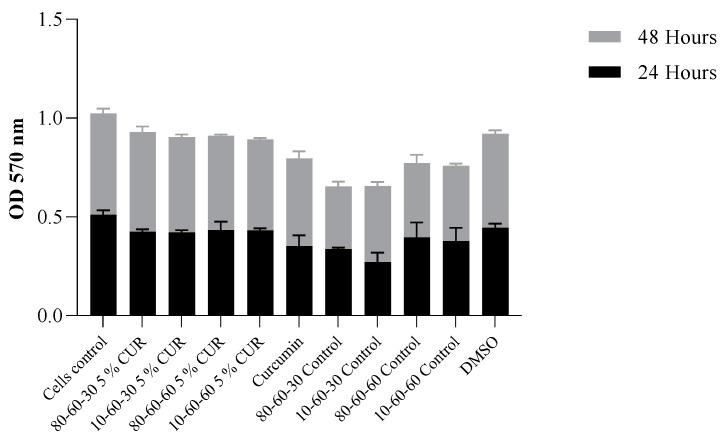
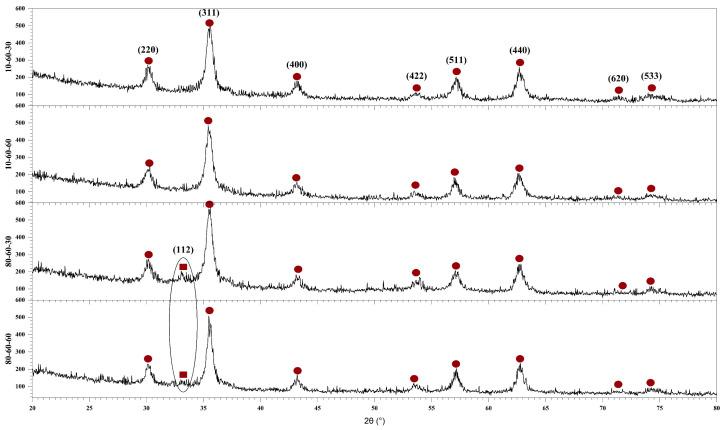
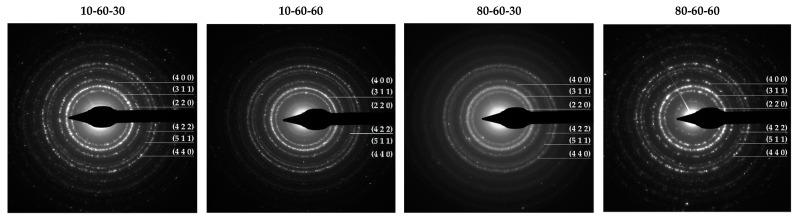
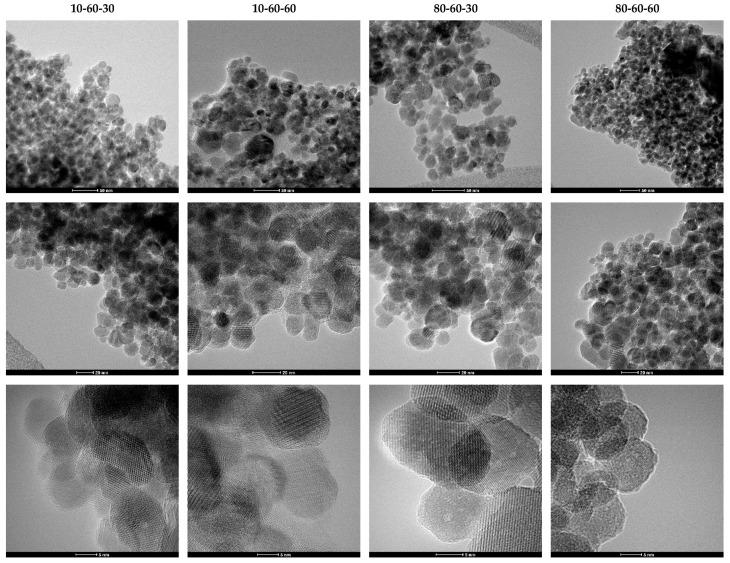
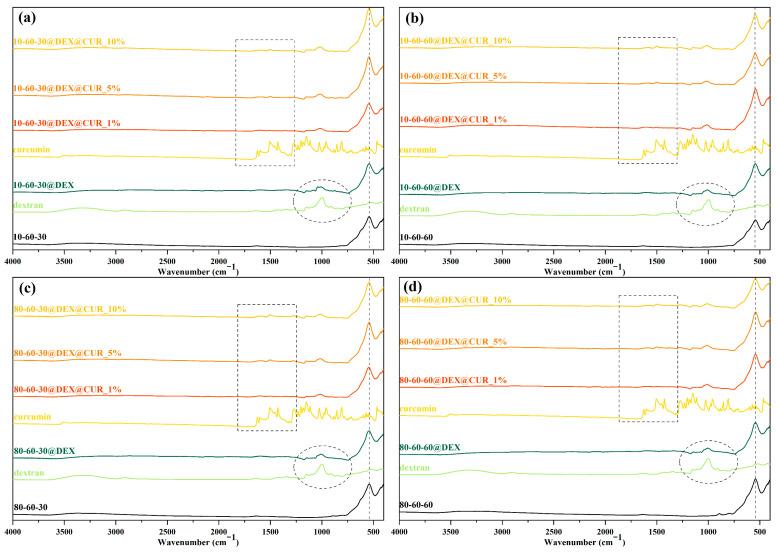
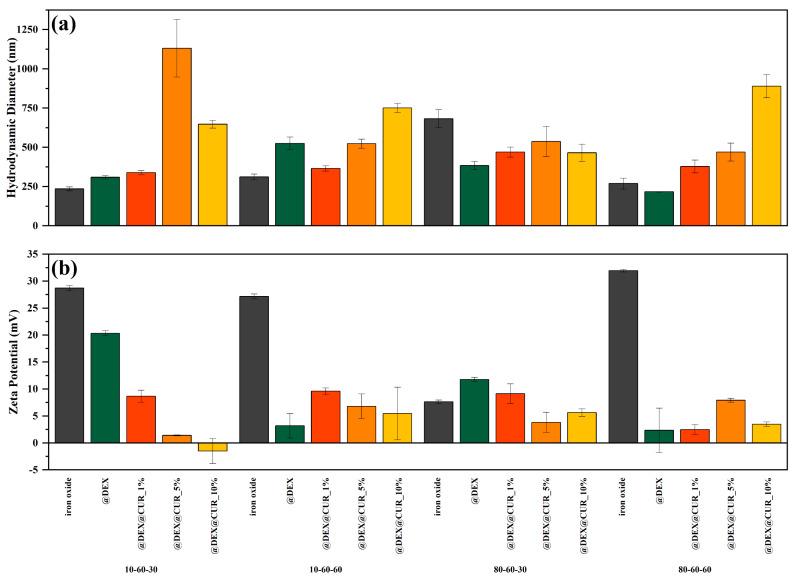
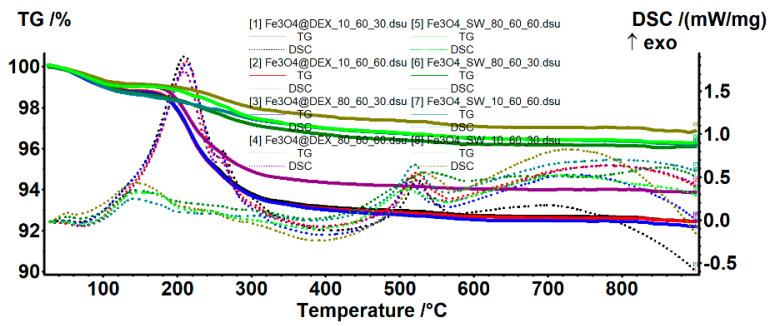
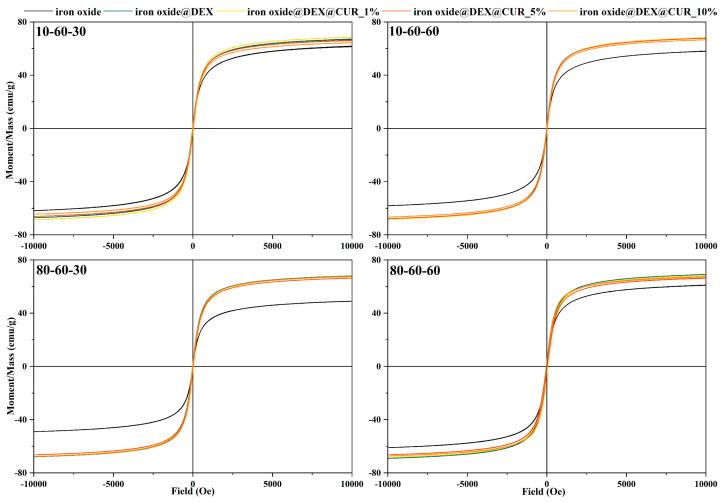
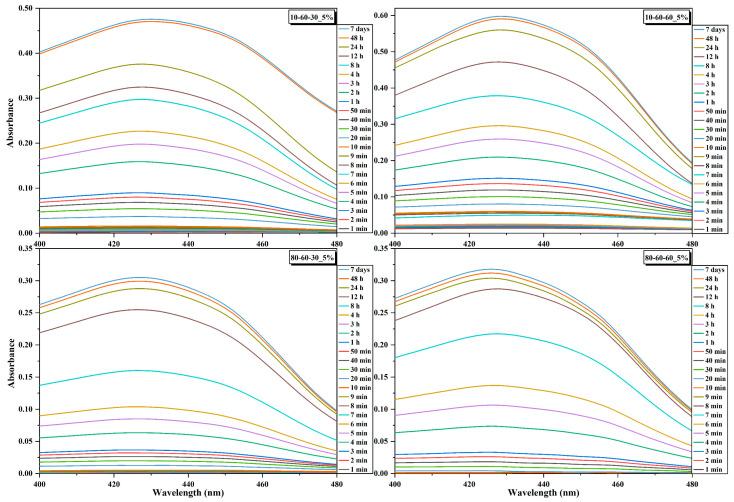
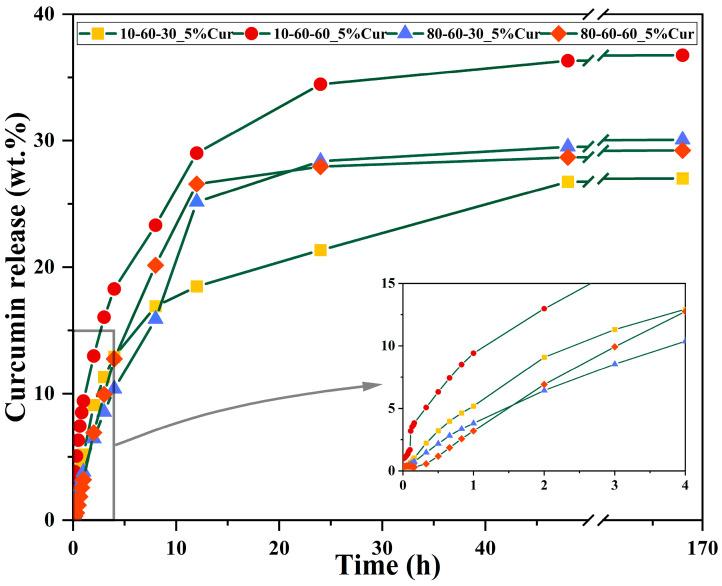
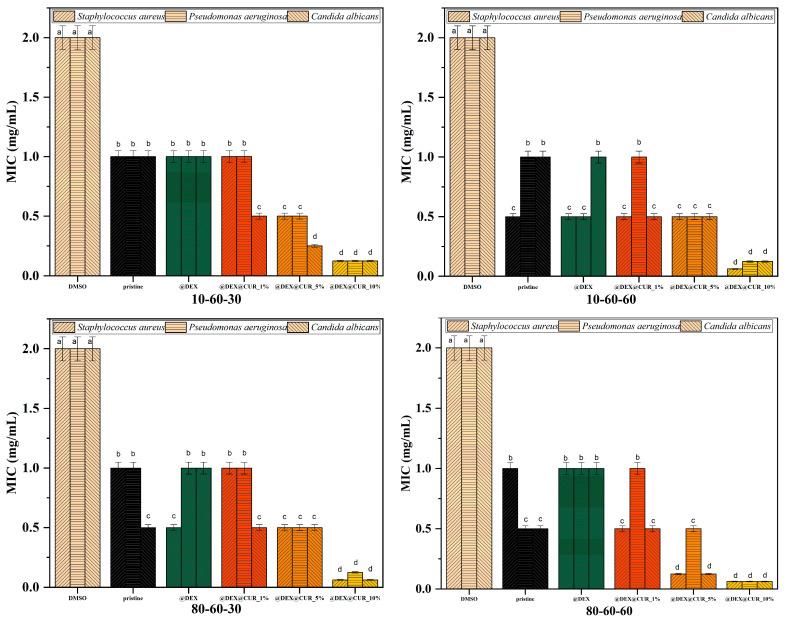
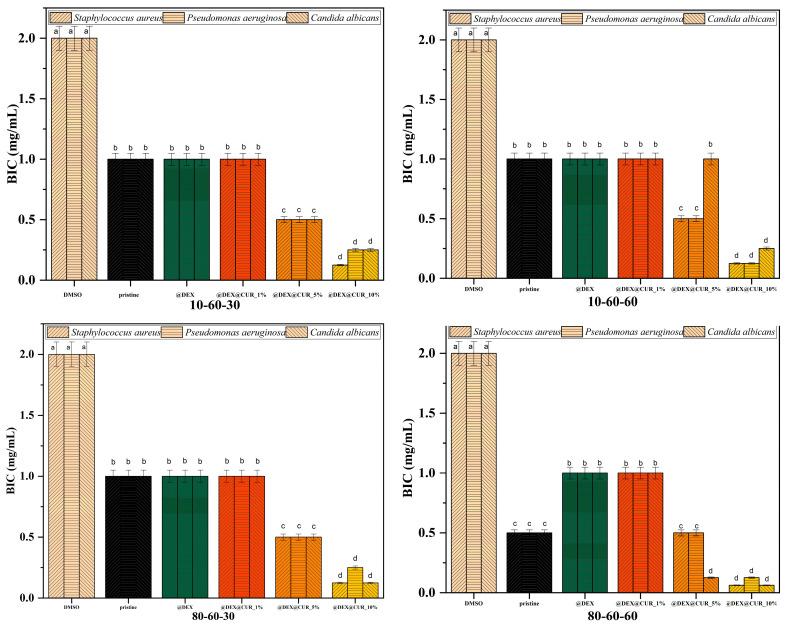
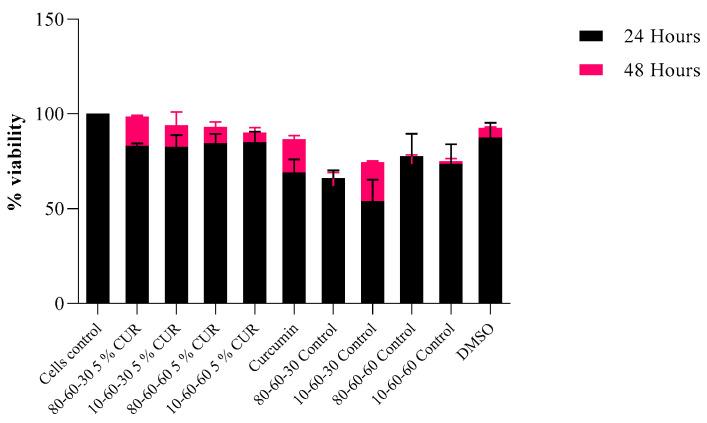
The current trend in antimicrobial-agent development focuses on the use of natural compounds that limit the toxicity of conventional drugs and provide a potential solution to the antimicrobial resistance crisis. Curcumin represents a natural bioactive compound with well-known antimicrobial, anticancer, and antioxidant properties. However, its hydrophobicity considerably limits the possibility of body administration. Therefore, dextran-coated iron oxide nanoparticles can be used as efficient drug-delivery supports that could overcome this limitation. The iron oxide nanoparticles were synthesized through the microwave-assisted hydrothermal method by varying the treatment parameters (pressure and reaction time). The nanoparticles were subsequently coated with dextran and used for the loading of curcumin (in various concentrations). The drug-delivery systems were characterized through X-ray diffraction (XRD) coupled with Rietveld refinement, transmission electron microscopy (TEM), high-resolution TEM (HR-TEM), selected area electron diffraction (SAED), dynamic light scattering (DLS) and zeta potential, thermogravimetry and differential scanning calorimetry (TG-DSC), vibrating sample magnetometry (VSM), and UV-Vis spectrophotometry, as well as regarding their antimicrobial efficiency and biocompatibility using the appropriate assays. The results demonstrate a promising antimicrobial efficiency, as well as an increased possibility of controlling the properties of the resulted nanosystems. Thus, the present study represents an important step forward toward the development of highly efficient antimicrobial drug-delivery systems.
目前抗菌剂开发的趋势集中在使用天然化合物,这些化合物可降低传统药物的毒性,并为抗微生物耐药性危机提供潜在解决方案。姜黄素是一种具有著名抗菌、抗癌和抗氧化特性的天然生物活性化合物。然而,其疏水性极大地限制了其体内给药的可能性。因此,葡聚糖包被的氧化铁纳米颗粒可作为有效的药物递送载体,克服这一限制。通过改变处理参数(压力和反应时间),采用微波辅助水热法合成了氧化铁纳米颗粒。随后,纳米颗粒用葡聚糖包被,并用于负载不同浓度的姜黄素。通过X射线衍射(XRD)结合Rietveld精修、透射电子显微镜(TEM)、高分辨率TEM(HR-TEM)、选区电子衍射(SAED)、动态光散射(DLS)和zeta电位、热重分析和差示扫描量热法(TG-DSC)、振动样品磁强计(VSM)和紫外可见分光光度法对药物递送系统进行了表征,并使用适当的测定方法评估了它们的抗菌效率和生物相容性。结果表明其具有良好的抗菌效率,以及控制所得纳米系统性质的可能性增加。因此,本研究是朝着开发高效抗菌药物递送系统迈出的重要一步。

 Zotero 插件