Reproductive Medical Center, Department of Obstetrics and Gynecology, The Second Hospital of Jilin University, Changchun, China.
Cardiovascular Medicine Department, The First Hospital of Jilin University, Changchun, China.
Front Endocrinol (Lausanne). 2022 May 11;13:865748. doi: 10.3389/fendo.2022.865748. eCollection 2022.
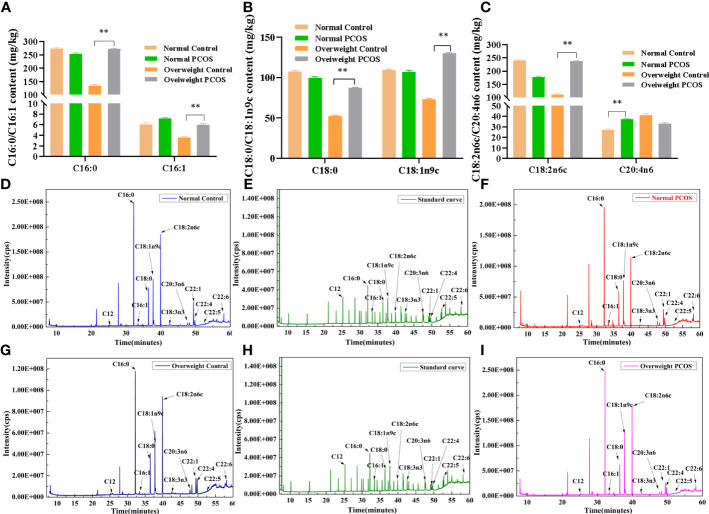
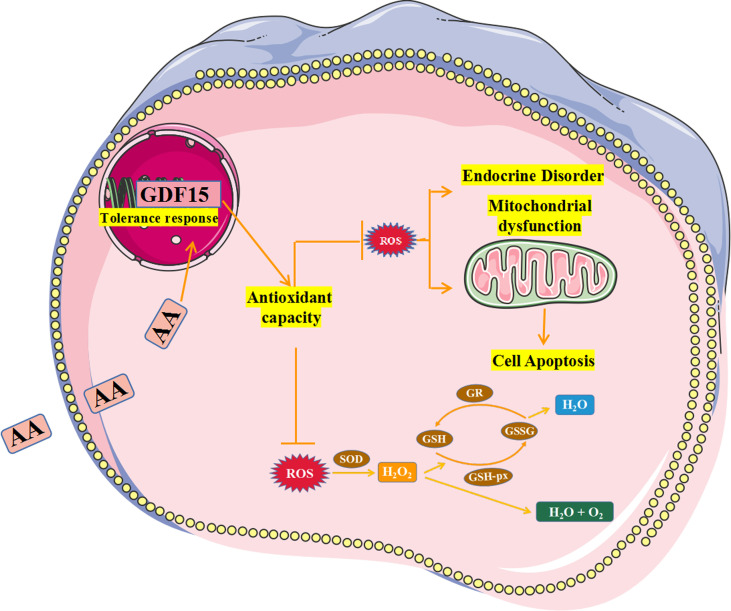
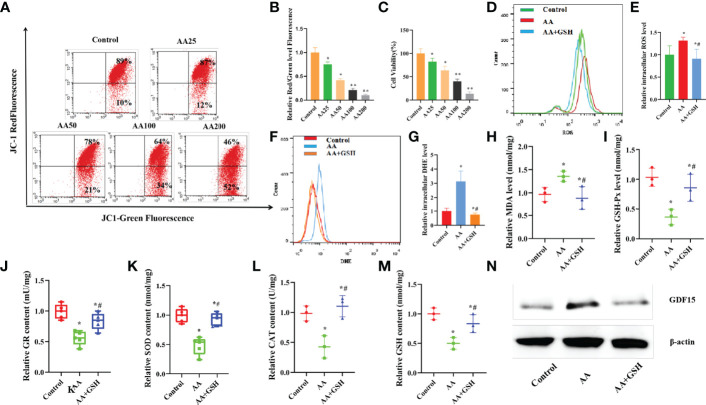
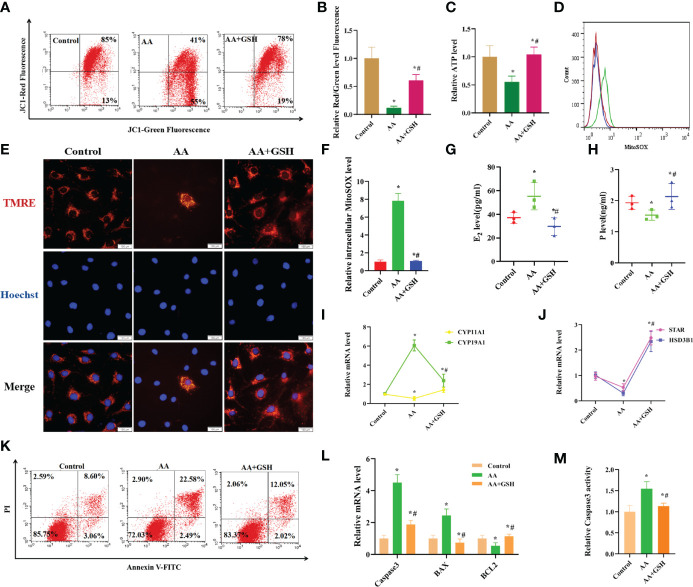
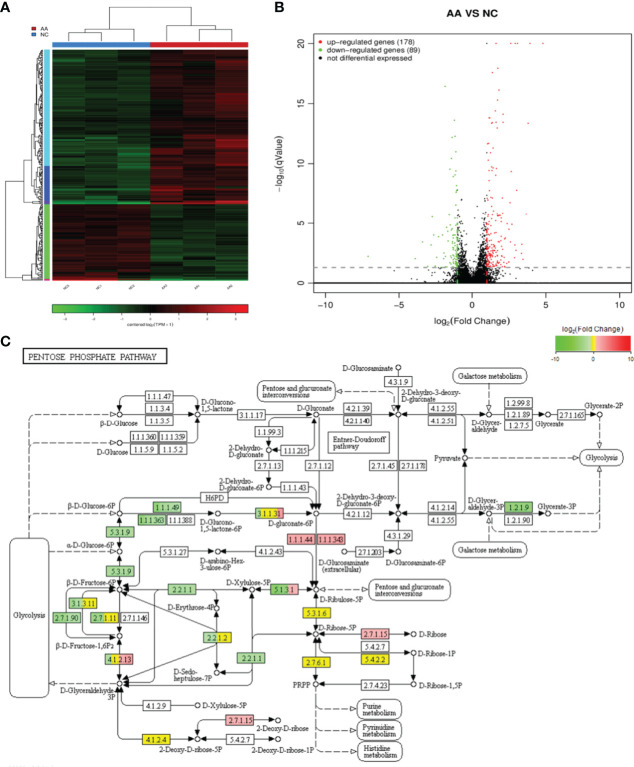
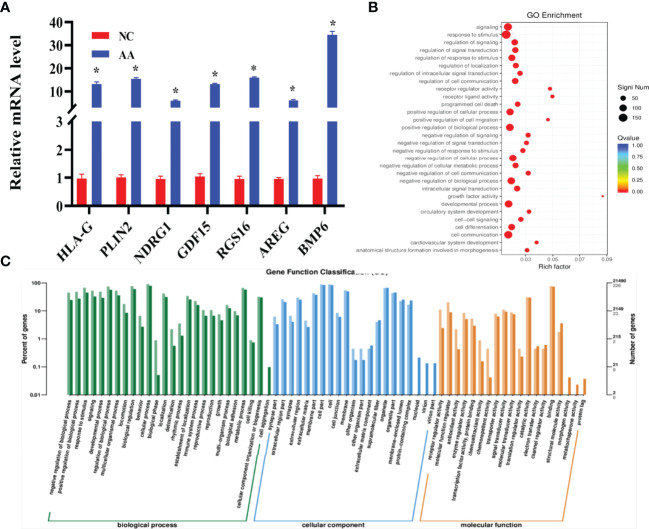
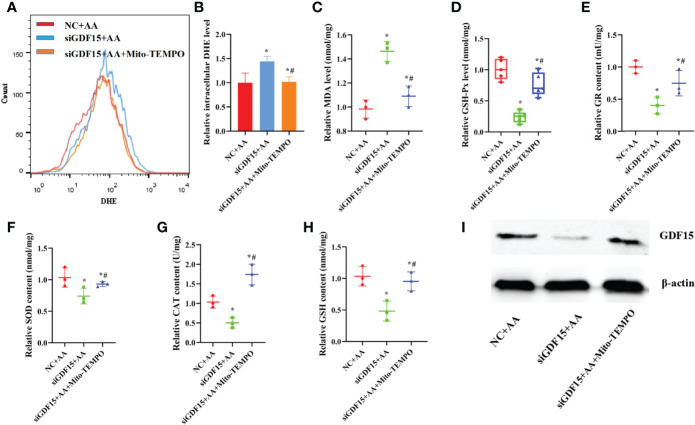
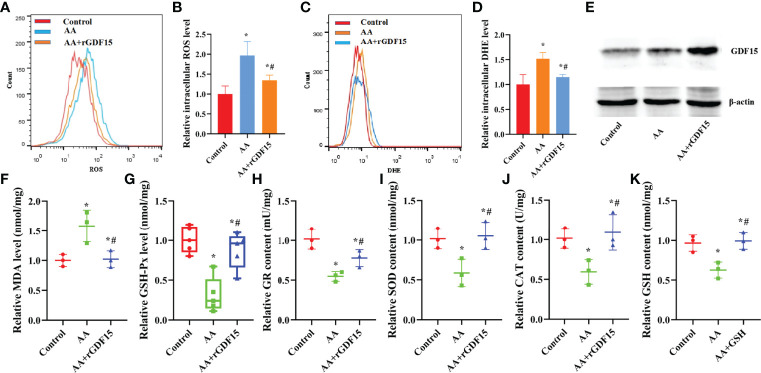
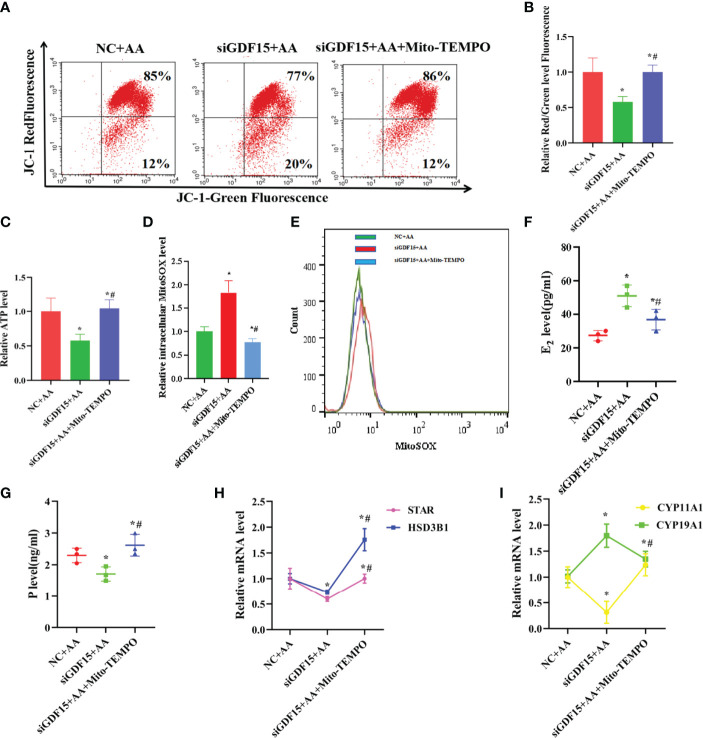
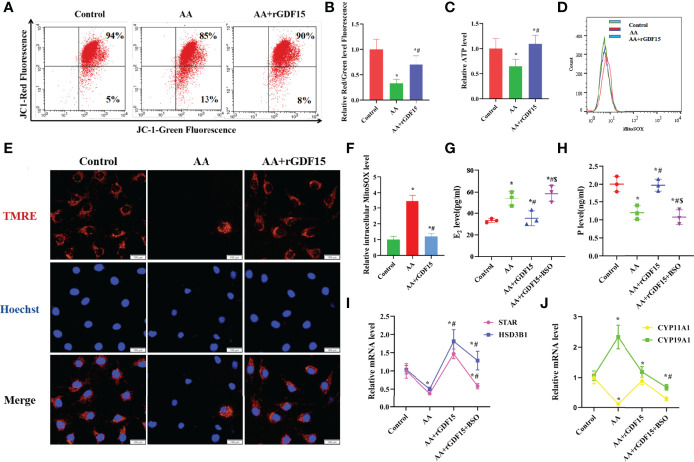
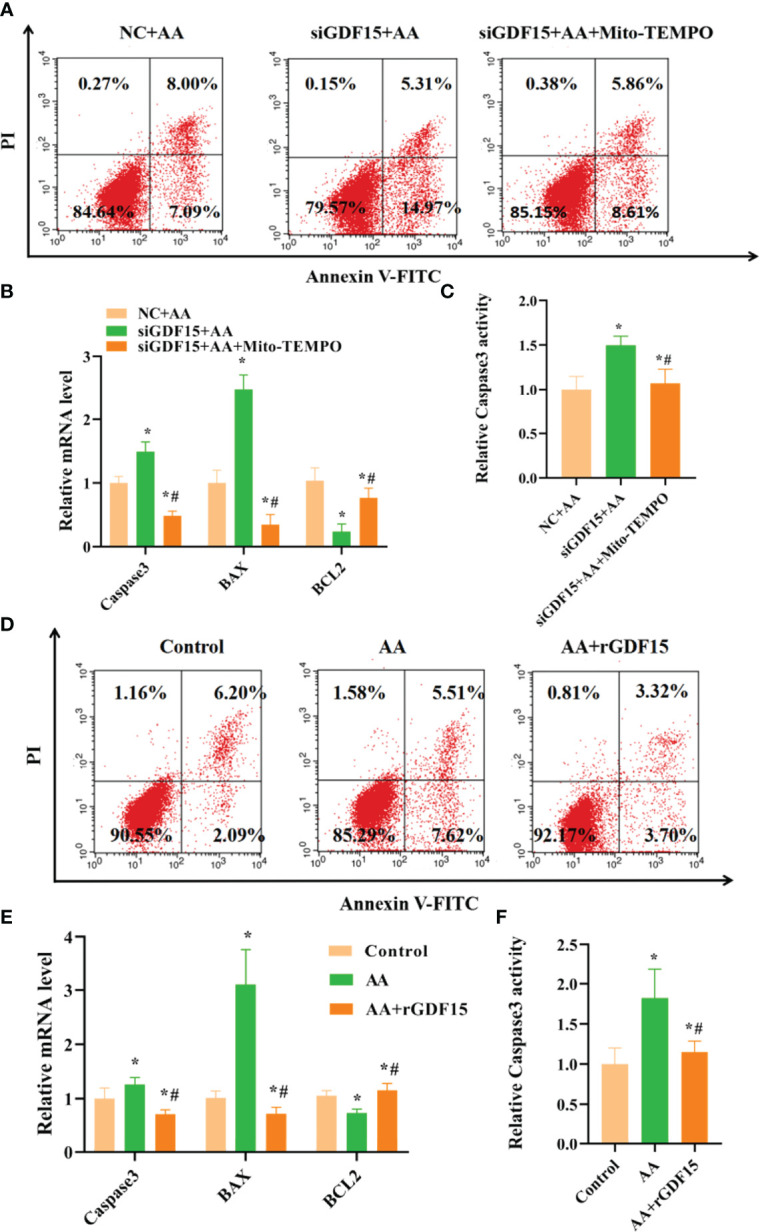
Polycystic ovarian ovary syndrome (PCOS) is the main cause of ovulatory infertility and a common reproductive endocrine disease of women in reproductive age. In addition, nearly half of PCOS patients are associated with obesity, and their total free fatty acids tend to increase. Arachidonic acid (AA) is a polyunsaturated fatty acid. Oxidation products of AA reacting with various enzymes[cyclooxygenases (COX), lipoxygenases (LOX), cytochrome P450s (CYP)] can change cellular mitochondrial distribution and calcium ion concentration, and increase reactive oxygen species (ROS) production. In this study, we analyzed the follicular fluid fatty acids and found higher levels of C20:4n6 (AA) in PCOS patients than in normal control subjects. Also, to determine whether AA induces oxidative stress (OS) in the human ovarian granulosa tumor cell line (KGN) and affects its function, we treated KGN cells with or without reduced glutathione (GSH) and then stimulated them with AA. The results showed that AA significantly reduced the total antioxidant capacity (TAC) and activity of antioxidant enzymes and increased the malondialdehyde (MDA), ROS and superoxide anion(O)levels in KGN cells. In addition, AA was also found to impair the secretory and mitochondrial functions of KGN cells and induce their apoptosis. We further investigated the downstream genes affected by AA in KGN cells and its mechanism of action. We found that AA upregulated the expression of growth differentiation factor 15 (GDF15), which had a protective effect on inflammation and tissue damage. Therefore, we investigated whether AA-induced OS in KGN cells upregulates GDF15 expression as an OS response.Through silencing of GDF15 and supplementation with recombinant GDF15 (rGDF15), we found that GDF15, expressed as an OS response, protected KGN cells against AA-induced OS effects, such as impairment of secretory and mitochondrial functions and apoptosis. Therefore, this study suggested that AA might induce OS in KGN cells and upregulate the expression of GDF15 as a response to OS.
多囊卵巢综合征(PCOS)是排卵性不孕的主要原因,也是育龄妇女常见的生殖内分泌疾病。此外,近一半的 PCOS 患者与肥胖有关,他们的总游离脂肪酸往往会增加。花生四烯酸(AA)是一种多不饱和脂肪酸。AA 与各种酶(环氧化酶(COX)、脂氧合酶(LOX)、细胞色素 P450s(CYP))反应的氧化产物可以改变细胞线粒体的分布和钙离子浓度,并增加活性氧(ROS)的产生。在本研究中,我们分析了卵泡液中的脂肪酸,发现 PCOS 患者的 C20:4n6(AA)水平高于正常对照组。此外,为了确定 AA 是否会在人卵巢颗粒细胞瘤系(KGN)中诱导氧化应激(OS)并影响其功能,我们用或不用还原型谷胱甘肽(GSH)处理 KGN 细胞,然后用 AA 刺激它们。结果表明,AA 显著降低了 KGN 细胞的总抗氧化能力(TAC)和抗氧化酶的活性,增加了 MDA、ROS 和超氧阴离子(O)的水平。此外,AA 还损害了 KGN 细胞的分泌和线粒体功能,并诱导其凋亡。我们进一步研究了 AA 在 KGN 细胞中影响的下游基因及其作用机制。我们发现 AA 上调了生长分化因子 15(GDF15)的表达,GDF15 对炎症和组织损伤有保护作用。因此,我们研究了 AA 是否通过诱导 KGN 细胞中的 OS 而上调 GDF15 表达作为 OS 反应。通过沉默 GDF15 并补充重组 GDF15(rGDF15),我们发现 GDF15 作为 OS 反应表达,可保护 KGN 细胞免受 AA 诱导的 OS 效应的影响,如分泌和线粒体功能障碍和凋亡。因此,本研究表明 AA 可能诱导 KGN 细胞中的 OS,并上调 GDF15 的表达作为 OS 反应。