Lv Kun, Cao Xin, Wang Rong, Du Peng, Fu Junyan, Geng Daoying, Zhang Jun
Department of Radiology, Huashan Hospital, Fudan University, Shanghai, China.
Institute of Functional and Molecular Medical Imaging, Fudan University, Shanghai, China.
Front Neurol. 2022 May 13;13:871613. doi: 10.3389/fneur.2022.871613. eCollection 2022.
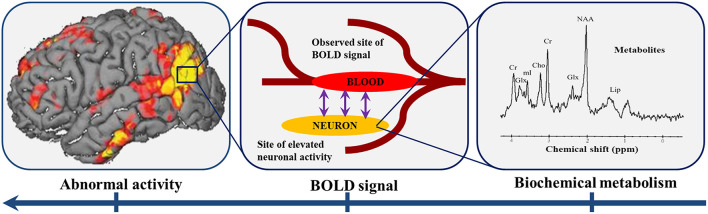
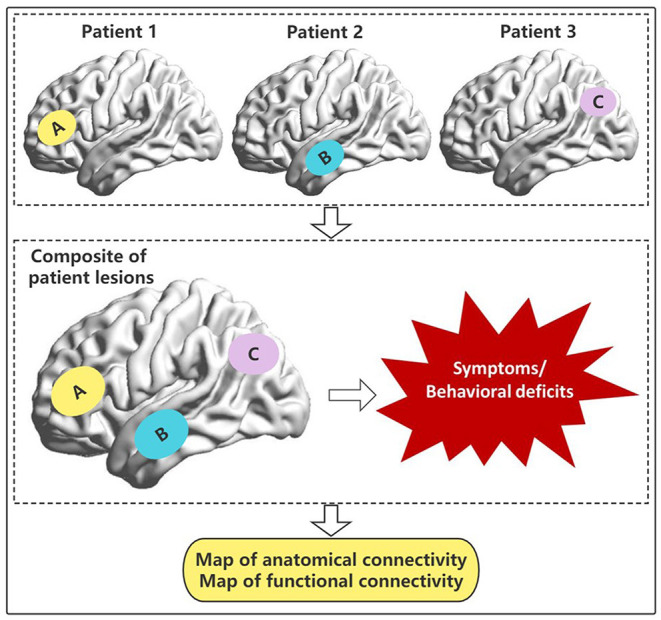
Glioma is the most common primary malignant brain tumor in adults. It accounts for about 75% of such tumors and occurs more commonly in men. The incidence rate has been increasing in the past 30 years. Moreover, the 5-year overall survival rate of glioma patients is < 35%. Different locations, grades, and molecular characteristics of gliomas can lead to different behavioral deficits and prognosis, which are closely related to patients' quality of life and associated with neuroplasticity. Some advanced magnetic resonance imaging (MRI) technologies can explore the neuroplasticity of structural, topological, biochemical metabolism, and related mechanisms, which may contribute to the improvement of prognosis and function in glioma patients. In this review, we summarized the studies conducted on structural and topological plasticity of glioma patients through different MRI technologies and discussed future research directions. Previous studies have found that glioma itself and related functional impairments can lead to structural and topological plasticity using multimodal MRI. However, neuroplasticity caused by highly heterogeneous gliomas is not fully understood, and should be further explored through multimodal MRI. In addition, the individualized prediction of functional prognosis of glioma patients from the functional level based on machine learning (ML) is promising. These approaches and the introduction of ML can further shed light on the neuroplasticity and related mechanism of the brain, which will be helpful for management of glioma patients.
胶质瘤是成人中最常见的原发性恶性脑肿瘤。它约占此类肿瘤的75%,男性更为常见。在过去30年中,发病率一直在上升。此外,胶质瘤患者的5年总生存率<35%。胶质瘤的不同位置、分级和分子特征可导致不同的行为缺陷和预后,这与患者的生活质量密切相关,并与神经可塑性有关。一些先进的磁共振成像(MRI)技术可以探索结构、拓扑、生化代谢的神经可塑性及其相关机制,这可能有助于改善胶质瘤患者的预后和功能。在本综述中,我们总结了通过不同MRI技术对胶质瘤患者结构和拓扑可塑性的研究,并讨论了未来的研究方向。以往的研究发现,使用多模态MRI,胶质瘤本身及相关功能障碍可导致结构和拓扑可塑性。然而,高度异质性胶质瘤引起的神经可塑性尚未完全了解,应通过多模态MRI进一步探索。此外,基于机器学习(ML)从功能水平对胶质瘤患者功能预后进行个体化预测很有前景。这些方法以及ML的引入可以进一步阐明大脑的神经可塑性及其相关机制,这将有助于胶质瘤患者的管理。