De Stefano Paola, Bianchi Elena, Dubini Gabriele
Laboratory of Biological Structure Mechanics, Department of Chemistry, Materials and Chemical Engineering "G. Natta," Politecnico di Milano, Italy.
Biomicrofluidics. 2022 May 26;16(3):031501. doi: 10.1063/5.0087294. eCollection 2022 May.
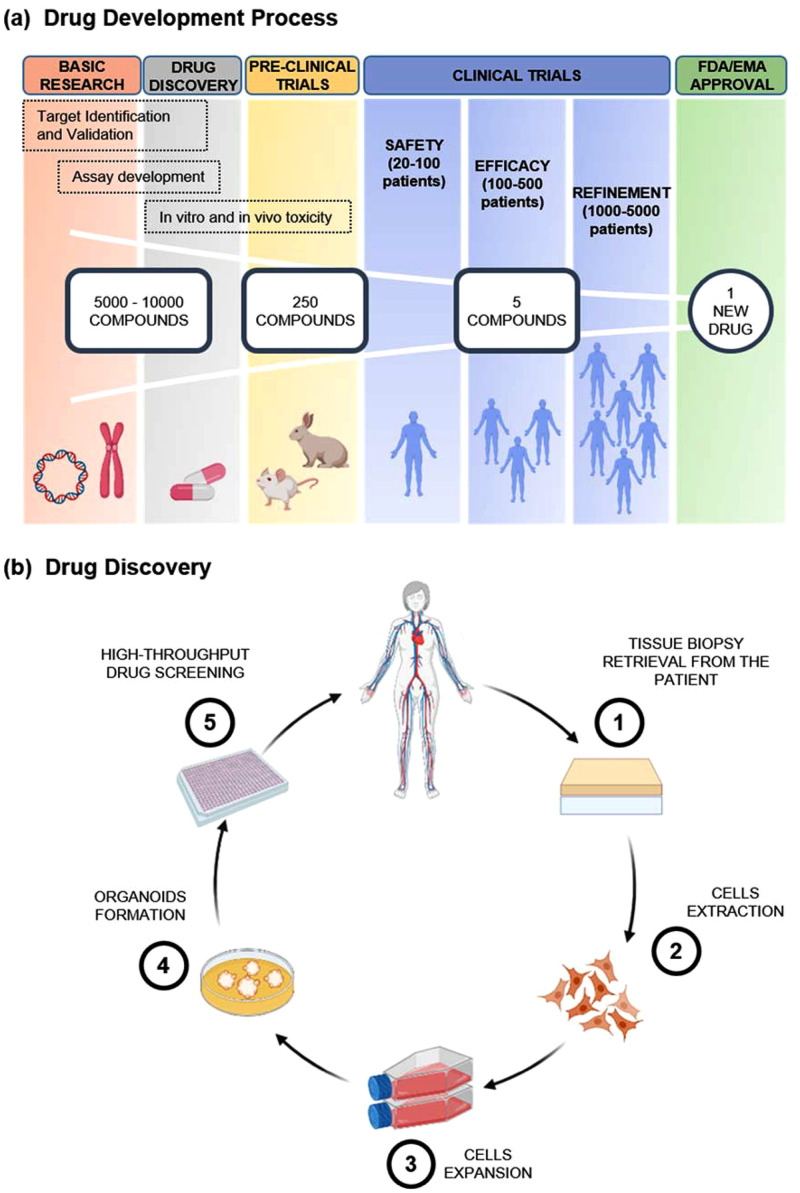
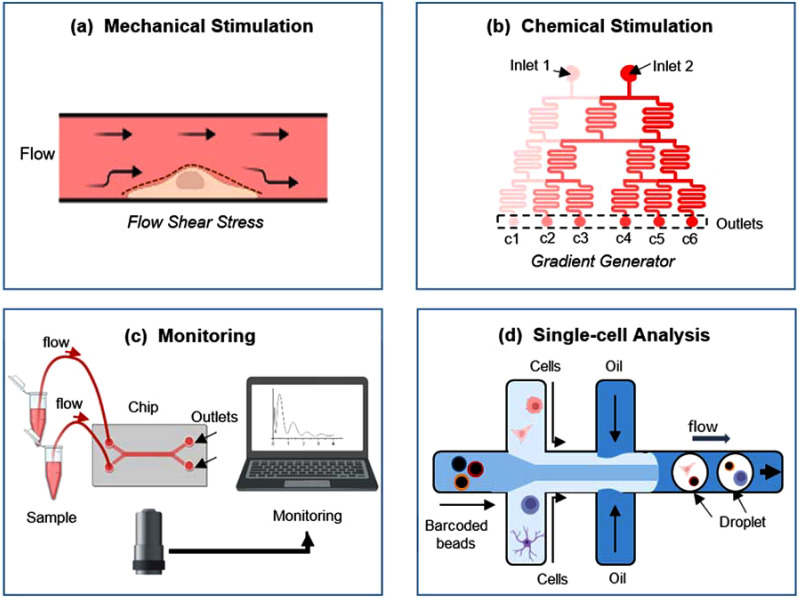
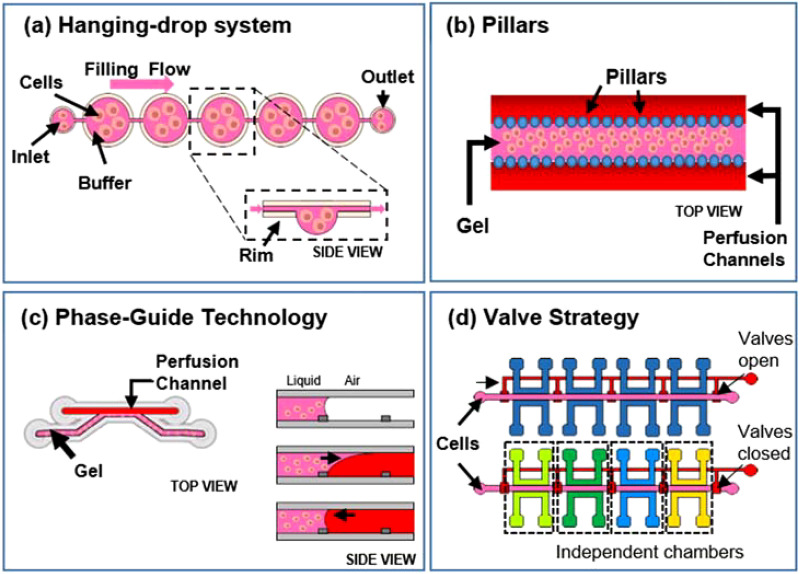
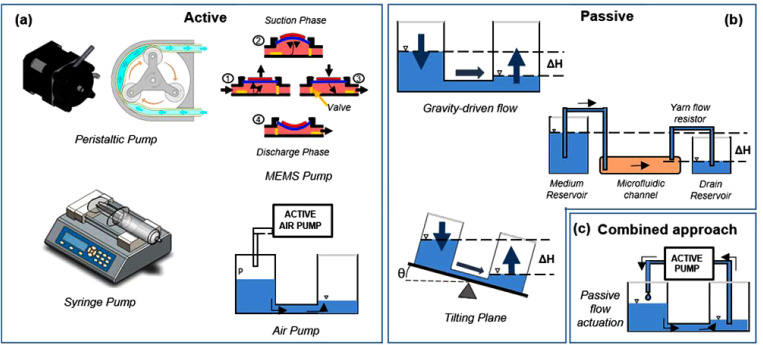
Drug discovery is an expensive and lengthy process. Among the different phases, drug discovery and preclinical trials play an important role as only 5-10 of all drugs that begin preclinical tests proceed to clinical trials. Indeed, current high-throughput screening technologies are very expensive, as they are unable to dispense small liquid volumes in an accurate and quick way. Moreover, despite being simple and fast, drug screening assays are usually performed under static conditions, thus failing to recapitulate tissue-specific architecture and biomechanical cues present even in the case of 3D models. On the contrary, microfluidics might offer a more rapid and cost-effective alternative. Although considered incompatible with high-throughput systems for years, technological advancements have demonstrated how this gap is rapidly reducing. In this Review, we want to further outline the role of microfluidics in high-throughput drug screening applications by looking at the multiple strategies for cell seeding, compartmentalization, continuous flow, stimuli administration (e.g., drug gradients or shear stresses), and single-cell analyses.
药物研发是一个昂贵且漫长的过程。在不同阶段中,药物研发和临床前试验起着重要作用,因为在所有开始进行临床前测试的药物中,只有5% - 10%能进入临床试验阶段。事实上,当前的高通量筛选技术非常昂贵,因为它们无法精确且快速地分配少量液体。此外,尽管药物筛选检测简单快捷,但通常是在静态条件下进行的,因此即使在三维模型的情况下,也无法重现组织特异性结构和生物力学线索。相反,微流控技术可能提供一种更快速且具成本效益的替代方案。尽管多年来一直被认为与高通量系统不兼容,但技术进步已表明这种差距正在迅速缩小。在本综述中,我们希望通过研究细胞接种、分隔、连续流动、刺激施加(例如药物梯度或剪切应力)和单细胞分析的多种策略,进一步概述微流控技术在高通量药物筛选应用中的作用。